

Sweet potato paste
Common food

Photo: Wikipedia
Sweet potato paste is a dense, velvety puree made by mashing cooked sweet potatoes, often with a touch of sugar or salt. It boasts a naturally sweet, earthy flavor with a smooth, thick texture that is both comforting and versatile. Nutritionally, it is a carbohydrate-dense food, providing a quick source of energy with minimal protein or fat.
Calorie split: 1% protein · 98% carbs · 1% fat
↓ Full nutrition💚 Why it's loved
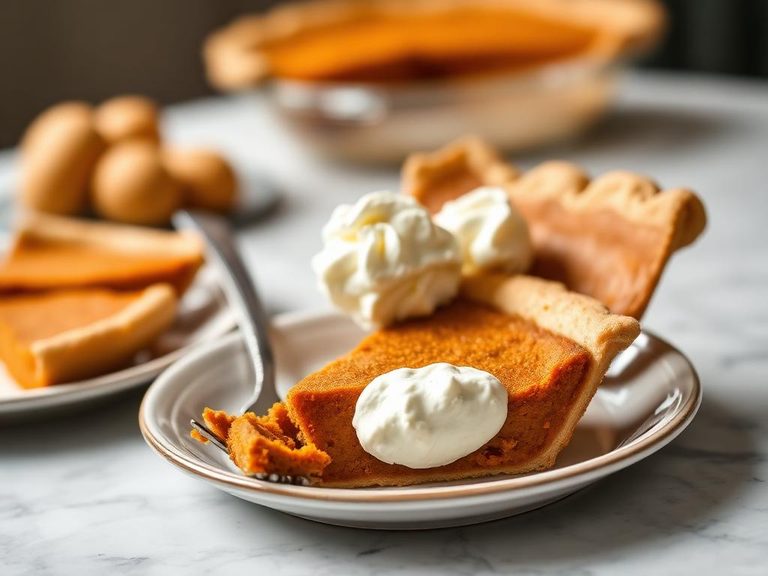
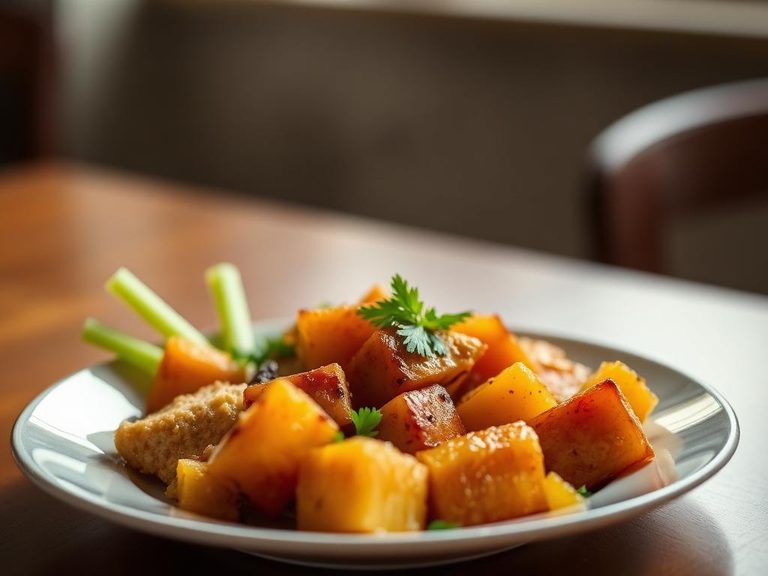
People love it for its deep, caramel-like sweetness and incredibly smooth, creamy texture that melts in the mouth. It is cherished for its versatility, serving as a base for everything from traditional pastries to modern desserts and savory side dishes across many cultures.
⚠️ Watch-outs & how to enjoy it better
Due to its high sugar and carbohydrate content (over 75g carbs per 100g), it can cause rapid blood-sugar spikes, making it a concern for individuals managing diabetes or insulin resistance. To counteract this, pair it with protein (like nuts or yogurt) or healthy fats (like a drizzle of olive oil) to slow sugar absorption, and practice strict portion control.
Key benefits
- Rich in complex carbohydrates for sustained energy
- Contains beta-carotene, a precursor to Vitamin A
- Provides a source of dietary fiber
- Naturally sweet, reducing the need for added sugars in some recipes
- Versatile base for both sweet and savory dishes
🍽️ Popular dishes
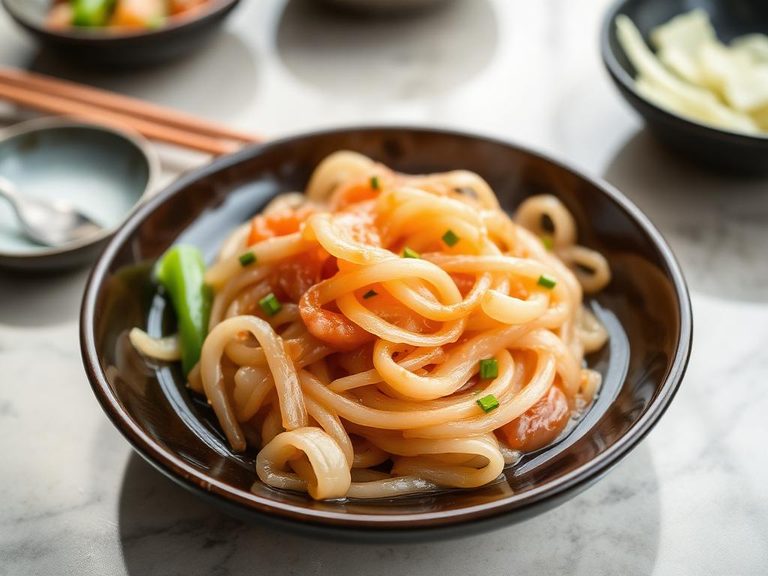
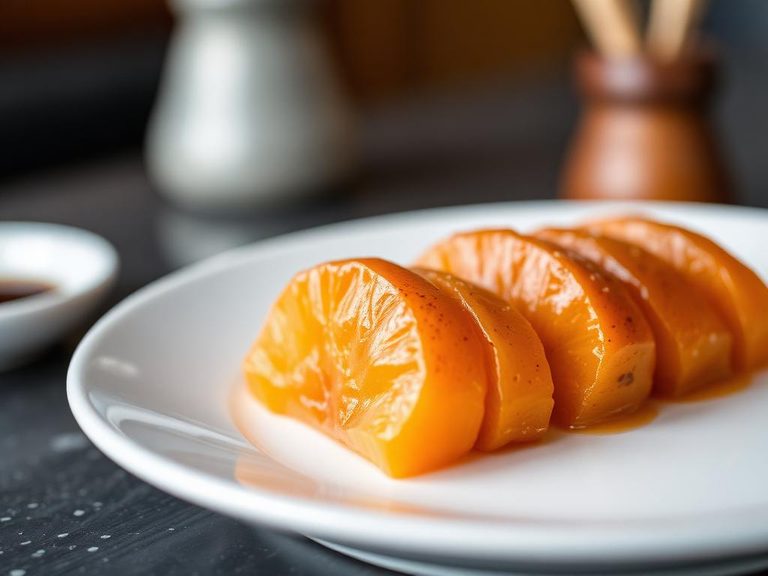
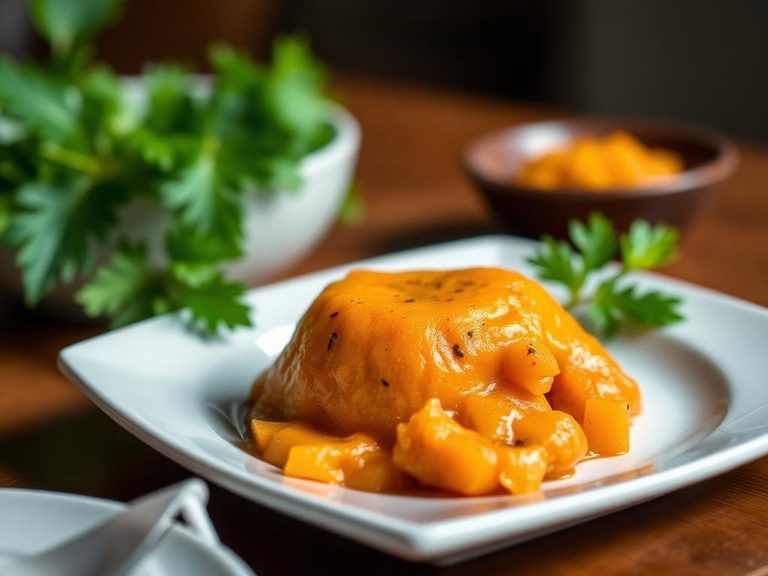
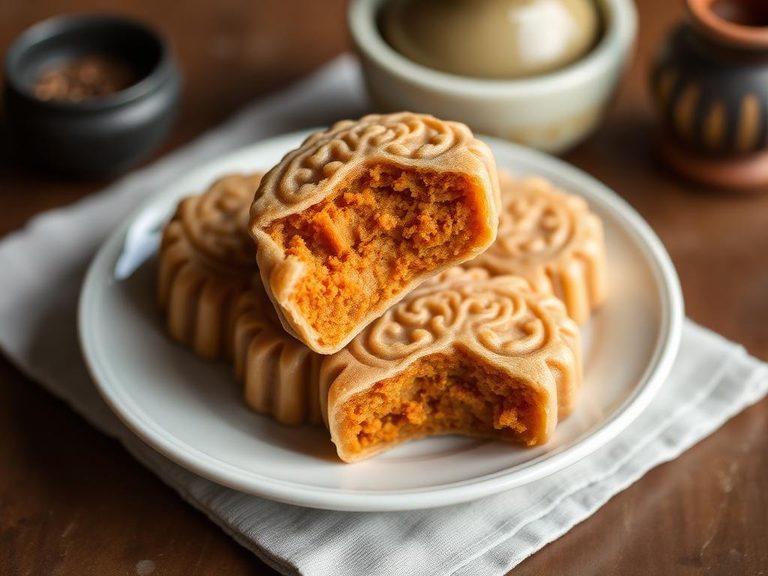
🌍 Where it's eaten
💡 Did you know?
Sweet potato paste is the key filling in the popular Korean snack 'Goguma-ppang,' which is shaped like a sweet potato and has become a viral street food sensation.
Full nutrition (USDA data · scales with serving)
| Water | 23.6 g |
| Energy | 305 kcal |
| Protein | 0.49 g |
| Total lipid (fat) | 0.34 g |
| Carbohydrate, by difference | 75.1 g |
| Fiber, total dietary | 0.90 g |
| Total Sugars | 71.8 g |
| Calcium, Ca | 8.0 mg |
| Iron, Fe | 0.16 mg |
| Magnesium, Mg | 6.0 mg |
| Phosphorus, P | 12.0 mg |
| Potassium, K | 153 mg |
| Sodium, Na | 1.0 mg |
| Zinc, Zn | 0.11 mg |
| Copper, Cu | 0.06 mg |
| Selenium, Se | 0.40 ug |
| Vitamin C, total ascorbic acid | 3.9 mg |
| Thiamin | 0.01 mg |
| Riboflavin | 0.03 mg |
| Niacin | 0.13 mg |
| Vitamin B-6 | 0.04 mg |
| Folate, total | 3.0 ug |
| Folic acid | 0.00 ug |
| Folate, food | 3.0 ug |
| Folate, DFE | 3.0 ug |
| Choline, total | 3.8 mg |
| Vitamin B-12 | 0.00 ug |
| Vitamin B-12, added | 0.00 ug |
| Vitamin A, RAE | 210 ug |
| Retinol | 0.00 ug |
| Carotene, beta | 2526 ug |
| Carotene, alpha | 2.0 ug |
| Cryptoxanthin, beta | 0.00 ug |
| Lycopene | 0.00 ug |
| Lutein + zeaxanthin | 0.00 ug |
| Vitamin E (alpha-tocopherol) | 0.08 mg |
| Vitamin E, added | 0.00 mg |
| Vitamin D (D2 + D3) | 0.00 ug |
| Vitamin K (phylloquinone) | 0.10 ug |
| Alcohol, ethyl | 0.00 g |
| Caffeine | 0.00 mg |
| Theobromine | 0.00 mg |
Fat & fatty acid profile (per 100g)
| Fatty acids, total saturated | 0.01 g |
| SFA 4:0 | 0.00 g |
| SFA 6:0 | 0.00 g |
| SFA 8:0 | 0.00 g |
| SFA 10:0 | 0.00 g |
| SFA 12:0 | 0.00 g |
| SFA 14:0 | 0.00 g |
| SFA 16:0 | 0.01 g |
| SFA 18:0 | 0.00 g |
| Fatty acids, total monounsaturated | 0.00 g |
| MUFA 16:1 | 0.00 g |
| MUFA 18:1 | 0.00 g |
| MUFA 20:1 | 0.00 g |
| MUFA 22:1 | 0.00 g |
| Fatty acids, total polyunsaturated | 0.00 g |
| PUFA 18:2 | 0.00 g |
| PUFA 18:3 | 0.00 g |
| PUFA 18:4 | 0.00 g |
| PUFA 20:4 | 0.00 g |
| PUFA 20:5 n-3 (EPA) | 0.00 g |
| PUFA 22:5 n-3 (DPA) | 0.00 g |
| PUFA 22:6 n-3 (DHA) | 0.00 g |
| Cholesterol | 0.00 mg |
Amino acid profile (per 100g)
Estimated from Snacks, sweet potato chips, unsalted — USDA does not publish this profile for Sweet potato paste.
| Tryptophan | 0.10 g |
| Threonine | 0.26 g |
| Isoleucine | 0.17 g |
| Leucine | 0.29 g |
| Lysine | 0.20 g |
| Methionine | 0.09 g |
| Cystine | 0.07 g |
| Phenylalanine | 0.28 g |
| Tyrosine | 0.11 g |
| Valine | 0.27 g |
| Arginine | 0.17 g |
| Histidine | 0.10 g |
| Alanine | 0.24 g |
| Aspartic acid | 1.2 g |
| Glutamic acid | 0.48 g |
| Glycine | 0.20 g |
| Proline | 0.16 g |
| Serine | 0.28 g |
FAQ
Is sweet potato paste the same as mashed sweet potatoes?
Not exactly. Sweet potato paste is typically cooked longer to reduce moisture, often with added sugar or oil, resulting in a thicker, denser, and sweeter consistency than simple mashed sweet potatoes.
Can I use sweet potato paste in savory dishes?
Yes, it can be used in savory applications like soups, stews, or as a base for sauces, though it is more commonly associated with sweet preparations due to its natural sweetness.
How should I store sweet potato paste?
Store it in an airtight container in the refrigerator for up to a week, or freeze it for longer storage (up to 3 months). Thaw in the refrigerator before use.
Nutrient density (calculated · NRF9.3)
Nutrient Rich Foods index: beneficial nutrients (protein, fiber, vitamins, minerals) minus saturated fat, added sugar & sodium, per 100 kcal.
NRF9.3 index — Fulgoni, Keast & Drewnowski, 2009. Computed from USDA nutrients.
Weight-loss friendliness (composite index)
Energy density 3.05 kcal/g · 1% calories from protein · 0.9 g fiber · 71.8 g sugar per 100 g.
Composite of energy density (Rolls et al., 1999), protein & fiber satiety, minus sugar. A calculated heuristic — ranks satiety-per-calorie, not a clinical measure.
Dietary load (calculated from USDA values)
Potential renal acid load. Positive = acid-forming, negative = alkaline-forming.
Sodium-to-potassium ratio: 0.01 (lower is better — aim for ≤ 1)
Sodium:potassium per WHO potassium guidance. Computed from USDA nutrients.