

Sunflower seeds, NFS
Common food

Photo: Wikipedia
Sunflower seeds, NFS (not further specified), are the hulled kernels of the sunflower plant's flower head, offering a satisfyingly crunchy, nutty, and slightly sweet flavor with a rich, oily mouthfeel. Nutritionally, they are a powerhouse of healthy fats, providing nearly 50 grams per 100g, alongside a solid 19 grams of plant-based protein. Their high fiber content, at over 11 grams per 100g, makes them exceptionally satiating.
Calorie split: 12% protein · 15% carbs · 72% fat
↓ Full nutrition💚 Why it's loved
People love them for their deeply satisfying crunch and versatile, toasty flavor that pairs well with both sweet and savory profiles. They are a beloved, portable snack and a culinary staple for adding texture and nutrition to countless dishes.
⚠️ Watch-outs & how to enjoy it better
Their high fat and calorie density means portion control is key, as it's easy to overconsume. Some may be roasted in high-sodium oils, so opting for raw or dry-roasted versions is advisable. As a common allergen, they must be avoided by those with seed allergies. To counteract calorie density, measure a single serving (about a small handful) before eating.
Key benefits
- Excellent source of vitamin E, a potent antioxidant.
- Rich in magnesium, supporting muscle and nerve function.
- High in selenium, which is crucial for thyroid health.
- Provides a complete profile of essential amino acids.
- Contains phytosterols that may help manage cholesterol levels.
🍽️ Popular dishes
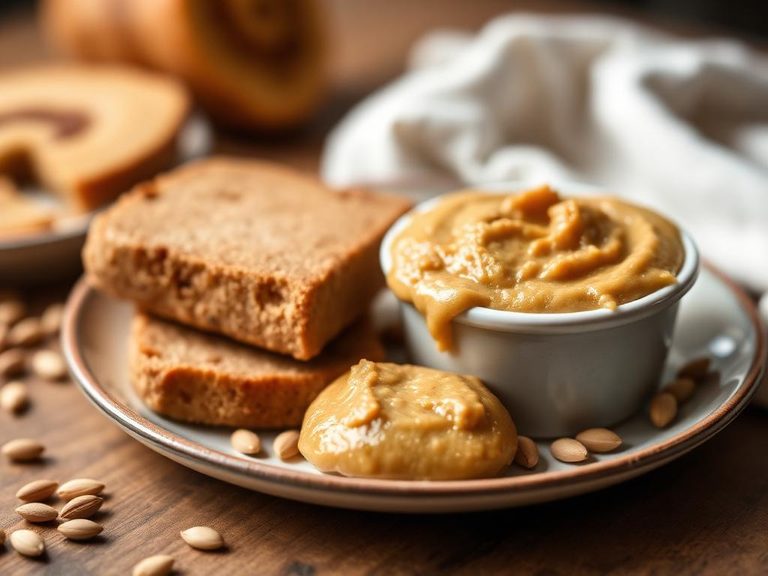
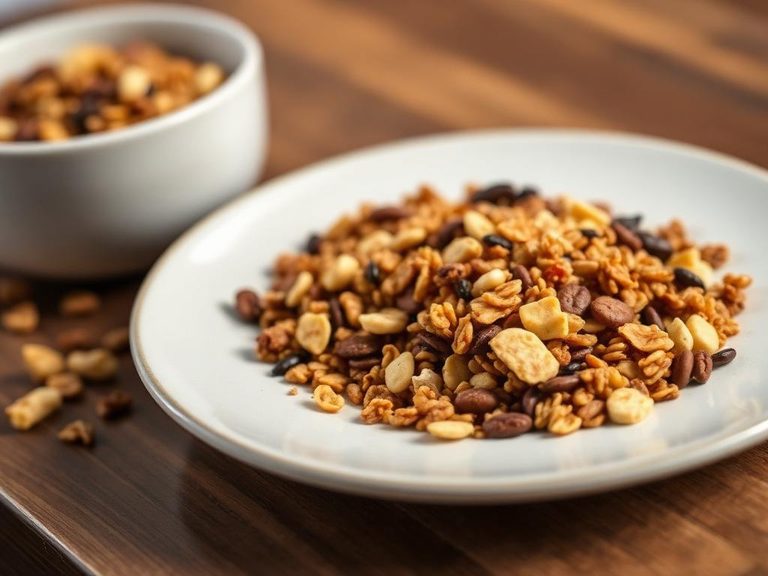
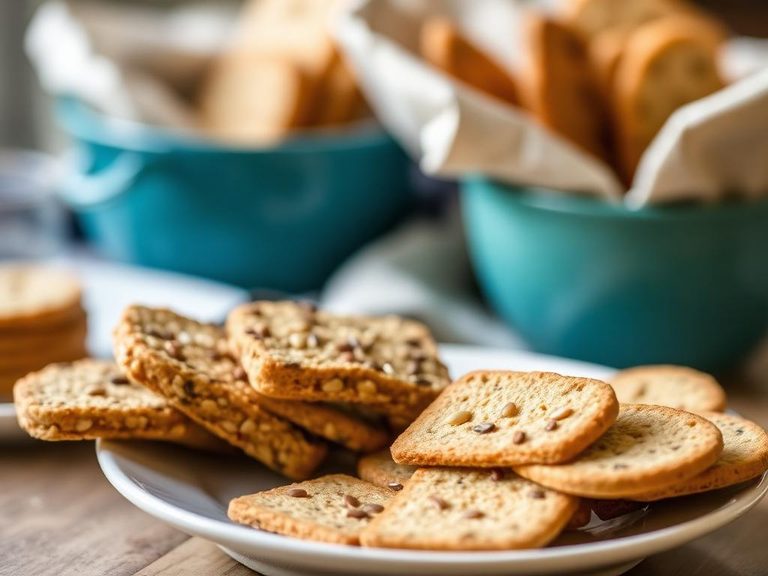
🌍 Where it's eaten
💡 Did you know?
A single sunflower head can contain up to 2,000 individual seeds, arranged in two intersecting spiral patterns that follow the Fibonacci sequence.
Full nutrition (USDA data · scales with serving)
| Water | 1.2 g |
| Energy | 582 kcal |
| Protein | 19.3 g |
| Total lipid (fat) | 49.8 g |
| Carbohydrate, by difference | 24.1 g |
| Fiber, total dietary | 11.1 g |
| Total Sugars | 2.7 g |
| Calcium, Ca | 70.0 mg |
| Iron, Fe | 3.8 mg |
| Magnesium, Mg | 129 mg |
| Phosphorus, P | 1155 mg |
| Potassium, K | 850 mg |
| Sodium, Na | 3.0 mg |
| Zinc, Zn | 5.3 mg |
| Copper, Cu | 1.8 mg |
| Selenium, Se | 79.3 ug |
| Vitamin C, total ascorbic acid | 1.4 mg |
| Thiamin | 0.11 mg |
| Riboflavin | 0.25 mg |
| Niacin | 7.0 mg |
| Vitamin B-6 | 0.80 mg |
| Folate, total | 237 ug |
| Folic acid | 0.00 ug |
| Folate, food | 237 ug |
| Folate, DFE | 237 ug |
| Choline, total | 55.1 mg |
| Vitamin B-12 | 0.00 ug |
| Vitamin B-12, added | 0.00 ug |
| Vitamin A, RAE | 0.00 ug |
| Retinol | 0.00 ug |
| Carotene, beta | 5.0 ug |
| Carotene, alpha | 0.00 ug |
| Cryptoxanthin, beta | 0.00 ug |
| Lycopene | 0.00 ug |
| Lutein + zeaxanthin | 0.00 ug |
| Vitamin E (alpha-tocopherol) | 26.1 mg |
| Vitamin E, added | 0.00 mg |
| Vitamin D (D2 + D3) | 0.00 ug |
| Vitamin K (phylloquinone) | 2.7 ug |
| Alcohol, ethyl | 0.00 g |
| Caffeine | 0.00 mg |
| Theobromine | 0.00 mg |
Fat & fatty acid profile (per 100g)
| Fatty acids, total saturated | 5.2 g |
| SFA 4:0 | 0.00 g |
| SFA 6:0 | 0.00 g |
| SFA 8:0 | 0.00 g |
| SFA 10:0 | 0.00 g |
| SFA 12:0 | 0.00 g |
| SFA 14:0 | 0.05 g |
| SFA 16:0 | 2.8 g |
| SFA 18:0 | 2.2 g |
| Fatty acids, total monounsaturated | 9.5 g |
| MUFA 16:1 | 0.05 g |
| MUFA 18:1 | 9.4 g |
| MUFA 20:1 | 0.05 g |
| MUFA 22:1 | 0.00 g |
| Fatty acids, total polyunsaturated | 32.9 g |
| PUFA 18:2 | 32.8 g |
| PUFA 18:3 | 0.07 g |
| PUFA 18:4 | 0.00 g |
| PUFA 20:4 | 0.00 g |
| PUFA 20:5 n-3 (EPA) | 0.00 g |
| PUFA 22:5 n-3 (DPA) | 0.00 g |
| PUFA 22:6 n-3 (DHA) | 0.00 g |
| Cholesterol | 0.00 mg |
Amino acid profile (per 100g)
Estimated from Seeds, sunflower seed kernels, oil roasted, with salt added — USDA does not publish this profile for Sunflower seeds.
| Tryptophan | 0.31 g |
| Threonine | 0.82 g |
| Isoleucine | 1.0 g |
| Leucine | 1.5 g |
| Lysine | 0.82 g |
| Methionine | 0.43 g |
| Cystine | 0.40 g |
| Phenylalanine | 1.0 g |
| Tyrosine | 0.59 g |
| Valine | 1.2 g |
| Arginine | 2.1 g |
| Histidine | 0.56 g |
| Alanine | 0.98 g |
| Aspartic acid | 2.2 g |
| Glutamic acid | 4.9 g |
| Glycine | 1.3 g |
| Proline | 1.0 g |
| Serine | 0.95 g |
FAQ
What does 'NFS' mean on a nutrition label?
NFS stands for 'Not Further Specified.' It indicates the data is for the general food item (hulled sunflower seeds) without specifying preparation (raw, roasted, salted) or exact variety.
Are sunflower seeds a good source of omega-3 fatty acids?
They are not a significant source of omega-3s (like ALA). Their fat profile is predominantly omega-6 linoleic acid. For a better omega-3 to omega-6 ratio, consider pairing them with foods like flaxseeds or walnuts.
How should I store sunflower seeds to keep them fresh?
Due to their high oil content, they can go rancid. Store shelled seeds in an airtight container in a cool, dark place for short-term use, or in the refrigerator or freezer for several months to maintain freshness and prevent oxidation.
Nutrient density (calculated · NRF9.3)
Nutrient Rich Foods index: beneficial nutrients (protein, fiber, vitamins, minerals) minus saturated fat, added sugar & sodium, per 100 kcal.
NRF9.3 index — Fulgoni, Keast & Drewnowski, 2009. Computed from USDA nutrients.
Weight-loss friendliness (composite index)
Energy density 5.82 kcal/g · 13% calories from protein · 11.1 g fiber · 2.7 g sugar per 100 g.
Composite of energy density (Rolls et al., 1999), protein & fiber satiety, minus sugar. A calculated heuristic — ranks satiety-per-calorie, not a clinical measure.
Dietary load (calculated from USDA values)
Potential renal acid load. Positive = acid-forming, negative = alkaline-forming.
Sodium-to-potassium ratio: 0.00 (lower is better — aim for ≤ 1)
Sodium:potassium per WHO potassium guidance. Computed from USDA nutrients.