

Squirrel
Common food
Squirrel meat is a lean, dark game meat with a texture often compared to rabbit or dark chicken, offering a rich, nutty flavor that deepens with slow cooking. It is exceptionally high in protein while being virtually carb-free, making it a powerhouse for low-carb or ketogenic diets.
Calorie split: 74% protein · 0% carbs · 26% fat
↓ Full nutrition💚 Why it's loved
People cherish squirrel for its deep, savory flavor that stands up to hearty stews and slow braises, and for its cultural connection to rural traditions, hunting, and self-sufficient cooking.
⚠️ Watch-outs & how to enjoy it better
The meat can be tough and sinewy if not cooked properly, requiring long, moist-heat methods like braising or stewing to become tender. As wild game, it should be sourced from healthy animals and cooked thoroughly to ensure safety.
Key benefits
- Extremely high in protein per calorie
- Virtually zero carbohydrates and sugars
- Low in fat, especially saturated fat
- A source of iron and B vitamins
- Sustainable, wild-foraged protein source
🍽️ Popular dishes
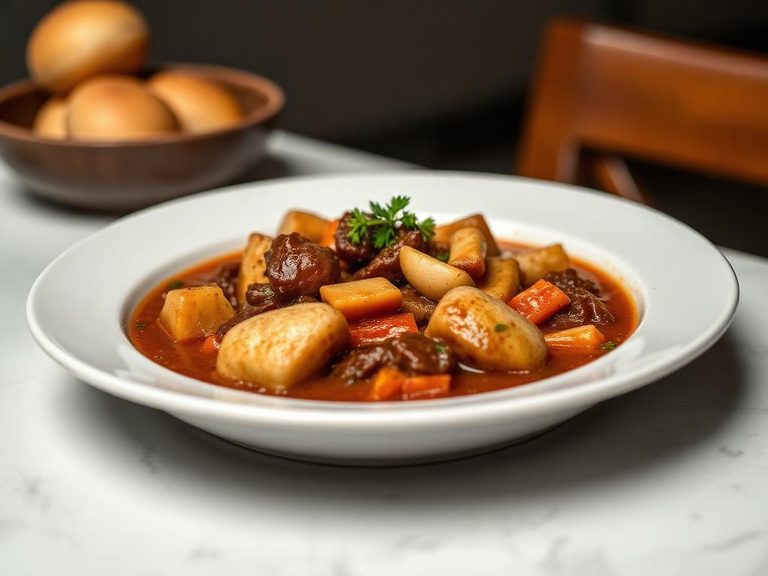
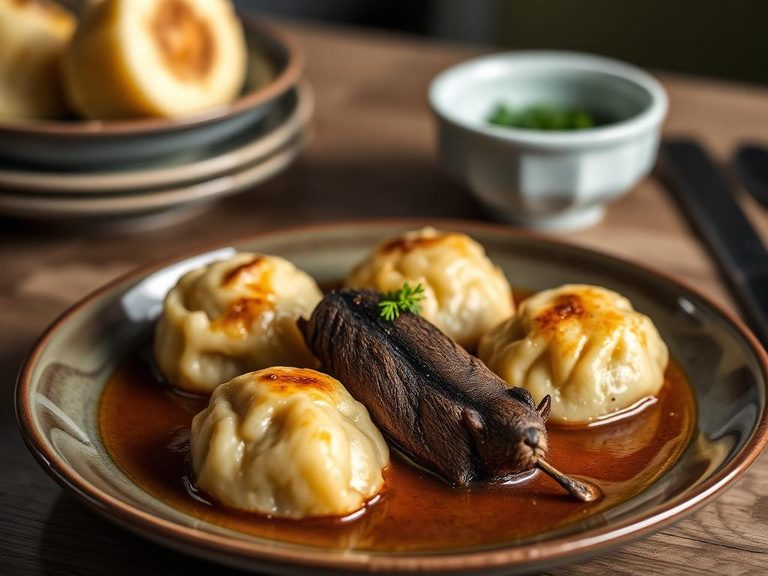
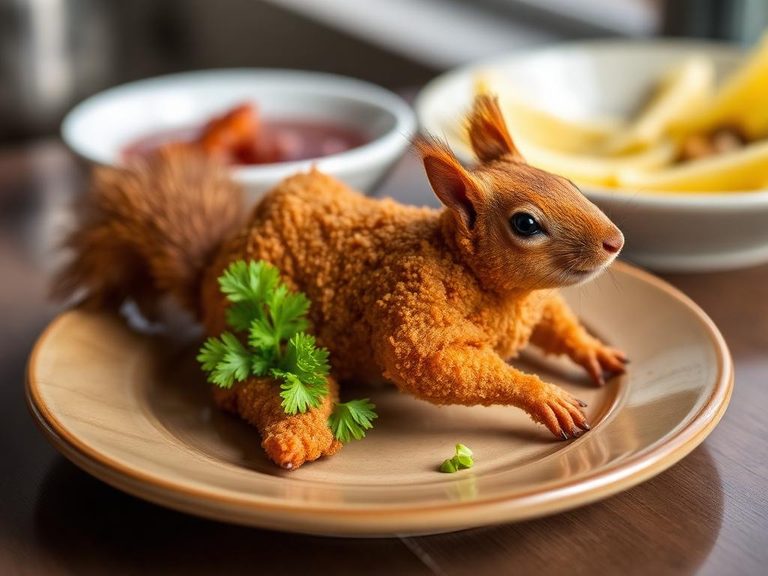
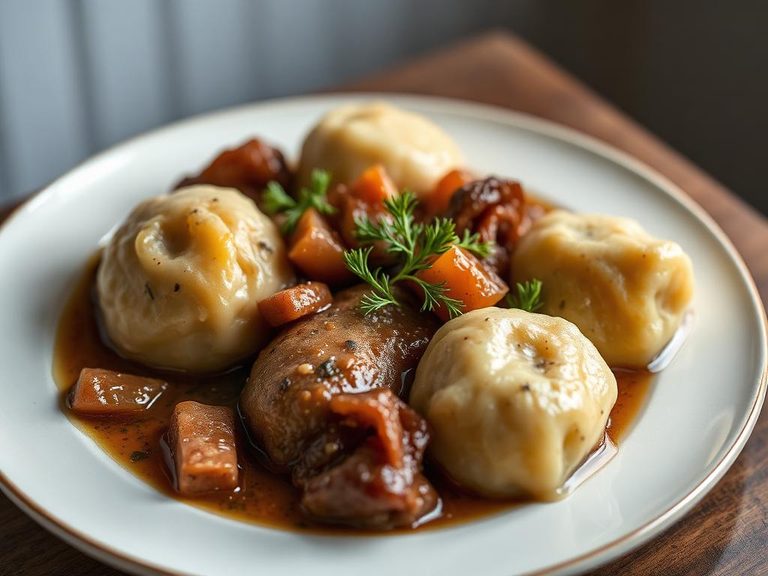
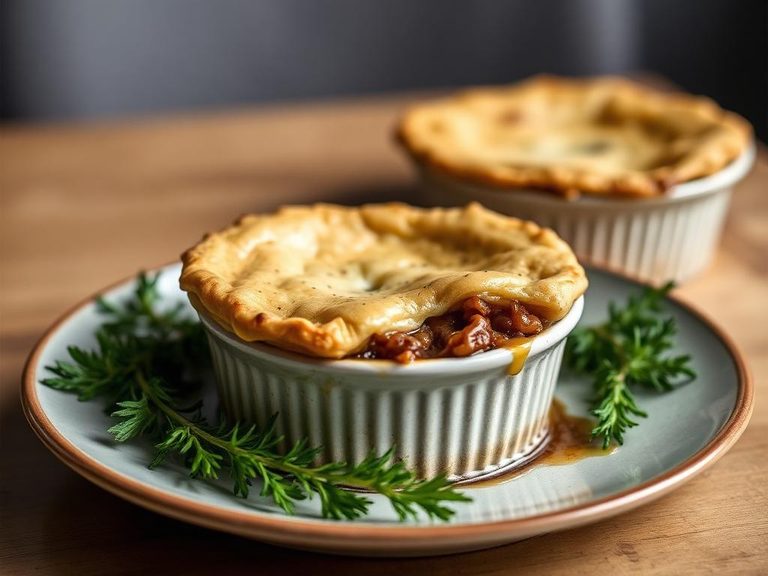
🌍 Where it's eaten
💡 Did you know?
A single adult squirrel can yield about 4 to 6 ounces of usable meat, which is just enough for a rich, small-batch stew for two.
Full nutrition (USDA data · scales with serving)
| Water | 61.6 g |
| Energy | 172 kcal |
| Protein | 30.5 g |
| Total lipid (fat) | 4.7 g |
| Carbohydrate, by difference | 0.00 g |
| Fiber, total dietary | 0.00 g |
| Total Sugars | 0.00 g |
| Calcium, Ca | 3.0 mg |
| Iron, Fe | 6.8 mg |
| Magnesium, Mg | 28.0 mg |
| Phosphorus, P | 209 mg |
| Potassium, K | 349 mg |
| Sodium, Na | 425 mg |
| Zinc, Zn | 1.8 mg |
| Copper, Cu | 0.15 mg |
| Selenium, Se | 15.0 ug |
| Vitamin C, total ascorbic acid | 0.00 mg |
| Thiamin | 0.06 mg |
| Riboflavin | 0.29 mg |
| Niacin | 4.6 mg |
| Vitamin B-6 | 0.37 mg |
| Folate, total | 9.0 ug |
| Folic acid | 0.00 ug |
| Folate, food | 9.0 ug |
| Folate, DFE | 9.0 ug |
| Choline, total | 122 mg |
| Vitamin B-12 | 6.5 ug |
| Vitamin B-12, added | 0.00 ug |
| Vitamin A, RAE | 0.00 ug |
| Retinol | 0.00 ug |
| Carotene, beta | 0.00 ug |
| Carotene, alpha | 0.00 ug |
| Cryptoxanthin, beta | 0.00 ug |
| Lycopene | 0.00 ug |
| Lutein + zeaxanthin | 0.00 ug |
| Vitamin E (alpha-tocopherol) | 0.40 mg |
| Vitamin E, added | 0.00 mg |
| Vitamin D (D2 + D3) | 0.00 ug |
| Vitamin K (phylloquinone) | 1.4 ug |
| Alcohol, ethyl | 0.00 g |
| Caffeine | 0.00 mg |
| Theobromine | 0.00 mg |
Fat & fatty acid profile (per 100g)
| Fatty acids, total saturated | 0.54 g |
| SFA 4:0 | 0.00 g |
| SFA 6:0 | 0.00 g |
| SFA 8:0 | 0.00 g |
| SFA 10:0 | 0.00 g |
| SFA 12:0 | 0.00 g |
| SFA 14:0 | 0.02 g |
| SFA 16:0 | 0.44 g |
| SFA 18:0 | 0.08 g |
| Fatty acids, total monounsaturated | 1.8 g |
| MUFA 16:1 | 0.14 g |
| MUFA 18:1 | 1.6 g |
| MUFA 20:1 | 0.07 g |
| MUFA 22:1 | 0.00 g |
| Fatty acids, total polyunsaturated | 1.7 g |
| PUFA 18:2 | 1.3 g |
| PUFA 18:3 | 0.03 g |
| PUFA 18:4 | 0.00 g |
| PUFA 20:4 | 0.19 g |
| PUFA 20:5 n-3 (EPA) | 0.01 g |
| PUFA 22:5 n-3 (DPA) | 0.01 g |
| PUFA 22:6 n-3 (DHA) | 0.10 g |
| Cholesterol | 120 mg |
Amino acid profile (per 100g)
Estimated from Game meat, squirrel, raw — USDA does not publish this profile for Squirrel.
| Threonine | 0.81 g |
| Isoleucine | 0.81 g |
| Leucine | 1.5 g |
| Lysine | 1.5 g |
| Methionine | 0.47 g |
| Phenylalanine | 0.82 g |
| Tyrosine | 0.64 g |
| Valine | 0.84 g |
| Arginine | 1.1 g |
| Histidine | 0.55 g |
| Alanine | 1.0 g |
| Aspartic acid | 1.7 g |
| Glutamic acid | 2.9 g |
| Glycine | 0.92 g |
| Proline | 0.79 g |
| Serine | 0.70 g |
FAQ
What does squirrel meat taste like?
It has a flavor often described as a cross between rabbit and dark meat chicken, with a distinct, slightly sweet, nutty or earthy undertone from its diet of nuts and tree buds.
How do you cook squirrel to make it tender?
The key is low and slow, moist-heat cooking. Braising, stewing, or pressure cooking for 1-2 hours breaks down the tough connective tissue, resulting in tender, fall-off-the-bone meat.
Is squirrel meat safe to eat?
Yes, when sourced from healthy animals in areas free of contaminants and cooked thoroughly to an internal temperature of 165°F (74°C), like other poultry. It's a traditional food in many cultures.
Nutrient density (calculated · NRF9.3)
Nutrient Rich Foods index: beneficial nutrients (protein, fiber, vitamins, minerals) minus saturated fat, added sugar & sodium, per 100 kcal.
NRF9.3 index — Fulgoni, Keast & Drewnowski, 2009. Computed from USDA nutrients.
Weight-loss friendliness (composite index)
Energy density 1.72 kcal/g · 71% calories from protein · 0.0 g fiber · 0.0 g sugar per 100 g.
Composite of energy density (Rolls et al., 1999), protein & fiber satiety, minus sugar. A calculated heuristic — ranks satiety-per-calorie, not a clinical measure.
Dietary load (calculated from USDA values)
Potential renal acid load. Positive = acid-forming, negative = alkaline-forming.
Sodium-to-potassium ratio: 1.22 (lower is better — aim for ≤ 1)
Sodium:potassium per WHO potassium guidance. Computed from USDA nutrients.