

Game meat, squirrel, raw
Whole food · Lamb, Veal, and Game Products

Photo: Wikipedia
Squirrel meat is a lean, dark game protein with a flavor profile often described as a cross between chicken and rabbit, but with a richer, nuttier undertone. Its texture is fine-grained and tender when cooked properly, though it can become tough if overcooked. Nutritionally, it is exceptionally high in protein while being very low in fat and carbohydrates, making it a nutrient-dense choice for those seeking lean game.
Calorie split: 75% protein · 0% carbs · 25% fat
↓ Full nutrition💚 Why it's loved
People love squirrel for its unique, savory flavor that evokes a sense of tradition and connection to the land, particularly in rural and foraging communities. Its versatility in slow-cooked stews and braises allows it to absorb rich flavors while remaining tender.
⚠️ Watch-outs & how to enjoy it better
The meat can be tough and bony, requiring careful preparation and slow cooking to avoid a chewy texture. It is also a wild game meat, so it must be sourced and handled with caution to avoid parasites or contaminants, and those with a sensitivity to gamey flavors might find it too strong. To counteract toughness, always braise or slow-cook it, and to ensure safety, source from a trusted hunter or supplier and cook to an internal temperature of 165°F (74°C).
Key benefits
- Extremely high protein-to-calorie ratio (21.23g protein per 120 kcal).
- Very low in fat and carbohydrates, suitable for low-carb or ketogenic diets.
- Rich in B vitamins and minerals like iron and zinc, common in game meats.
- A sustainable, foraged protein source with a low environmental footprint.
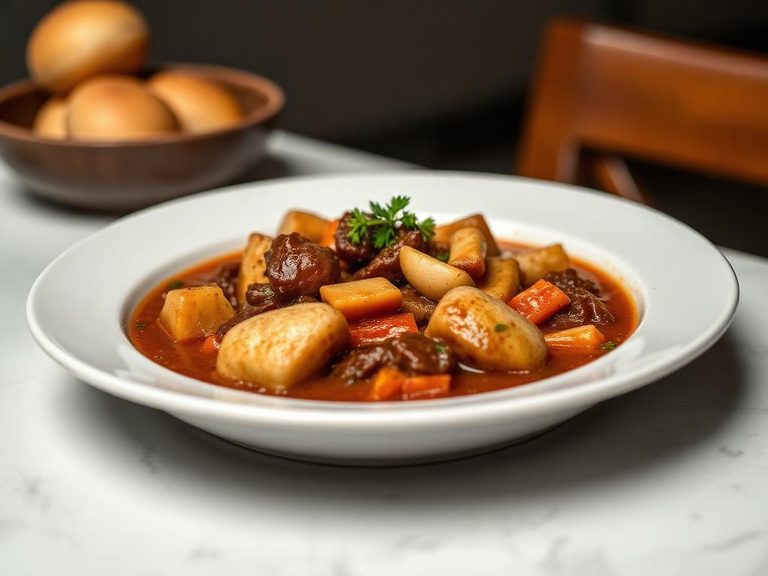
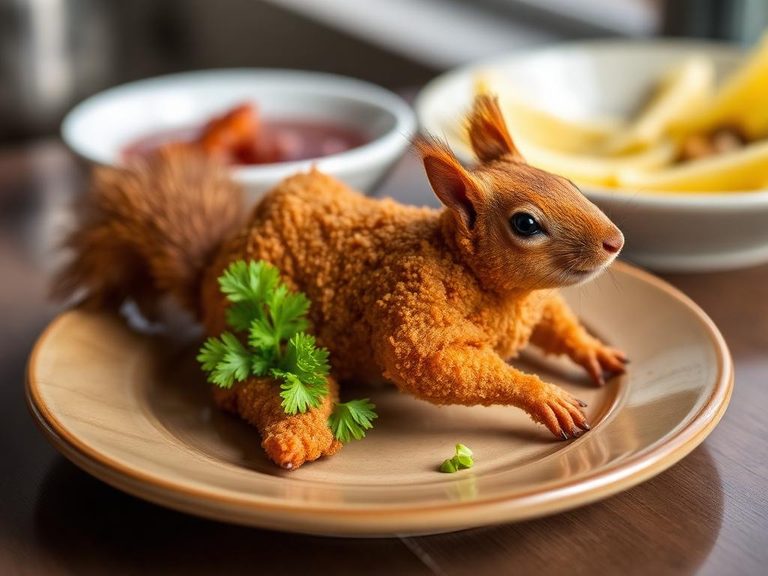
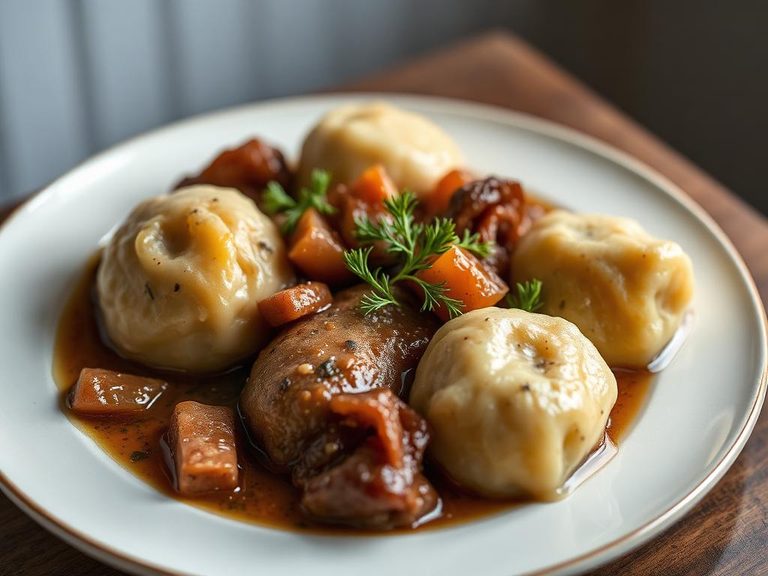
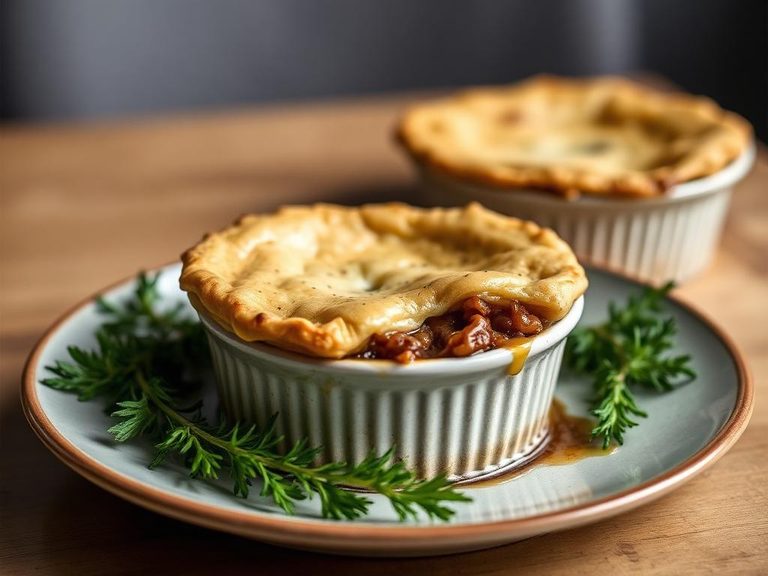
🍽️ Popular dishes
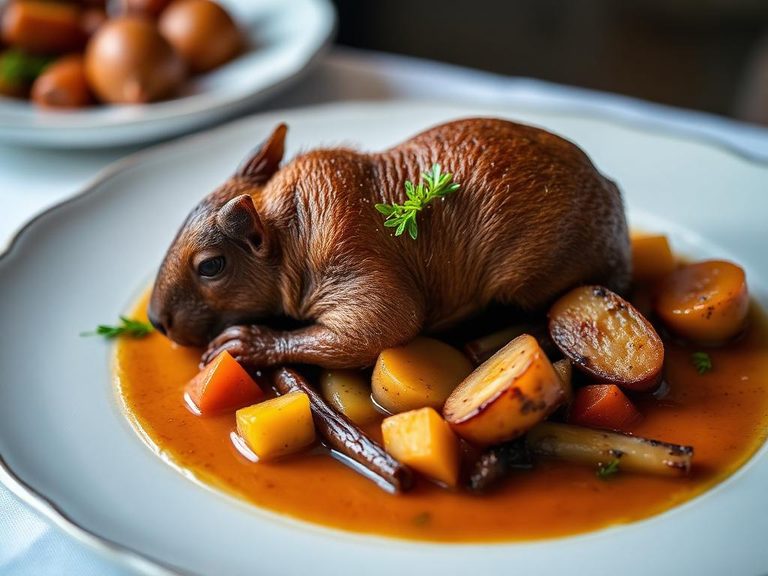
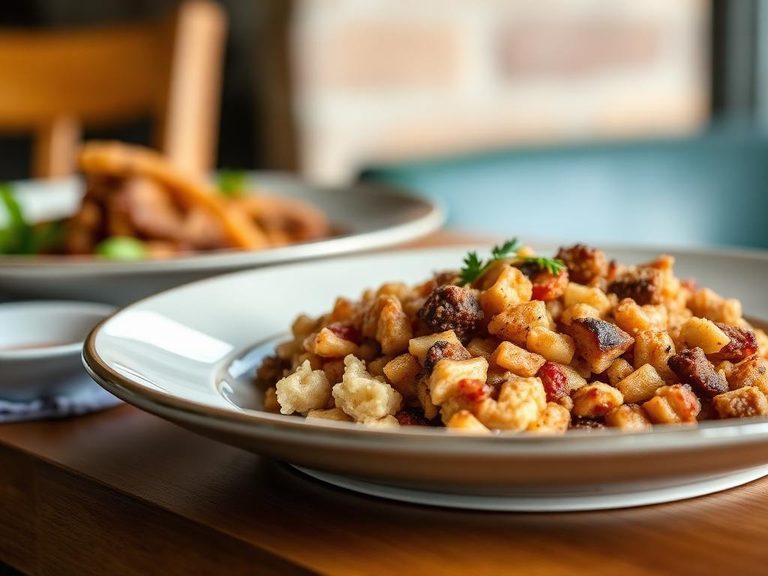
🌍 Where it's eaten
💡 Did you know?
In the early 20th century, squirrel was so commonly eaten in the United States that it was sometimes called 'the other white meat' long before that slogan was used for pork.
Full nutrition (USDA data · scales with serving)
| Water | 73.8 g |
| Energy | 120 kcal |
| Energy | 502 kj |
| Protein | 21.2 g |
| Total lipid (fat) | 3.2 g |
| Ash | 1.2 g |
| Carbohydrate, by difference | 0.00 g |
| Fiber, total dietary | 0.00 g |
| Calcium, Ca | 2.0 mg |
| Iron, Fe | 4.7 mg |
| Magnesium, Mg | 24.0 mg |
| Phosphorus, P | 172 mg |
| Potassium, K | 304 mg |
| Sodium, Na | 103 mg |
| Selenium, Se | 9.3 ug |
| Vitamin C, total ascorbic acid | 0.00 mg |
| Thiamin | 0.07 mg |
| Riboflavin | 0.21 mg |
| Niacin | 4.0 mg |
| Vitamin A, RAE | 0.00 ug |
| Retinol | 0.00 ug |
| Vitamin A, IU | 0.00 iu |
Fat & fatty acid profile (per 100g)
| Fatty acids, total saturated | 0.38 g |
| SFA 14:0 | 0.02 g |
| SFA 16:0 | 0.30 g |
| SFA 18:0 | 0.05 g |
| Fatty acids, total monounsaturated | 1.2 g |
| MUFA 16:1 | 0.10 g |
| MUFA 18:1 | 1.1 g |
| Fatty acids, total polyunsaturated | 0.94 g |
| PUFA 18:2 | 0.92 g |
| PUFA 18:3 | 0.02 g |
| Cholesterol | 83.0 mg |
Amino acid profile (per 100g)
| Threonine | 0.81 g |
| Isoleucine | 0.81 g |
| Leucine | 1.5 g |
| Lysine | 1.5 g |
| Methionine | 0.47 g |
| Phenylalanine | 0.82 g |
| Tyrosine | 0.64 g |
| Valine | 0.84 g |
| Arginine | 1.1 g |
| Histidine | 0.55 g |
| Alanine | 1.0 g |
| Aspartic acid | 1.7 g |
| Glutamic acid | 2.9 g |
| Glycine | 0.92 g |
| Proline | 0.79 g |
| Serine | 0.70 g |
FAQ
How does squirrel meat taste?
Squirrel meat is often compared to a richer, nuttier version of chicken or rabbit, with a slightly gamey flavor. The taste can vary based on the squirrel's diet and age.
Is squirrel meat safe to eat?
Yes, when properly sourced and cooked. It should be cooked to an internal temperature of 165°F (74°C) to kill any potential parasites or bacteria. Sourcing from a reputable hunter or supplier is recommended.
How do you cook squirrel to make it tender?
Squirrel meat is best when slow-cooked using methods like braising, stewing, or pressure cooking. These methods break down the connective tissue and result in a tender, flavorful dish.
Nutrient density (calculated · NRF9.3)
Nutrient Rich Foods index: beneficial nutrients (protein, fiber, vitamins, minerals) minus saturated fat, added sugar & sodium, per 100 kcal.
NRF9.3 index — Fulgoni, Keast & Drewnowski, 2009. Computed from USDA nutrients.
Weight-loss friendliness (composite index)
Energy density 1.20 kcal/g · 71% calories from protein · 0.0 g fiber · 0.0 g sugar per 100 g.
Composite of energy density (Rolls et al., 1999), protein & fiber satiety, minus sugar. A calculated heuristic — ranks satiety-per-calorie, not a clinical measure.
Dietary load (calculated from USDA values)
Potential renal acid load. Positive = acid-forming, negative = alkaline-forming.
Sodium-to-potassium ratio: 0.34 (lower is better — aim for ≤ 1)
Sodium:potassium per WHO potassium guidance. Computed from USDA nutrients.