

Squirrel, ground, meat (Alaska Native)
Whole food · American Indian/Alaska Native Foods

Photo: Wikipedia
Ground squirrel meat is a lean, wild-harvested protein staple in Alaska Native cuisine, prized for its dense, dark texture and a flavor often described as a rich, slightly gamey cross between rabbit and dark-meat poultry. Nutritionally, it is exceptionally high in protein (19.3g per 100g) while being virtually fat-free (3.8g) and carb-free, making it a powerhouse for sustained energy.
Calorie split: 69% protein · 0% carbs · 31% fat
↓ Full nutrition💚 Why it's loved
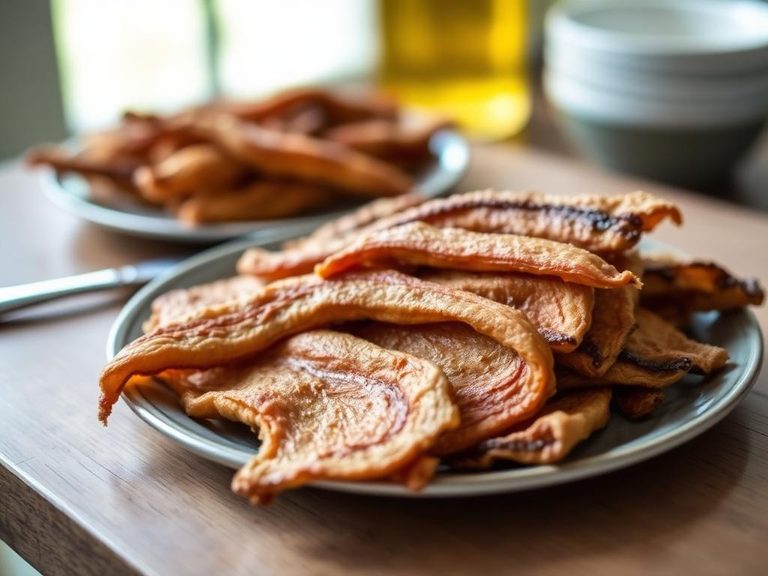
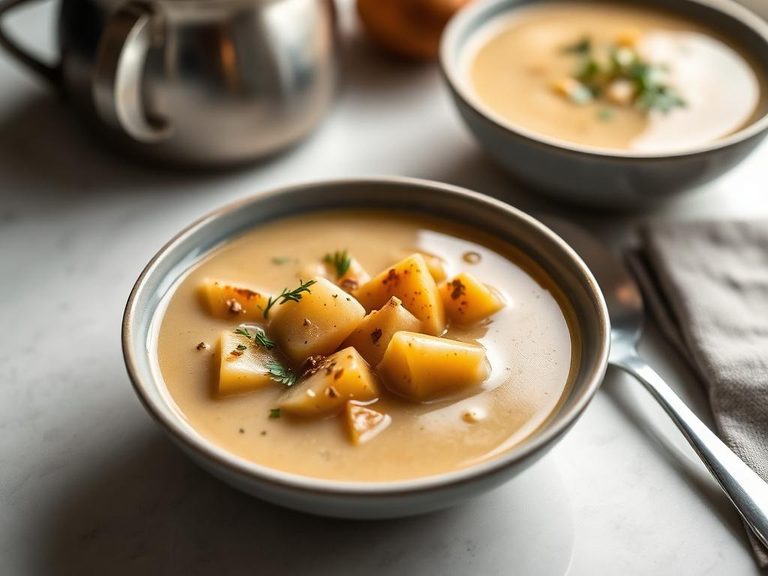
It is deeply valued for its connection to subsistence traditions and its robust, savory flavor that holds up well in hearty stews and dried preparations. Its versatility allows it to be used in everything from boiled soups to dried meat snacks.
⚠️ Watch-outs & how to enjoy it better
As a wild game, it can have a strong, unfamiliar flavor for some palates and requires proper handling and cooking to ensure safety. Those new to it should start with well-seasoned, slow-cooked dishes to mellow the gaminess.
Key benefits
- Exceptionally high protein-to-fat ratio
- Zero carbohydrates, ideal for low-carb diets
- Source of iron and B vitamins from a wild diet
- Sustainable, lean protein from traditional foraging
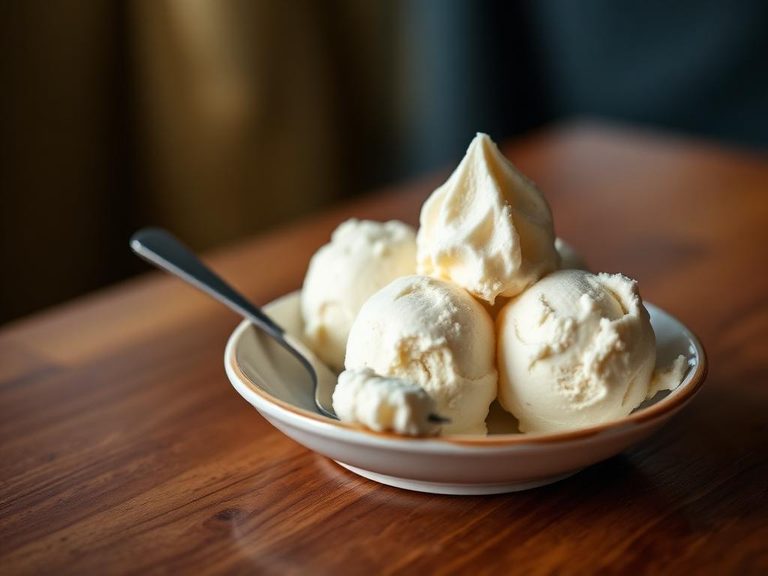
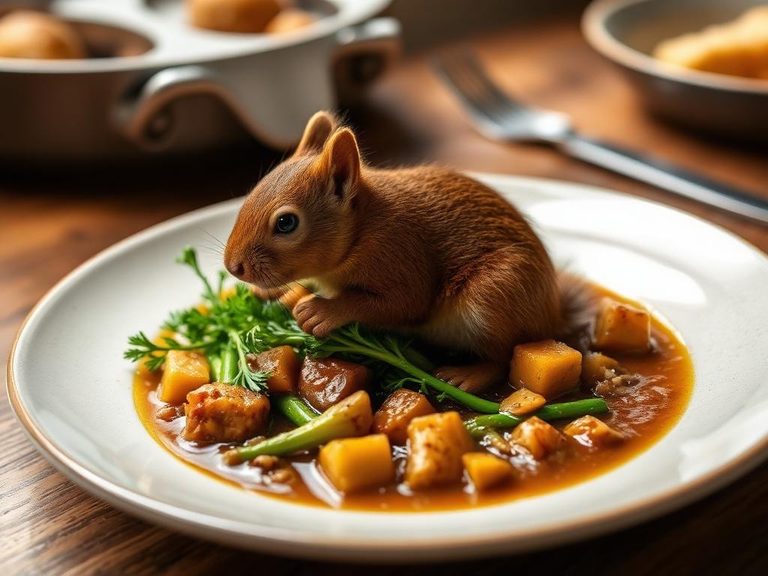
🍽️ Popular dishes
🌍 Where it's eaten
💡 Did you know?
In some Alaska Native communities, squirrel is one of the first wild meats introduced to children, often boiled into a simple, nourishing broth.
Full nutrition (USDA data · scales with serving)
| Water | 75.4 g |
| Energy | 111 kcal |
| Energy | 466 kj |
| Protein | 19.3 g |
| Total lipid (fat) | 3.8 g |
| Ash | 1.5 g |
| Carbohydrate, by difference | 0.00 g |
| Iron, Fe | 4.7 mg |
| Phosphorus, P | 175 mg |
| Vitamin A, IU | 220 iu |
Fat & fatty acid profile (per 100g)
Estimated from Game meat, squirrel, raw — USDA does not publish this profile for Squirrel.
| Fatty acids, total saturated | 0.38 g |
| SFA 14:0 | 0.02 g |
| SFA 16:0 | 0.30 g |
| SFA 18:0 | 0.05 g |
| Fatty acids, total monounsaturated | 1.2 g |
| MUFA 16:1 | 0.10 g |
| MUFA 18:1 | 1.1 g |
| Fatty acids, total polyunsaturated | 0.94 g |
| PUFA 18:2 | 0.92 g |
| PUFA 18:3 | 0.02 g |
| Cholesterol | 83.0 mg |
Amino acid profile (per 100g)
Estimated from Game meat, squirrel, raw — USDA does not publish this profile for Squirrel.
| Threonine | 0.81 g |
| Isoleucine | 0.81 g |
| Leucine | 1.5 g |
| Lysine | 1.5 g |
| Methionine | 0.47 g |
| Phenylalanine | 0.82 g |
| Tyrosine | 0.64 g |
| Valine | 0.84 g |
| Arginine | 1.1 g |
| Histidine | 0.55 g |
| Alanine | 1.0 g |
| Aspartic acid | 1.7 g |
| Glutamic acid | 2.9 g |
| Glycine | 0.92 g |
| Proline | 0.79 g |
| Serine | 0.70 g |
FAQ
How does ground squirrel taste compared to other game?
It's often compared to rabbit or dark-meat chicken but with a richer, slightly more mineral and gamey flavor due to its wild diet of nuts, berries, and bark.
Is it safe to eat? How is it prepared?
Yes, when properly handled. It must be thoroughly cooked to an internal temperature of 165°F (74°C) to eliminate any potential parasites. Traditional methods include boiling, stewing, or thorough drying and smoking.
Why is it called 'ground' squirrel?
It refers to the species (like the Arctic ground squirrel) that lives in burrows, distinguishing it from tree squirrels. The term 'ground' describes its habitat, not the meat's preparation.
Weight-loss friendliness (composite index)
Energy density 1.11 kcal/g · 70% calories from protein · 0.0 g fiber · 0.0 g sugar per 100 g.
Composite of energy density (Rolls et al., 1999), protein & fiber satiety, minus sugar. A calculated heuristic — ranks satiety-per-calorie, not a clinical measure.