

Squash, winter, hubbard, cooked, boiled, mashed, with salt
Whole food · Vegetables and Vegetable Products

Photo: Wikipedia
Hubbard squash, once cooked and mashed, transforms into a velvety, golden-orange purée with a subtly sweet, nutty flavor reminiscent of roasted chestnuts. Its texture is luxuriously smooth when properly mashed, yet it retains a pleasant, dense body that isn't overly watery. Nutritionally, it's a low-calorie powerhouse, delivering significant fiber and beta-carotene for very few calories.
Calorie split: 17% protein · 74% carbs · 9% fat
↓ Full nutrition💚 Why it's loved
People adore its natural, honeyed sweetness that intensifies with cooking, making it a comforting, versatile canvas for both savory herbs and sweet spices. It's a beloved staple in autumn and winter cuisines, symbolizing harvest and home cooking.
⚠️ Watch-outs & how to enjoy it better
Its high fiber content, while beneficial, can cause digestive discomfort like bloating in some individuals if consumed in large quantities. The mashed version is often prepared with added salt, which can be a concern for those monitoring sodium intake. To counteract, opt for low-sodium preparation and pair with a protein source like lentils or chicken to balance the meal and slow sugar absorption.
Key benefits
- Excellent source of vitamin A (as beta-carotene) for eye and immune health
- High in dietary fiber, promoting digestive regularity and satiply
- Very low in fat and calories, making it a nutrient-dense base for meals
- Contains antioxidants like lutein and zeaxanthin
- Naturally gluten-free and suitable for many dietary restrictions
🍽️ Popular dishes
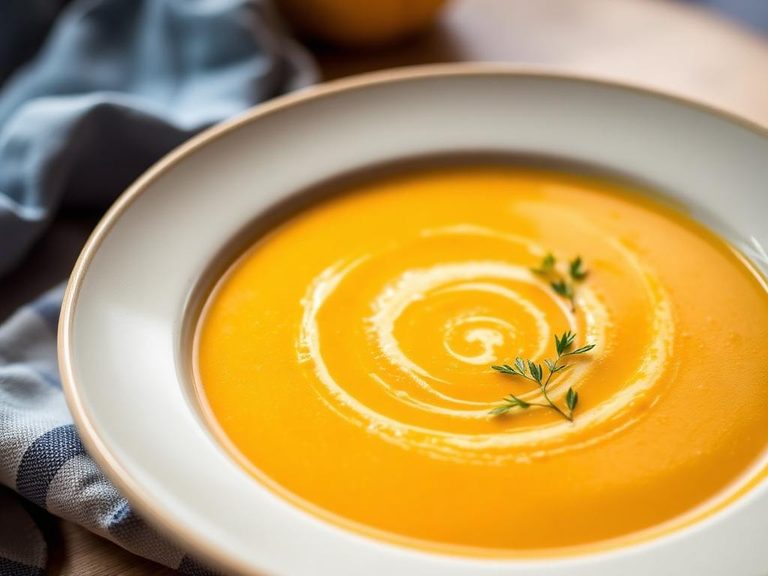
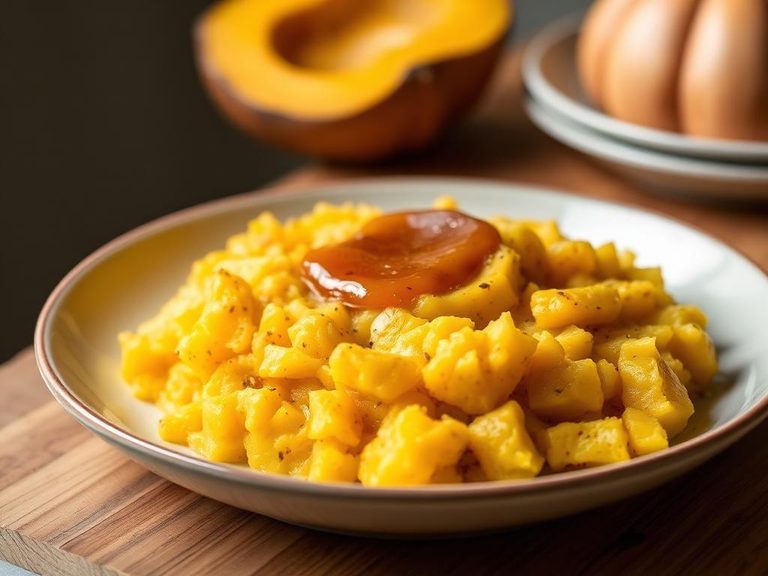
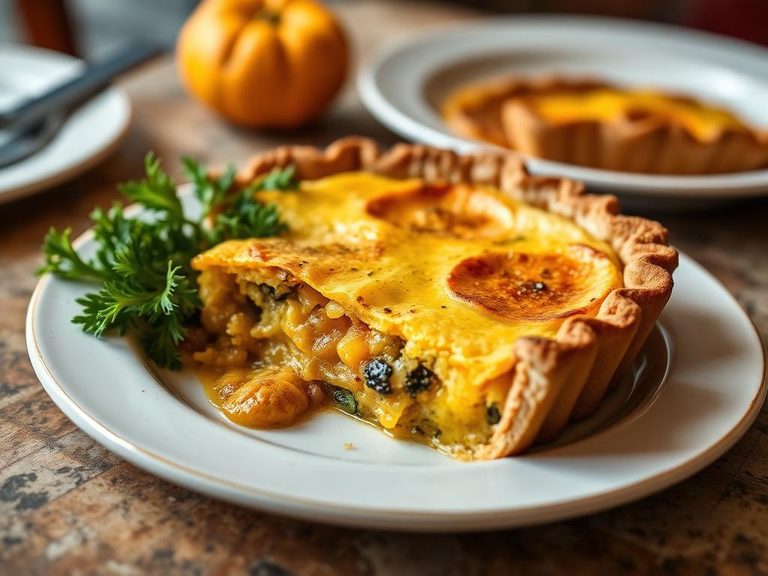
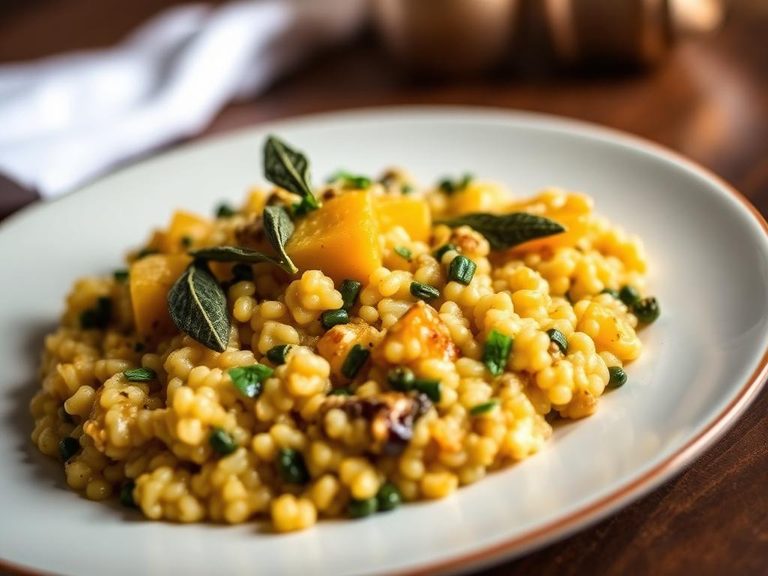
🌍 Where it's eaten
💡 Did you know?
The Hubbard squash is named after an 1840s Boston woman, Elizabeth Hubbard, who popularized the variety after receiving it from a gardener, making it one of the few major squash varieties with a namesake person.
Full nutrition (USDA data · scales with serving)
| Water | 91.1 g |
| Energy | 30.0 kcal |
| Energy | 125 kj |
| Protein | 1.5 g |
| Total lipid (fat) | 0.37 g |
| Ash | 0.59 g |
| Carbohydrate, by difference | 6.5 g |
| Fiber, total dietary | 2.9 g |
| Total Sugars | 2.9 g |
| Calcium, Ca | 10.0 mg |
| Iron, Fe | 0.28 mg |
| Magnesium, Mg | 13.0 mg |
| Phosphorus, P | 14.0 mg |
| Potassium, K | 214 mg |
| Sodium, Na | 241 mg |
| Zinc, Zn | 0.10 mg |
| Copper, Cu | 0.05 mg |
| Manganese, Mn | 0.13 mg |
| Selenium, Se | 0.30 ug |
| Vitamin C, total ascorbic acid | 6.5 mg |
| Thiamin | 0.04 mg |
| Riboflavin | 0.03 mg |
| Niacin | 0.33 mg |
| Pantothenic acid | 0.30 mg |
| Vitamin B-6 | 0.10 mg |
| Folate, total | 10.0 ug |
| Folic acid | 0.00 ug |
| Folate, food | 10.0 ug |
| Folate, DFE | 10.0 ug |
| Choline, total | 8.7 mg |
| Vitamin B-12 | 0.00 ug |
| Vitamin B-12, added | 0.00 ug |
| Vitamin A, RAE | 200 ug |
| Retinol | 0.00 ug |
| Carotene, beta | 2139 ug |
| Carotene, alpha | 529 ug |
| Cryptoxanthin, beta | 0.00 ug |
| Vitamin A, IU | 4005 iu |
| Lycopene | 0.00 ug |
| Lutein + zeaxanthin | 0.00 ug |
| Vitamin E (alpha-tocopherol) | 0.12 mg |
| Vitamin E, added | 0.00 mg |
| Vitamin D (D2 + D3), International Units | 0.00 iu |
| Vitamin D (D2 + D3) | 0.00 ug |
| Vitamin K (phylloquinone) | 1.0 ug |
| Alcohol, ethyl | 0.00 g |
| Caffeine | 0.00 mg |
| Theobromine | 0.00 mg |
Fat & fatty acid profile (per 100g)
| Fatty acids, total saturated | 0.08 g |
| SFA 12:0 | 0.00 g |
| SFA 14:0 | 0.00 g |
| SFA 16:0 | 0.07 g |
| SFA 18:0 | 0.01 g |
| Fatty acids, total monounsaturated | 0.03 g |
| MUFA 16:1 | 0.00 g |
| MUFA 18:1 | 0.03 g |
| Fatty acids, total polyunsaturated | 0.16 g |
| PUFA 18:2 | 0.06 g |
| PUFA 18:3 | 0.10 g |
| Fatty acids, total trans | 0.00 g |
| Cholesterol | 0.00 mg |
Amino acid profile (per 100g)
| Tryptophan | 0.02 g |
| Threonine | 0.04 g |
| Isoleucine | 0.06 g |
| Leucine | 0.08 g |
| Lysine | 0.06 g |
| Methionine | 0.02 g |
| Cystine | 0.01 g |
| Phenylalanine | 0.06 g |
| Tyrosine | 0.05 g |
| Valine | 0.06 g |
| Arginine | 0.08 g |
| Histidine | 0.03 g |
| Alanine | 0.06 g |
| Aspartic acid | 0.16 g |
| Glutamic acid | 0.26 g |
| Glycine | 0.06 g |
| Proline | 0.05 g |
| Serine | 0.06 g |
FAQ
What's the difference between Hubbard and butternut squash?
Hubbard squash has a bumpy, thick rind and a denser, more fibrous flesh with a nuttier flavor, while butternut squash has a smooth, tan skin, a sweeter, more buttery taste, and a creamier texture when cooked.
Can I freeze mashed Hubbard squash?
Yes, it freezes exceptionally well. Cool it completely, then store in airtight containers or freezer bags for up to 10 months, making it a convenient ready-to-use ingredient.
Why is my mashed Hubbard squash watery?
This often happens if the squash was overripe or if too much water was used during boiling. To fix it, cook the mashed squash in a saucepan over low heat to evaporate excess moisture, or strain it through a fine-mesh sieve before mashing.
Nutrient density (calculated · NRF9.3)
Nutrient Rich Foods index: beneficial nutrients (protein, fiber, vitamins, minerals) minus saturated fat, added sugar & sodium, per 100 kcal.
NRF9.3 index — Fulgoni, Keast & Drewnowski, 2009. Computed from USDA nutrients.
Weight-loss friendliness (composite index)
Energy density 0.30 kcal/g · 20% calories from protein · 2.9 g fiber · 2.9 g sugar per 100 g.
Composite of energy density (Rolls et al., 1999), protein & fiber satiety, minus sugar. A calculated heuristic — ranks satiety-per-calorie, not a clinical measure.
Dietary load (calculated from USDA values)
Potential renal acid load. Positive = acid-forming, negative = alkaline-forming.
Sodium-to-potassium ratio: 1.13 (lower is better — aim for ≤ 1)
Sodium:potassium per WHO potassium guidance. Computed from USDA nutrients.