

Safflower oil
Common food

Photo: Wikipedia
Safflower oil is a light, neutral-flavored oil extracted from the seeds of the safflower plant, prized for its high smoke point and clean taste. It's a nearly pure fat source, containing 100g of fat per 100g, with a high proportion of polyunsaturated fats, particularly linoleic acid. This makes it a popular, versatile cooking oil in many kitchens.
Calorie split: 0% protein · 0% carbs · 100% fat
↓ Full nutrition💚 Why it's loved
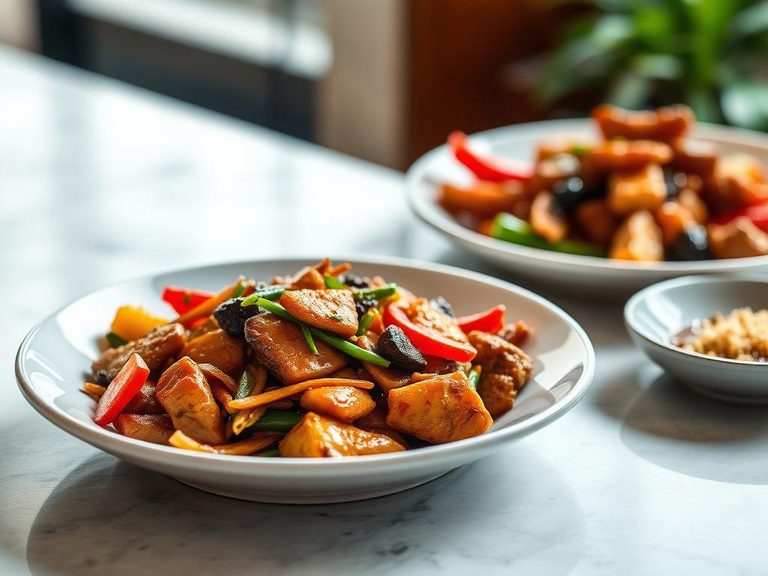
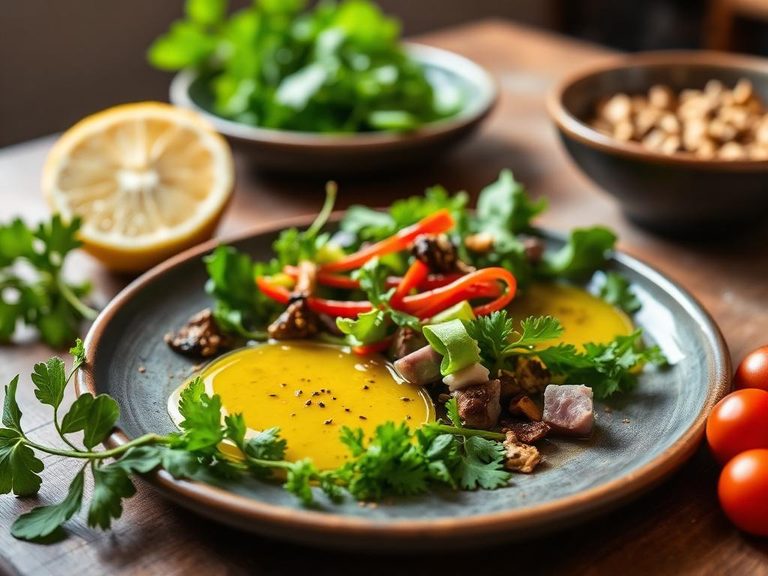
People love safflower oil for its incredibly neutral taste and high heat tolerance, making it a reliable workhorse for everything from stir-fries to baking. Its light texture also makes it a preferred choice for creating smooth, non-greasy dressings and marinades.
⚠️ Watch-outs & how to enjoy it better
The primary concern is its very high omega-6 fatty acid content. An excessive intake of omega-6s relative to omega-3s in the modern diet may promote inflammation. To counteract this, balance your diet with omega-3-rich foods like fatty fish, flaxseeds, or walnuts, and use safflower oil as one part of a varied fat intake.
Key benefits
- High smoke point (around 450°F/232°C), ideal for frying and searing.
- Rich in polyunsaturated fats, specifically omega-6 linoleic acid.
- Neutral flavor profile that doesn't overpower other ingredients.
- Long shelf life when stored properly in a cool, dark place.
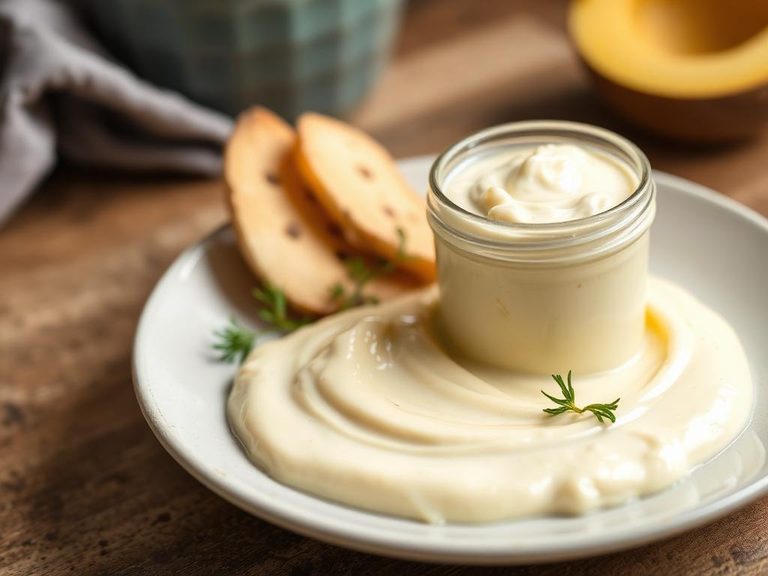
- Often used as a base for salad dressings and mayonnaise.
🍽️ Popular dishes


🌍 Where it's eaten
💡 Did you know?
Safflower is an ancient crop, cultivated for over 4,000 years, originally as a source of red and yellow dyes for textiles and food before its oil became widely prized.
Full nutrition (USDA data · scales with serving)
| Water | 0.00 g |
| Energy | 900 kcal |
| Protein | 0.00 g |
| Total lipid (fat) | 100 g |
| Carbohydrate, by difference | 0.00 g |
| Fiber, total dietary | 0.00 g |
| Total Sugars | 0.00 g |
| Calcium, Ca | 0.00 mg |
| Iron, Fe | 0.00 mg |
| Magnesium, Mg | 0.00 mg |
| Phosphorus, P | 0.00 mg |
| Potassium, K | 0.00 mg |
| Sodium, Na | 0.00 mg |
| Zinc, Zn | 0.00 mg |
| Copper, Cu | 0.00 mg |
| Selenium, Se | 0.00 ug |
| Vitamin C, total ascorbic acid | 0.00 mg |
| Thiamin | 0.00 mg |
| Riboflavin | 0.00 mg |
| Niacin | 0.00 mg |
| Vitamin B-6 | 0.00 mg |
| Folate, total | 0.00 ug |
| Folic acid | 0.00 ug |
| Folate, food | 0.00 ug |
| Folate, DFE | 0.00 ug |
| Choline, total | 0.20 mg |
| Vitamin B-12 | 0.00 ug |
| Vitamin B-12, added | 0.00 ug |
| Vitamin A, RAE | 0.00 ug |
| Retinol | 0.00 ug |
| Carotene, beta | 0.00 ug |
| Carotene, alpha | 0.00 ug |
| Cryptoxanthin, beta | 0.00 ug |
| Lycopene | 0.00 ug |
| Lutein + zeaxanthin | 0.00 ug |
| Vitamin E (alpha-tocopherol) | 46.0 mg |
| Vitamin E, added | 0.00 mg |
| Vitamin D (D2 + D3) | 0.00 ug |
| Vitamin K (phylloquinone) | 5.3 ug |
| Alcohol, ethyl | 0.00 g |
| Caffeine | 0.00 mg |
| Theobromine | 0.00 mg |
Fat & fatty acid profile (per 100g)
| Fatty acids, total saturated | 7.7 g |
| SFA 4:0 | 0.00 g |
| SFA 6:0 | 0.00 g |
| SFA 8:0 | 0.00 g |
| SFA 10:0 | 0.00 g |
| SFA 12:0 | 0.00 g |
| SFA 14:0 | 0.07 g |
| SFA 16:0 | 4.7 g |
| SFA 18:0 | 2.0 g |
| Fatty acids, total monounsaturated | 71.6 g |
| MUFA 16:1 | 0.09 g |
| MUFA 18:1 | 71.0 g |
| MUFA 20:1 | 0.32 g |
| MUFA 22:1 | 0.01 g |
| Fatty acids, total polyunsaturated | 13.8 g |
| PUFA 18:2 | 13.7 g |
| PUFA 18:3 | 0.15 g |
| PUFA 18:4 | 0.00 g |
| PUFA 20:4 | 0.00 g |
| PUFA 20:5 n-3 (EPA) | 0.00 g |
| PUFA 22:5 n-3 (DPA) | 0.00 g |
| PUFA 22:6 n-3 (DHA) | 0.00 g |
| Cholesterol | 0.00 mg |
Amino acid profile (per 100g)
Estimated from Oil, safflower, salad or cooking, high oleic (primary safflower oil of commerce) — USDA does not publish this profile for Safflower oil.
| Tryptophan | 0.00 g |
| Threonine | 0.00 g |
| Isoleucine | 0.00 g |
| Leucine | 0.00 g |
| Lysine | 0.00 g |
| Methionine | 0.00 g |
| Cystine | 0.00 g |
| Phenylalanine | 0.00 g |
| Tyrosine | 0.00 g |
| Valine | 0.00 g |
| Arginine | 0.00 g |
| Histidine | 0.00 g |
| Alanine | 0.00 g |
| Aspartic acid | 0.00 g |
| Glutamic acid | 0.00 g |
| Glycine | 0.00 g |
| Proline | 0.00 g |
| Serine | 0.00 g |
FAQ
What's the difference between high-oleic and regular safflower oil?
Regular safflower oil is high in polyunsaturated fats (omega-6). High-oleic safflower oil is a cultivar bred to be high in monounsaturated fats (like olive oil), making it more stable for high-heat cooking and offering a different fatty acid profile.
Can I use safflower oil for deep frying?
Yes, it's an excellent choice for deep frying due to its high smoke point and neutral flavor. It won't impart a strong taste to the food.
How should I store safflower oil?
Store it in a cool, dark place like a pantry. Once opened, it's best to refrigerate it to slow oxidation and extend its freshness, especially for high-oleic varieties.
Nutrient density (calculated · NRF9.3)
Nutrient Rich Foods index: beneficial nutrients (protein, fiber, vitamins, minerals) minus saturated fat, added sugar & sodium, per 100 kcal.
NRF9.3 index — Fulgoni, Keast & Drewnowski, 2009. Computed from USDA nutrients.
Weight-loss friendliness (composite index)
Energy density 9.00 kcal/g · 0% calories from protein · 0.0 g fiber · 0.0 g sugar per 100 g.
Composite of energy density (Rolls et al., 1999), protein & fiber satiety, minus sugar. A calculated heuristic — ranks satiety-per-calorie, not a clinical measure.
Dietary load (calculated from USDA values)
Potential renal acid load. Positive = acid-forming, negative = alkaline-forming.
Sodium:potassium per WHO potassium guidance. Computed from USDA nutrients.