

Rutabagas, cooked, boiled, drained, without salt
Whole food · Vegetables and Vegetable Products

Photo: Wikipedia
Rutabaga, a cross between a cabbage and a turnip, transforms into a tender, slightly sweet, and earthy vegetable when boiled and drained. Its creamy, golden flesh offers a mild, nutty flavor that's less bitter than its turnip parent, with a texture that's soft yet holds its shape well. At just 30 calories per 100g, it's a nutrient-dense, low-energy food that provides a good source of fiber and natural sugars.
Calorie split: 11% protein · 84% carbs · 5% fat
↓ Full nutrition💚 Why it's loved
People love rutabaga for its unique, sweet-savory flavor that bridges the gap between a carrot and a turnip, making it a versatile side dish or soup ingredient. Its ability to absorb seasonings and pair well with butter, herbs, or meaty flavors makes it a comforting staple in many cold-weather cuisines.
⚠️ Watch-outs & how to enjoy it better
Some find its earthy, slightly sulfurous taste off-putting, especially if overcooked, and its natural sugars can contribute to a noticeable blood-sugar rise for those monitoring glucose levels. To counteract this, pair it with a source of protein or healthy fat (like butter or cheese) to slow sugar absorption, and avoid overboiling to preserve its flavor and texture.
Key benefits
- Low-calorie, high-fiber vegetable that supports digestive health
- Provides a good source of vitamin C and potassium
- Contains glucosinolates, compounds studied for their potential health benefits
- Naturally low in fat and sodium when cooked without added salt
- Offers a satisfying, starchy texture without the high glycemic load of some root vegetables
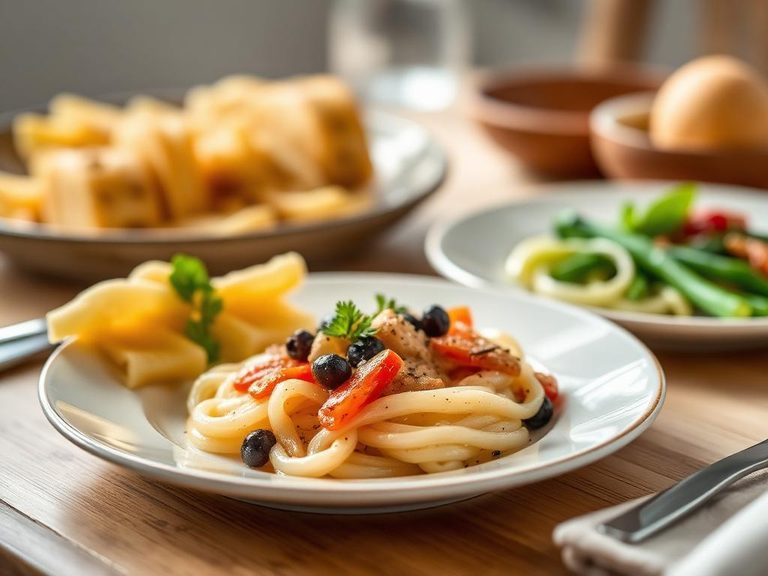
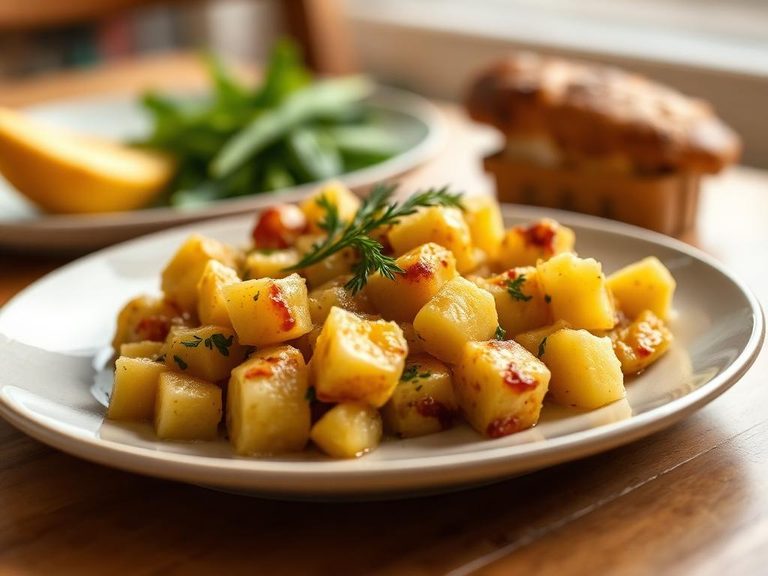
🍽️ Popular dishes
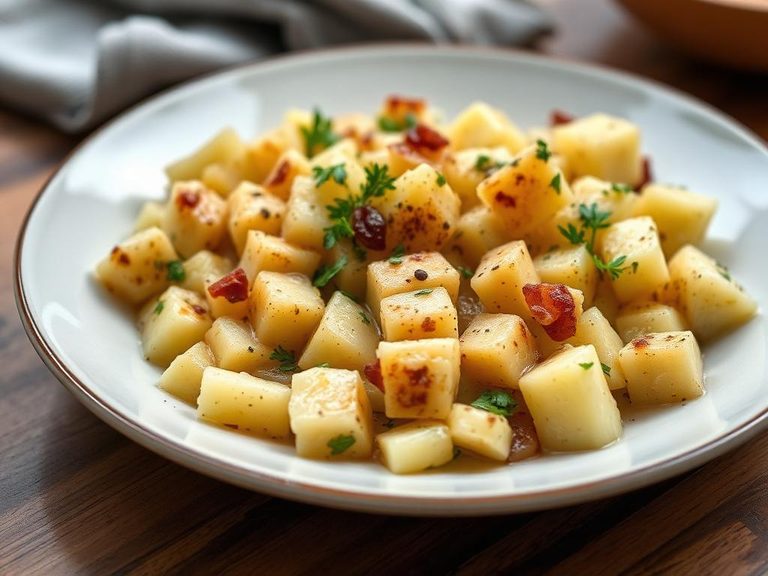
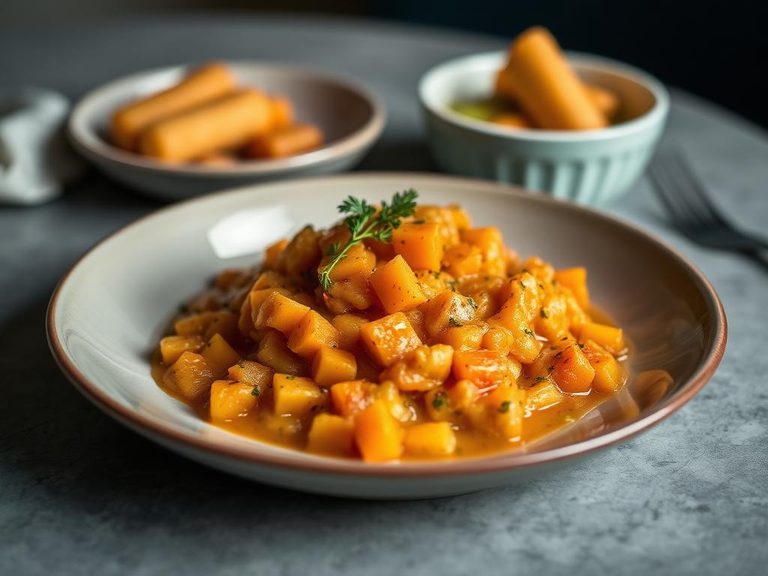
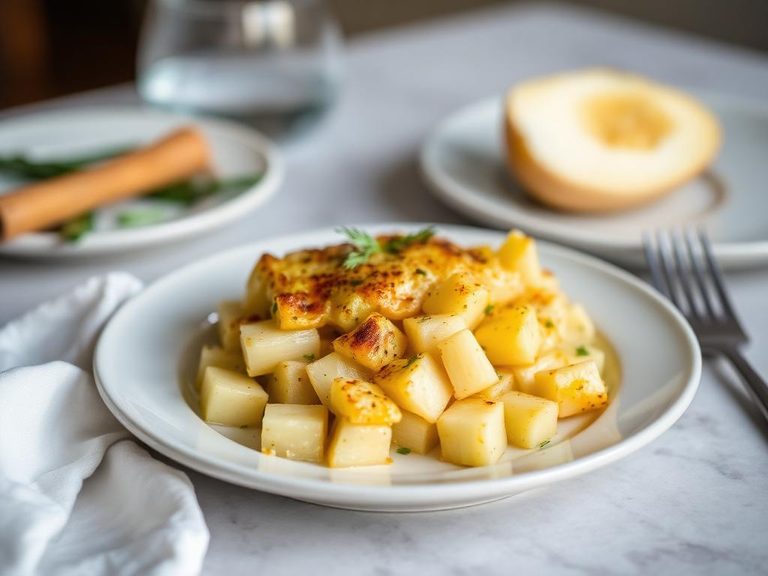
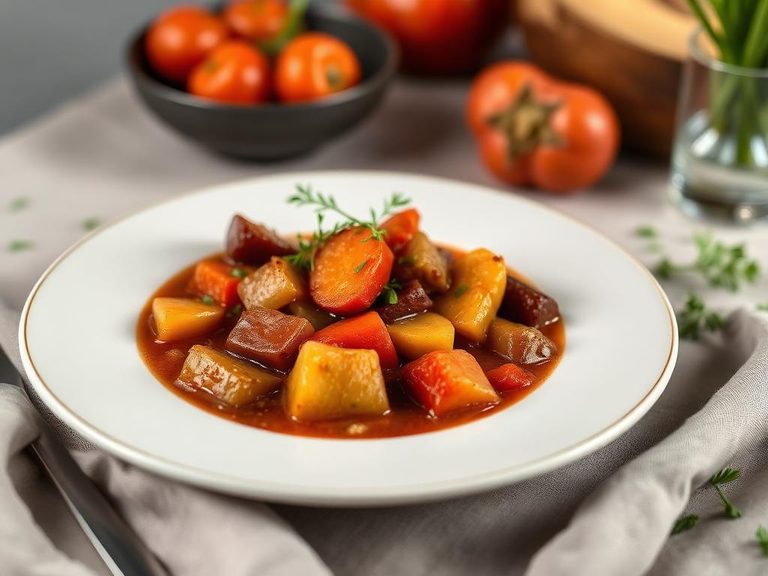
🌍 Where it's eaten
💡 Did you know?
The rutabaga is also known as a 'swede' in the UK and Australia, and its name comes from the Swedish word 'rotabagge,' meaning 'root bag.'
Full nutrition (USDA data · scales with serving)
| Water | 91.5 g |
| Energy | 30.0 kcal |
| Energy | 127 kj |
| Protein | 0.93 g |
| Total lipid (fat) | 0.18 g |
| Ash | 0.51 g |
| Carbohydrate, by difference | 6.8 g |
| Fiber, total dietary | 1.8 g |
| Total Sugars | 4.0 g |
| Sucrose | 0.35 g |
| Glucose | 2.1 g |
| Fructose | 1.5 g |
| Lactose | 0.00 g |
| Maltose | 0.00 g |
| Galactose | 0.00 g |
| Starch | 0.31 g |
| Calcium, Ca | 18.0 mg |
| Iron, Fe | 0.18 mg |
| Magnesium, Mg | 10.0 mg |
| Phosphorus, P | 41.0 mg |
| Potassium, K | 216 mg |
| Sodium, Na | 5.0 mg |
| Zinc, Zn | 0.12 mg |
| Copper, Cu | 0.03 mg |
| Manganese, Mn | 0.10 mg |
| Selenium, Se | 0.70 ug |
| Vitamin C, total ascorbic acid | 18.8 mg |
| Thiamin | 0.08 mg |
| Riboflavin | 0.04 mg |
| Niacin | 0.71 mg |
| Pantothenic acid | 0.15 mg |
| Vitamin B-6 | 0.10 mg |
| Folate, total | 15.0 ug |
| Folic acid | 0.00 ug |
| Folate, food | 15.0 ug |
| Folate, DFE | 15.0 ug |
| Choline, total | 15.2 mg |
| Vitamin B-12 | 0.00 ug |
| Vitamin B-12, added | 0.00 ug |
| Vitamin A, RAE | 0.00 ug |
| Retinol | 0.00 ug |
| Carotene, beta | 1.0 ug |
| Carotene, alpha | 0.00 ug |
| Cryptoxanthin, beta | 0.00 ug |
| Vitamin A, IU | 2.0 iu |
| Lycopene | 10.0 ug |
| Lutein + zeaxanthin | 13.0 ug |
| Vitamin E (alpha-tocopherol) | 0.24 mg |
| Vitamin E, added | 0.00 mg |
| Vitamin D (D2 + D3), International Units | 0.00 iu |
| Vitamin D (D2 + D3) | 0.00 ug |
| Vitamin K (phylloquinone) | 0.20 ug |
| Alcohol, ethyl | 0.00 g |
| Caffeine | 0.00 mg |
| Theobromine | 0.00 mg |
Fat & fatty acid profile (per 100g)
| Fatty acids, total saturated | 0.03 g |
| SFA 4:0 | 0.00 g |
| SFA 6:0 | 0.00 g |
| SFA 8:0 | 0.00 g |
| SFA 10:0 | 0.00 g |
| SFA 12:0 | 0.00 g |
| SFA 14:0 | 0.00 g |
| SFA 16:0 | 0.03 g |
| SFA 18:0 | 0.00 g |
| Fatty acids, total monounsaturated | 0.03 g |
| MUFA 16:1 | 0.00 g |
| MUFA 18:1 | 0.03 g |
| MUFA 20:1 | 0.00 g |
| MUFA 22:1 | 0.00 g |
| Fatty acids, total polyunsaturated | 0.10 g |
| PUFA 18:2 | 0.04 g |
| PUFA 18:3 | 0.06 g |
| PUFA 18:4 | 0.00 g |
| PUFA 20:4 | 0.00 g |
| PUFA 20:5 n-3 (EPA) | 0.00 g |
| PUFA 22:5 n-3 (DPA) | 0.00 g |
| PUFA 22:6 n-3 (DHA) | 0.00 g |
| Fatty acids, total trans | 0.00 g |
| Cholesterol | 0.00 mg |
FAQ
Is rutabaga the same as a turnip?
No, rutabaga (Brassica napus) is a cross between a turnip and a cabbage, with a sweeter, milder flavor and a more yellow-orange flesh compared to the white/purple turnip.
How does boiling affect rutabaga's nutrition?
Boiling can cause some loss of water-soluble vitamins like vitamin C, but it also makes the vegetable easier to digest and can enhance its natural sweetness. To minimize nutrient loss, cook it just until tender and avoid overcooking.
Can I eat rutabaga raw?
Yes, rutabaga can be eaten raw, often shredded into salads or slaws, but it has a firmer, more peppery taste than when cooked. Cooking softens it and brings out its natural sweetness.
Nutrient density (calculated · NRF9.3)
Nutrient Rich Foods index: beneficial nutrients (protein, fiber, vitamins, minerals) minus saturated fat, added sugar & sodium, per 100 kcal.
NRF9.3 index — Fulgoni, Keast & Drewnowski, 2009. Computed from USDA nutrients.
Weight-loss friendliness (composite index)
Energy density 0.30 kcal/g · 12% calories from protein · 1.8 g fiber · 4.0 g sugar per 100 g.
Composite of energy density (Rolls et al., 1999), protein & fiber satiety, minus sugar. A calculated heuristic — ranks satiety-per-calorie, not a clinical measure.
Dietary load (calculated from USDA values)
Potential renal acid load. Positive = acid-forming, negative = alkaline-forming.
Sodium-to-potassium ratio: 0.02 (lower is better — aim for ≤ 1)
Sodium:potassium per WHO potassium guidance. Computed from USDA nutrients.