

Quinoa, NS as to fat
Common food

Photo: Wikipedia
Quinoa is a tiny, bead-like seed from the Andean grain family, known for its distinctive, slightly nutty flavor and a satisfying pop when cooked. Its texture is light and fluffy, yet each grain retains a tender bite. Nutritionally, it's a standout for being a complete protein source, containing all nine essential amino acids, which is rare for a plant food.
Calorie split: 11% protein · 55% carbs · 33% fat
↓ Full nutrition💚 Why it's loved
People love quinoa for its incredible versatility—it absorbs flavors like a sponge and works equally well in savory salads, hearty bowls, or sweet breakfast porridges. Its mild, nutty taste and unique texture make it a satisfying staple in health-conscious and gourmet kitchens alike.
⚠️ Watch-outs & how to enjoy it better
Some find quinoa's natural saponin coating can leave a bitter, soapy taste if not rinsed thoroughly before cooking. For those monitoring blood sugar, its carbohydrate content is notable, though its fiber and protein help moderate the glycemic response. To counteract bitterness, always rinse quinoa in a fine-mesh strainer under cold water for 30 seconds. To manage blood sugar, pair it with non-starchy vegetables, healthy fats, or additional protein.
Key benefits
- Complete plant-based protein source
- High in fiber for digestive health
- Naturally gluten-free grain alternative
- Rich in minerals like magnesium and iron
- Good source of sustained energy from complex carbs
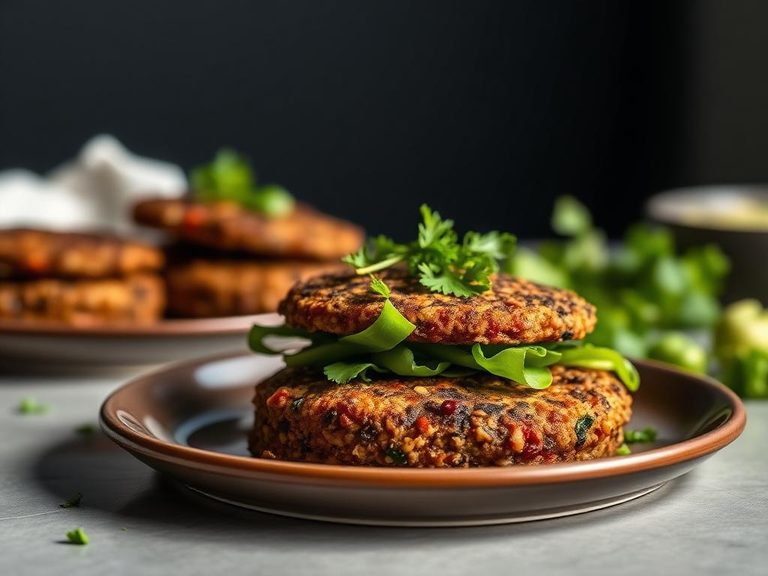
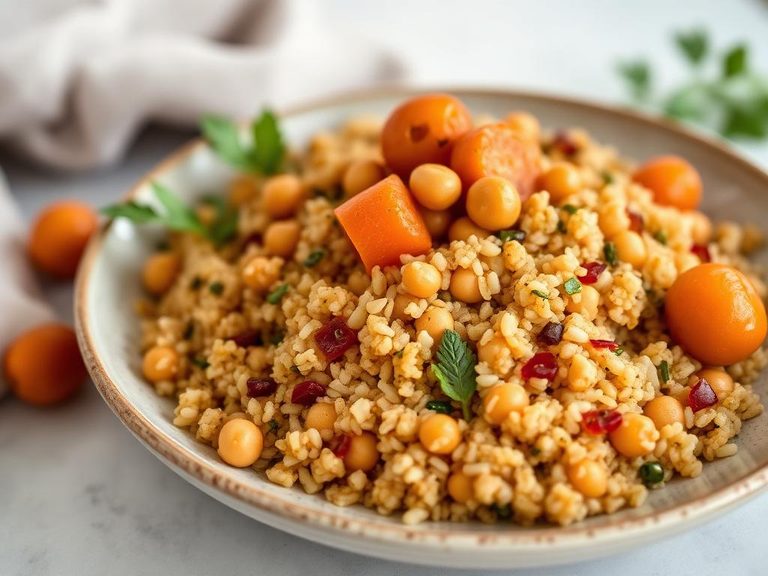
🍽️ Popular dishes
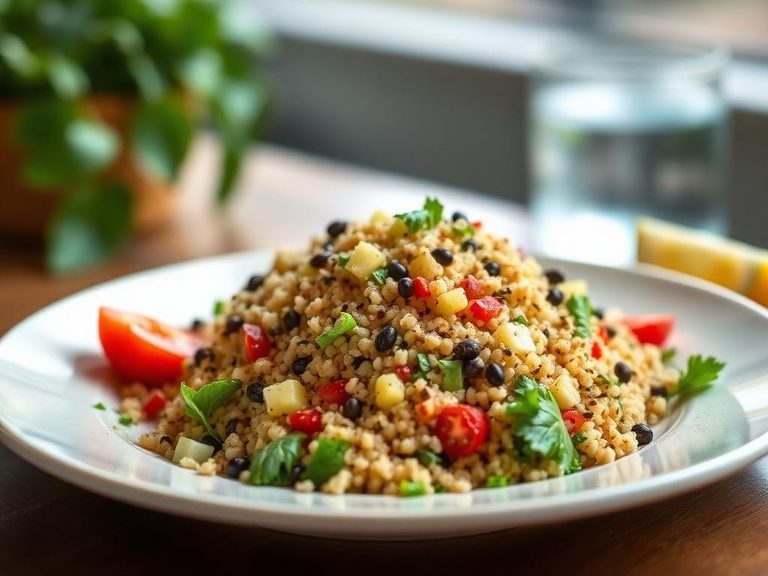
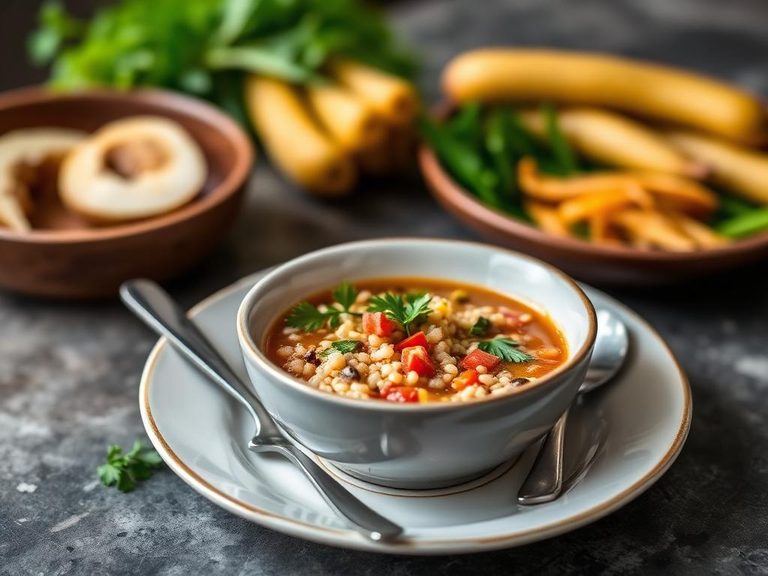
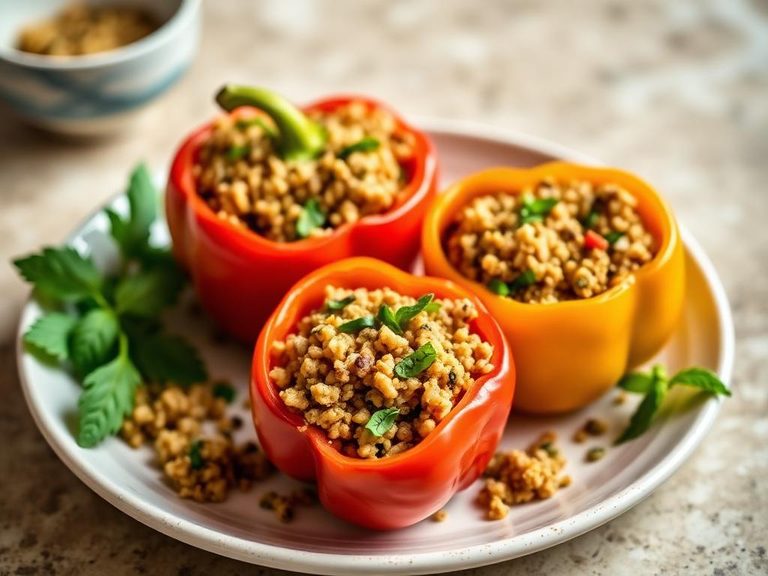
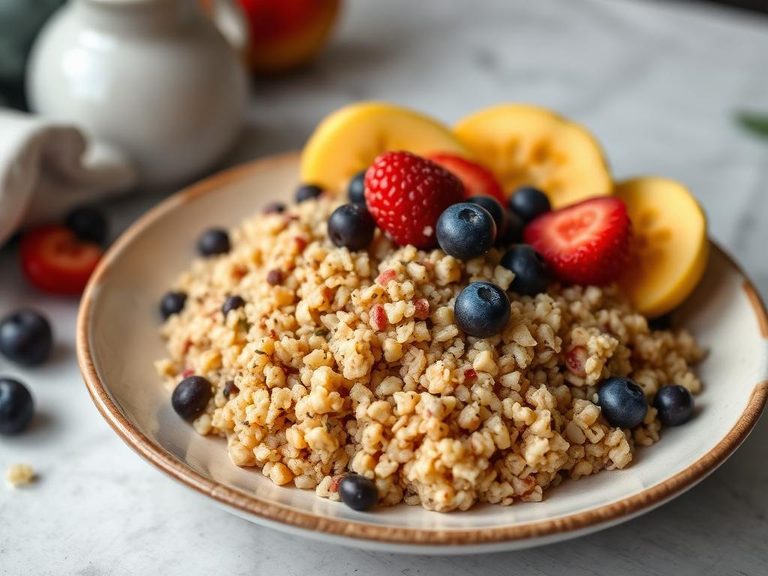
🌍 Where it's eaten
💡 Did you know?
NASA has studied quinoa as a potential crop for long-duration space missions due to its exceptional nutritional profile and relatively easy cultivation.
Full nutrition (USDA data · scales with serving)
| Water | 69.0 g |
| Energy | 146 kcal |
| Protein | 4.2 g |
| Total lipid (fat) | 5.4 g |
| Carbohydrate, by difference | 20.2 g |
| Fiber, total dietary | 2.7 g |
| Total Sugars | 0.84 g |
| Calcium, Ca | 17.0 mg |
| Iron, Fe | 1.4 mg |
| Magnesium, Mg | 61.0 mg |
| Phosphorus, P | 145 mg |
| Potassium, K | 164 mg |
| Sodium, Na | 184 mg |
| Zinc, Zn | 1.0 mg |
| Copper, Cu | 0.18 mg |
| Selenium, Se | 2.7 ug |
| Vitamin C, total ascorbic acid | 0.00 mg |
| Thiamin | 0.10 mg |
| Riboflavin | 0.10 mg |
| Niacin | 0.39 mg |
| Vitamin B-6 | 0.17 mg |
| Folate, total | 40.0 ug |
| Folic acid | 0.00 ug |
| Folate, food | 40.0 ug |
| Folate, DFE | 40.0 ug |
| Choline, total | 22.6 mg |
| Vitamin B-12 | 0.00 ug |
| Vitamin B-12, added | 0.00 ug |
| Vitamin A, RAE | 37.0 ug |
| Retinol | 36.0 ug |
| Carotene, beta | 19.0 ug |
| Carotene, alpha | 0.00 ug |
| Cryptoxanthin, beta | 0.00 ug |
| Lycopene | 0.00 ug |
| Lutein + zeaxanthin | 50.0 ug |
| Vitamin E (alpha-tocopherol) | 0.94 mg |
| Vitamin E, added | 0.00 mg |
| Vitamin D (D2 + D3) | 0.10 ug |
| Vitamin K (phylloquinone) | 2.1 ug |
| Alcohol, ethyl | 0.00 g |
| Caffeine | 0.00 mg |
| Theobromine | 0.00 mg |
Fat & fatty acid profile (per 100g)
| Fatty acids, total saturated | 1.8 g |
| SFA 4:0 | 0.06 g |
| SFA 6:0 | 0.04 g |
| SFA 8:0 | 0.02 g |
| SFA 10:0 | 0.06 g |
| SFA 12:0 | 0.07 g |
| SFA 14:0 | 0.21 g |
| SFA 16:0 | 0.93 g |
| SFA 18:0 | 0.32 g |
| Fatty acids, total monounsaturated | 1.4 g |
| MUFA 16:1 | 0.03 g |
| MUFA 18:1 | 1.3 g |
| MUFA 20:1 | 0.04 g |
| MUFA 22:1 | 0.03 g |
| Fatty acids, total polyunsaturated | 1.6 g |
| PUFA 18:2 | 1.4 g |
| PUFA 18:3 | 0.14 g |
| PUFA 18:4 | 0.00 g |
| PUFA 20:4 | 0.01 g |
| PUFA 20:5 n-3 (EPA) | 0.00 g |
| PUFA 22:5 n-3 (DPA) | 0.00 g |
| PUFA 22:6 n-3 (DHA) | 0.01 g |
| Cholesterol | 7.0 mg |
Amino acid profile (per 100g)
Estimated from Quinoa, uncooked — USDA does not publish this profile for Quinoa.
| Tryptophan | 0.17 g |
| Threonine | 0.42 g |
| Isoleucine | 0.50 g |
| Leucine | 0.84 g |
| Lysine | 0.77 g |
| Methionine | 0.31 g |
| Cystine | 0.20 g |
| Phenylalanine | 0.59 g |
| Tyrosine | 0.27 g |
| Valine | 0.59 g |
| Arginine | 1.1 g |
| Histidine | 0.41 g |
| Alanine | 0.59 g |
| Aspartic acid | 1.1 g |
| Glutamic acid | 1.9 g |
| Glycine | 0.69 g |
| Proline | 0.77 g |
| Serine | 0.57 g |
FAQ
Do I need to rinse quinoa before cooking?
Yes, it's highly recommended. Quinoa seeds have a natural coating called saponin, which can taste bitter. Rinsing under cold water in a fine-mesh strainer for about 30 seconds removes it.
What's the ratio of water to quinoa for cooking?
A standard ratio is 1 part quinoa to 2 parts liquid (water or broth). Bring to a boil, then reduce to a simmer, cover, and cook for about 15 minutes until the liquid is absorbed and the germ ring is visible.
Is quinoa a grain or a seed?
Botanically, quinoa is a seed from a plant related to spinach and beets. However, it's cooked and eaten like a whole grain, which is why it's often called a 'pseudo-cereal.'
Nutrient density (calculated · NRF9.3)
Nutrient Rich Foods index: beneficial nutrients (protein, fiber, vitamins, minerals) minus saturated fat, added sugar & sodium, per 100 kcal.
NRF9.3 index — Fulgoni, Keast & Drewnowski, 2009. Computed from USDA nutrients.
Weight-loss friendliness (composite index)
Energy density 1.46 kcal/g · 12% calories from protein · 2.7 g fiber · 0.8 g sugar per 100 g.
Composite of energy density (Rolls et al., 1999), protein & fiber satiety, minus sugar. A calculated heuristic — ranks satiety-per-calorie, not a clinical measure.
Dietary load (calculated from USDA values)
Potential renal acid load. Positive = acid-forming, negative = alkaline-forming.
Sodium-to-potassium ratio: 1.12 (lower is better — aim for ≤ 1)
Sodium:potassium per WHO potassium guidance. Computed from USDA nutrients.