

Puddings, chocolate, dry mix, instant, prepared with 2% milk
Whole food · Sweets

Photo: Wikipedia
Instant chocolate pudding mix, when prepared with 2% milk, transforms into a smooth, glossy, and richly chocolate-flavored dessert with a classic, slightly gelatinous texture that holds its shape perfectly. It's a nostalgic, comforting treat that delivers a deep cocoa taste and creamy mouthfeel with minimal effort. Nutritionally, it's a moderate-calorie, low-fat option that provides a quick energy boost from its carbohydrate content.
Calorie split: 12% protein · 72% carbs · 16% fat
↓ Full nutrition💚 Why it's loved
People adore it for its foolproof, velvety texture and the intense, comforting chocolate flavor that feels indulgent yet is light enough for everyday. It's a versatile canvas, easily dressed up with toppings or served as a simple, nostalgic snack.
⚠️ Watch-outs & how to enjoy it better
The primary concern is its high glycemic load, which can cause rapid blood-sugar spikes due to refined carbs and added sugars. To counteract this, pair a small portion with a source of protein (like nuts or Greek yogurt) or healthy fat (like a dollop of nut butter) to slow sugar absorption. Those monitoring sodium intake should also check labels, as mixes can contain significant amounts.
Key benefits
- Quick and easy no-cook dessert preparation
- Provides a good source of calcium when made with milk
- Low in fat, especially saturated fat
- Offers a convenient, portion-controlled sweet treat
- Shelf-stable dry mix for long-term pantry storage
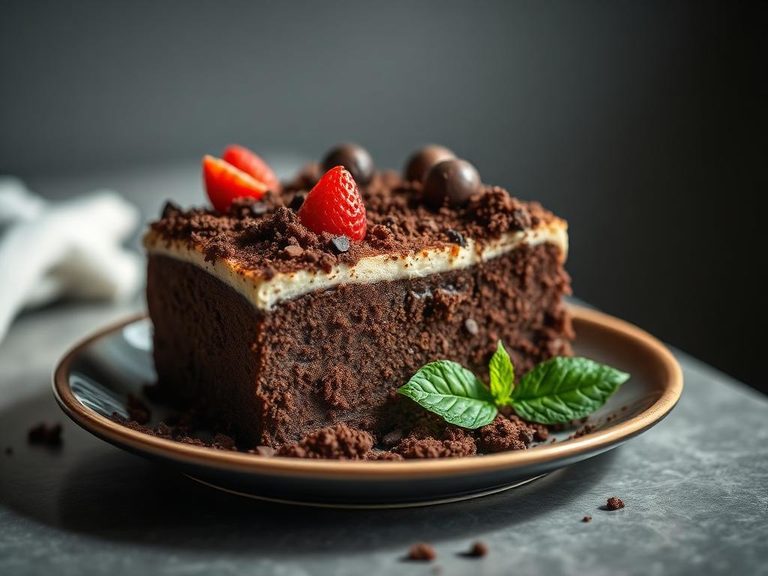
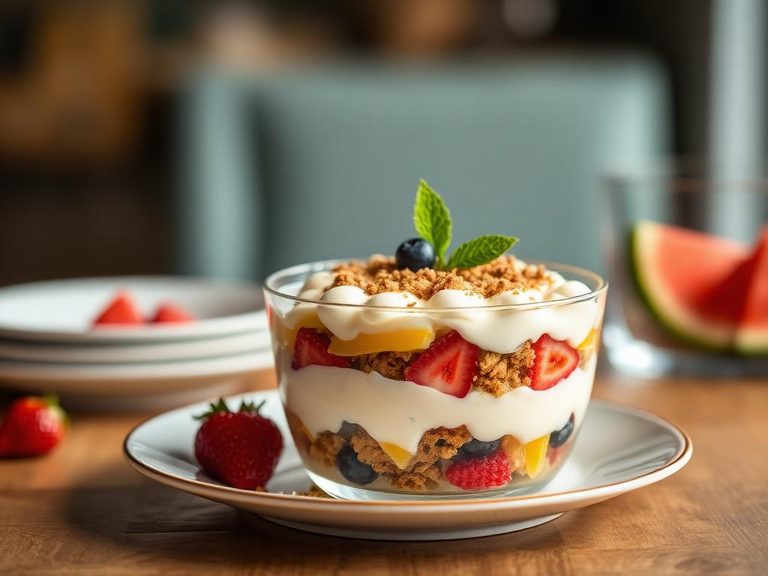
🍽️ Popular dishes



🌍 Where it's eaten
💡 Did you know?
The smooth, jiggly texture of instant pudding comes from modified food starch and a tiny amount of tetrasodium pyrophosphate, which reacts with milk proteins to create a gel network without cooking.
Full nutrition (USDA data · scales with serving)
| Water | 74.6 g |
| Energy | 105 kcal |
| Energy | 441 kj |
| Protein | 3.1 g |
| Total lipid (fat) | 1.9 g |
| Ash | 1.4 g |
| Carbohydrate, by difference | 18.9 g |
| Fiber, total dietary | 0.40 g |
| Calcium, Ca | 104 mg |
| Iron, Fe | 0.40 mg |
| Magnesium, Mg | 19.0 mg |
| Phosphorus, P | 238 mg |
| Potassium, K | 168 mg |
| Sodium, Na | 284 mg |
| Zinc, Zn | 0.43 mg |
| Copper, Cu | 0.07 mg |
| Manganese, Mn | 0.06 mg |
| Selenium, Se | 2.3 ug |
| Vitamin C, total ascorbic acid | 0.80 mg |
| Thiamin | 0.03 mg |
| Riboflavin | 0.15 mg |
| Niacin | 0.11 mg |
| Pantothenic acid | 0.27 mg |
| Vitamin B-6 | 0.04 mg |
| Folate, total | 5.0 ug |
| Folic acid | 0.00 ug |
| Folate, food | 5.0 ug |
| Folate, DFE | 5.0 ug |
| Vitamin B-12 | 0.31 ug |
| Vitamin A, RAE | 46.0 ug |
| Retinol | 46.0 ug |
| Carotene, beta | 10.0 ug |
| Vitamin A, IU | 170 iu |
| Vitamin D (D2 + D3), International Units | 33.0 iu |
| Vitamin D (D2 + D3) | 0.80 ug |
| Alcohol, ethyl | 0.00 g |
| Caffeine | 1.0 mg |
| Theobromine | 39.0 mg |
Fat & fatty acid profile (per 100g)
| Fatty acids, total saturated | 1.1 g |
| SFA 4:0 | 0.05 g |
| SFA 6:0 | 0.03 g |
| SFA 8:0 | 0.02 g |
| SFA 10:0 | 0.04 g |
| SFA 12:0 | 0.04 g |
| SFA 14:0 | 0.16 g |
| SFA 16:0 | 0.47 g |
| SFA 18:0 | 0.25 g |
| Fatty acids, total monounsaturated | 0.56 g |
| MUFA 16:1 | 0.04 g |
| MUFA 18:1 | 0.52 g |
| MUFA 20:1 | 0.00 g |
| MUFA 22:1 | 0.00 g |
| Fatty acids, total polyunsaturated | 0.13 g |
| PUFA 18:2 | 0.10 g |
| PUFA 18:3 | 0.03 g |
| PUFA 18:4 | 0.00 g |
| PUFA 20:4 | 0.00 g |
| PUFA 20:5 n-3 (EPA) | 0.00 g |
| PUFA 22:5 n-3 (DPA) | 0.00 g |
| PUFA 22:6 n-3 (DHA) | 0.00 g |
| Cholesterol | 6.0 mg |
Amino acid profile (per 100g)
| Tryptophan | 0.04 g |
| Threonine | 0.14 g |
| Isoleucine | 0.18 g |
| Leucine | 0.29 g |
| Lysine | 0.24 g |
| Methionine | 0.07 g |
| Cystine | 0.03 g |
| Phenylalanine | 0.15 g |
| Tyrosine | 0.15 g |
| Valine | 0.21 g |
| Arginine | 0.12 g |
| Histidine | 0.08 g |
| Alanine | 0.11 g |
| Aspartic acid | 0.25 g |
| Glutamic acid | 0.64 g |
| Glycine | 0.07 g |
| Proline | 0.29 g |
| Serine | 0.17 g |
FAQ
Can I use a milk alternative like almond or oat milk?
Yes, but the pudding may not set as firmly or have the same creamy texture. For best results, use a fortified, unsweetened milk alternative that contains added protein or carrageenan, and follow package instructions carefully.
Why is my pudding runny?
Common reasons include not whisking long enough (usually 2 minutes), using a non-dairy milk, or not allowing it to chill for the full recommended time (typically 5-10 minutes in the fridge). Ensure you use cold milk and a proper ratio.
Is the dry mix gluten-free?
It depends entirely on the brand and specific product. Always check the label for allergen statements, as some mixes may be processed on shared equipment or contain wheat-based thickeners.
Nutrient density (calculated · NRF9.3)
Nutrient Rich Foods index: beneficial nutrients (protein, fiber, vitamins, minerals) minus saturated fat, added sugar & sodium, per 100 kcal.
NRF9.3 index — Fulgoni, Keast & Drewnowski, 2009. Computed from USDA nutrients.
Weight-loss friendliness (composite index)
Energy density 1.05 kcal/g · 12% calories from protein · 0.4 g fiber · 0.0 g sugar per 100 g.
Composite of energy density (Rolls et al., 1999), protein & fiber satiety, minus sugar. A calculated heuristic — ranks satiety-per-calorie, not a clinical measure.
Dietary load (calculated from USDA values)
Potential renal acid load. Positive = acid-forming, negative = alkaline-forming.
Sodium-to-potassium ratio: 1.69 (lower is better — aim for ≤ 1)
Sodium:potassium per WHO potassium guidance. Computed from USDA nutrients.