

Pretzels, soft, ready-to-eat, unsalted, no butter
Common food

Photo: Wikipedia
A soft, unsalted, no-butter pretzel is a pillowy, golden-brown bread product with a distinctively chewy crust and a tender, airy interior. Its flavor is subtly malty and wheaty, offering a clean, neutral canvas that lets its texture shine. Nutritionally, it's a dense source of carbohydrates, providing quick energy with minimal fat and a modest protein content.
Calorie split: 10% protein · 82% carbs · 8% fat
↓ Full nutrition💚 Why it's loved
People love its satisfyingly chewy texture and comforting, mild flavor that pairs with almost anything. It's a beloved, portable snack and a versatile base for both sweet and savory toppings, deeply embedded in German-American and Central European snack culture.
⚠️ Watch-outs & how to enjoy it better
Its high refined carbohydrate content can lead to rapid blood-sugar spikes, making it less ideal for those managing blood glucose. The dense, chewy texture can be difficult for some with dental issues or digestive sensitivities. To counteract, always pair it with a protein (like hummus or cheese) or healthy fat (like avocado) to slow digestion, and practice portion control.
Key benefits
- Excellent source of quick-release carbohydrates for energy.
- Very low in fat and contains no added butter.
- Provides a modest amount of plant-based protein.
- Unsalted version allows for personal seasoning control.
- Simple, short ingredient list typically.
🍽️ Popular dishes
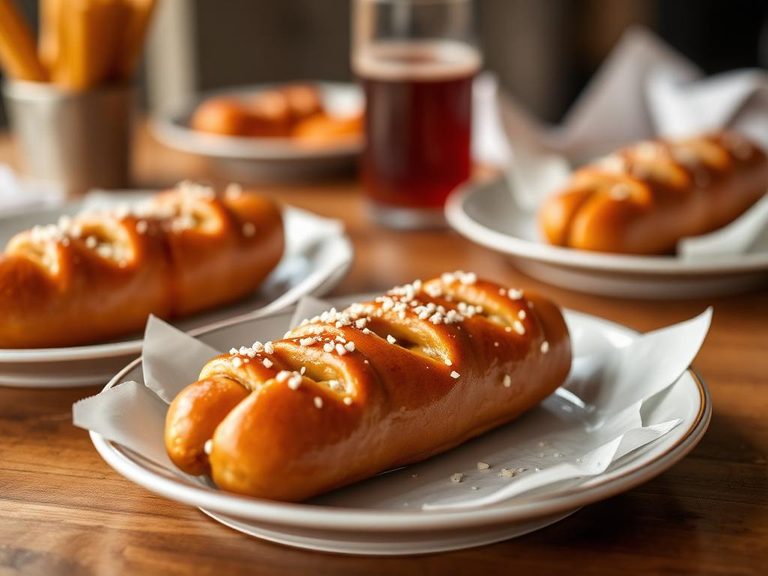

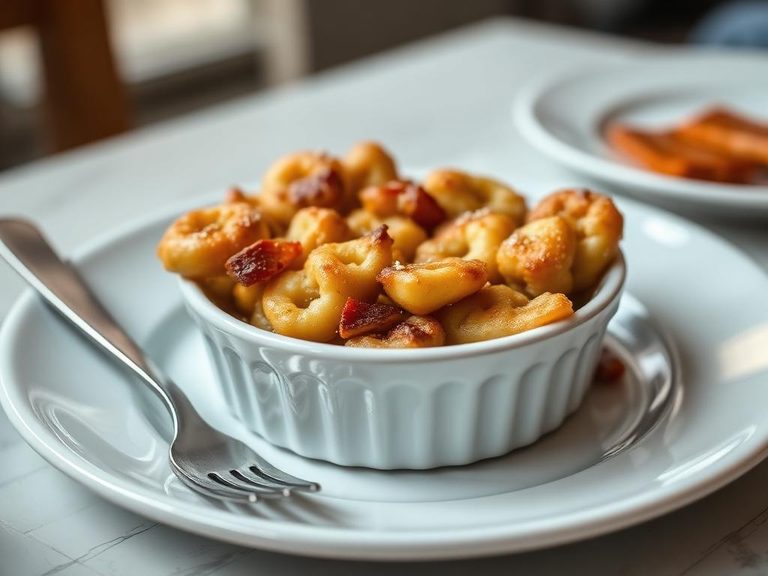

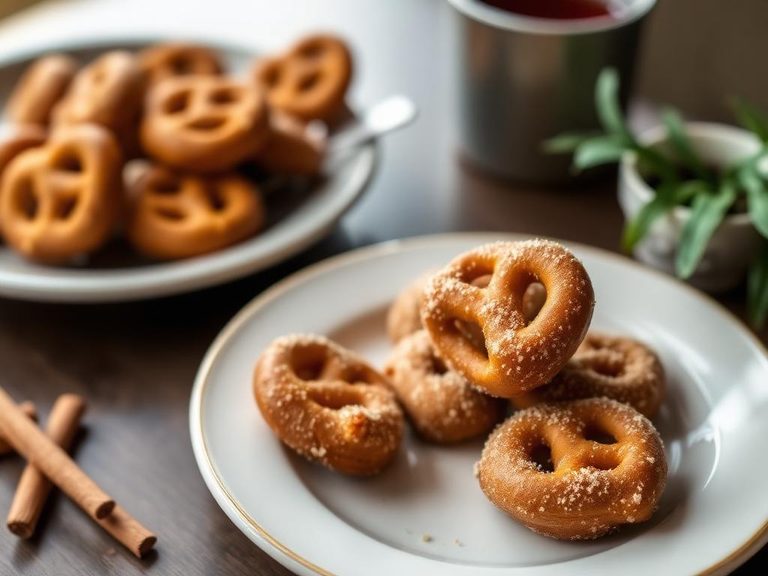
🌍 Where it's eaten
💡 Did you know?
The distinctive pretzel shape is said to represent a child's arms folded in prayer, and the name may derive from the Latin 'pretiola,' meaning 'little reward.'
Full nutrition (USDA data · scales with serving)
| Water | 15.0 g |
| Energy | 345 kcal |
| Protein | 8.2 g |
| Total lipid (fat) | 3.1 g |
| Carbohydrate, by difference | 71.0 g |
| Fiber, total dietary | 1.7 g |
| Total Sugars | 0.25 g |
| Calcium, Ca | 23.0 mg |
| Iron, Fe | 3.9 mg |
| Magnesium, Mg | 21.0 mg |
| Phosphorus, P | 79.0 mg |
| Potassium, K | 88.0 mg |
| Sodium, Na | 252 mg |
| Zinc, Zn | 0.94 mg |
| Copper, Cu | 0.13 mg |
| Selenium, Se | 17.2 ug |
| Vitamin C, total ascorbic acid | 0.00 mg |
| Thiamin | 0.41 mg |
| Riboflavin | 0.29 mg |
| Niacin | 4.3 mg |
| Vitamin B-6 | 0.02 mg |
| Folate, total | 24.0 ug |
| Folic acid | 0.00 ug |
| Folate, food | 24.0 ug |
| Folate, DFE | 24.0 ug |
| Choline, total | 17.7 mg |
| Vitamin B-12 | 0.00 ug |
| Vitamin B-12, added | 0.00 ug |
| Vitamin A, RAE | 0.00 ug |
| Retinol | 0.00 ug |
| Carotene, beta | 0.00 ug |
| Carotene, alpha | 0.00 ug |
| Cryptoxanthin, beta | 0.00 ug |
| Lycopene | 0.00 ug |
| Lutein + zeaxanthin | 17.0 ug |
| Vitamin E (alpha-tocopherol) | 0.54 mg |
| Vitamin E, added | 0.00 mg |
| Vitamin D (D2 + D3) | 0.00 ug |
| Vitamin K (phylloquinone) | 2.7 ug |
| Alcohol, ethyl | 0.00 g |
| Caffeine | 0.00 mg |
| Theobromine | 0.00 mg |
Fat & fatty acid profile (per 100g)
| Fatty acids, total saturated | 0.69 g |
| SFA 4:0 | 0.00 g |
| SFA 6:0 | 0.00 g |
| SFA 8:0 | 0.00 g |
| SFA 10:0 | 0.00 g |
| SFA 12:0 | 0.00 g |
| SFA 14:0 | 0.01 g |
| SFA 16:0 | 0.45 g |
| SFA 18:0 | 0.24 g |
| Fatty acids, total monounsaturated | 1.1 g |
| MUFA 16:1 | 0.00 g |
| MUFA 18:1 | 1.1 g |
| MUFA 20:1 | 0.00 g |
| MUFA 22:1 | 0.00 g |
| Fatty acids, total polyunsaturated | 0.95 g |
| PUFA 18:2 | 0.89 g |
| PUFA 18:3 | 0.06 g |
| PUFA 18:4 | 0.00 g |
| PUFA 20:4 | 0.00 g |
| PUFA 20:5 n-3 (EPA) | 0.00 g |
| PUFA 22:5 n-3 (DPA) | 0.00 g |
| PUFA 22:6 n-3 (DHA) | 0.00 g |
| Cholesterol | 0.00 mg |
Amino acid profile (per 100g)
Estimated from Snacks, pretzels, hard, confectioner's coating, chocolate-flavor — USDA does not publish this profile for Pretzels.
| Tryptophan | 0.10 g |
| Threonine | 0.25 g |
| Isoleucine | 0.29 g |
| Leucine | 0.53 g |
| Lysine | 0.25 g |
| Methionine | 0.13 g |
| Cystine | 0.15 g |
| Phenylalanine | 0.36 g |
| Tyrosine | 0.23 g |
| Valine | 0.33 g |
| Arginine | 0.31 g |
| Histidine | 0.16 g |
| Alanine | 0.27 g |
| Aspartic acid | 0.42 g |
| Glutamic acid | 2.2 g |
| Glycine | 0.27 g |
| Proline | 0.74 g |
| Serine | 0.36 g |
FAQ
What makes a soft pretzel different from a hard pretzel?
The primary difference is moisture content and baking method. Soft pretzels are made from a yeast dough that is briefly boiled in an alkaline solution (like baking soda water) before baking, which creates their signature chewy crust and soft interior. Hard pretzels are baked longer to remove almost all moisture, resulting in a crunchy, dry texture.
Why is the dough boiled before baking?
Boiling the shaped dough in an alkaline bath (traditionally lye, but baking soda is a common home substitute) gelatinizes the starches on the surface. This step is crucial for developing the pretzel's deep brown, glossy crust and distinctive chewy texture during baking.
Is an unsalted pretzel a healthier choice?
An unsalted pretzel eliminates the significant sodium load found in traditional salted versions, which is beneficial for blood pressure management. However, it remains a high-glycemic, refined carbohydrate food, so its overall health impact depends on portion size and what you pair it with.
Nutrient density (calculated · NRF9.3)
Nutrient Rich Foods index: beneficial nutrients (protein, fiber, vitamins, minerals) minus saturated fat, added sugar & sodium, per 100 kcal.
NRF9.3 index — Fulgoni, Keast & Drewnowski, 2009. Computed from USDA nutrients.
Weight-loss friendliness (composite index)
Energy density 3.45 kcal/g · 10% calories from protein · 1.7 g fiber · 0.3 g sugar per 100 g.
Composite of energy density (Rolls et al., 1999), protein & fiber satiety, minus sugar. A calculated heuristic — ranks satiety-per-calorie, not a clinical measure.
Dietary load (calculated from USDA values)
Potential renal acid load. Positive = acid-forming, negative = alkaline-forming.
Sodium-to-potassium ratio: 2.86 (lower is better — aim for ≤ 1)
Sodium:potassium per WHO potassium guidance. Computed from USDA nutrients.