

Potato chips, restructured, reduced fat, lightly salted
Common food

Photo: Wikipedia
These are not your average greasy chips. They are restructured from potato flakes and starch, then baked or fried to a lighter, crispier texture with a clean, mild saltiness. Despite the 'reduced fat' label, they remain a calorie-dense, carb-heavy snack.
Calorie split: 4% protein · 51% carbs · 46% fat
↓ Full nutrition💚 Why it's loved
People love them for the satisfying, airy crunch and straightforward potato flavor that doesn't overwhelm. They are a versatile, convenient snack that pairs well with dips or stands alone.
⚠️ Watch-outs & how to enjoy it better
The high refined carbohydrate and low fiber content can lead to rapid blood sugar spikes, making them a poor choice for diabetics or those monitoring glycemic load. The restructured form often means less nutritional integrity than a whole potato. Tip: Pair with a protein-rich dip like hummus or a fat like guacamole to slow digestion and blunt the glucose response.
Key benefits
- Lower in fat than standard fried chips
- Provides a quick source of energy from carbohydrates
- Contains a small amount of dietary fiber
- Light salt seasoning can reduce overall sodium intake vs. regular chips
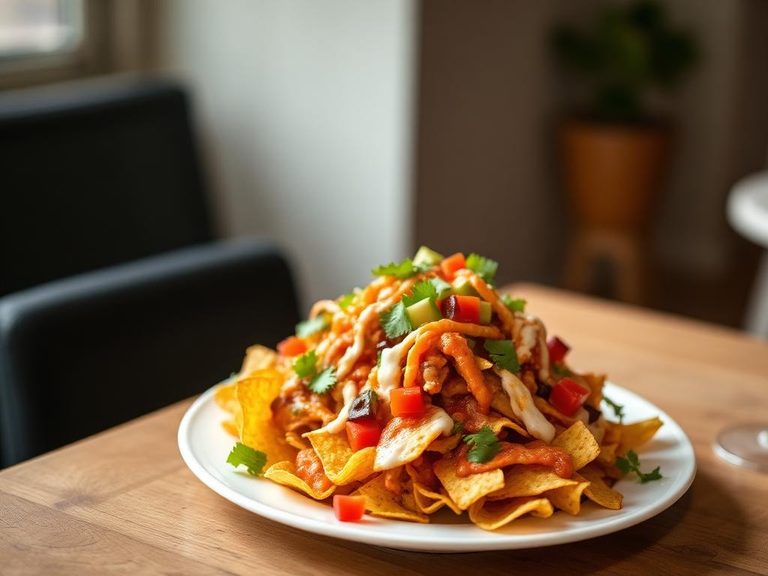
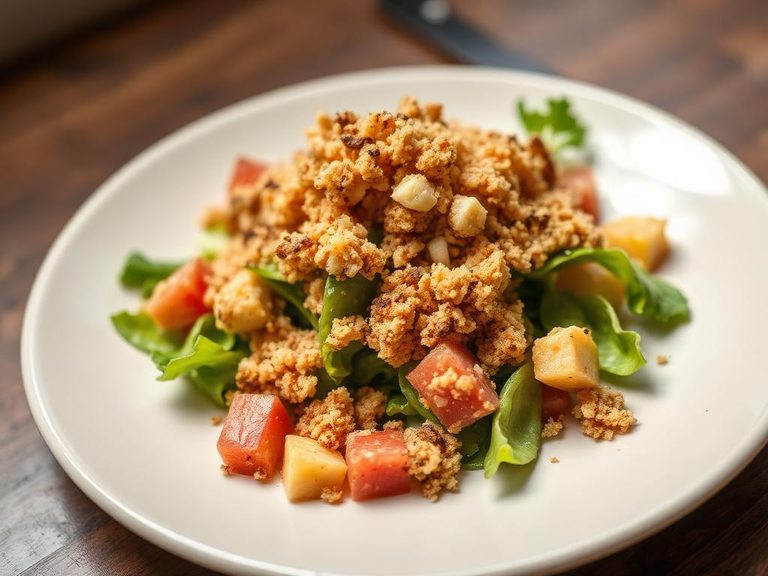
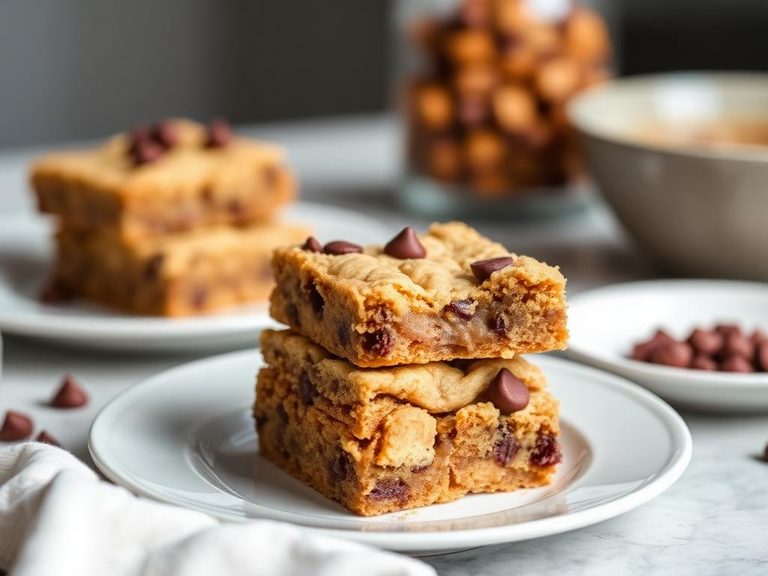
🍽️ Popular dishes


🌍 Where it's eaten
💡 Did you know?
The restructured chip was invented in the 1960s to use potato 'waste'—the peels and odd-shaped pieces left from making uniform slices for classic chips.
Full nutrition (USDA data · scales with serving)
| Water | 2.2 g |
| Energy | 502 kcal |
| Protein | 4.6 g |
| Total lipid (fat) | 26.1 g |
| Carbohydrate, by difference | 64.8 g |
| Fiber, total dietary | 3.2 g |
| Total Sugars | 0.63 g |
| Calcium, Ca | 29.0 mg |
| Iron, Fe | 1.1 mg |
| Magnesium, Mg | 45.0 mg |
| Phosphorus, P | 129 mg |
| Potassium, K | 760 mg |
| Sodium, Na | 450 mg |
| Zinc, Zn | 0.70 mg |
| Copper, Cu | 0.15 mg |
| Selenium, Se | 2.9 ug |
| Vitamin C, total ascorbic acid | 12.0 mg |
| Thiamin | 0.21 mg |
| Riboflavin | 0.01 mg |
| Niacin | 3.6 mg |
| Vitamin B-6 | 0.41 mg |
| Folate, total | 27.0 ug |
| Folic acid | 0.00 ug |
| Folate, food | 27.0 ug |
| Folate, DFE | 27.0 ug |
| Choline, total | 0.00 mg |
| Vitamin B-12 | 0.00 ug |
| Vitamin B-12, added | 0.00 ug |
| Vitamin A, RAE | 0.00 ug |
| Retinol | 0.00 ug |
| Carotene, beta | 0.00 ug |
| Carotene, alpha | 0.00 ug |
| Cryptoxanthin, beta | 0.00 ug |
| Lycopene | 0.00 ug |
| Lutein + zeaxanthin | 0.00 ug |
| Vitamin E (alpha-tocopherol) | 2.2 mg |
| Vitamin E, added | 0.00 mg |
| Vitamin D (D2 + D3) | 0.00 ug |
| Vitamin K (phylloquinone) | 7.2 ug |
| Alcohol, ethyl | 0.00 g |
| Caffeine | 0.00 mg |
| Theobromine | 0.00 mg |
Fat & fatty acid profile (per 100g)
| Fatty acids, total saturated | 6.8 g |
| SFA 4:0 | 0.01 g |
| SFA 6:0 | 0.00 g |
| SFA 8:0 | 0.01 g |
| SFA 10:0 | 0.01 g |
| SFA 12:0 | 0.01 g |
| SFA 14:0 | 0.19 g |
| SFA 16:0 | 5.8 g |
| SFA 18:0 | 0.65 g |
| Fatty acids, total monounsaturated | 4.6 g |
| MUFA 16:1 | 0.13 g |
| MUFA 18:1 | 4.4 g |
| MUFA 20:1 | 0.02 g |
| MUFA 22:1 | 0.00 g |
| Fatty acids, total polyunsaturated | 12.2 g |
| PUFA 18:2 | 12.1 g |
| PUFA 18:3 | 0.04 g |
| PUFA 18:4 | 0.00 g |
| PUFA 20:4 | 0.00 g |
| PUFA 20:5 n-3 (EPA) | 0.02 g |
| PUFA 22:5 n-3 (DPA) | 0.00 g |
| PUFA 22:6 n-3 (DHA) | 0.00 g |
| Cholesterol | 0.00 mg |
Amino acid profile (per 100g)
Estimated from Snacks, potato chips, made from dried potatoes, sour-cream and onion-flavor — USDA does not publish this profile for Potato chips.
| Tryptophan | 0.07 g |
| Threonine | 0.28 g |
| Isoleucine | 0.31 g |
| Leucine | 0.48 g |
| Lysine | 0.44 g |
| Methionine | 0.10 g |
| Cystine | 0.08 g |
| Phenylalanine | 0.29 g |
| Tyrosine | 0.25 g |
| Valine | 0.38 g |
| Arginine | 0.31 g |
| Histidine | 0.15 g |
| Alanine | 0.25 g |
| Aspartic acid | 0.93 g |
| Glutamic acid | 1.1 g |
| Glycine | 0.21 g |
| Proline | 0.37 g |
| Serine | 0.29 g |
FAQ
How are restructured chips different from regular potato chips?
Regular chips are sliced from whole potatoes and fried. Restructured chips are made from a dough of potato flakes, starch, and other ingredients, then formed and cooked, often resulting in a more uniform shape and lighter texture.
Are 'lightly salted' chips actually healthier?
They contain less sodium per serving than regular chips, which is beneficial for blood pressure management. However, they are still a processed, energy-dense food and should be eaten in moderation.
Why is the fat content still high if they are 'reduced fat'?
The label is relative; they have less fat than standard fried chips, but the cooking process still involves significant oil. A 100g serving has over 26g of fat, which is substantial.
Nutrient density (calculated · NRF9.3)
Nutrient Rich Foods index: beneficial nutrients (protein, fiber, vitamins, minerals) minus saturated fat, added sugar & sodium, per 100 kcal.
NRF9.3 index — Fulgoni, Keast & Drewnowski, 2009. Computed from USDA nutrients.
Weight-loss friendliness (composite index)
Energy density 5.02 kcal/g · 4% calories from protein · 3.2 g fiber · 0.6 g sugar per 100 g.
Composite of energy density (Rolls et al., 1999), protein & fiber satiety, minus sugar. A calculated heuristic — ranks satiety-per-calorie, not a clinical measure.
Dietary load (calculated from USDA values)
Potential renal acid load. Positive = acid-forming, negative = alkaline-forming.
Sodium-to-potassium ratio: 0.59 (lower is better — aim for ≤ 1)
Sodium:potassium per WHO potassium guidance. Computed from USDA nutrients.