

Potato chips, lightly salted
Common food

Photo: Wikipedia
These are thinly sliced potatoes, deep-fried until golden and crisp, then seasoned with a restrained hand to let the potato's earthy, buttery flavor shine. The texture is a satisfying shatter, giving way to a light, airy interior. Despite the 'lightly salted' label, they remain a calorie-dense snack, packing over 550 kcal per 100g, primarily from carbohydrates and fat.
Calorie split: 5% protein · 38% carbs · 57% fat
↓ Full nutrition💚 Why it's loved
People adore them for the perfect balance of salty and savory, delivering an intense potato flavor without overwhelming saltiness. Their versatility makes them a go-to companion for dips, sandwiches, or enjoyed alone as a simple, crispy pleasure.
⚠️ Watch-outs & how to enjoy it better
The high glycemic index can cause rapid blood-sugar spikes, and even 'lightly salted' versions contribute to daily sodium intake. To counteract this, pair them with a protein or healthy fat (like hummus or guacamole) to slow digestion, practice strict portion control by serving from a bowl instead of the bag, and consider choosing baked or kettle-cooked varieties for a denser texture that may promote satiety.
Key benefits
- Quick source of energy from carbohydrates
- Contains potassium, especially with skin-on varieties
- Provides a small amount of dietary fiber
- Offers a satisfying crunch and flavor for mindful snacking
- A familiar, comforting snack in many cultures
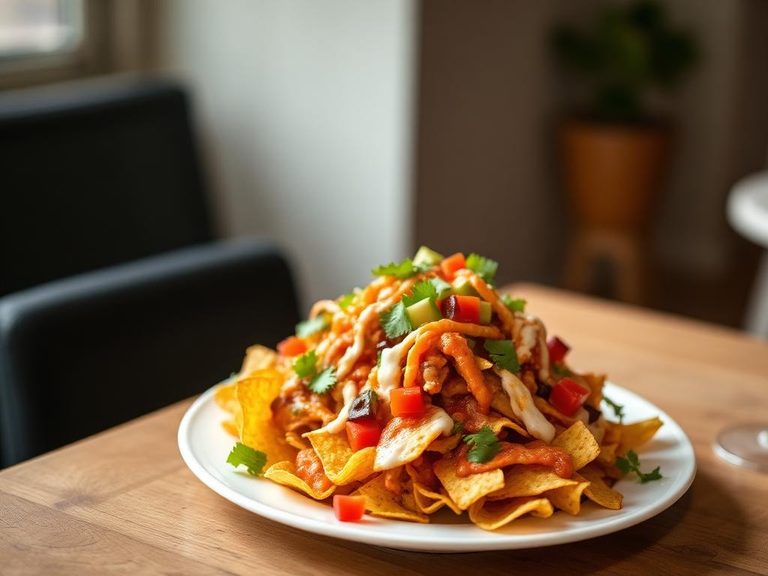
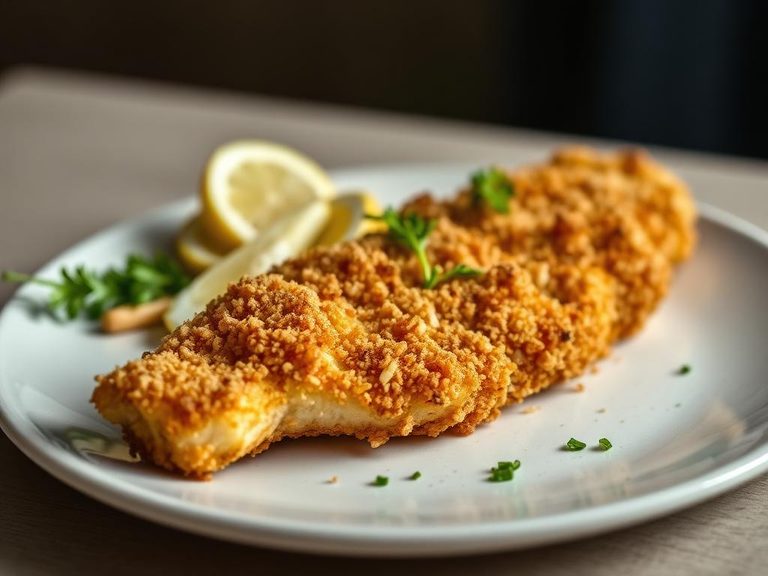
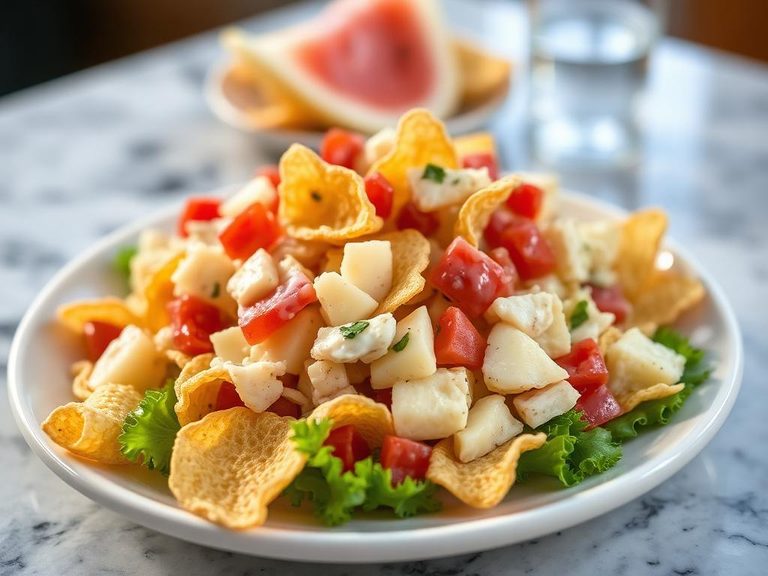
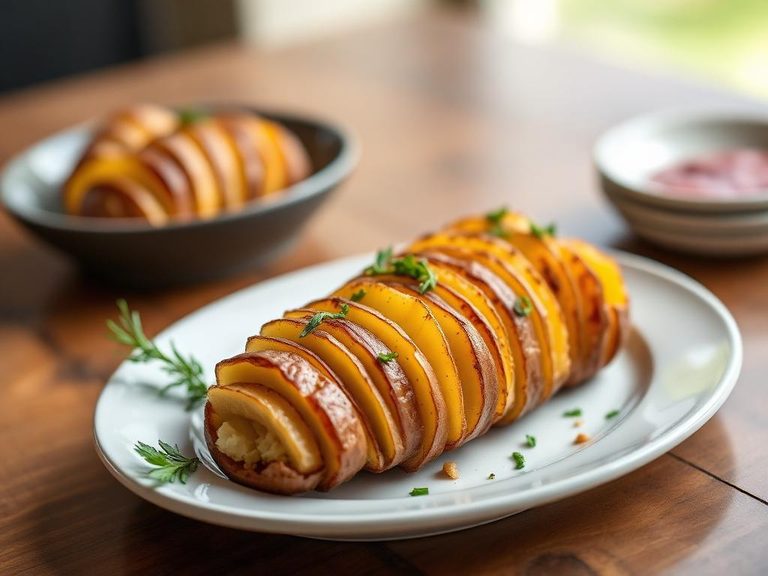
🍽️ Popular dishes

🌍 Where it's eaten
💡 Did you know?
The 'potato chip' was reportedly invented in 1853 by chef George Crum at Moon's Lake House in Saratoga Springs, New York, as a spiteful response to a customer who kept sending back his fried potatoes for being too thick.
Full nutrition (USDA data · scales with serving)
| Water | 1.4 g |
| Energy | 559 kcal |
| Protein | 6.7 g |
| Total lipid (fat) | 35.3 g |
| Carbohydrate, by difference | 53.4 g |
| Fiber, total dietary | 4.2 g |
| Total Sugars | 0.34 g |
| Calcium, Ca | 24.0 mg |
| Iron, Fe | 1.4 mg |
| Magnesium, Mg | 62.0 mg |
| Phosphorus, P | 148 mg |
| Potassium, K | 1301 mg |
| Sodium, Na | 264 mg |
| Zinc, Zn | 1.5 mg |
| Copper, Cu | 0.30 mg |
| Selenium, Se | 7.8 ug |
| Vitamin C, total ascorbic acid | 27.2 mg |
| Thiamin | 0.16 mg |
| Riboflavin | 0.17 mg |
| Niacin | 5.5 mg |
| Vitamin B-6 | 0.65 mg |
| Folate, total | 58.0 ug |
| Folic acid | 0.00 ug |
| Folate, food | 58.0 ug |
| Folate, DFE | 58.0 ug |
| Choline, total | 12.1 mg |
| Vitamin B-12 | 0.00 ug |
| Vitamin B-12, added | 0.00 ug |
| Vitamin A, RAE | 0.00 ug |
| Retinol | 0.00 ug |
| Carotene, beta | 0.00 ug |
| Carotene, alpha | 0.00 ug |
| Cryptoxanthin, beta | 0.00 ug |
| Lycopene | 0.00 ug |
| Lutein + zeaxanthin | 0.00 ug |
| Vitamin E (alpha-tocopherol) | 7.7 mg |
| Vitamin E, added | 0.00 mg |
| Vitamin D (D2 + D3) | 0.00 ug |
| Vitamin K (phylloquinone) | 22.1 ug |
| Alcohol, ethyl | 0.00 g |
| Caffeine | 0.00 mg |
| Theobromine | 0.00 mg |
Fat & fatty acid profile (per 100g)
| Fatty acids, total saturated | 5.5 g |
| SFA 4:0 | 0.00 g |
| SFA 6:0 | 0.00 g |
| SFA 8:0 | 0.00 g |
| SFA 10:0 | 0.02 g |
| SFA 12:0 | 0.01 g |
| SFA 14:0 | 0.13 g |
| SFA 16:0 | 4.3 g |
| SFA 18:0 | 0.73 g |
| Fatty acids, total monounsaturated | 14.9 g |
| MUFA 16:1 | 0.12 g |
| MUFA 18:1 | 14.5 g |
| MUFA 20:1 | 0.24 g |
| MUFA 22:1 | 0.00 g |
| Fatty acids, total polyunsaturated | 12.4 g |
| PUFA 18:2 | 12.0 g |
| PUFA 18:3 | 0.41 g |
| PUFA 18:4 | 0.00 g |
| PUFA 20:4 | 0.01 g |
| PUFA 20:5 n-3 (EPA) | 0.00 g |
| PUFA 22:5 n-3 (DPA) | 0.00 g |
| PUFA 22:6 n-3 (DHA) | 0.00 g |
| Cholesterol | 0.00 mg |
Amino acid profile (per 100g)
Estimated from Snacks, potato chips, made from dried potatoes, sour-cream and onion-flavor — USDA does not publish this profile for Potato chips.
| Tryptophan | 0.07 g |
| Threonine | 0.28 g |
| Isoleucine | 0.31 g |
| Leucine | 0.48 g |
| Lysine | 0.44 g |
| Methionine | 0.10 g |
| Cystine | 0.08 g |
| Phenylalanine | 0.29 g |
| Tyrosine | 0.25 g |
| Valine | 0.38 g |
| Arginine | 0.31 g |
| Histidine | 0.15 g |
| Alanine | 0.25 g |
| Aspartic acid | 0.93 g |
| Glutamic acid | 1.1 g |
| Glycine | 0.21 g |
| Proline | 0.37 g |
| Serine | 0.29 g |
FAQ
Are lightly salted potato chips healthier than regular ones?
They contain less sodium, which is better for blood pressure management, but their calorie, fat, and carbohydrate content is very similar to regular chips. They are not a low-calorie or low-fat food.
Why are they so high in calories?
Potatoes are starchy and absorb oil during frying. The combination of concentrated carbohydrates and fat makes them very energy-dense, meaning a small volume packs a lot of calories.
Can I eat these on a low-carb diet?
Generally, no. At over 53g of carbs per 100g, they are very high in carbohydrates and would consume a large portion of a typical daily low-carb limit in a small serving.
Nutrient density (calculated · NRF9.3)
Nutrient Rich Foods index: beneficial nutrients (protein, fiber, vitamins, minerals) minus saturated fat, added sugar & sodium, per 100 kcal.
NRF9.3 index — Fulgoni, Keast & Drewnowski, 2009. Computed from USDA nutrients.
Weight-loss friendliness (composite index)
Energy density 5.59 kcal/g · 5% calories from protein · 4.2 g fiber · 0.3 g sugar per 100 g.
Composite of energy density (Rolls et al., 1999), protein & fiber satiety, minus sugar. A calculated heuristic — ranks satiety-per-calorie, not a clinical measure.
Dietary load (calculated from USDA values)
Potential renal acid load. Positive = acid-forming, negative = alkaline-forming.
Sodium-to-potassium ratio: 0.20 (lower is better — aim for ≤ 1)
Sodium:potassium per WHO potassium guidance. Computed from USDA nutrients.