

Potato, boiled, from fresh, peel not eaten, made with butter
Common food

Photo: Wikipedia
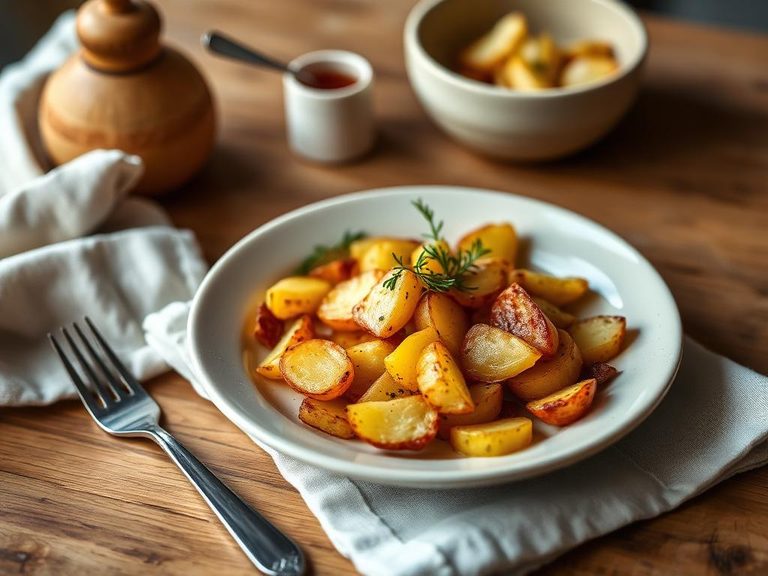
This is a classic comfort food: a fluffy, creamy potato, boiled whole and then enriched with a pat of butter. The texture is tender and velvety, with the butter melting into every crevice to create a rich, savory coating. Nutritionally, it's a solid source of energy-providing carbs and a small amount of fat from the butter.
Calorie split: 6% protein · 65% carbs · 29% fat
↓ Full nutrition💚 Why it's loved
People adore it for its pure, satisfying comfort—the simple marriage of earthy potato and rich butter is universally appealing. It's a beloved, versatile side that can accompany almost any main dish, from grilled steak to roasted chicken.
⚠️ Watch-outs & how to enjoy it better
Boiled potatoes have a high glycemic index, which can cause rapid blood sugar spikes, making them a caution for those managing diabetes. To counteract this, pair them with a source of protein (like beans or chicken) or healthy fat (like avocado or olive oil) to slow digestion. Also, be mindful of added salt; use herbs like rosemary or chives for flavor instead.
Key benefits
- Provides quick energy from complex carbohydrates.
- Contains potassium, which supports muscle and nerve function.
- Offers vitamin B6 for brain health and metabolism.
- The butter adds fat-soluble vitamins like A and D.
- A simple, whole-food source of dietary fiber.
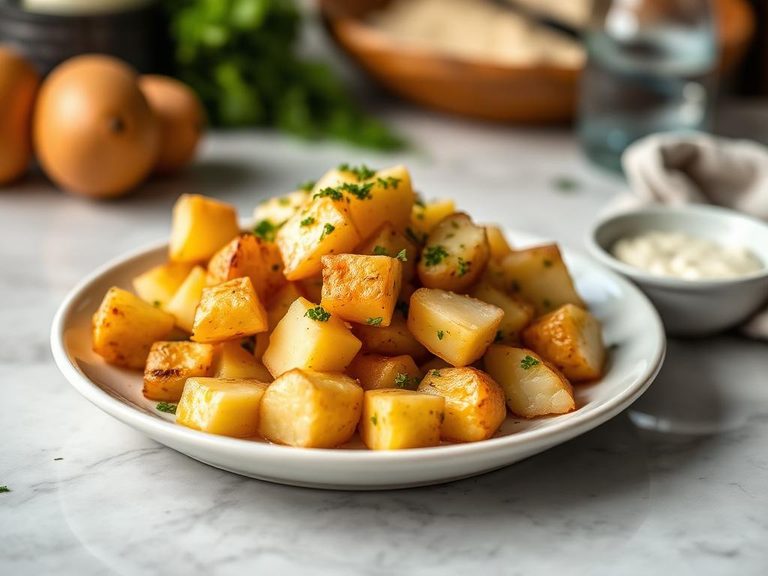
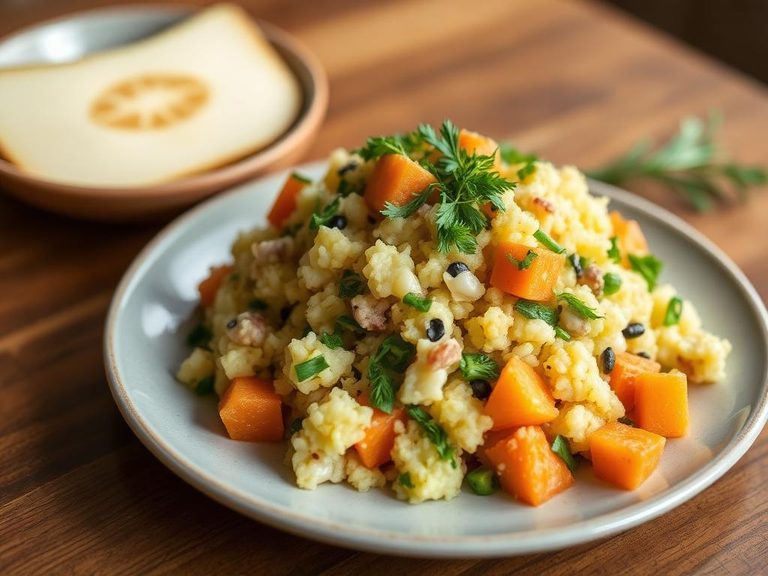
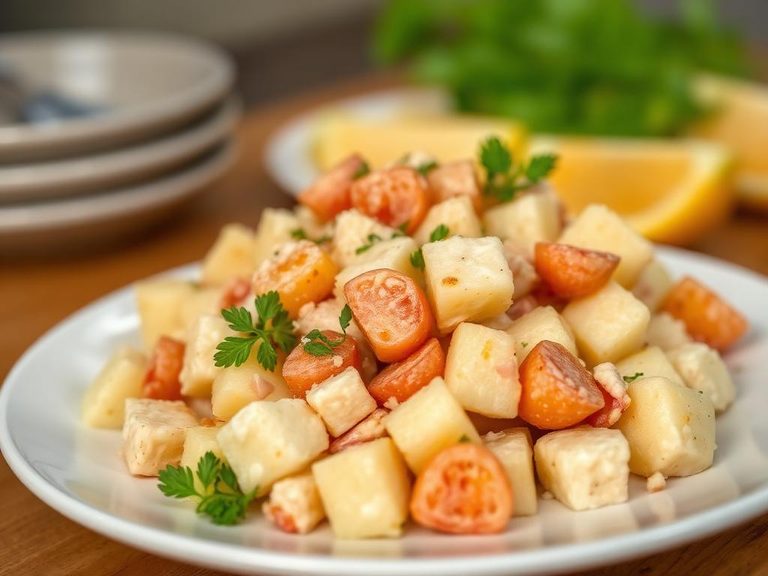
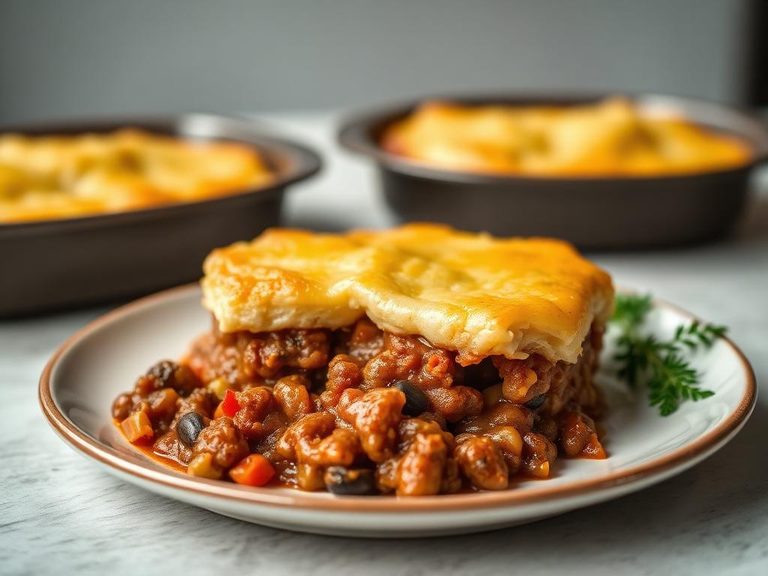
🍽️ Popular dishes
🌍 Where it's eaten
💡 Did you know?
The world record for the largest potato ever grown was set in 2011 by a British farmer, weighing in at a staggering 11 pounds (5 kg).
Full nutrition (USDA data · scales with serving)
| Water | 72.3 g |
| Energy | 123 kcal |
| Protein | 1.9 g |
| Total lipid (fat) | 4.0 g |
| Carbohydrate, by difference | 20.4 g |
| Fiber, total dietary | 1.4 g |
| Total Sugars | 1.6 g |
| Calcium, Ca | 6.0 mg |
| Iron, Fe | 0.34 mg |
| Magnesium, Mg | 24.0 mg |
| Phosphorus, P | 48.0 mg |
| Potassium, K | 372 mg |
| Sodium, Na | 176 mg |
| Zinc, Zn | 0.28 mg |
| Copper, Cu | 0.20 mg |
| Selenium, Se | 0.30 ug |
| Vitamin C, total ascorbic acid | 12.1 mg |
| Thiamin | 0.10 mg |
| Riboflavin | 0.02 mg |
| Niacin | 1.3 mg |
| Vitamin B-6 | 0.29 mg |
| Folate, total | 9.0 ug |
| Folic acid | 0.00 ug |
| Folate, food | 9.0 ug |
| Folate, DFE | 9.0 ug |
| Choline, total | 14.6 mg |
| Vitamin B-12 | 0.00 ug |
| Vitamin B-12, added | 0.00 ug |
| Vitamin A, RAE | 36.0 ug |
| Retinol | 35.0 ug |
| Carotene, beta | 8.0 ug |
| Carotene, alpha | 0.00 ug |
| Cryptoxanthin, beta | 0.00 ug |
| Lycopene | 0.00 ug |
| Lutein + zeaxanthin | 0.00 ug |
| Vitamin E (alpha-tocopherol) | 0.04 mg |
| Vitamin E, added | 0.00 mg |
| Vitamin D (D2 + D3) | 0.00 ug |
| Vitamin K (phylloquinone) | 0.60 ug |
| Alcohol, ethyl | 0.00 g |
| Caffeine | 0.00 mg |
| Theobromine | 0.00 mg |
Fat & fatty acid profile (per 100g)
| Fatty acids, total saturated | 2.2 g |
| SFA 4:0 | 0.10 g |
| SFA 6:0 | 0.07 g |
| SFA 8:0 | 0.04 g |
| SFA 10:0 | 0.09 g |
| SFA 12:0 | 0.11 g |
| SFA 14:0 | 0.34 g |
| SFA 16:0 | 1.0 g |
| SFA 18:0 | 0.36 g |
| Fatty acids, total monounsaturated | 0.80 g |
| MUFA 16:1 | 0.05 g |
| MUFA 18:1 | 0.71 g |
| MUFA 20:1 | 0.01 g |
| MUFA 22:1 | 0.00 g |
| Fatty acids, total polyunsaturated | 0.16 g |
| PUFA 18:2 | 0.14 g |
| PUFA 18:3 | 0.03 g |
| PUFA 18:4 | 0.00 g |
| PUFA 20:4 | 0.01 g |
| PUFA 20:5 n-3 (EPA) | 0.00 g |
| PUFA 22:5 n-3 (DPA) | 0.00 g |
| PUFA 22:6 n-3 (DHA) | 0.00 g |
| Cholesterol | 11.0 mg |
Amino acid profile (per 100g)
Estimated from Snacks, potato chips, made from dried potatoes, reduced fat — USDA does not publish this profile for Potato.
| Tryptophan | 0.04 g |
| Threonine | 0.24 g |
| Isoleucine | 0.25 g |
| Leucine | 0.37 g |
| Lysine | 0.35 g |
| Methionine | 0.07 g |
| Cystine | 0.07 g |
| Phenylalanine | 0.26 g |
| Tyrosine | 0.22 g |
| Valine | 0.33 g |
| Arginine | 0.27 g |
| Histidine | 0.13 g |
| Alanine | 0.20 g |
| Aspartic acid | 1.1 g |
| Glutamic acid | 0.94 g |
| Glycine | 0.19 g |
| Proline | 0.20 g |
| Serine | 0.23 g |
FAQ
Why boil potatoes with the peel on?
Boiling with the peel helps the potato retain more of its nutrients, especially potassium and vitamin C, which can leach into the water. It also prevents the potato from absorbing too much water and becoming soggy.
Can I use any type of potato?
Waxy potatoes (like Red Bliss or Yukon Gold) hold their shape better after boiling, making them ideal for salads. Starchy potatoes (like Russets) become fluffier and are perfect for mashing or buttering.
How do I prevent boiled potatoes from becoming gummy?
Start potatoes in cold, salted water and bring to a gentle boil. Over-boiling or stirring too vigorously breaks down the starch, leading to a gummy texture. Cook just until fork-tender.
Nutrient density (calculated · NRF9.3)
Nutrient Rich Foods index: beneficial nutrients (protein, fiber, vitamins, minerals) minus saturated fat, added sugar & sodium, per 100 kcal.
NRF9.3 index — Fulgoni, Keast & Drewnowski, 2009. Computed from USDA nutrients.
Weight-loss friendliness (composite index)
Energy density 1.23 kcal/g · 6% calories from protein · 1.4 g fiber · 1.6 g sugar per 100 g.
Composite of energy density (Rolls et al., 1999), protein & fiber satiety, minus sugar. A calculated heuristic — ranks satiety-per-calorie, not a clinical measure.
Dietary load (calculated from USDA values)
Potential renal acid load. Positive = acid-forming, negative = alkaline-forming.
Sodium-to-potassium ratio: 0.47 (lower is better — aim for ≤ 1)
Sodium:potassium per WHO potassium guidance. Computed from USDA nutrients.