

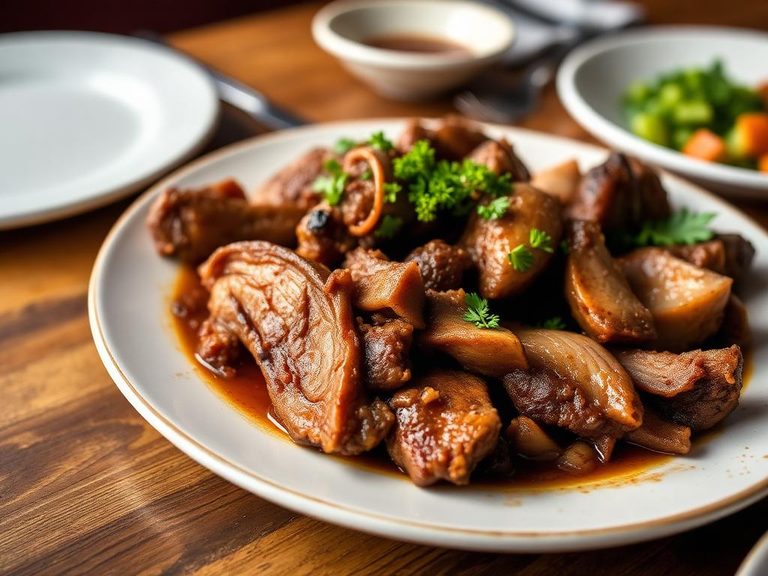
Pork, fresh, variety meats and by-products, pancreas, cooked, braised
Whole food · Pork Products

Photo: Wikipedia
Braised pork pancreas is a tender, rich organ meat with a smooth, slightly creamy texture and a deep, savory flavor that absorbs braising liquids beautifully. Nutritionally, it's a powerhouse of protein with virtually no carbs, making it a dense source of lean fuel. Its unique mouthfeel and umami profile set it apart from more common muscle meats.
Calorie split: 54% protein · 0% carbs · 46% fat
↓ Full nutrition💚 Why it's loved
People cherish it for its delicate, melt-in-the-mouth texture when braised properly and its ability to soak up complex sauces. In many culinary traditions, it's a prized delicacy valued for its unique flavor and cultural significance in celebratory or home-style dishes.
⚠️ Watch-outs & how to enjoy it better
Its organ meat origin and specific texture can be off-putting to some, and it may contain higher levels of purines, which individuals with gout or certain kidney conditions should monitor. To mitigate, practice strict portion control and pair it with alkaline vegetables like leafy greens or cruciferous veggies to help balance the meal. Ensure it's cooked thoroughly to a safe internal temperature.
Key benefits
- Excellent source of high-quality, complete protein
- Virtually zero carbohydrates, suitable for ketogenic and low-carb diets
- Rich in essential B vitamins, particularly B12 and niacin
- Contains important minerals like selenium and phosphorus
- Provides a natural source of digestive enzymes like trypsin
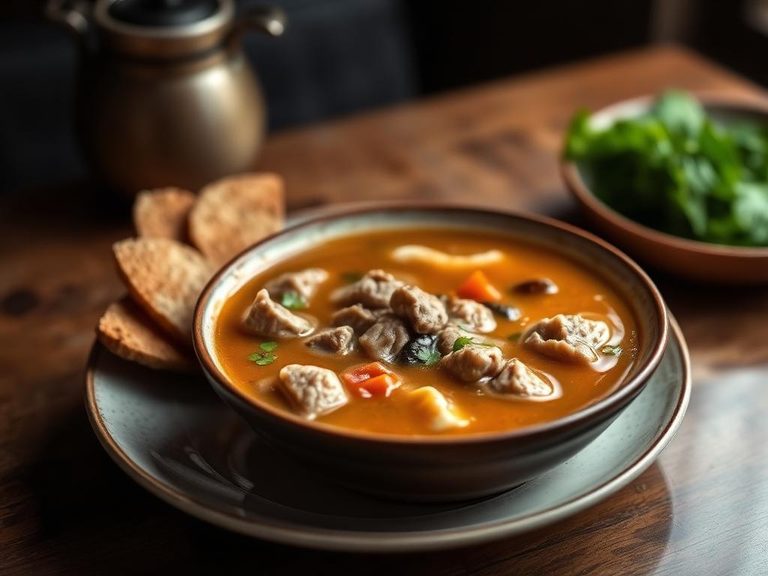
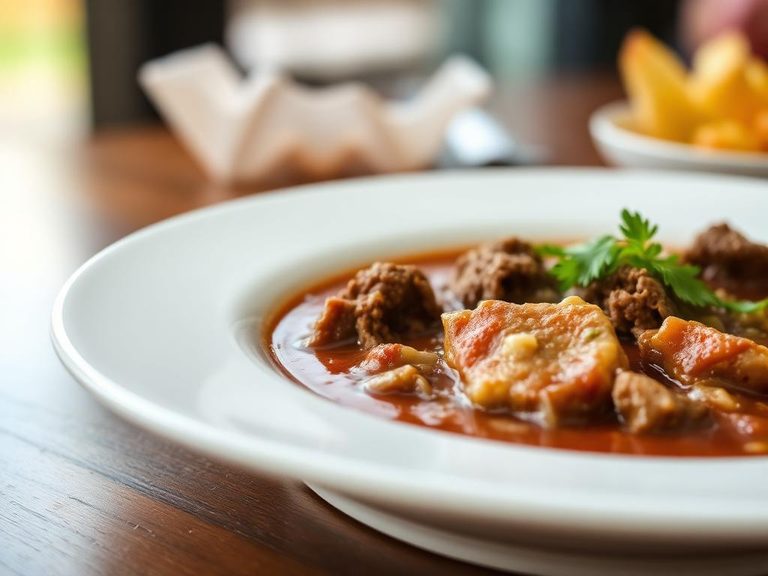
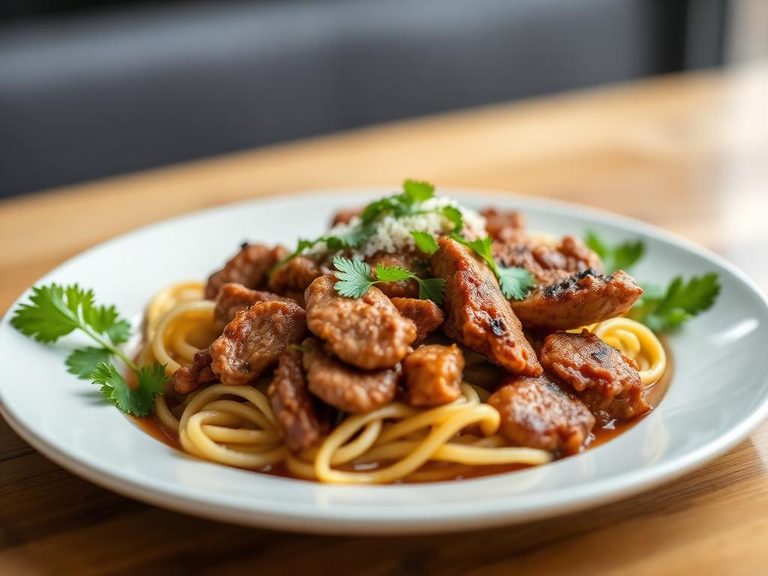
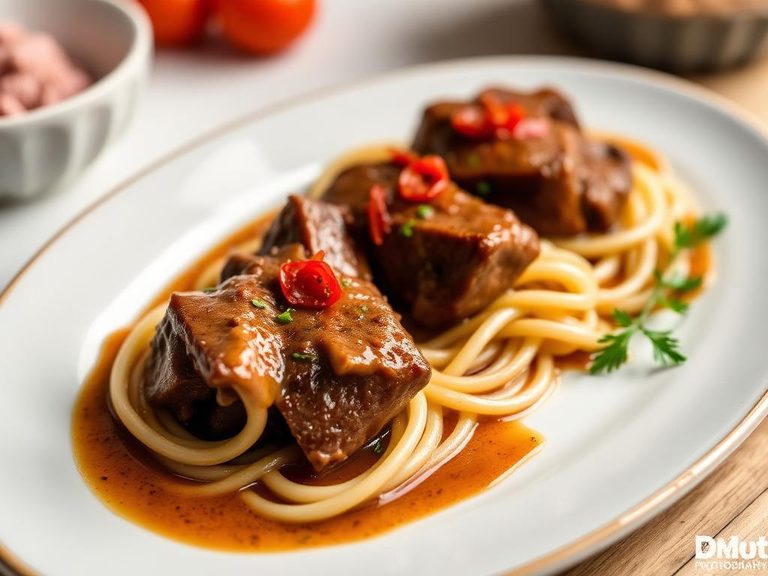
🍽️ Popular dishes
🌍 Where it's eaten
💡 Did you know?
The pancreas is both an endocrine gland (producing insulin) and an exocrine gland (producing digestive enzymes), making it one of the body's most multifunctional organs.
Full nutrition (USDA data · scales with serving)
| Water | 60.3 g |
| Energy | 219 kcal |
| Energy | 916 kj |
| Protein | 28.5 g |
| Total lipid (fat) | 10.8 g |
| Ash | 1.2 g |
| Carbohydrate, by difference | 0.00 g |
| Fiber, total dietary | 0.00 g |
| Calcium, Ca | 16.0 mg |
| Iron, Fe | 2.7 mg |
| Magnesium, Mg | 23.0 mg |
| Phosphorus, P | 291 mg |
| Potassium, K | 168 mg |
| Sodium, Na | 42.0 mg |
| Zinc, Zn | 4.3 mg |
| Copper, Cu | 0.11 mg |
| Manganese, Mn | 0.20 mg |
| Selenium, Se | 72.8 ug |
| Vitamin C, total ascorbic acid | 5.7 mg |
| Thiamin | 0.09 mg |
| Riboflavin | 0.66 mg |
| Niacin | 3.2 mg |
| Pantothenic acid | 4.7 mg |
| Vitamin B-6 | 0.44 mg |
| Folate, total | 5.0 ug |
| Folic acid | 0.00 ug |
| Folate, food | 5.0 ug |
| Folate, DFE | 5.0 ug |
| Vitamin B-12 | 17.1 ug |
| Vitamin A, RAE | 0.00 ug |
| Retinol | 0.00 ug |
| Vitamin A, IU | 0.00 iu |
Fat & fatty acid profile (per 100g)
| Fatty acids, total saturated | 3.7 g |
| SFA 4:0 | 0.00 g |
| SFA 6:0 | 0.00 g |
| SFA 8:0 | 0.00 g |
| SFA 10:0 | 0.00 g |
| SFA 12:0 | 0.00 g |
| SFA 14:0 | 0.09 g |
| SFA 16:0 | 2.0 g |
| SFA 18:0 | 1.4 g |
| Fatty acids, total monounsaturated | 3.8 g |
| MUFA 16:1 | 0.65 g |
| MUFA 18:1 | 3.1 g |
| MUFA 20:1 | 0.00 g |
| MUFA 22:1 | 0.00 g |
| Fatty acids, total polyunsaturated | 2.0 g |
| PUFA 18:2 | 1.2 g |
| PUFA 18:3 | 0.08 g |
| PUFA 18:4 | 0.00 g |
| PUFA 20:4 | 0.47 g |
| PUFA 20:5 n-3 (EPA) | 0.00 g |
| PUFA 22:5 n-3 (DPA) | 0.00 g |
| PUFA 22:6 n-3 (DHA) | 0.00 g |
| Cholesterol | 315 mg |
| Phytosterols | 0.00 mg |
Amino acid profile (per 100g)
| Tryptophan | 0.63 g |
| Threonine | 1.3 g |
| Isoleucine | 1.5 g |
| Leucine | 2.1 g |
| Lysine | 2.0 g |
| Methionine | 0.47 g |
| Cystine | 0.36 g |
| Phenylalanine | 1.2 g |
| Tyrosine | 1.2 g |
| Valine | 1.5 g |
| Arginine | 1.6 g |
| Histidine | 0.55 g |
| Alanine | 1.5 g |
| Aspartic acid | 2.7 g |
| Glutamic acid | 2.3 g |
| Glycine | 1.7 g |
| Proline | 1.5 g |
| Serine | 1.1 g |
FAQ
What does braised pork pancreas taste like?
It has a mild, savory flavor similar to other tender organ meats, with a smooth, creamy texture when cooked low and slow. The taste is heavily influenced by the braising liquid, often becoming rich and deeply umami.
Is it safe to eat?
Yes, when sourced from a reputable butcher and cooked thoroughly to an internal temperature of at least 145°F (63°C), followed by a rest period. Proper handling and cooking are essential for all organ meats.
How do I prepare it to reduce any strong flavor?
Soaking it in cold water or milk for a few hours before cooking can help mellow any strong notes. Braising it with aromatic vegetables, herbs, and acidic components like tomatoes or wine also helps develop a balanced, pleasant flavor.
Nutrient density (calculated · NRF9.3)
Nutrient Rich Foods index: beneficial nutrients (protein, fiber, vitamins, minerals) minus saturated fat, added sugar & sodium, per 100 kcal.
NRF9.3 index — Fulgoni, Keast & Drewnowski, 2009. Computed from USDA nutrients.
Weight-loss friendliness (composite index)
Energy density 2.19 kcal/g · 52% calories from protein · 0.0 g fiber · 0.0 g sugar per 100 g.
Composite of energy density (Rolls et al., 1999), protein & fiber satiety, minus sugar. A calculated heuristic — ranks satiety-per-calorie, not a clinical measure.
Dietary load (calculated from USDA values)
Potential renal acid load. Positive = acid-forming, negative = alkaline-forming.
Sodium-to-potassium ratio: 0.25 (lower is better — aim for ≤ 1)
Sodium:potassium per WHO potassium guidance. Computed from USDA nutrients.