

Pork, fresh, variety meats and by-products, kidneys, cooked, braised
Whole food · Pork Products

Photo: Wikipedia
Braised pork kidneys are a tender, mineral-rich organ meat with a distinct, slightly gamey flavor and a smooth, springy texture when cooked properly. This preparation method, often involving slow simmering in flavorful broths, yields a high-protein, virtually carbohydrate-free component. It's a nutrient-dense choice, offering significant protein and essential minerals like iron and zinc.
Calorie split: 71% protein · 0% carbs · 29% fat
↓ Full nutrition💚 Why it's loved
People appreciate its unique, robust flavor that absorbs seasonings beautifully, and its satisfying, tender bite when braised correctly. It's a staple in many culinary traditions, valued for its nutritional density and role in hearty, comforting dishes.
⚠️ Watch-outs & how to enjoy it better
The strong, characteristic taste and texture can be off-putting to those unfamiliar with organ meats, and improper preparation can lead to a rubbery or overly pungent result. Those with gout or kidney concerns should consult a doctor, as organ meats are high in purines. To mitigate strong flavors, thoroughly clean and soak the kidneys in milk or water, and braise them slowly with aromatics like onions, garlic, and bay leaves.
Key benefits
- Excellent source of high-quality, complete protein
- Very low in carbohydrates and sugars
- Rich in essential minerals like iron, zinc, and selenium
- Contains B vitamins, particularly B12 and riboflavin
- A traditional nose-to-tail ingredient that reduces food waste
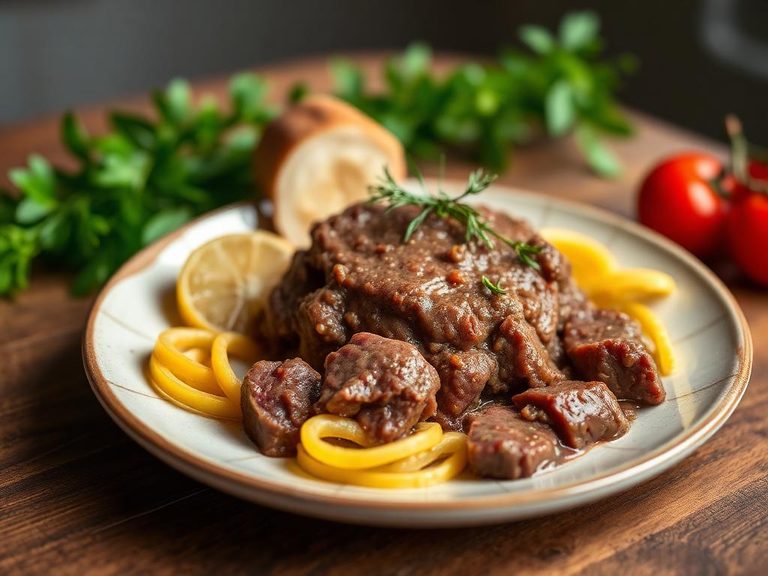
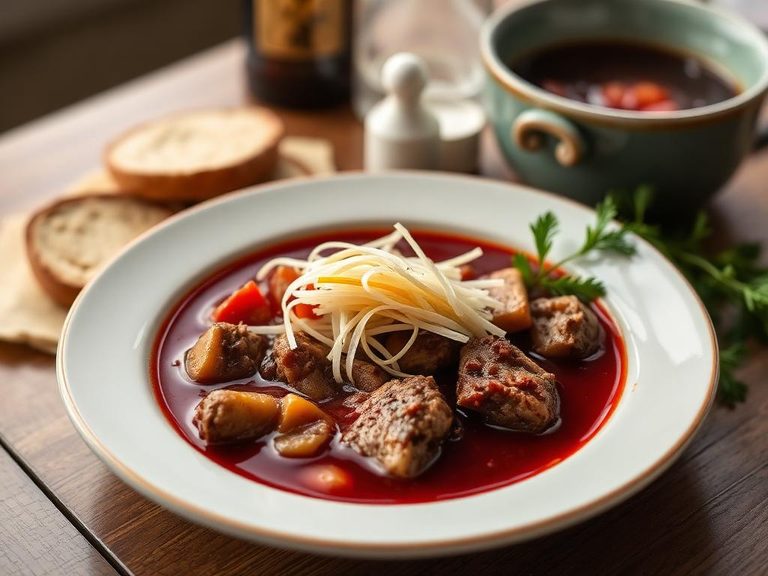
🍽️ Popular dishes
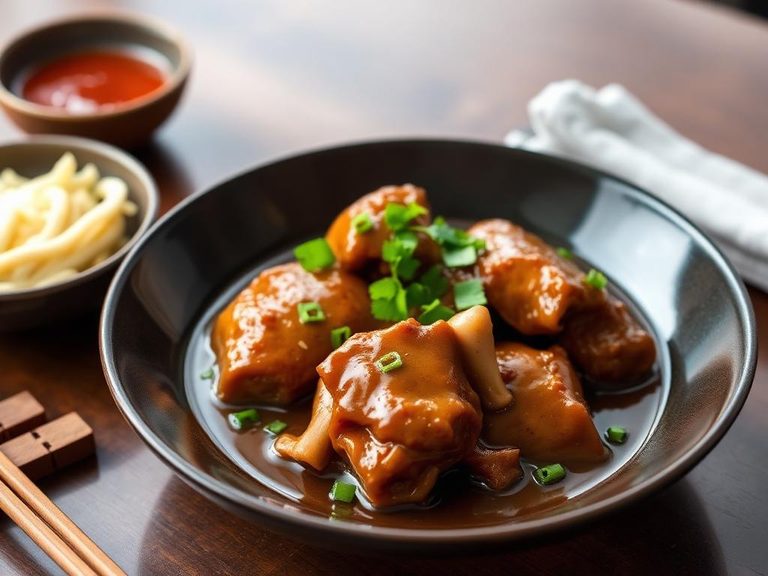
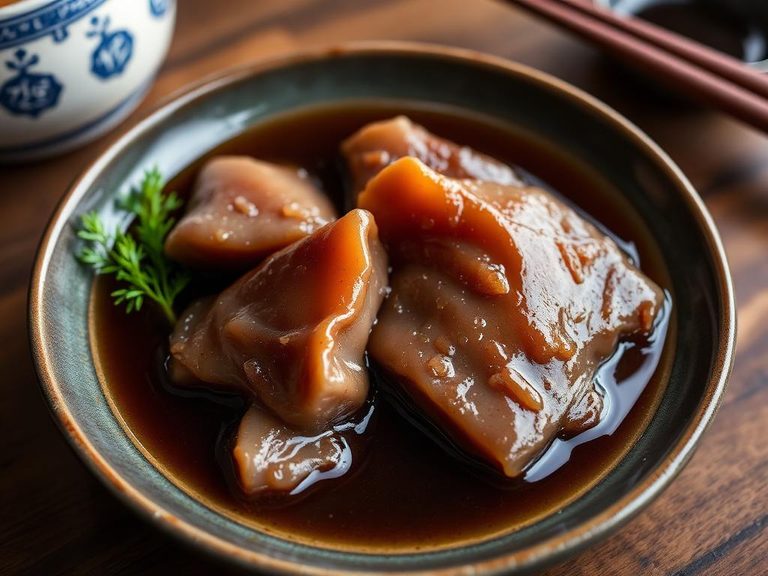
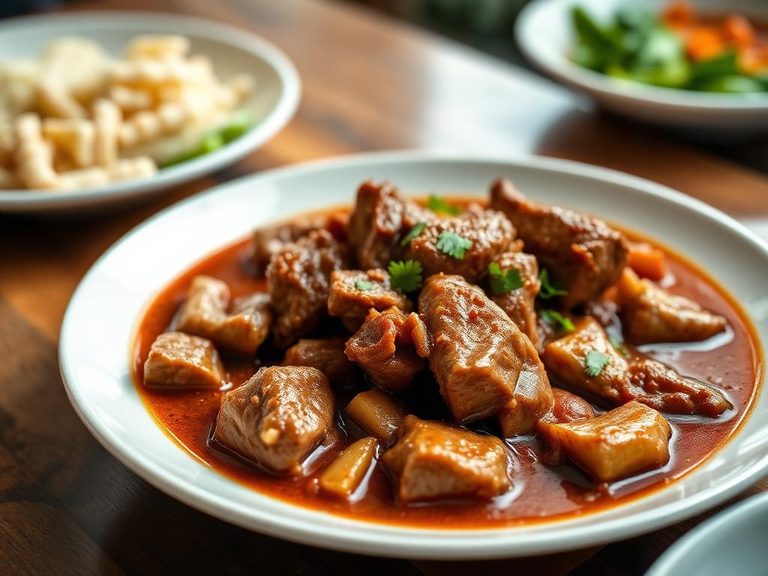
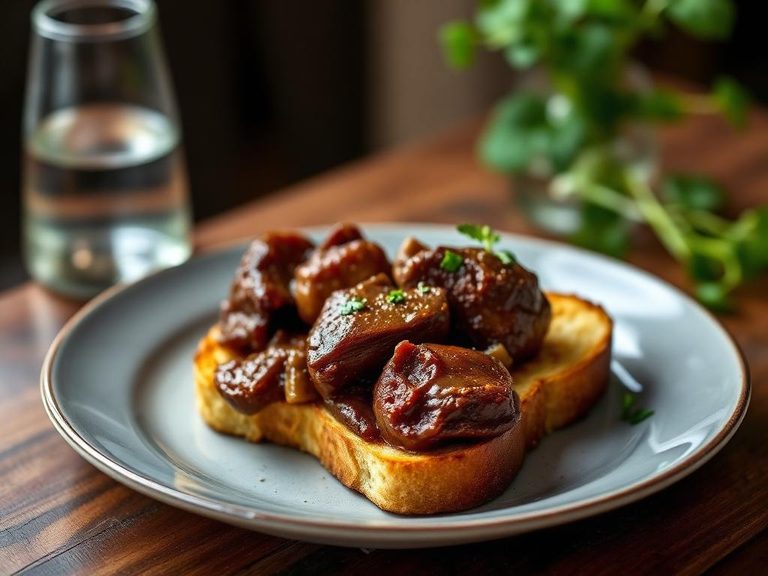
🌍 Where it's eaten
💡 Did you know?
Pork kidneys are one of the most common kidneys consumed globally, and their unique structure includes a central core of fat and connective tissue that must be carefully trimmed before cooking to ensure the best texture and flavor.
Full nutrition (USDA data · scales with serving)
| Water | 68.7 g |
| Energy | 151 kcal |
| Energy | 632 kj |
| Protein | 25.4 g |
| Total lipid (fat) | 4.7 g |
| Ash | 1.3 g |
| Carbohydrate, by difference | 0.00 g |
| Fiber, total dietary | 0.00 g |
| Calcium, Ca | 13.0 mg |
| Iron, Fe | 5.3 mg |
| Magnesium, Mg | 18.0 mg |
| Phosphorus, P | 240 mg |
| Potassium, K | 143 mg |
| Sodium, Na | 80.0 mg |
| Zinc, Zn | 4.2 mg |
| Copper, Cu | 0.68 mg |
| Manganese, Mn | 0.15 mg |
| Selenium, Se | 312 ug |
| Vitamin C, total ascorbic acid | 10.6 mg |
| Thiamin | 0.40 mg |
| Riboflavin | 1.6 mg |
| Niacin | 5.8 mg |
| Pantothenic acid | 2.9 mg |
| Vitamin B-6 | 0.46 mg |
| Folate, total | 41.0 ug |
| Folic acid | 0.00 ug |
| Folate, food | 41.0 ug |
| Folate, DFE | 41.0 ug |
| Vitamin B-12 | 7.8 ug |
| Vitamin A, RAE | 78.0 ug |
| Retinol | 78.0 ug |
| Vitamin A, IU | 260 iu |
Fat & fatty acid profile (per 100g)
| Fatty acids, total saturated | 1.5 g |
| SFA 4:0 | 0.00 g |
| SFA 6:0 | 0.00 g |
| SFA 8:0 | 0.00 g |
| SFA 10:0 | 0.00 g |
| SFA 12:0 | 0.01 g |
| SFA 14:0 | 0.05 g |
| SFA 16:0 | 0.85 g |
| SFA 18:0 | 0.60 g |
| Fatty acids, total monounsaturated | 1.6 g |
| MUFA 16:1 | 0.12 g |
| MUFA 18:1 | 1.4 g |
| MUFA 20:1 | 0.02 g |
| MUFA 22:1 | 0.00 g |
| Fatty acids, total polyunsaturated | 0.38 g |
| PUFA 18:2 | 0.25 g |
| PUFA 18:3 | 0.01 g |
| PUFA 18:4 | 0.00 g |
| PUFA 20:4 | 0.12 g |
| PUFA 20:5 n-3 (EPA) | 0.00 g |
| PUFA 22:5 n-3 (DPA) | 0.00 g |
| PUFA 22:6 n-3 (DHA) | 0.00 g |
| Cholesterol | 480 mg |
| Phytosterols | 0.00 mg |
Amino acid profile (per 100g)
| Tryptophan | 0.33 g |
| Threonine | 1.1 g |
| Isoleucine | 1.4 g |
| Leucine | 2.3 g |
| Lysine | 1.8 g |
| Methionine | 0.55 g |
| Cystine | 0.56 g |
| Phenylalanine | 1.2 g |
| Tyrosine | 0.91 g |
| Valine | 1.5 g |
| Arginine | 1.6 g |
| Histidine | 0.61 g |
| Alanine | 1.6 g |
| Aspartic acid | 2.4 g |
| Glutamic acid | 3.0 g |
| Glycine | 1.6 g |
| Proline | 1.6 g |
| Serine | 1.3 g |
FAQ
How do I prepare pork kidneys to remove the strong smell?
Thoroughly rinse them, trim all visible fat and the central white core, then soak them in cold water, milk, or a water-vinegar solution for 1-2 hours. Change the liquid a few times. This helps draw out impurities and mellow the flavor.
What's the best cooking method for tender kidneys?
Braising or stewing is ideal. Quick, high-heat methods like stir-frying work if the kidneys are sliced very thin and cooked for just a minute or two. Overcooking makes them tough and rubbery.
Are pork kidneys nutritious?
Yes, they are highly nutritious. They are an excellent source of protein and very low in fat and carbs. They are also packed with essential nutrients like iron, zinc, selenium, and B vitamins, especially B12.
Nutrient density (calculated · NRF9.3)
Nutrient Rich Foods index: beneficial nutrients (protein, fiber, vitamins, minerals) minus saturated fat, added sugar & sodium, per 100 kcal.
NRF9.3 index — Fulgoni, Keast & Drewnowski, 2009. Computed from USDA nutrients.
Weight-loss friendliness (composite index)
Energy density 1.51 kcal/g · 67% calories from protein · 0.0 g fiber · 0.0 g sugar per 100 g.
Composite of energy density (Rolls et al., 1999), protein & fiber satiety, minus sugar. A calculated heuristic — ranks satiety-per-calorie, not a clinical measure.
Dietary load (calculated from USDA values)
Potential renal acid load. Positive = acid-forming, negative = alkaline-forming.
Sodium-to-potassium ratio: 0.56 (lower is better — aim for ≤ 1)
Sodium:potassium per WHO potassium guidance. Computed from USDA nutrients.