

Pork, fresh, variety meats and by-products, heart, cooked, braised
Whole food · Pork Products
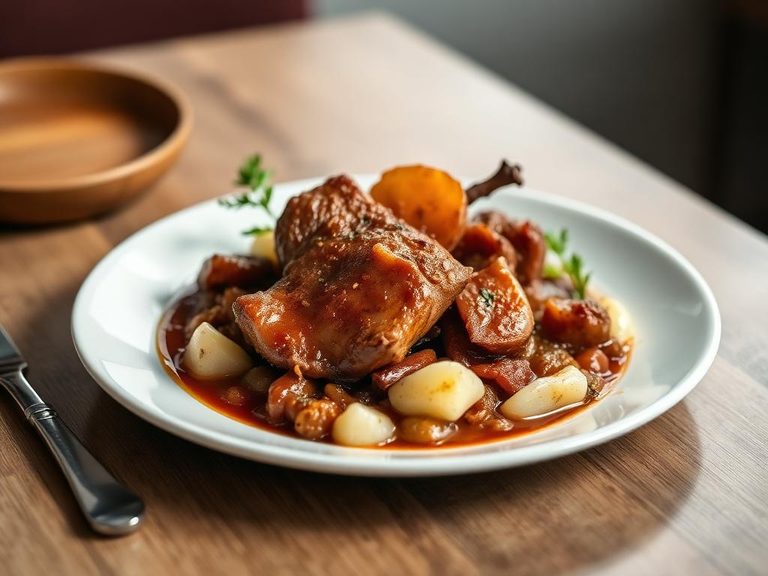
Braised pork heart is a dense, iron-rich organ meat with a texture similar to lean beef, offering a deep, savory flavor that becomes remarkably tender when slow-cooked. Its nutritional profile is exceptionally lean, delivering a high-protein punch with minimal fat and virtually no carbohydrates. This makes it a powerhouse for those seeking nutrient-dense, low-carb protein sources.
Calorie split: 67% protein · 1% carbs · 32% fat
↓ Full nutrition💚 Why it's loved
People love it for its rich, meaty flavor and satisfying, tender texture when braised, which makes it a versatile ingredient in hearty stews and slow-cooked dishes. It's also prized in many cultures as a traditional, nose-to-tail delicacy that maximizes nutrition from the whole animal.
⚠️ Watch-outs & how to enjoy it better
The primary downside is its potential high cholesterol content, which may concern individuals with specific heart health conditions. To mitigate this, pair it with fiber-rich vegetables and maintain portion control, and ensure it is cooked thoroughly to eliminate any risk from undercooked organ meat.
Key benefits
- Excellent source of high-quality protein (23.6g per 100g)
- Very low in fat (5.05g) and carbohydrates (0.4g)
- Rich in essential minerals like iron, zinc, and selenium
- Provides B vitamins, particularly B12 and B6
- A nutrient-dense, low-calorie option for muscle maintenance
🍽️ Popular dishes
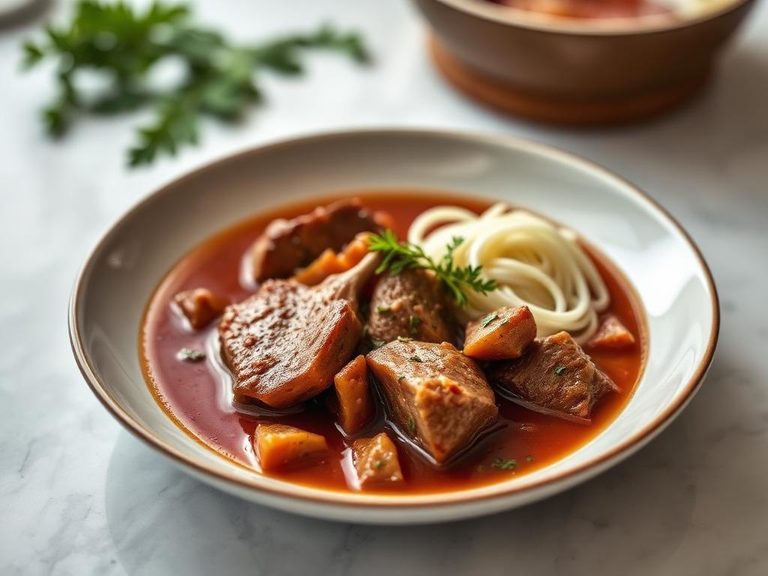
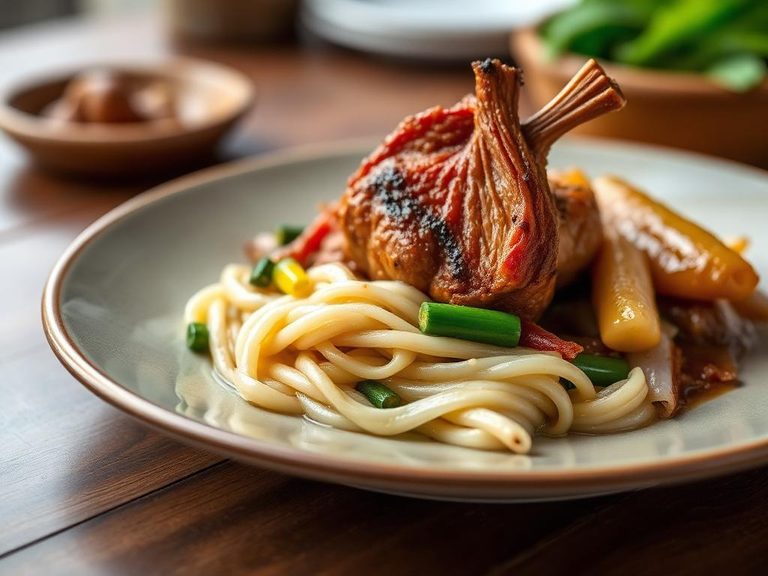
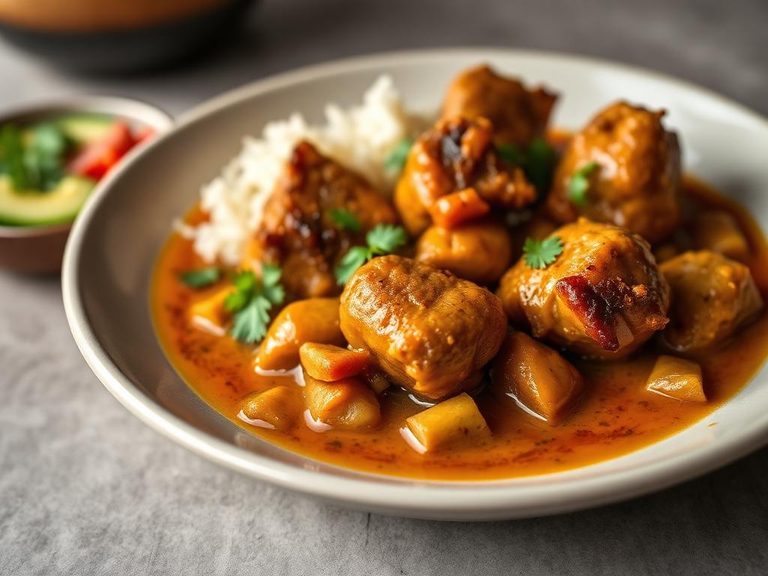
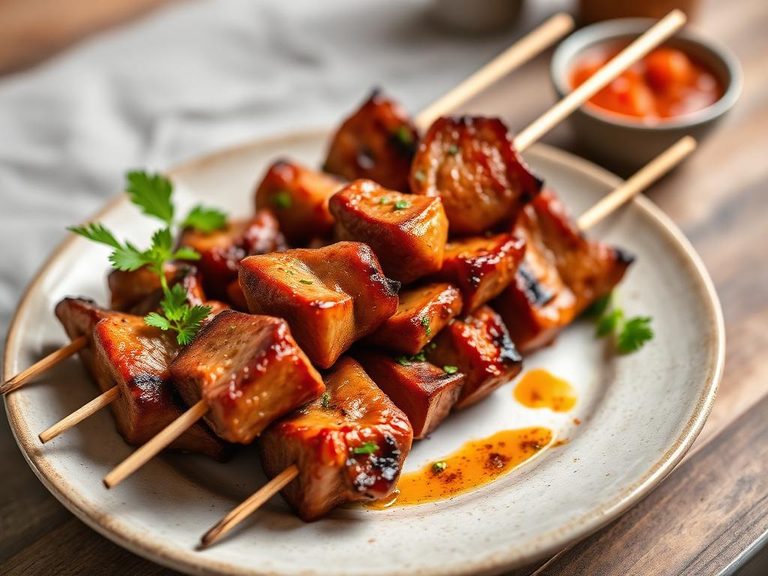
🌍 Where it's eaten
💡 Did you know?
Pork heart is one of the few meats that is almost pure muscle tissue, containing no fat marbling, which is why it remains lean even after braising.
Full nutrition (USDA data · scales with serving)
| Water | 68.1 g |
| Energy | 148 kcal |
| Energy | 619 kj |
| Protein | 23.6 g |
| Total lipid (fat) | 5.0 g |
| Ash | 1.0 g |
| Carbohydrate, by difference | 0.40 g |
| Fiber, total dietary | 0.00 g |
| Calcium, Ca | 7.0 mg |
| Iron, Fe | 5.8 mg |
| Magnesium, Mg | 24.0 mg |
| Phosphorus, P | 178 mg |
| Potassium, K | 206 mg |
| Sodium, Na | 35.0 mg |
| Zinc, Zn | 3.1 mg |
| Copper, Cu | 0.51 mg |
| Manganese, Mn | 0.07 mg |
| Selenium, Se | 18.3 ug |
| Vitamin C, total ascorbic acid | 2.0 mg |
| Thiamin | 0.56 mg |
| Riboflavin | 1.7 mg |
| Niacin | 6.0 mg |
| Pantothenic acid | 2.5 mg |
| Vitamin B-6 | 0.39 mg |
| Folate, total | 4.0 ug |
| Folic acid | 0.00 ug |
| Folate, food | 4.0 ug |
| Folate, DFE | 4.0 ug |
| Vitamin B-12 | 3.8 ug |
| Vitamin A, RAE | 7.0 ug |
| Retinol | 7.0 ug |
| Vitamin A, IU | 22.0 iu |
Fat & fatty acid profile (per 100g)
| Fatty acids, total saturated | 1.3 g |
| SFA 4:0 | 0.00 g |
| SFA 6:0 | 0.00 g |
| SFA 8:0 | 0.00 g |
| SFA 10:0 | 0.00 g |
| SFA 12:0 | 0.01 g |
| SFA 14:0 | 0.10 g |
| SFA 16:0 | 0.69 g |
| SFA 18:0 | 0.52 g |
| Fatty acids, total monounsaturated | 1.2 g |
| MUFA 16:1 | 0.11 g |
| MUFA 18:1 | 1.1 g |
| MUFA 20:1 | 0.02 g |
| MUFA 22:1 | 0.00 g |
| Fatty acids, total polyunsaturated | 1.3 g |
| PUFA 18:2 | 0.89 g |
| PUFA 18:3 | 0.10 g |
| PUFA 18:4 | 0.00 g |
| PUFA 20:4 | 0.31 g |
| PUFA 20:5 n-3 (EPA) | 0.00 g |
| PUFA 22:5 n-3 (DPA) | 0.00 g |
| PUFA 22:6 n-3 (DHA) | 0.00 g |
| Cholesterol | 221 mg |
| Phytosterols | 0.00 mg |
Amino acid profile (per 100g)
| Tryptophan | 0.27 g |
| Threonine | 1.0 g |
| Isoleucine | 1.1 g |
| Leucine | 2.1 g |
| Lysine | 2.0 g |
| Methionine | 0.60 g |
| Cystine | 0.42 g |
| Phenylalanine | 1.0 g |
| Tyrosine | 0.81 g |
| Valine | 1.3 g |
| Arginine | 1.6 g |
| Histidine | 0.60 g |
| Alanine | 1.5 g |
| Aspartic acid | 2.1 g |
| Glutamic acid | 3.8 g |
| Glycine | 1.3 g |
| Proline | 1.1 g |
| Serine | 1.1 g |
FAQ
How does braising affect the texture of pork heart?
Braising slowly cooks the heart in liquid, breaking down its tough connective tissues and turning it from a dense, chewy muscle into a tender, succulent meat.
Is pork heart a good source of iron?
Yes, pork heart is an excellent source of heme iron, which is more easily absorbed by the body than the non-heme iron found in plants.
Can I eat pork heart if I'm on a low-carb diet?
Absolutely. With only 0.4g of carbs per 100g, it's an ideal protein source for low-carb and ketogenic diets.
Nutrient density (calculated · NRF9.3)
Nutrient Rich Foods index: beneficial nutrients (protein, fiber, vitamins, minerals) minus saturated fat, added sugar & sodium, per 100 kcal.
NRF9.3 index — Fulgoni, Keast & Drewnowski, 2009. Computed from USDA nutrients.
Weight-loss friendliness (composite index)
Energy density 1.48 kcal/g · 64% calories from protein · 0.0 g fiber · 0.0 g sugar per 100 g.
Composite of energy density (Rolls et al., 1999), protein & fiber satiety, minus sugar. A calculated heuristic — ranks satiety-per-calorie, not a clinical measure.
Dietary load (calculated from USDA values)
Potential renal acid load. Positive = acid-forming, negative = alkaline-forming.
Sodium-to-potassium ratio: 0.17 (lower is better — aim for ≤ 1)
Sodium:potassium per WHO potassium guidance. Computed from USDA nutrients.