

Pork, cured, ham, extra lean (approximately 4% fat), canned, roasted
Whole food · Pork Products
This is a lean, protein-dense cut of ham that has been cured, canned, and roasted, resulting in a firm yet tender texture with a distinct salty-sweet flavor profile. Its exceptionally low fat content (about 4.88g per 100g) makes it a powerhouse of protein (21.16g per 100g) with minimal calories (136 kcal per 100g). The canning process gives it a unique, slightly smoky and concentrated taste that sets it apart from fresh or deli ham.
Calorie split: 65% protein · 2% carbs · 34% fat
↓ Full nutrition💚 Why it's loved
People love it for its savory, umami-rich flavor and satisfying, meaty texture that works well in both hot and cold dishes. Its convenience and high protein-to-calorie ratio make it a staple for quick, nutritious meals and snacks.
⚠️ Watch-outs & how to enjoy it better
The primary concern is its high sodium content from the curing and canning process, which can contribute to fluid retention and increased blood pressure in sensitive individuals. To counteract this, pair it with potassium-rich foods like bananas, sweet potatoes, or leafy greens to help balance electrolytes, and practice portion control (stick to 100-150g servings). Additionally, the processing may involve nitrates/nitrites; choosing varieties labeled 'uncured' or 'nitrate-free' can reduce exposure.
Key benefits
- High protein content (21.16g per 100g) supports muscle maintenance and satiety.
- Very low in carbohydrates (0.52g per 100g) and sugar (0g), making it suitable for low-carb and ketogenic diets.
- Provides a good source of B vitamins (especially B1, B6, and B12) and minerals like zinc and selenium.
- Convenient, shelf-stable, and ready-to-eat, requiring minimal preparation.
- Low in fat (4.88g per 100g), particularly saturated fat, compared to many other processed meats.
🍽️ Popular dishes

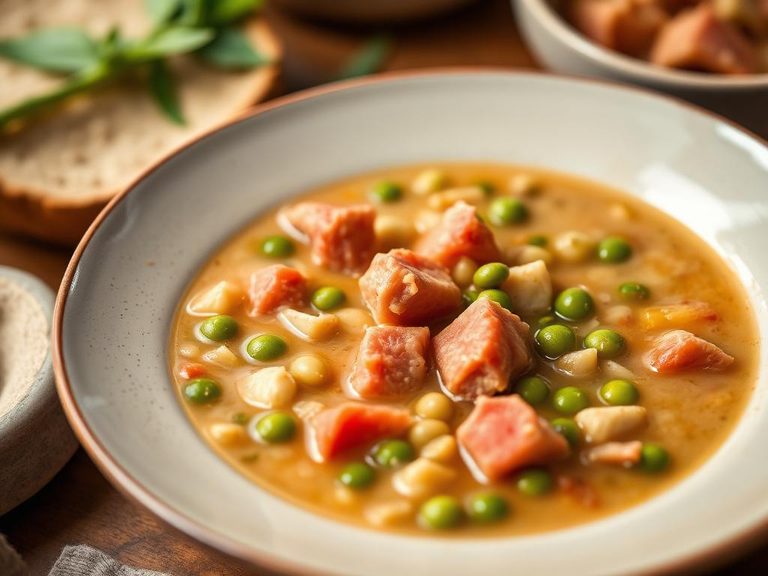
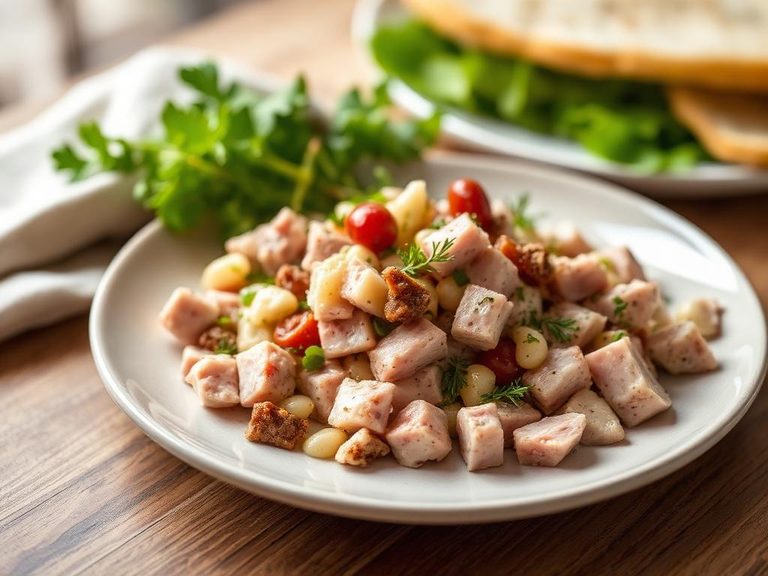
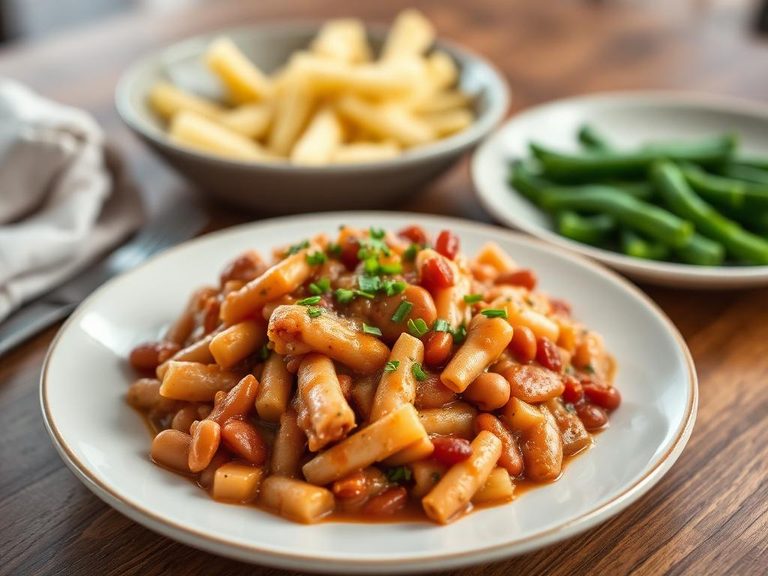
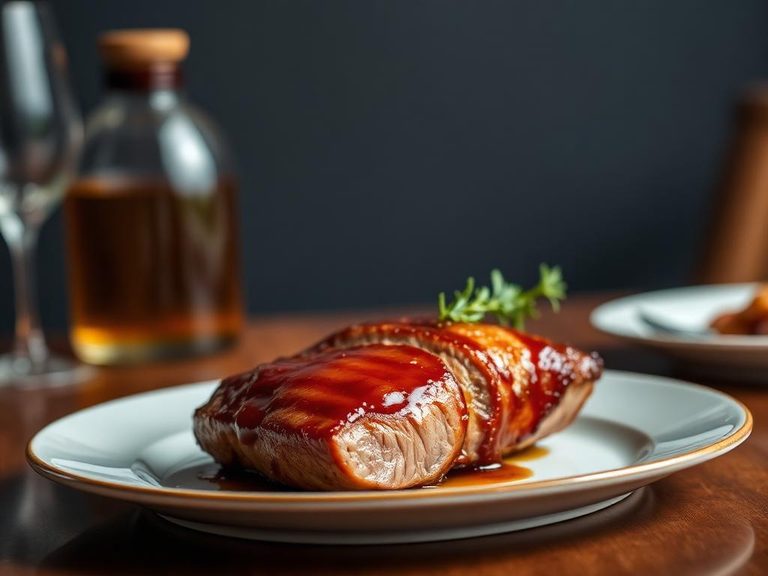
🌍 Where it's eaten
💡 Did you know?
Canned ham became a popular food in the United States during World War II due to its long shelf life and ease of transport for troops, and it remains a nostalgic staple in many American households, especially during holidays.
Full nutrition (USDA data · scales with serving)
| Water | 69.5 g |
| Energy | 136 kcal |
| Energy | 569 kj |
| Protein | 21.2 g |
| Total lipid (fat) | 4.9 g |
| Ash | 4.0 g |
| Carbohydrate, by difference | 0.52 g |
| Fiber, total dietary | 0.00 g |
| Calcium, Ca | 6.0 mg |
| Iron, Fe | 0.92 mg |
| Magnesium, Mg | 21.0 mg |
| Phosphorus, P | 209 mg |
| Potassium, K | 348 mg |
| Sodium, Na | 1135 mg |
| Zinc, Zn | 2.2 mg |
| Copper, Cu | 0.05 mg |
| Manganese, Mn | 0.02 mg |
| Selenium, Se | 17.4 ug |
| Vitamin C, total ascorbic acid | 0.00 mg |
| Thiamin | 1.0 mg |
| Riboflavin | 0.25 mg |
| Niacin | 4.9 mg |
| Pantothenic acid | 0.57 mg |
| Vitamin B-6 | 0.45 mg |
| Folate, total | 5.0 ug |
| Folic acid | 0.00 ug |
| Folate, food | 5.0 ug |
| Folate, DFE | 5.0 ug |
| Vitamin B-12 | 0.71 ug |
| Vitamin A, RAE | 0.00 ug |
| Retinol | 0.00 ug |
| Vitamin A, IU | 0.00 iu |
| Alcohol, ethyl | 0.00 g |
Fat & fatty acid profile (per 100g)
| Fatty acids, total saturated | 1.6 g |
| SFA 4:0 | 0.00 g |
| SFA 6:0 | 0.00 g |
| SFA 8:0 | 0.00 g |
| SFA 10:0 | 0.00 g |
| SFA 12:0 | 0.00 g |
| SFA 14:0 | 0.05 g |
| SFA 16:0 | 1.1 g |
| SFA 18:0 | 0.48 g |
| Fatty acids, total monounsaturated | 2.5 g |
| MUFA 16:1 | 0.19 g |
| MUFA 18:1 | 2.3 g |
| MUFA 20:1 | 0.00 g |
| MUFA 22:1 | 0.00 g |
| Fatty acids, total polyunsaturated | 0.44 g |
| PUFA 18:2 | 0.39 g |
| PUFA 18:3 | 0.05 g |
| PUFA 18:4 | 0.00 g |
| PUFA 20:4 | 0.00 g |
| PUFA 20:5 n-3 (EPA) | 0.00 g |
| PUFA 22:5 n-3 (DPA) | 0.00 g |
| PUFA 22:6 n-3 (DHA) | 0.00 g |
| Cholesterol | 30.0 mg |
| Phytosterols | 0.00 mg |
Amino acid profile (per 100g)
| Tryptophan | 0.24 g |
| Threonine | 0.94 g |
| Isoleucine | 0.91 g |
| Leucine | 1.6 g |
| Lysine | 1.8 g |
| Methionine | 0.55 g |
| Cystine | 0.25 g |
| Phenylalanine | 0.82 g |
| Tyrosine | 0.69 g |
| Valine | 0.95 g |
| Arginine | 1.3 g |
| Histidine | 0.84 g |
| Alanine | 1.2 g |
| Aspartic acid | 2.0 g |
| Glutamic acid | 3.1 g |
| Glycine | 1.0 g |
| Proline | 0.90 g |
| Serine | 0.82 g |
FAQ
Is canned ham the same as deli ham?
No, canned ham is a whole muscle cut that is cured, cooked, and sealed in a can, often with a gelatinous broth, giving it a firmer texture and more concentrated flavor. Deli ham is typically sliced from a larger cooked ham and may be less processed.
How should I store opened canned ham?
Once opened, transfer the ham to an airtight container and refrigerate it. It should be consumed within 3-5 days. For longer storage, you can freeze it for up to 2 months, though the texture may become slightly drier.
Can I use this ham in recipes that call for fresh ham?
Yes, but be mindful of its higher salt content and pre-cooked state. It's best used in dishes where the ham is added toward the end of cooking, such as in soups, salads, or casseroles, to avoid over-salting or drying it out.
Nutrient density (calculated · NRF9.3)
Nutrient Rich Foods index: beneficial nutrients (protein, fiber, vitamins, minerals) minus saturated fat, added sugar & sodium, per 100 kcal.
NRF9.3 index — Fulgoni, Keast & Drewnowski, 2009. Computed from USDA nutrients.
Weight-loss friendliness (composite index)
Energy density 1.36 kcal/g · 62% calories from protein · 0.0 g fiber · 0.0 g sugar per 100 g.
Composite of energy density (Rolls et al., 1999), protein & fiber satiety, minus sugar. A calculated heuristic — ranks satiety-per-calorie, not a clinical measure.
Dietary load (calculated from USDA values)
Potential renal acid load. Positive = acid-forming, negative = alkaline-forming.
Sodium-to-potassium ratio: 3.26 (lower is better — aim for ≤ 1)
Sodium:potassium per WHO potassium guidance. Computed from USDA nutrients.