

Plantain, cooked with butter or margarine
Common food
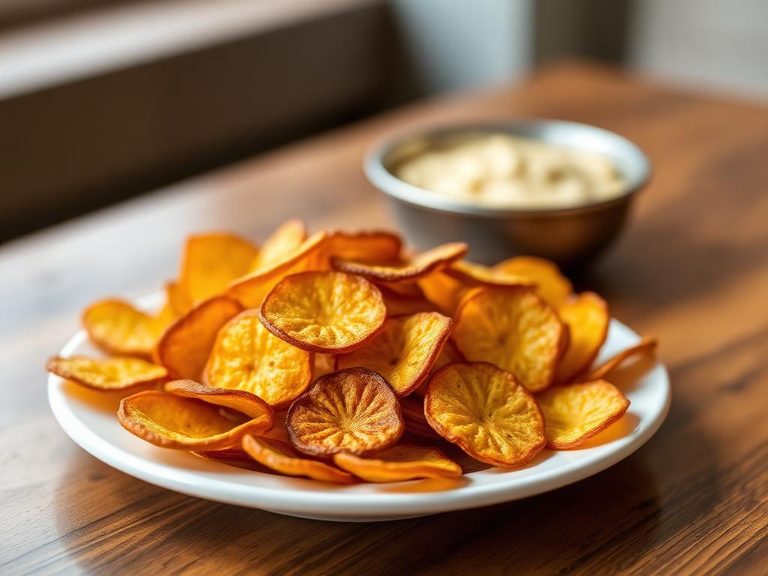
Cooked plantain, glistening with butter or margarine, transforms into a sweet, caramelized side with a soft, creamy interior and a slightly crisp exterior. This preparation amplifies its natural starchiness into a rich, comforting flavor profile, offering a notable source of quick energy from its carbohydrate content.
Calorie split: 3% protein · 82% carbs · 15% fat
↓ Full nutrition💚 Why it's loved
People love it for its sweet, buttery flavor and the way it bridges the gap between a starchy vegetable and a comforting treat. It's a versatile staple in many cuisines, often evoking a sense of home cooking and tradition.
⚠️ Watch-outs & how to enjoy it better
The high carbohydrate and sugar content can cause rapid blood sugar spikes, making portion control important for those managing diabetes. To counteract this, pair it with a source of protein or healthy fat (like black beans or avocado) and opt for firmer, less ripe (yellow with black spots) plantains which have a lower glycemic impact.
Key benefits
- Excellent source of potassium, supporting heart and muscle function.
- Provides resistant starch when less ripe, aiding gut health.
- Good source of vitamin A, essential for vision and immune health.
- Offers a satisfying, energy-dense carbohydrate source.
🍽️ Popular dishes
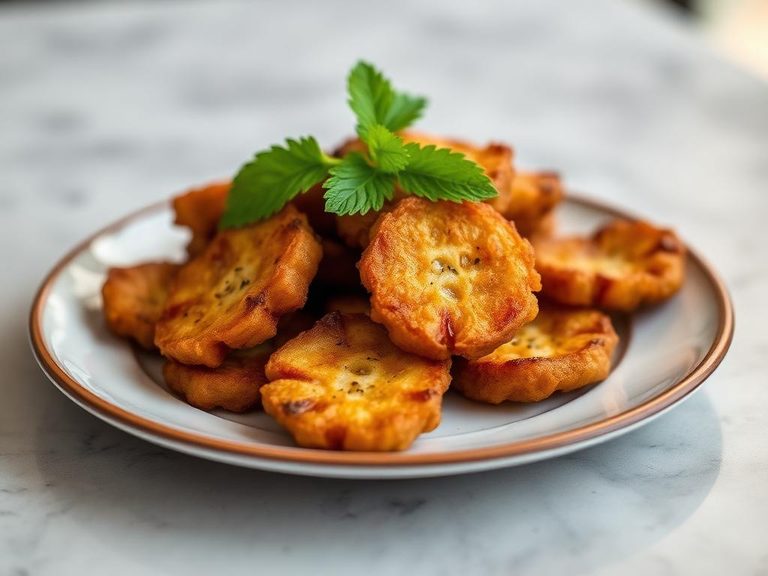
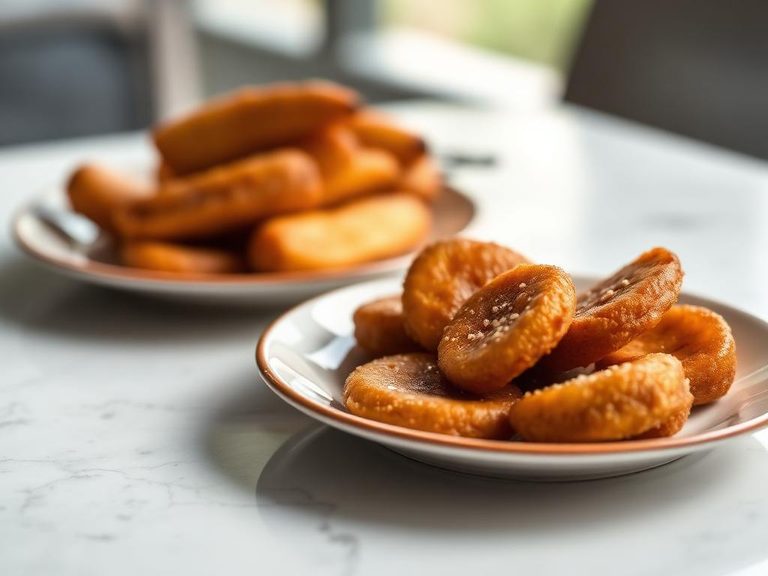
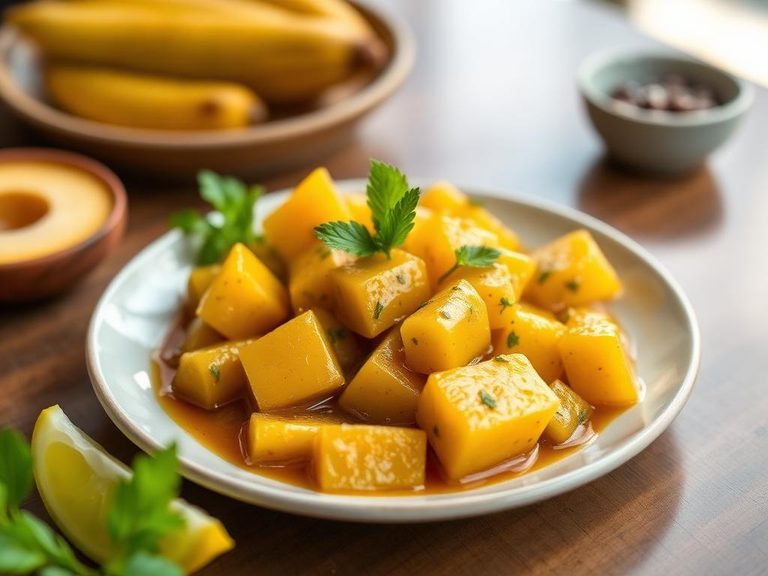
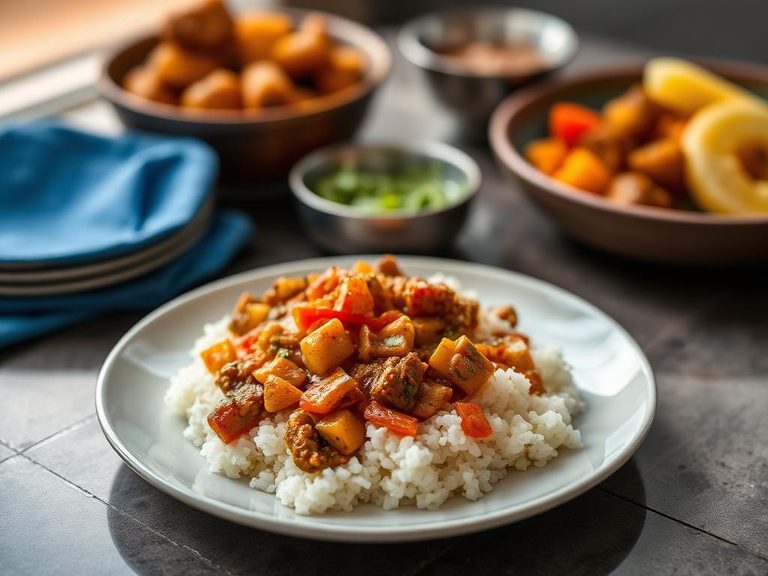
🌍 Where it's eaten
💡 Did you know?
Botanically, plantains are a type of cooking banana, and unlike their sweet dessert cousins, they are almost always cooked before eating due to their high starch content.
Full nutrition (USDA data · scales with serving)
| Water | 63.8 g |
| Energy | 138 kcal |
| Protein | 1.3 g |
| Total lipid (fat) | 2.5 g |
| Carbohydrate, by difference | 30.9 g |
| Fiber, total dietary | 1.6 g |
| Total Sugars | 17.0 g |
| Calcium, Ca | 4.0 mg |
| Iron, Fe | 0.53 mg |
| Magnesium, Mg | 35.0 mg |
| Phosphorus, P | 32.0 mg |
| Potassium, K | 472 mg |
| Sodium, Na | 133 mg |
| Zinc, Zn | 0.18 mg |
| Copper, Cu | 0.07 mg |
| Selenium, Se | 1.5 ug |
| Vitamin C, total ascorbic acid | 15.1 mg |
| Thiamin | 0.05 mg |
| Riboflavin | 0.07 mg |
| Niacin | 0.62 mg |
| Vitamin B-6 | 0.24 mg |
| Folate, total | 18.0 ug |
| Folic acid | 0.00 ug |
| Folate, food | 18.0 ug |
| Folate, DFE | 18.0 ug |
| Choline, total | 13.5 mg |
| Vitamin B-12 | 0.00 ug |
| Vitamin B-12, added | 0.00 ug |
| Vitamin A, RAE | 74.0 ug |
| Retinol | 22.0 ug |
| Carotene, beta | 430 ug |
| Carotene, alpha | 403 ug |
| Cryptoxanthin, beta | 0.00 ug |
| Lycopene | 0.00 ug |
| Lutein + zeaxanthin | 28.0 ug |
| Vitamin E (alpha-tocopherol) | 0.21 mg |
| Vitamin E, added | 0.00 mg |
| Vitamin D (D2 + D3) | 0.00 ug |
| Vitamin K (phylloquinone) | 29.2 ug |
| Alcohol, ethyl | 0.00 g |
| Caffeine | 0.00 mg |
| Theobromine | 0.00 mg |
Fat & fatty acid profile (per 100g)
| Fatty acids, total saturated | 0.94 g |
| SFA 4:0 | 0.04 g |
| SFA 6:0 | 0.03 g |
| SFA 8:0 | 0.01 g |
| SFA 10:0 | 0.03 g |
| SFA 12:0 | 0.04 g |
| SFA 14:0 | 0.13 g |
| SFA 16:0 | 0.45 g |
| SFA 18:0 | 0.19 g |
| Fatty acids, total monounsaturated | 0.58 g |
| MUFA 16:1 | 0.02 g |
| MUFA 18:1 | 0.54 g |
| MUFA 20:1 | 0.00 g |
| MUFA 22:1 | 0.00 g |
| Fatty acids, total polyunsaturated | 0.34 g |
| PUFA 18:2 | 0.31 g |
| PUFA 18:3 | 0.04 g |
| PUFA 18:4 | 0.00 g |
| PUFA 20:4 | 0.00 g |
| PUFA 20:5 n-3 (EPA) | 0.00 g |
| PUFA 22:5 n-3 (DPA) | 0.00 g |
| PUFA 22:6 n-3 (DHA) | 0.00 g |
| Cholesterol | 4.0 mg |
Amino acid profile (per 100g)
Estimated from Plantains, green, boiled — USDA does not publish this profile for Plantain.
| Tryptophan | 0.01 g |
| Threonine | 0.02 g |
| Isoleucine | 0.02 g |
| Leucine | 0.04 g |
| Lysine | 0.05 g |
| Methionine | 0.01 g |
| Cystine | 0.02 g |
| Phenylalanine | 0.03 g |
| Tyrosine | 0.02 g |
| Valine | 0.02 g |
| Arginine | 0.06 g |
| Histidine | 0.06 g |
| Alanine | 0.03 g |
| Aspartic acid | 0.09 g |
| Glutamic acid | 0.08 g |
| Glycine | 0.03 g |
| Proline | 0.03 g |
| Serine | 0.03 g |
| Hydroxyproline | 0.00 g |
FAQ
What's the difference between a plantain and a banana?
Plantains are larger, have thicker skin, and are starchier and less sweet than common dessert bananas. They are almost always cooked before eating, while bananas are typically eaten raw.
How do I choose a plantain for cooking?
Color indicates ripeness and sweetness. Green plantains are firm and starchy (for savory dishes like tostones). Yellow plantains are sweeter and softer. Black plantains are very sweet and soft, ideal for desserts like maduros.
Can I use butter or margarine interchangeably?
Yes, both will provide the fat needed for frying and flavor. Butter adds a richer, dairy taste, while margarine is a plant-based alternative. The nutritional profile will vary slightly based on the specific product used.
Nutrient density (calculated · NRF9.3)
Nutrient Rich Foods index: beneficial nutrients (protein, fiber, vitamins, minerals) minus saturated fat, added sugar & sodium, per 100 kcal.
NRF9.3 index — Fulgoni, Keast & Drewnowski, 2009. Computed from USDA nutrients.
Weight-loss friendliness (composite index)
Energy density 1.38 kcal/g · 4% calories from protein · 1.6 g fiber · 17.0 g sugar per 100 g.
Composite of energy density (Rolls et al., 1999), protein & fiber satiety, minus sugar. A calculated heuristic — ranks satiety-per-calorie, not a clinical measure.
Dietary load (calculated from USDA values)
Potential renal acid load. Positive = acid-forming, negative = alkaline-forming.
Sodium-to-potassium ratio: 0.28 (lower is better — aim for ≤ 1)
Sodium:potassium per WHO potassium guidance. Computed from USDA nutrients.