

Pineapple, raw, extra sweet variety
Whole food · Fruits and Fruit Juices

Photo: Wikipedia
This is a raw, extra sweet variety of pineapple, prized for its exceptionally high sugar content and low acidity. Its vibrant golden flesh offers a juicy, tender texture with a flavor that is intensely sweet, fragrant, and tropical, lacking the sharp tang of standard varieties. Nutritionally, it is a low-calorie, hydrating fruit that provides a quick source of natural energy from its sugars and a good dose of dietary fiber.
Calorie split: 4% protein · 95% carbs · 2% fat
↓ Full nutrition💚 Why it's loved
People love it for its explosive, candy-like sweetness and refreshing juiciness, which makes it a perfect standalone snack or a vibrant addition to dishes. Its versatility shines in everything from grilled desserts to savory salsas, embodying the essence of tropical cuisine and celebration.
⚠️ Watch-outs & how to enjoy it better
Its high natural sugar content can cause rapid blood-sugar spikes, making portion control important for those managing diabetes. The enzyme bromelain can cause oral irritation or allergic reactions in some individuals; pairing it with a protein source (like yogurt or nuts) can slow sugar absorption and mitigate this. For those with sensitive digestion, starting with a small portion is advisable.
Key benefits
- Excellent source of vitamin C and manganese.
- Contains the enzyme bromelain, which aids protein digestion.
- High water content promotes hydration.
- Provides dietary fiber for digestive health.
- Rich in antioxidants like flavonoids and phenolic acids.
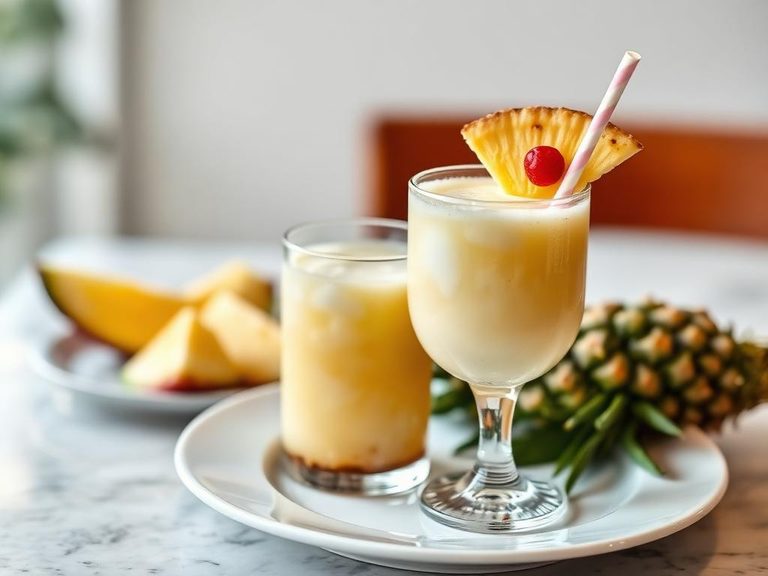
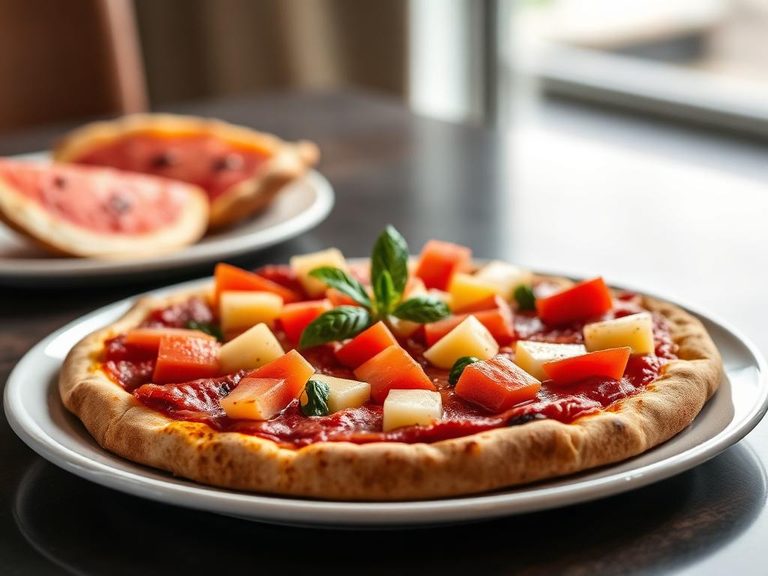
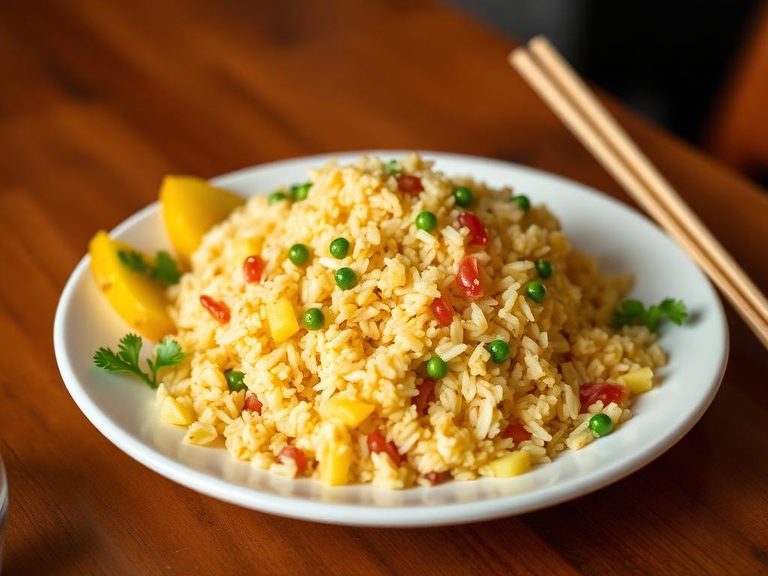
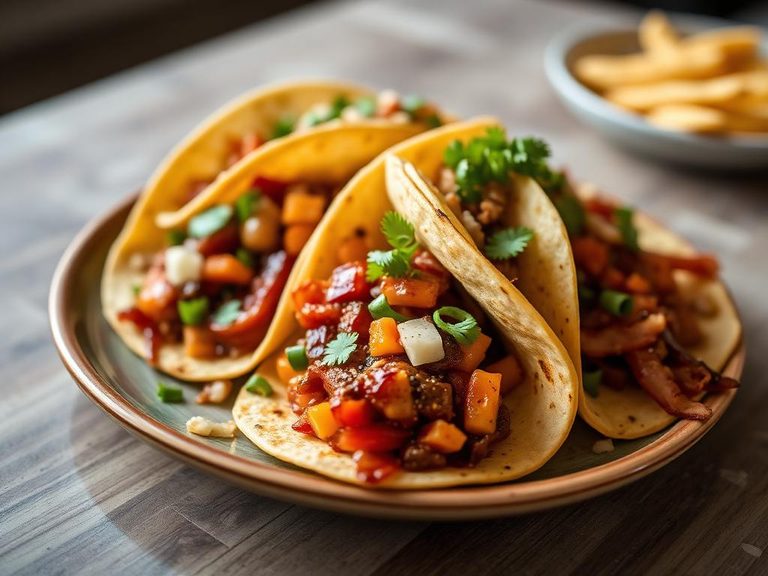
🍽️ Popular dishes
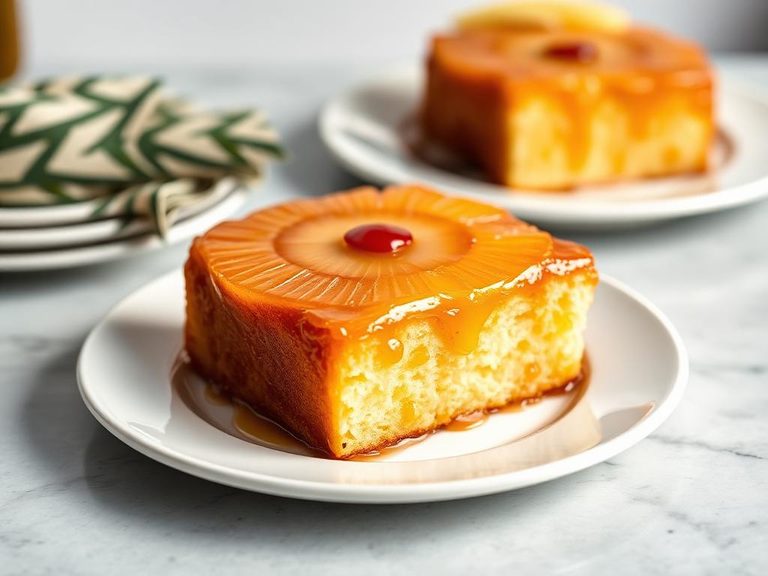
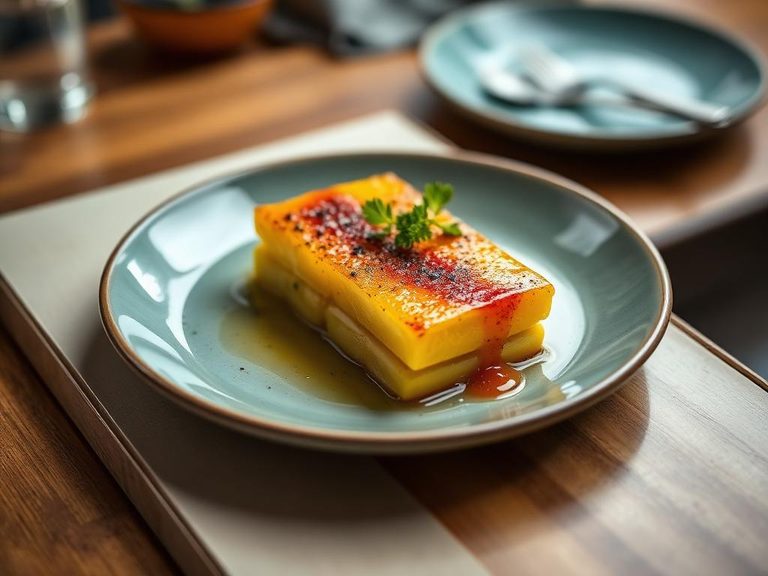
🌍 Where it's eaten
💡 Did you know?
Pineapples are not a single fruit but a coalescence of 100-200 individual fruitlets fused around a central core, and a single plant takes about three years to produce just one fruit.
Full nutrition (USDA data · scales with serving)
| Water | 85.7 g |
| Energy | 51.0 kcal |
| Energy | 215 kj |
| Protein | 0.53 g |
| Total lipid (fat) | 0.11 g |
| Ash | 0.20 g |
| Carbohydrate, by difference | 13.5 g |
| Fiber, total dietary | 1.4 g |
| Total Sugars | 10.3 g |
| Sucrose | 6.5 g |
| Glucose | 1.7 g |
| Fructose | 2.1 g |
| Lactose | 0.00 g |
| Maltose | 0.00 g |
| Galactose | 0.00 g |
| Starch | 0.00 g |
| Calcium, Ca | 13.0 mg |
| Iron, Fe | 0.28 mg |
| Magnesium, Mg | 12.0 mg |
| Phosphorus, P | 8.0 mg |
| Potassium, K | 108 mg |
| Sodium, Na | 1.0 mg |
| Zinc, Zn | 0.12 mg |
| Copper, Cu | 0.11 mg |
| Manganese, Mn | 0.82 mg |
| Selenium, Se | 0.10 ug |
| Vitamin C, total ascorbic acid | 56.4 mg |
| Thiamin | 0.08 mg |
| Riboflavin | 0.03 mg |
| Niacin | 0.51 mg |
| Pantothenic acid | 0.22 mg |
| Vitamin B-6 | 0.11 mg |
| Folate, total | 19.0 ug |
| Folic acid | 0.00 ug |
| Folate, food | 19.0 ug |
| Folate, DFE | 19.0 ug |
| Choline, total | 5.4 mg |
| Betaine | 0.10 mg |
| Vitamin A, RAE | 3.0 ug |
| Carotene, beta | 34.0 ug |
| Carotene, alpha | 0.00 ug |
| Cryptoxanthin, beta | 0.00 ug |
| Vitamin A, IU | 57.0 iu |
| Lycopene | 0.00 ug |
| Lutein + zeaxanthin | 0.00 ug |
| Vitamin E (alpha-tocopherol) | 0.02 mg |
| Tocopherol, beta | 0.00 mg |
| Tocopherol, gamma | 0.00 mg |
| Tocopherol, delta | 0.00 mg |
| Tocotrienol, alpha | 0.02 mg |
| Tocotrienol, beta | 0.00 mg |
| Tocotrienol, gamma | 0.00 mg |
| Tocotrienol, delta | 0.00 mg |
| Vitamin D (D2 + D3), International Units | 0.00 iu |
| Vitamin D (D2 + D3) | 0.00 ug |
| Vitamin K (phylloquinone) | 0.70 ug |
| Vitamin K (Dihydrophylloquinone) | 0.00 ug |
Fat & fatty acid profile (per 100g)
| Fatty acids, total trans | 0.00 g |
Amino acid profile (per 100g)
Estimated from Pineapple, frozen, chunks, sweetened — USDA does not publish this profile for Pineapple.
| Tryptophan | 0.01 g |
| Threonine | 0.01 g |
| Isoleucine | 0.01 g |
| Leucine | 0.02 g |
| Lysine | 0.03 g |
| Methionine | 0.01 g |
| Cystine | 0.00 g |
| Phenylalanine | 0.01 g |
| Tyrosine | 0.01 g |
| Valine | 0.02 g |
| Arginine | 0.02 g |
| Histidine | 0.01 g |
| Alanine | 0.02 g |
| Aspartic acid | 0.06 g |
| Glutamic acid | 0.05 g |
| Glycine | 0.02 g |
| Proline | 0.01 g |
| Serine | 0.03 g |
FAQ
Why is this pineapple called 'extra sweet'?
It's a cultivated variety (like 'MD-2' or 'Gold') bred for higher sugar content and lower acidity, resulting in a sweeter, less tart flavor profile compared to traditional varieties.
Can I eat the core?
Yes, the core is edible and contains a concentrated amount of the digestive enzyme bromelain. However, it is very tough and fibrous; most people prefer to remove it or blend it into smoothies.
How do I pick a ripe one?
Look for a golden-yellow color from the base up, a sweet fragrance at the stem end, and leaves that pull out easily from the center with a gentle tug. Avoid ones with soft spots or a fermented smell.
Nutrient density (calculated · NRF9.3)
Nutrient Rich Foods index: beneficial nutrients (protein, fiber, vitamins, minerals) minus saturated fat, added sugar & sodium, per 100 kcal.
NRF9.3 index — Fulgoni, Keast & Drewnowski, 2009. Computed from USDA nutrients.
Weight-loss friendliness (composite index)
Energy density 0.51 kcal/g · 4% calories from protein · 1.4 g fiber · 10.3 g sugar per 100 g.
Composite of energy density (Rolls et al., 1999), protein & fiber satiety, minus sugar. A calculated heuristic — ranks satiety-per-calorie, not a clinical measure.
Dietary load (calculated from USDA values)
Potential renal acid load. Positive = acid-forming, negative = alkaline-forming.
Sodium-to-potassium ratio: 0.01 (lower is better — aim for ≤ 1)
Sodium:potassium per WHO potassium guidance. Computed from USDA nutrients.