

Pear, Asian, raw
Common food

Photo: Wikipedia
The Asian pear is a crisp, juicy fruit that tastes more like a cross between a pear and an apple, with a refreshing, subtly sweet flavor and a satisfying crunch. Its high water content makes it exceptionally hydrating, while its low calorie count (42 kcal per 100g) and decent fiber (3.6g) offer a light, nutritious snack.
Calorie split: 4% protein · 91% carbs · 4% fat
↓ Full nutrition💚 Why it's loved
People adore the Asian pear for its unique, refreshing crunch and clean, sweet flavor that stands out from softer European varieties. It's incredibly versatile, enjoyed raw as a snack, sliced into salads, or used in savory dishes, and holds deep cultural significance in East Asian cuisines as a symbol of prosperity and health.
⚠️ Watch-outs & how to enjoy it better
While generally healthy, its natural sugars (7.05g per 100g) can contribute to blood sugar spikes if eaten in large quantities, especially by those with insulin sensitivity. To mitigate this, pair it with a source of protein or healthy fat (like nuts or cheese) and practice portion control, sticking to a medium-sized fruit.
Key benefits
- High water content for hydration
- Low calorie density for weight management
- Good source of dietary fiber
- Contains vitamin C and potassium
- Crunchy texture aids in satiety
🍽️ Popular dishes
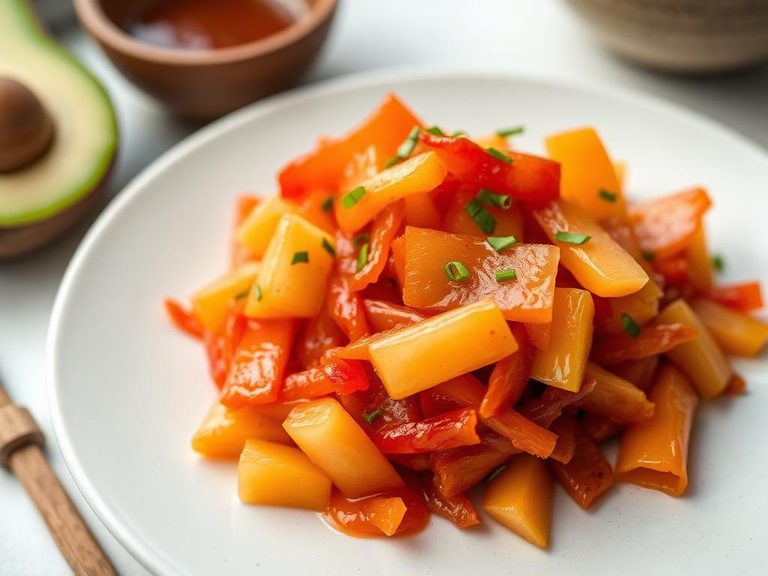
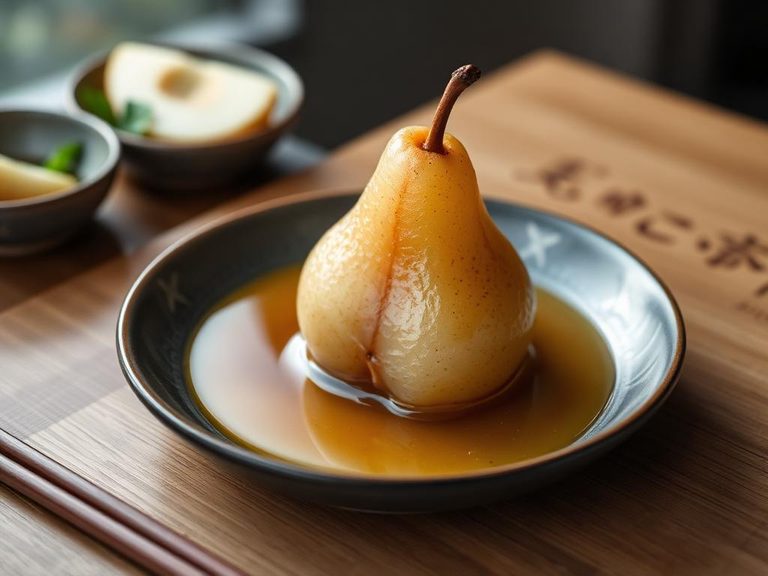
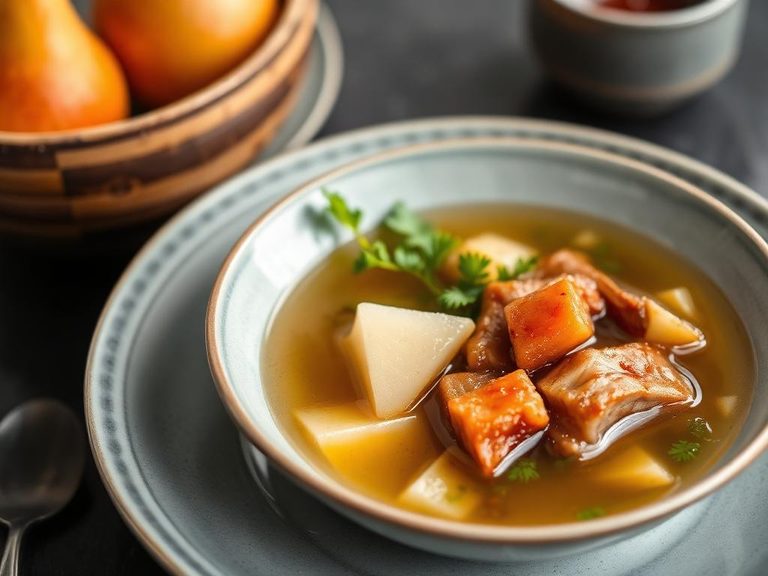
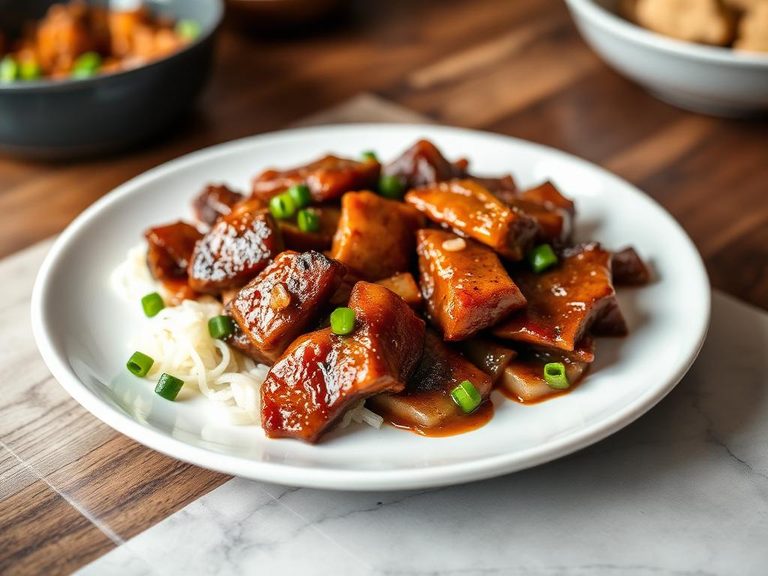
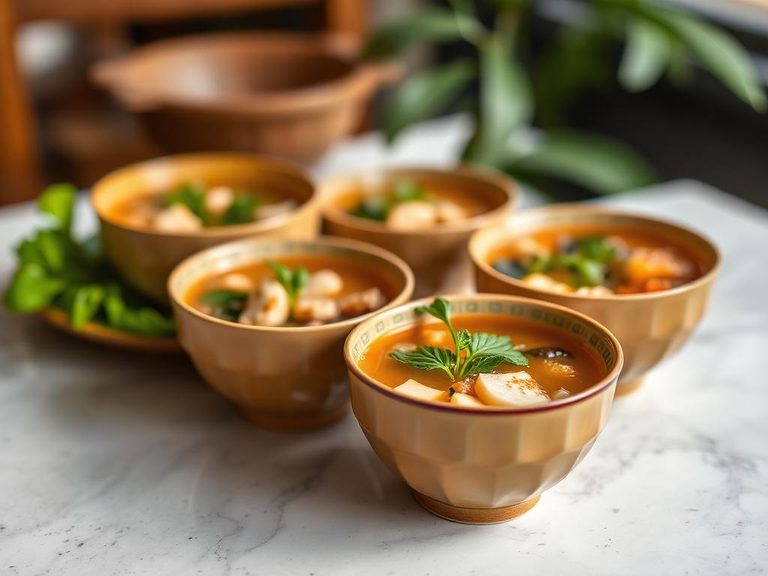
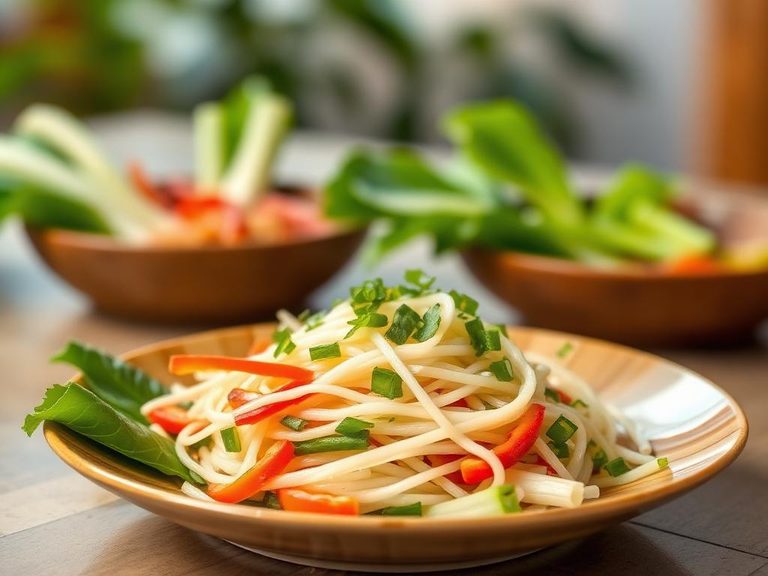
🌍 Where it's eaten
💡 Did you know?
The Asian pear (Pyrus pyrifolia) is often called 'apple pear' because its round shape and crisp texture resemble an apple, but it's botanically a pear and is one of the oldest cultivated fruits in East Asia, dating back over 3,000 years.
Full nutrition (USDA data · scales with serving)
| Water | 88.3 g |
| Energy | 42.0 kcal |
| Protein | 0.50 g |
| Total lipid (fat) | 0.23 g |
| Carbohydrate, by difference | 10.7 g |
| Fiber, total dietary | 3.6 g |
| Total Sugars | 7.0 g |
| Calcium, Ca | 4.0 mg |
| Iron, Fe | 0.00 mg |
| Magnesium, Mg | 8.0 mg |
| Phosphorus, P | 11.0 mg |
| Potassium, K | 121 mg |
| Sodium, Na | 0.00 mg |
| Zinc, Zn | 0.02 mg |
| Copper, Cu | 0.05 mg |
| Selenium, Se | 0.10 ug |
| Vitamin C, total ascorbic acid | 3.8 mg |
| Thiamin | 0.01 mg |
| Riboflavin | 0.01 mg |
| Niacin | 0.22 mg |
| Vitamin B-6 | 0.02 mg |
| Folate, total | 8.0 ug |
| Folic acid | 0.00 ug |
| Folate, food | 8.0 ug |
| Folate, DFE | 8.0 ug |
| Choline, total | 5.1 mg |
| Vitamin B-12 | 0.00 ug |
| Vitamin B-12, added | 0.00 ug |
| Vitamin A, RAE | 0.00 ug |
| Retinol | 0.00 ug |
| Carotene, beta | 0.00 ug |
| Carotene, alpha | 0.00 ug |
| Cryptoxanthin, beta | 0.00 ug |
| Lycopene | 0.00 ug |
| Lutein + zeaxanthin | 50.0 ug |
| Vitamin E (alpha-tocopherol) | 0.12 mg |
| Vitamin E, added | 0.00 mg |
| Vitamin D (D2 + D3) | 0.00 ug |
| Vitamin K (phylloquinone) | 4.5 ug |
| Alcohol, ethyl | 0.00 g |
| Caffeine | 0.00 mg |
| Theobromine | 0.00 mg |
Fat & fatty acid profile (per 100g)
| Fatty acids, total saturated | 0.01 g |
| SFA 4:0 | 0.00 g |
| SFA 6:0 | 0.00 g |
| SFA 8:0 | 0.00 g |
| SFA 10:0 | 0.00 g |
| SFA 12:0 | 0.00 g |
| SFA 14:0 | 0.00 g |
| SFA 16:0 | 0.01 g |
| SFA 18:0 | 0.00 g |
| Fatty acids, total monounsaturated | 0.05 g |
| MUFA 16:1 | 0.00 g |
| MUFA 18:1 | 0.05 g |
| MUFA 20:1 | 0.00 g |
| MUFA 22:1 | 0.00 g |
| Fatty acids, total polyunsaturated | 0.06 g |
| PUFA 18:2 | 0.05 g |
| PUFA 18:3 | 0.00 g |
| PUFA 18:4 | 0.00 g |
| PUFA 20:4 | 0.00 g |
| PUFA 20:5 n-3 (EPA) | 0.00 g |
| PUFA 22:5 n-3 (DPA) | 0.00 g |
| PUFA 22:6 n-3 (DHA) | 0.00 g |
| Cholesterol | 0.00 mg |
Amino acid profile (per 100g)
Estimated from Pears, canned, juice pack, solids and liquids — USDA does not publish this profile for Pear.
| Threonine | 0.01 g |
| Isoleucine | 0.01 g |
| Leucine | 0.02 g |
| Lysine | 0.01 g |
| Methionine | 0.00 g |
| Cystine | 0.00 g |
| Phenylalanine | 0.01 g |
| Tyrosine | 0.00 g |
| Valine | 0.01 g |
| Arginine | 0.01 g |
| Histidine | 0.00 g |
| Alanine | 0.01 g |
| Aspartic acid | 0.07 g |
| Glutamic acid | 0.03 g |
| Glycine | 0.01 g |
| Proline | 0.01 g |
| Serine | 0.01 g |
FAQ
Is an Asian pear the same as a regular pear?
No, Asian pears (Pyrus pyrifolia) are a different species from European pears (Pyrus communis). They are rounder, crunchier, and have a milder, sweeter flavor, while European pears are typically softer and more aromatic when ripe.
How do I know when an Asian pear is ripe?
Asian pears are best eaten when firm and crisp. Look for a fragrant aroma, a golden-brown or greenish-yellow skin, and a slight give when pressed gently. Unlike European pears, they don't soften much after picking.
Can I cook with Asian pears?
Yes, they hold their shape well in cooking and can be used in salads, stir-fries, or baked dishes. They also make excellent marinades for meat, as their natural enzymes help tenderize proteins.
Nutrient density (calculated · NRF9.3)
Nutrient Rich Foods index: beneficial nutrients (protein, fiber, vitamins, minerals) minus saturated fat, added sugar & sodium, per 100 kcal.
NRF9.3 index — Fulgoni, Keast & Drewnowski, 2009. Computed from USDA nutrients.
Weight-loss friendliness (composite index)
Energy density 0.42 kcal/g · 5% calories from protein · 3.6 g fiber · 7.0 g sugar per 100 g.
Composite of energy density (Rolls et al., 1999), protein & fiber satiety, minus sugar. A calculated heuristic — ranks satiety-per-calorie, not a clinical measure.
Dietary load (calculated from USDA values)
Potential renal acid load. Positive = acid-forming, negative = alkaline-forming.
Sodium-to-potassium ratio: 0.00 (lower is better — aim for ≤ 1)
Sodium:potassium per WHO potassium guidance. Computed from USDA nutrients.