

Orange, canned, juice pack
Common food

Photo: Wikipedia
This is the sweet, tangy essence of an orange, captured in its own juice without the fibrous pulp. Its flavor is bright and sunny, with a smooth, thin consistency that's less viscous than whole-juice versions. Nutritionally, it's a low-calorie, virtually fat-free source of quick energy and vitamin C.
Calorie split: 6% protein · 93% carbs · 1% fat
↓ Full nutrition💚 Why it's loved
People love it for its pure, concentrated citrus flavor that's instantly refreshing and nostalgic, evoking sunny breakfasts and childhood snacks. Its versatility makes it a staple for everything from a standalone drink to a base for cocktails, marinades, and dressings.
⚠️ Watch-outs & how to enjoy it better
The primary concern is its high sugar content (mostly natural fructose), which can cause a rapid blood-sugar spike, making it less ideal for those managing diabetes or insulin resistance. To mitigate this, pair it with a source of protein or healthy fat (like nuts or yogurt) to slow absorption, or dilute it with water or sparkling water. It also lacks the filling fiber of whole oranges, so portion control is key.
Key benefits
- Excellent source of immune-supporting vitamin C.
- Provides quick, easily digestible carbohydrates for energy.
- Very low in fat and contains no cholesterol.
- Offers some potassium, which supports heart and muscle function.
- A convenient way to increase fruit intake.
🍽️ Popular dishes

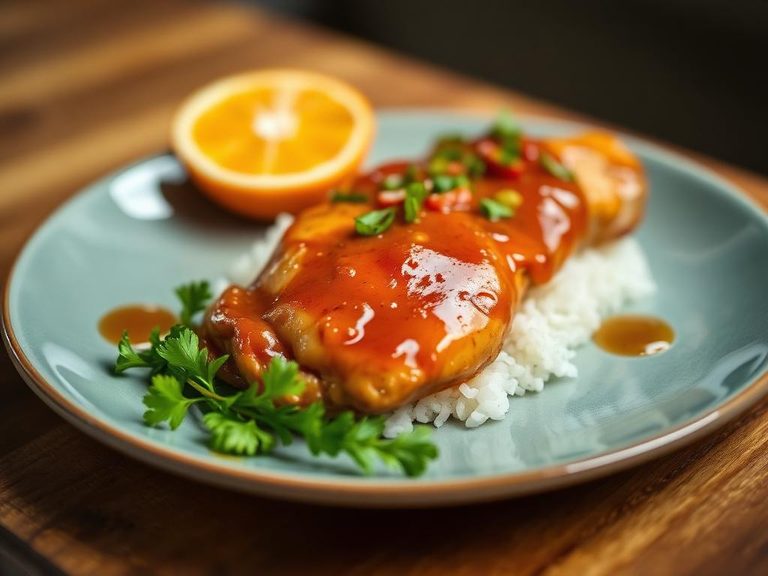
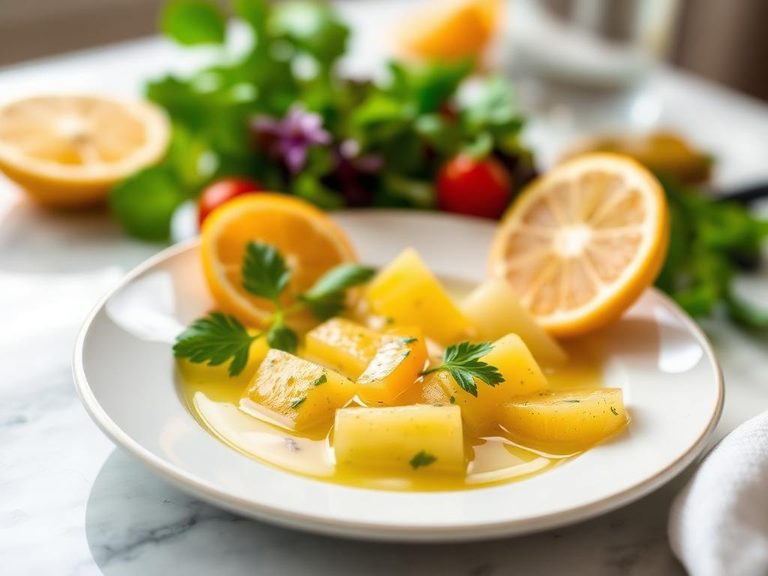
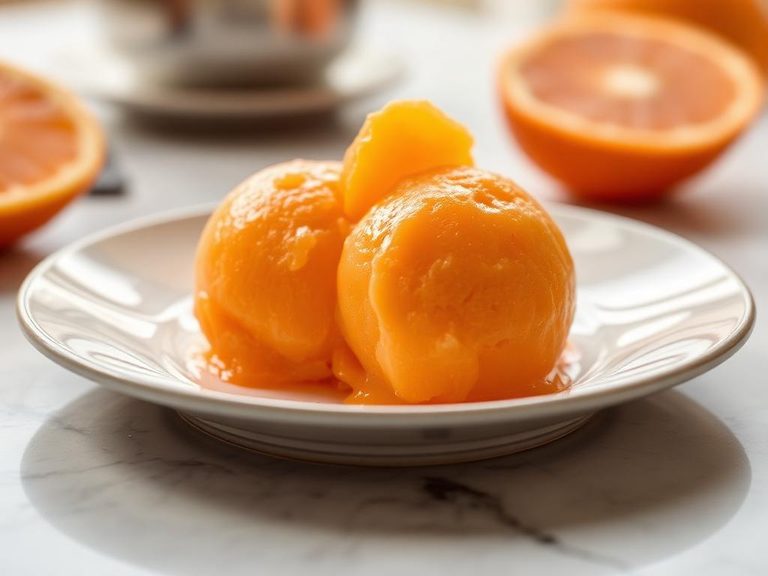
🌍 Where it's eaten
💡 Did you know?
The 'juice pack' method, where fruit is canned in its own juice rather than heavy syrup, was popularized in the mid-20th century as a healthier alternative, significantly reducing added sugar content.
Full nutrition (USDA data · scales with serving)
| Water | 89.5 g |
| Energy | 37.0 kcal |
| Protein | 0.62 g |
| Total lipid (fat) | 0.03 g |
| Carbohydrate, by difference | 9.6 g |
| Fiber, total dietary | 0.70 g |
| Total Sugars | 8.9 g |
| Calcium, Ca | 11.0 mg |
| Iron, Fe | 0.27 mg |
| Magnesium, Mg | 11.0 mg |
| Phosphorus, P | 10.0 mg |
| Potassium, K | 133 mg |
| Sodium, Na | 5.0 mg |
| Zinc, Zn | 0.51 mg |
| Copper, Cu | 0.03 mg |
| Selenium, Se | 0.40 ug |
| Vitamin C, total ascorbic acid | 34.2 mg |
| Thiamin | 0.08 mg |
| Riboflavin | 0.03 mg |
| Niacin | 0.45 mg |
| Vitamin B-6 | 0.04 mg |
| Folate, total | 5.0 ug |
| Folic acid | 0.00 ug |
| Folate, food | 5.0 ug |
| Folate, DFE | 5.0 ug |
| Choline, total | 8.9 mg |
| Vitamin B-12 | 0.00 ug |
| Vitamin B-12, added | 0.00 ug |
| Vitamin A, RAE | 43.0 ug |
| Retinol | 0.00 ug |
| Carotene, beta | 193 ug |
| Carotene, alpha | 133 ug |
| Cryptoxanthin, beta | 503 ug |
| Lycopene | 0.00 ug |
| Lutein + zeaxanthin | 163 ug |
| Vitamin E (alpha-tocopherol) | 0.10 mg |
| Vitamin E, added | 0.00 mg |
| Vitamin D (D2 + D3) | 0.00 ug |
| Vitamin K (phylloquinone) | 0.00 ug |
| Alcohol, ethyl | 0.00 g |
| Caffeine | 0.00 mg |
| Theobromine | 0.00 mg |
Fat & fatty acid profile (per 100g)
| Fatty acids, total saturated | 0.00 g |
| SFA 4:0 | 0.00 g |
| SFA 6:0 | 0.00 g |
| SFA 8:0 | 0.00 g |
| SFA 10:0 | 0.00 g |
| SFA 12:0 | 0.00 g |
| SFA 14:0 | 0.00 g |
| SFA 16:0 | 0.00 g |
| SFA 18:0 | 0.00 g |
| Fatty acids, total monounsaturated | 0.01 g |
| MUFA 16:1 | 0.00 g |
| MUFA 18:1 | 0.00 g |
| MUFA 20:1 | 0.00 g |
| MUFA 22:1 | 0.00 g |
| Fatty acids, total polyunsaturated | 0.01 g |
| PUFA 18:2 | 0.00 g |
| PUFA 18:3 | 0.00 g |
| PUFA 18:4 | 0.00 g |
| PUFA 20:4 | 0.00 g |
| PUFA 20:5 n-3 (EPA) | 0.00 g |
| PUFA 22:5 n-3 (DPA) | 0.00 g |
| PUFA 22:6 n-3 (DHA) | 0.00 g |
| Cholesterol | 0.00 mg |
Amino acid profile (per 100g)
Estimated from Babyfood, dessert, fruit pudding, orange, strained — USDA does not publish this profile for Orange.
| Threonine | 0.04 g |
| Isoleucine | 0.06 g |
| Leucine | 0.11 g |
| Lysine | 0.09 g |
| Methionine | 0.01 g |
| Phenylalanine | 0.04 g |
| Tyrosine | 0.04 g |
| Valine | 0.07 g |
| Arginine | 0.09 g |
| Histidine | 0.03 g |
| Alanine | 0.04 g |
| Aspartic acid | 0.13 g |
| Glutamic acid | 0.23 g |
| Glycine | 0.03 g |
| Proline | 0.12 g |
| Serine | 0.06 g |
FAQ
Is canned orange juice as healthy as fresh-squeezed?
It retains most of the vitamin C but loses some heat-sensitive nutrients and the natural fiber. The main difference is often in processing; some brands pasteurize, which can slightly alter flavor. Nutritionally, it's a solid, convenient alternative.
Why does it sometimes taste different from fresh orange juice?
The canning process involves heating, which can create a slightly 'cooked' or metallic note. Also, the juice is often made from a blend of orange varieties for consistency, whereas fresh juice flavor varies by season and fruit.
Can I use it in baking?
Absolutely. It's a fantastic liquid ingredient in cakes, muffins, and pancakes, adding moisture and bright citrus flavor without the acidity of some other juices. It can often replace other liquids 1:1.
Nutrient density (calculated · NRF9.3)
Nutrient Rich Foods index: beneficial nutrients (protein, fiber, vitamins, minerals) minus saturated fat, added sugar & sodium, per 100 kcal.
NRF9.3 index — Fulgoni, Keast & Drewnowski, 2009. Computed from USDA nutrients.
Weight-loss friendliness (composite index)
Energy density 0.37 kcal/g · 7% calories from protein · 0.7 g fiber · 8.9 g sugar per 100 g.
Composite of energy density (Rolls et al., 1999), protein & fiber satiety, minus sugar. A calculated heuristic — ranks satiety-per-calorie, not a clinical measure.
Dietary load (calculated from USDA values)
Potential renal acid load. Positive = acid-forming, negative = alkaline-forming.
Sodium-to-potassium ratio: 0.04 (lower is better — aim for ≤ 1)
Sodium:potassium per WHO potassium guidance. Computed from USDA nutrients.