

Oil, cupu assu
Whole food · Fats and Oils

Photo: Wikipedia
Cupuaçu oil is a luxurious, plant-based fat extracted from the seeds of the Amazonian cupuaçu fruit. It has a smooth, creamy texture and a mild, nutty flavor, often compared to cocoa butter. Nutritionally, it is 100% fat, rich in oleic and stearic acids, making it a potent moisturizer for skin and a stable cooking oil.
Calorie split: 0% protein · 0% carbs · 100% fat
↓ Full nutrition💚 Why it's loved
People love cupuaçu oil for its rich, velvety texture that melts on contact with skin, making it a prized ingredient in high-end cosmetics and lotions. Its subtle, nutty aroma and versatility in both culinary and beauty applications make it a favorite among natural product enthusiasts.
⚠️ Watch-outs & how to enjoy it better
While generally safe, cupuaçu oil is extremely high in calories and fat, so overuse in cooking can lead to excessive calorie intake. For those with sensitive skin, it may cause breakouts if applied too heavily; a patch test is recommended. To counteract, use sparingly in recipes, pair with lighter ingredients, and always do a skin test before full application.
Key benefits
- Rich in oleic acid, which supports skin barrier function
- Contains phytosterols that may help reduce inflammation
- High in stearic acid, providing a stable, long-lasting texture in cosmetics
- A sustainable, plant-based alternative to cocoa butter
- Often used in traditional Amazonian medicine for skin hydration
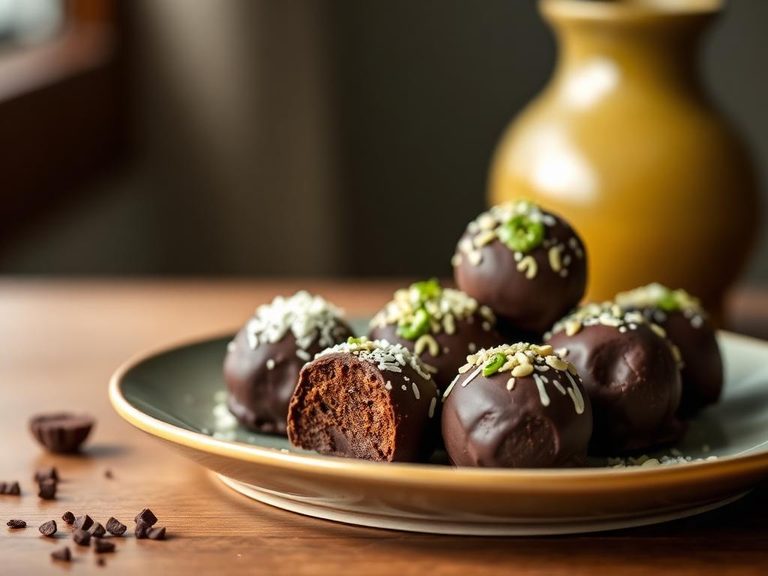
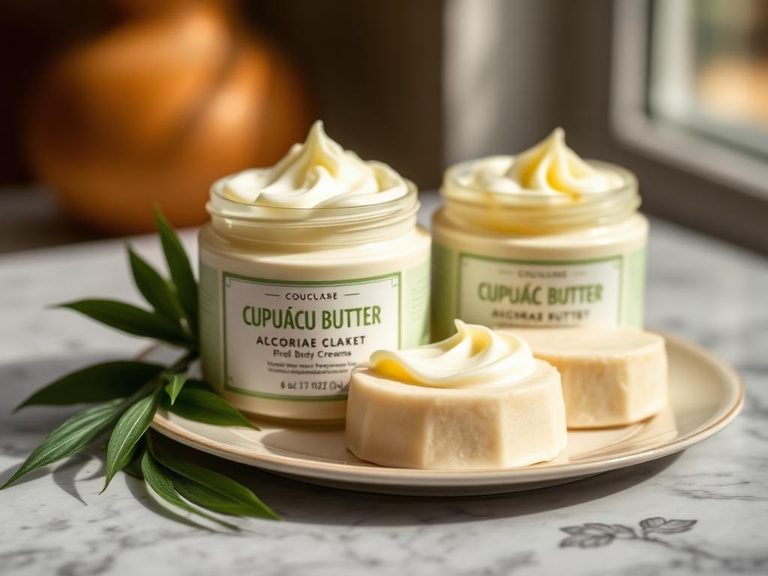
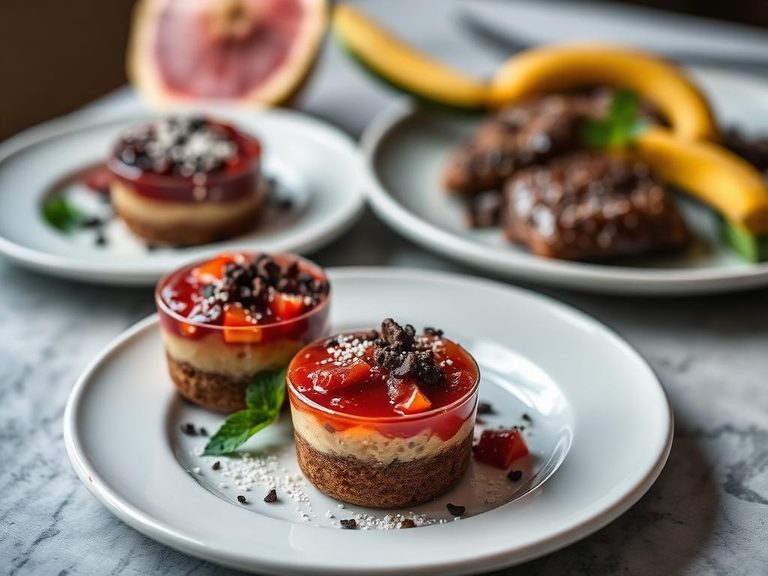
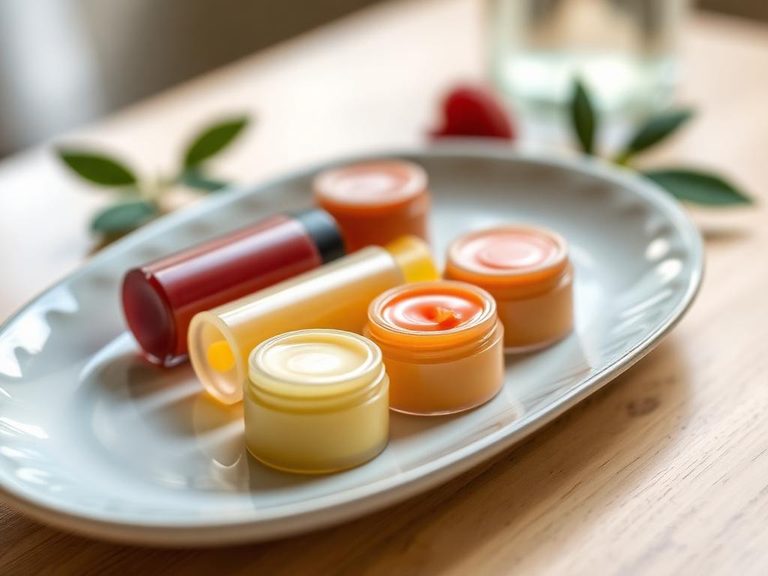
🍽️ Popular dishes
🌍 Where it's eaten
💡 Did you know?
Cupuaçu oil is so similar to cocoa butter that it's sometimes called 'the Amazonian cocoa butter' and is used as a vegan substitute in chocolate-making.
Full nutrition (USDA data · scales with serving)
| Water | 0.00 g |
| Energy | 884 kcal |
| Energy | 3699 kj |
| Protein | 0.00 g |
| Total lipid (fat) | 100 g |
| Ash | 0.00 g |
| Carbohydrate, by difference | 0.00 g |
| Fiber, total dietary | 0.00 g |
| Total Sugars | 0.00 g |
| Calcium, Ca | 0.00 mg |
| Magnesium, Mg | 0.00 mg |
| Phosphorus, P | 0.00 mg |
| Potassium, K | 0.00 mg |
| Sodium, Na | 0.00 mg |
| Zinc, Zn | 0.00 mg |
| Selenium, Se | 0.00 ug |
| Vitamin C, total ascorbic acid | 0.00 mg |
| Thiamin | 0.00 mg |
| Riboflavin | 0.00 mg |
| Niacin | 0.00 mg |
| Pantothenic acid | 0.00 mg |
| Vitamin B-6 | 0.00 mg |
| Folate, total | 0.00 ug |
| Folic acid | 0.00 ug |
| Folate, food | 0.00 ug |
| Folate, DFE | 0.00 ug |
| Vitamin B-12 | 0.00 ug |
| Vitamin A, RAE | 0.00 ug |
| Retinol | 0.00 ug |
| Carotene, beta | 0.00 ug |
| Carotene, alpha | 0.00 ug |
| Cryptoxanthin, beta | 0.00 ug |
| Vitamin A, IU | 0.00 iu |
| Lycopene | 0.00 ug |
| Lutein + zeaxanthin | 0.00 ug |
| Vitamin E (alpha-tocopherol) | 0.60 mg |
| Alcohol, ethyl | 0.00 g |
| Caffeine | 0.00 mg |
| Theobromine | 0.00 mg |
Fat & fatty acid profile (per 100g)
| Fatty acids, total saturated | 53.2 g |
| SFA 4:0 | 0.00 g |
| SFA 6:0 | 0.00 g |
| SFA 8:0 | 0.00 g |
| SFA 10:0 | 0.00 g |
| SFA 12:0 | 0.00 g |
| SFA 14:0 | 0.90 g |
| SFA 16:0 | 9.6 g |
| SFA 18:0 | 32.7 g |
| Fatty acids, total monounsaturated | 38.7 g |
| MUFA 16:1 | 0.00 g |
| MUFA 18:1 | 38.7 g |
| MUFA 20:1 | 0.00 g |
| MUFA 22:1 | 0.00 g |
| Fatty acids, total polyunsaturated | 3.8 g |
| PUFA 18:2 | 3.8 g |
| PUFA 18:3 | 0.00 g |
| PUFA 18:4 | 0.00 g |
| PUFA 20:4 | 0.00 g |
| PUFA 20:5 n-3 (EPA) | 0.00 g |
| PUFA 22:5 n-3 (DPA) | 0.00 g |
| PUFA 22:6 n-3 (DHA) | 0.00 g |
| Cholesterol | 0.00 mg |
| Phytosterols | 95.0 mg |
Amino acid profile (per 100g)
| Tryptophan | 0.00 g |
| Threonine | 0.00 g |
| Isoleucine | 0.00 g |
| Leucine | 0.00 g |
| Lysine | 0.00 g |
| Methionine | 0.00 g |
| Cystine | 0.00 g |
| Phenylalanine | 0.00 g |
| Tyrosine | 0.00 g |
| Valine | 0.00 g |
| Arginine | 0.00 g |
| Histidine | 0.00 g |
| Alanine | 0.00 g |
| Aspartic acid | 0.00 g |
| Glutamic acid | 0.00 g |
| Glycine | 0.00 g |
| Proline | 0.00 g |
| Serine | 0.00 g |
FAQ
Is cupuaçu oil edible?
Yes, cupuaçu oil is edible and used in some culinary applications, though it's more commonly found in cosmetics due to its rich texture and mild flavor.
How does cupuaçu oil differ from cocoa butter?
Cupuaçu oil has a lower melting point than cocoa butter, making it feel lighter and more absorbent on the skin. It also contains more oleic acid, which is beneficial for skin hydration.
Can cupuaçu oil be used for cooking?
Yes, it can be used for cooking, especially in baking or as a butter substitute, but its high fat content means it should be used in moderation.
Nutrient density (calculated · NRF9.3)
Nutrient Rich Foods index: beneficial nutrients (protein, fiber, vitamins, minerals) minus saturated fat, added sugar & sodium, per 100 kcal.
NRF9.3 index — Fulgoni, Keast & Drewnowski, 2009. Computed from USDA nutrients.
Weight-loss friendliness (composite index)
Energy density 8.84 kcal/g · 0% calories from protein · 0.0 g fiber · 0.0 g sugar per 100 g.
Composite of energy density (Rolls et al., 1999), protein & fiber satiety, minus sugar. A calculated heuristic — ranks satiety-per-calorie, not a clinical measure.
Dietary load (calculated from USDA values)
Potential renal acid load. Positive = acid-forming, negative = alkaline-forming.
Sodium:potassium per WHO potassium guidance. Computed from USDA nutrients.