

Lamb, variety meats and by-products, liver, cooked, pan-fried
Whole food · Lamb, Veal, and Game Products

Photo: Wikipedia
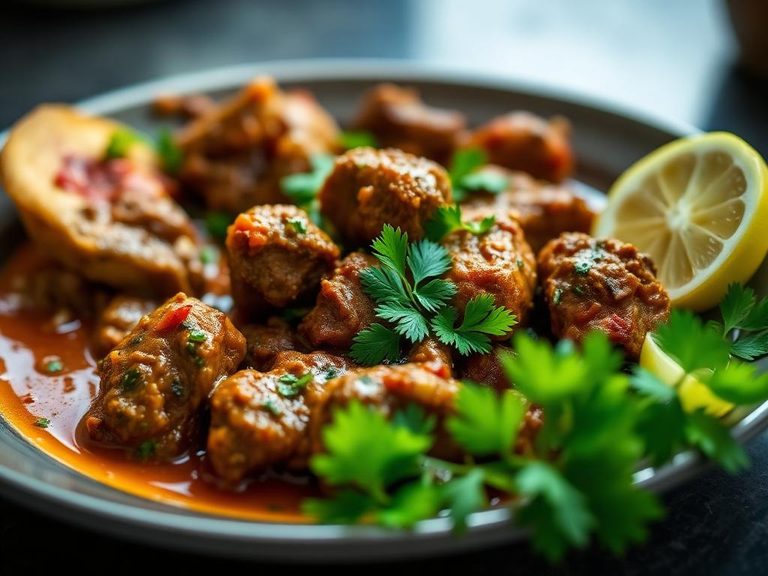
Pan-fried lamb liver is a nutrient-dense organ meat with a rich, iron-forward flavor and a tender, slightly creamy texture when cooked quickly over high heat. It's a powerhouse of bioavailable iron and vitamin B12, offering more than double the protein of steak per calorie. The quick sear creates a savory crust while keeping the interior succulent.
Calorie split: 44% protein · 7% carbs · 49% fat
↓ Full nutrition💚 Why it's loved
People cherish it for its deep, mineral-rich umami flavor that stands up boldly to spices and aromatics. It's a beloved staple in many cuisines for its ability to transform a simple meal into a hearty, satisfying feast.
⚠️ Watch-outs & how to enjoy it better
The strong, distinct flavor can be off-putting to those unfamiliar with organ meats, and its high vitamin A content means excessive intake should be avoided, particularly by pregnant women. To enjoy it, pair with acidic elements like lemon juice or vinegar to cut the richness, and stick to moderate portions of 100-150g a few times a week.
Key benefits
- Exceptionally high in heme iron, more absorbable than plant-based iron
- One of the richest dietary sources of vitamin B12, crucial for nerve function
- Provides high-quality complete protein with all essential amino acids
- Contains significant amounts of vitamin A and folate
- Low in carbohydrates, making it suitable for low-carb and ketogenic diets
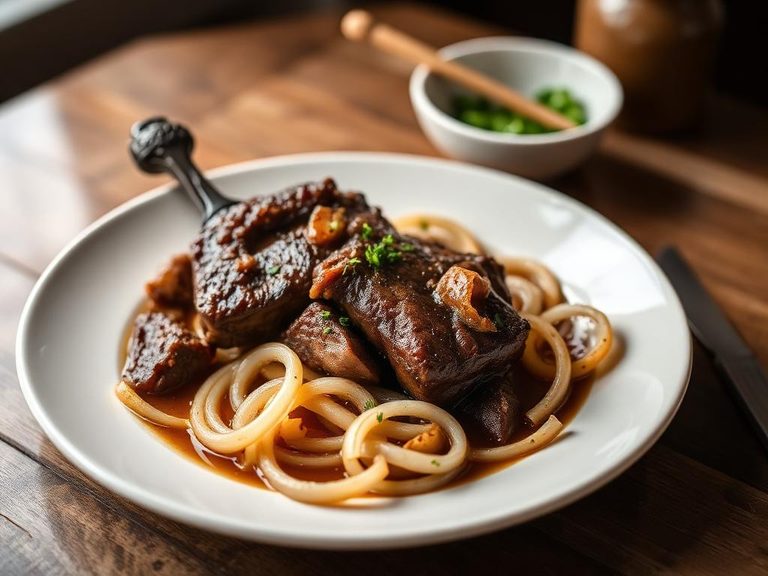
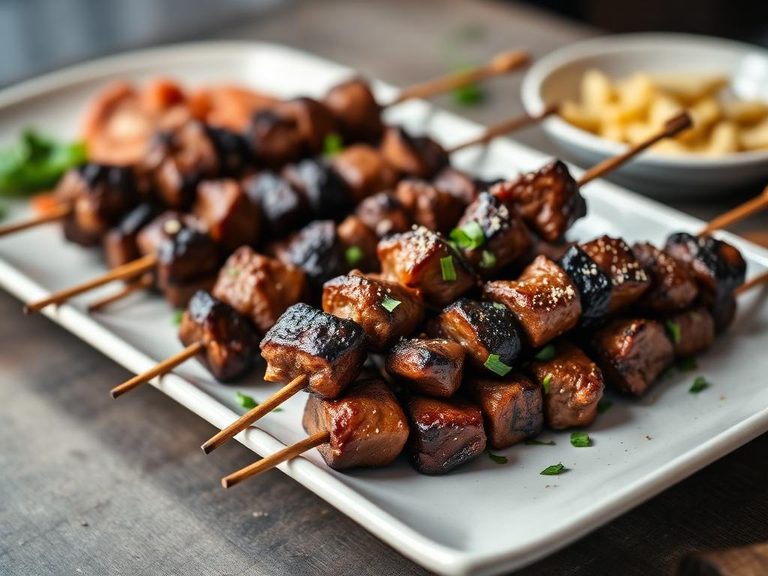
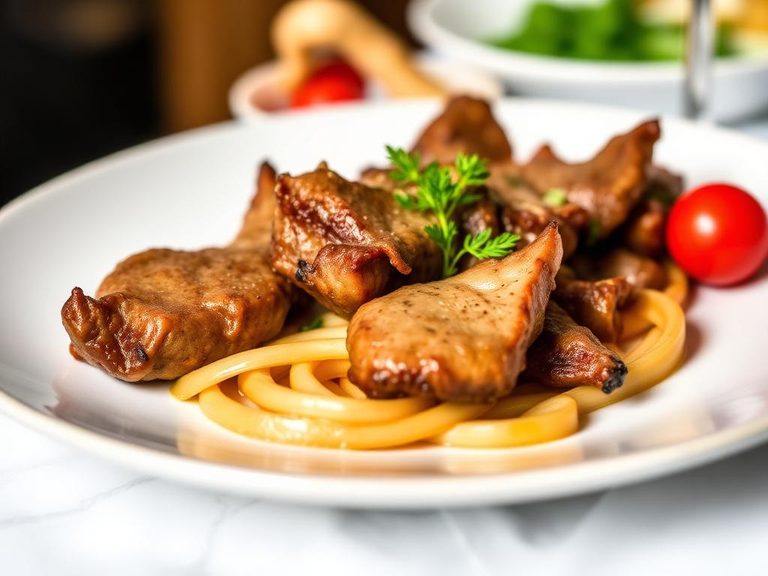
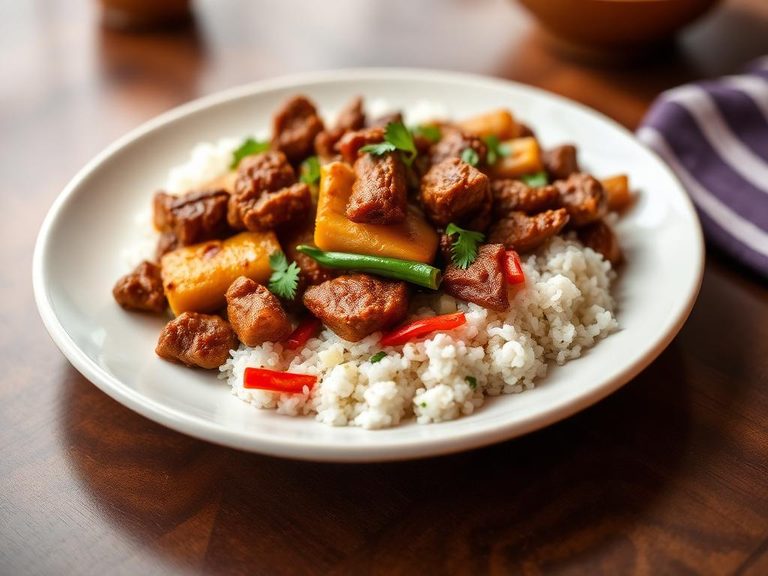
🍽️ Popular dishes
🌍 Where it's eaten
💡 Did you know?
Lamb liver is so rich in vitamin A that a single 100g serving can provide over 500% of your daily recommended intake, which is why it was historically used by Arctic explorers to prevent night blindness.
Full nutrition (USDA data · scales with serving)
| Water | 56.2 g |
| Energy | 238 kcal |
| Energy | 996 kj |
| Protein | 25.5 g |
| Total lipid (fat) | 12.7 g |
| Ash | 1.8 g |
| Carbohydrate, by difference | 3.8 g |
| Fiber, total dietary | 0.00 g |
| Calcium, Ca | 9.0 mg |
| Iron, Fe | 10.2 mg |
| Magnesium, Mg | 23.0 mg |
| Phosphorus, P | 427 mg |
| Potassium, K | 352 mg |
| Sodium, Na | 124 mg |
| Zinc, Zn | 5.6 mg |
| Copper, Cu | 9.8 mg |
| Manganese, Mn | 0.59 mg |
| Selenium, Se | 116 ug |
| Vitamin C, total ascorbic acid | 13.0 mg |
| Thiamin | 0.35 mg |
| Riboflavin | 4.6 mg |
| Niacin | 16.7 mg |
| Pantothenic acid | 6.3 mg |
| Vitamin B-6 | 0.95 mg |
| Folate, total | 400 ug |
| Folic acid | 0.00 ug |
| Folate, food | 400 ug |
| Folate, DFE | 400 ug |
| Vitamin B-12 | 85.7 ug |
| Vitamin A, RAE | 7782 ug |
| Retinol | 7777 ug |
| Vitamin A, IU | 25998 iu |
| Alcohol, ethyl | 0.00 g |
Fat & fatty acid profile (per 100g)
| Fatty acids, total saturated | 4.9 g |
| SFA 4:0 | 0.00 g |
| SFA 6:0 | 0.00 g |
| SFA 8:0 | 0.00 g |
| SFA 10:0 | 0.00 g |
| SFA 12:0 | 0.00 g |
| SFA 14:0 | 0.14 g |
| SFA 16:0 | 1.7 g |
| SFA 18:0 | 2.8 g |
| Fatty acids, total monounsaturated | 2.6 g |
| MUFA 16:1 | 0.32 g |
| MUFA 18:1 | 2.3 g |
| MUFA 20:1 | 0.00 g |
| MUFA 22:1 | 0.00 g |
| Fatty acids, total polyunsaturated | 1.9 g |
| PUFA 18:2 | 0.81 g |
| PUFA 18:3 | 0.17 g |
| PUFA 18:4 | 0.00 g |
| PUFA 20:4 | 0.90 g |
| PUFA 20:5 n-3 (EPA) | 0.00 g |
| PUFA 22:5 n-3 (DPA) | 0.00 g |
| PUFA 22:6 n-3 (DHA) | 0.00 g |
| Cholesterol | 493 mg |
Amino acid profile (per 100g)
| Tryptophan | 0.30 g |
| Threonine | 1.1 g |
| Isoleucine | 1.1 g |
| Leucine | 2.1 g |
| Lysine | 1.4 g |
| Methionine | 0.55 g |
| Cystine | 0.27 g |
| Phenylalanine | 1.1 g |
| Tyrosine | 0.91 g |
| Valine | 1.4 g |
| Arginine | 1.4 g |
| Histidine | 0.60 g |
| Alanine | 1.3 g |
| Aspartic acid | 2.2 g |
| Glutamic acid | 2.8 g |
| Glycine | 1.2 g |
| Proline | 1.2 g |
| Serine | 1.1 g |
FAQ
How do I prevent lamb liver from becoming tough and rubbery?
The key is high heat and very short cooking time. Sear it for just 2-3 minutes per side in a very hot pan until it's still slightly pink in the center. Overcooking is the primary cause of toughness.
Is lamb liver safe to eat during pregnancy?
While it's an excellent source of iron and B12, its very high vitamin A (retinol) content means it should be consumed in strict moderation. Most guidelines recommend limiting liver to one small serving per week during pregnancy and consulting your doctor.
How do I reduce the strong, metallic taste?
Soak the sliced liver in milk or buttermilk for 30-60 minutes before cooking. The lactic acid helps mellow the flavor and tenderize the meat. Pat it completely dry before searing.
Nutrient density (calculated · NRF9.3)
Nutrient Rich Foods index: beneficial nutrients (protein, fiber, vitamins, minerals) minus saturated fat, added sugar & sodium, per 100 kcal.
NRF9.3 index — Fulgoni, Keast & Drewnowski, 2009. Computed from USDA nutrients.
Weight-loss friendliness (composite index)
Energy density 2.38 kcal/g · 43% calories from protein · 0.0 g fiber · 0.0 g sugar per 100 g.
Composite of energy density (Rolls et al., 1999), protein & fiber satiety, minus sugar. A calculated heuristic — ranks satiety-per-calorie, not a clinical measure.
Dietary load (calculated from USDA values)
Potential renal acid load. Positive = acid-forming, negative = alkaline-forming.
Sodium-to-potassium ratio: 0.35 (lower is better — aim for ≤ 1)
Sodium:potassium per WHO potassium guidance. Computed from USDA nutrients.