

Fish, seatrout, mixed species, raw
Whole food · Finfish and Shellfish Products

Photo: Wikipedia
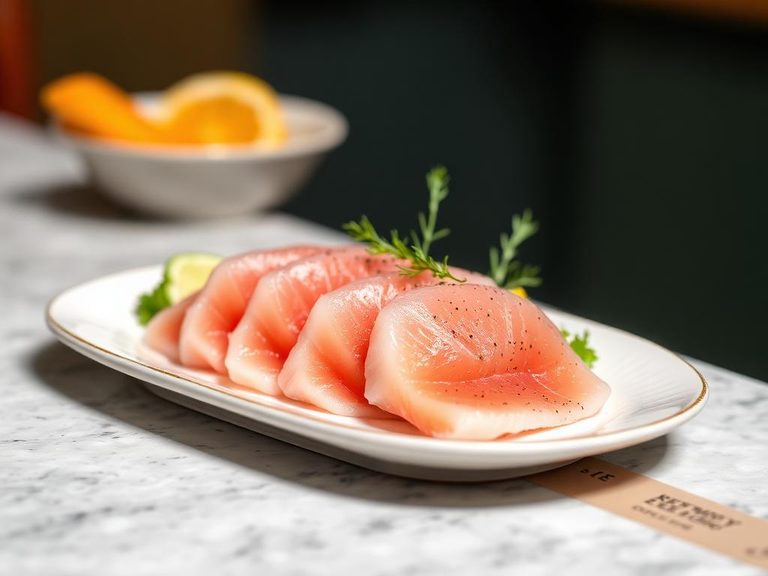
Sea trout is a prized, wild or farmed fish with a delicate, pink-orange flesh similar to salmon but with a milder, sweeter flavor. Its texture is tender and flaky, making it a luxurious yet approachable choice for both raw preparations like sashimi and cooked dishes. Nutritionally, it's a powerhouse of lean protein with very low fat and zero carbohydrates, ideal for high-protein, low-carb diets.
Calorie split: 67% protein · 0% carbs · 33% fat
↓ Full nutrition💚 Why it's loved
People love sea trout for its refined, sweet flavor that's less 'fishy' than many species, and its versatile flesh that holds up beautifully to grilling, baking, or pan-searing. It's a staple in fine dining and home cooking across Europe, celebrated for its ability to be both elegant and comforting.
⚠️ Watch-outs & how to enjoy it better
As with many fish, sea trout can contain trace environmental contaminants like mercury; pregnant women and young children should follow local fish consumption advisories. Its delicate flavor can be overpowered by heavy sauces, so it's best paired with lighter preparations like lemon, dill, or a simple butter sauce to let the natural taste shine.
Key benefits
- Excellent source of complete, high-quality protein for muscle maintenance.
- Very low in fat and calories, supporting weight management goals.
- Naturally free of carbohydrates and sugars.
- Rich in essential nutrients like vitamin B12 and selenium.
- Provides omega-3 fatty acids, albeit in lower amounts than fattier fish.
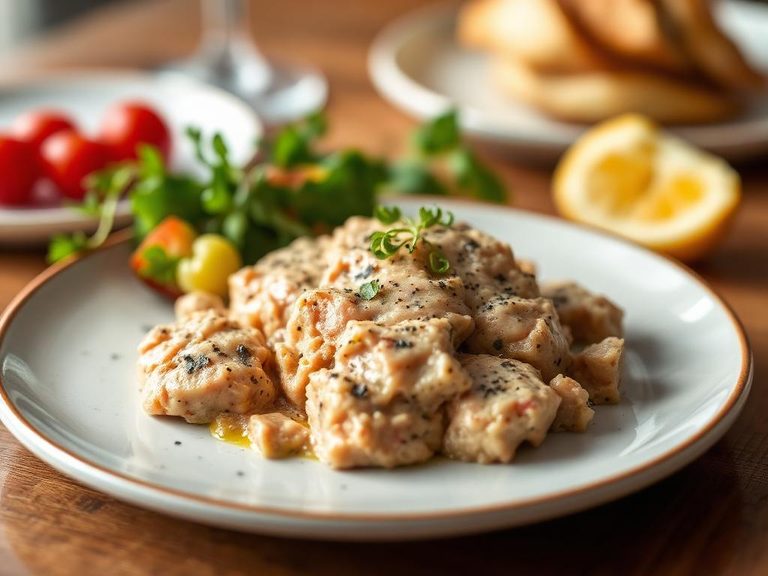
🍽️ Popular dishes
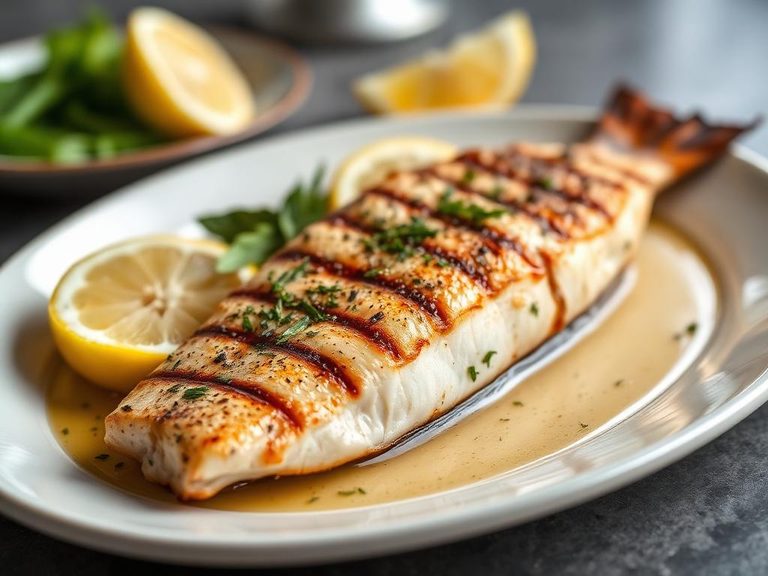
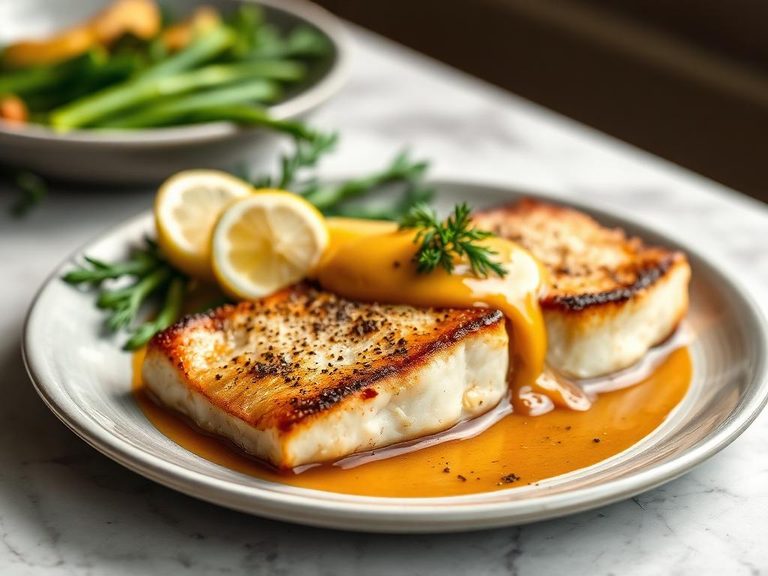
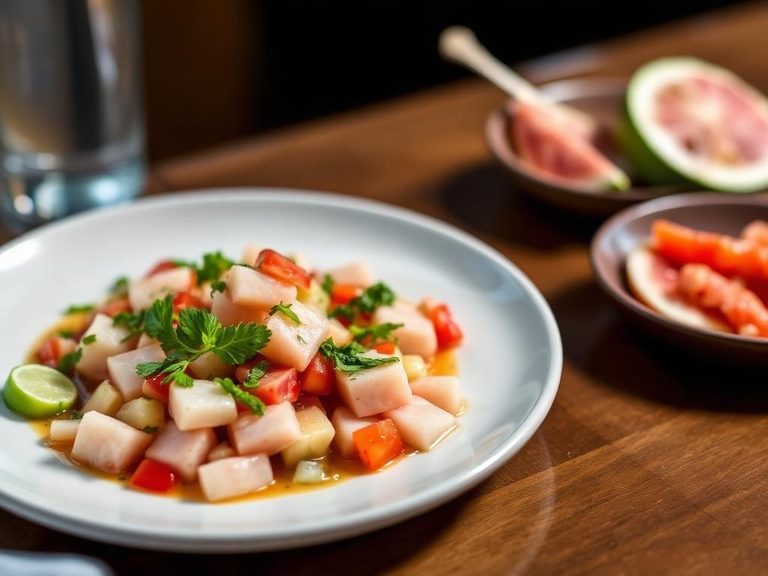
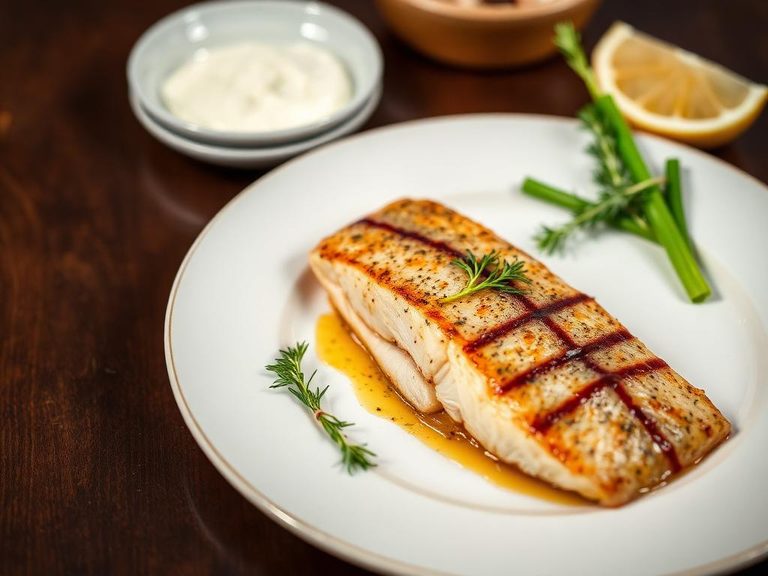
🌍 Where it's eaten
💡 Did you know?
Despite its name, sea trout is not a true trout but is actually a member of the salmon family (Salmonidae), making it a close relative of salmon and char.
Full nutrition (USDA data · scales with serving)
| Water | 78.1 g |
| Energy | 104 kcal |
| Energy | 435 kj |
| Protein | 16.7 g |
| Total lipid (fat) | 3.6 g |
| Ash | 1.3 g |
| Carbohydrate, by difference | 0.00 g |
| Fiber, total dietary | 0.00 g |
| Calcium, Ca | 17.0 mg |
| Iron, Fe | 0.27 mg |
| Magnesium, Mg | 31.0 mg |
| Phosphorus, P | 250 mg |
| Potassium, K | 341 mg |
| Sodium, Na | 58.0 mg |
| Zinc, Zn | 0.45 mg |
| Copper, Cu | 0.03 mg |
| Manganese, Mn | 0.01 mg |
| Selenium, Se | 36.5 ug |
| Vitamin C, total ascorbic acid | 0.00 mg |
| Thiamin | 0.06 mg |
| Riboflavin | 0.17 mg |
| Niacin | 2.4 mg |
| Pantothenic acid | 0.75 mg |
| Vitamin B-6 | 0.40 mg |
| Folate, total | 5.0 ug |
| Folic acid | 0.00 ug |
| Folate, food | 5.0 ug |
| Folate, DFE | 5.0 ug |
| Vitamin B-12 | 3.0 ug |
| Vitamin A, RAE | 30.0 ug |
| Retinol | 30.0 ug |
| Vitamin A, IU | 100 iu |
| Alcohol, ethyl | 0.00 g |
Fat & fatty acid profile (per 100g)
| Fatty acids, total saturated | 1.0 g |
| SFA 4:0 | 0.00 g |
| SFA 6:0 | 0.00 g |
| SFA 8:0 | 0.00 g |
| SFA 10:0 | 0.00 g |
| SFA 12:0 | 0.00 g |
| SFA 14:0 | 0.07 g |
| SFA 16:0 | 0.64 g |
| SFA 18:0 | 0.17 g |
| Fatty acids, total monounsaturated | 0.88 g |
| MUFA 16:1 | 0.36 g |
| MUFA 18:1 | 0.47 g |
| MUFA 20:1 | 0.05 g |
| MUFA 22:1 | 0.00 g |
| Fatty acids, total polyunsaturated | 0.72 g |
| PUFA 18:2 | 0.07 g |
| PUFA 18:3 | 0.00 g |
| PUFA 18:4 | 0.01 g |
| PUFA 20:4 | 0.19 g |
| PUFA 20:5 n-3 (EPA) | 0.17 g |
| PUFA 22:5 n-3 (DPA) | 0.08 g |
| PUFA 22:6 n-3 (DHA) | 0.21 g |
| Cholesterol | 83.0 mg |
Amino acid profile (per 100g)
| Tryptophan | 0.19 g |
| Threonine | 0.73 g |
| Isoleucine | 0.77 g |
| Leucine | 1.4 g |
| Lysine | 1.5 g |
| Methionine | 0.50 g |
| Cystine | 0.18 g |
| Phenylalanine | 0.65 g |
| Tyrosine | 0.56 g |
| Valine | 0.86 g |
| Arginine | 1.0 g |
| Histidine | 0.49 g |
| Alanine | 1.0 g |
| Aspartic acid | 1.7 g |
| Glutamic acid | 2.5 g |
| Glycine | 0.80 g |
| Proline | 0.59 g |
| Serine | 0.68 g |
FAQ
How is sea trout different from salmon?
Sea trout generally has a milder, sweeter flavor and a slightly firmer, less fatty texture than most salmon species. Its flesh is often a lighter pink-orange.
Can you eat sea trout raw?
Yes, when it is sushi-grade or previously frozen to parasite-destroying temperatures. It's used in dishes like sashimi, crudo, and ceviche.
What's the best way to cook sea trout?
Quick, high-heat methods are ideal to preserve its moisture and delicate flavor. Pan-searing, grilling, or baking in parchment (en papillote) are excellent choices.
Nutrient density (calculated · NRF9.3)
Nutrient Rich Foods index: beneficial nutrients (protein, fiber, vitamins, minerals) minus saturated fat, added sugar & sodium, per 100 kcal.
NRF9.3 index — Fulgoni, Keast & Drewnowski, 2009. Computed from USDA nutrients.
Weight-loss friendliness (composite index)
Energy density 1.04 kcal/g · 64% calories from protein · 0.0 g fiber · 0.0 g sugar per 100 g.
Composite of energy density (Rolls et al., 1999), protein & fiber satiety, minus sugar. A calculated heuristic — ranks satiety-per-calorie, not a clinical measure.
Dietary load (calculated from USDA values)
Potential renal acid load. Positive = acid-forming, negative = alkaline-forming.
Sodium-to-potassium ratio: 0.17 (lower is better — aim for ≤ 1)
Sodium:potassium per WHO potassium guidance. Computed from USDA nutrients.