

Fish, lingcod, raw
Whole food · Finfish and Shellfish Products

Photo: Wikipedia
Lingcod is a firm-fleshed Pacific rockfish prized for its mild, sweet flavor and a texture that holds up beautifully to grilling or poaching. Its raw flesh is often a striking blue-green color, which turns opaque white when cooked. Nutritionally, it's a lean powerhouse, delivering over 17 grams of protein per 100 grams with virtually no fat or carbohydrates.
Calorie split: 88% protein · 0% carbs · 12% fat
↓ Full nutrition💚 Why it's loved
People love lingcod for its clean, non-fishy taste and dense, flaky texture that makes it a versatile canvas for bold seasonings and sauces. It's a staple in Pacific Northwest cuisine, celebrated for its ability to absorb flavors while maintaining a satisfying, meaty bite.
⚠️ Watch-outs & how to enjoy it better
As with many white fish, lingcod can dry out if overcooked, so careful timing is key. Its mild flavor may be too subtle for those who prefer stronger-tasting fish like mackerel or sardines. To counteract dryness, consider marinating it or cooking it with a fat like olive oil or butter, and use a meat thermometer to pull it at 145°F (63°C).
Key benefits
- Excellent source of lean, complete protein
- Very low in fat and calories
- Naturally carbohydrate-free
- Rich in essential nutrients like selenium and phosphorus
- Sustainable choice when line-caught
🍽️ Popular dishes
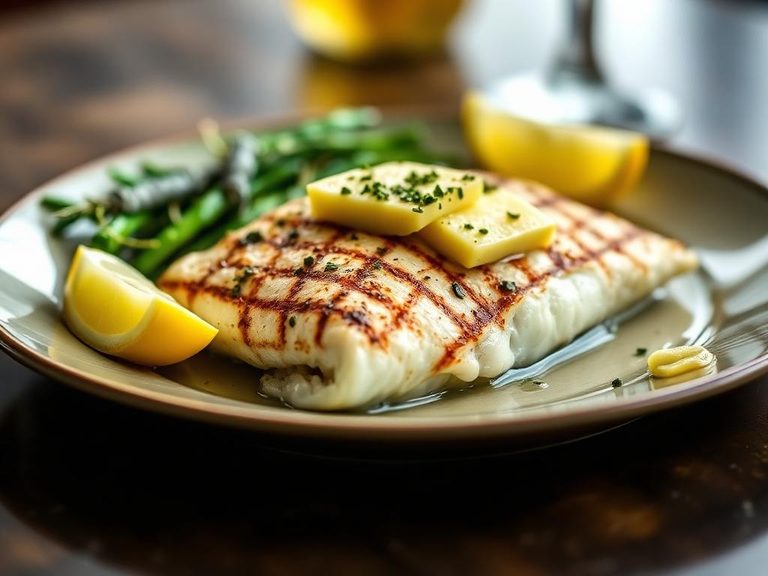
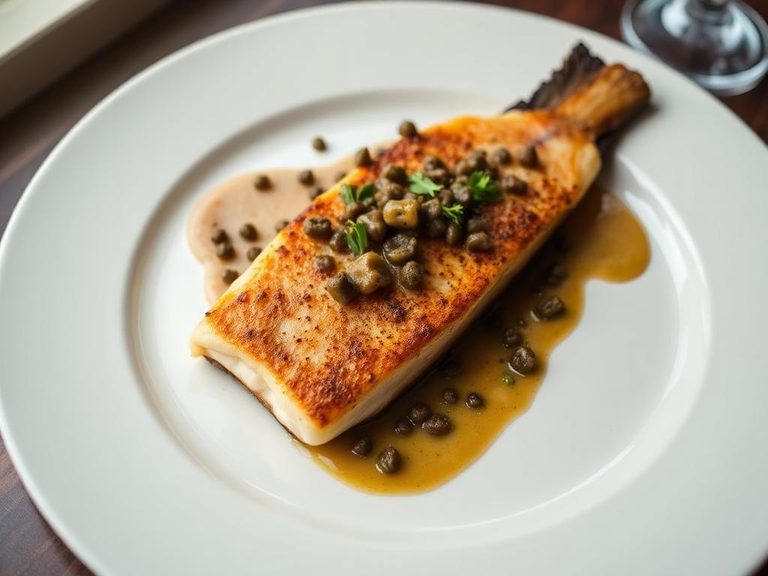
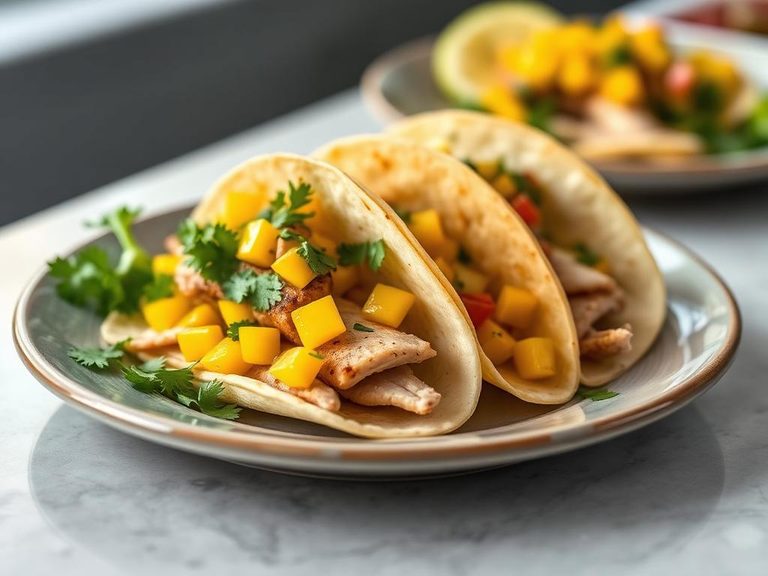
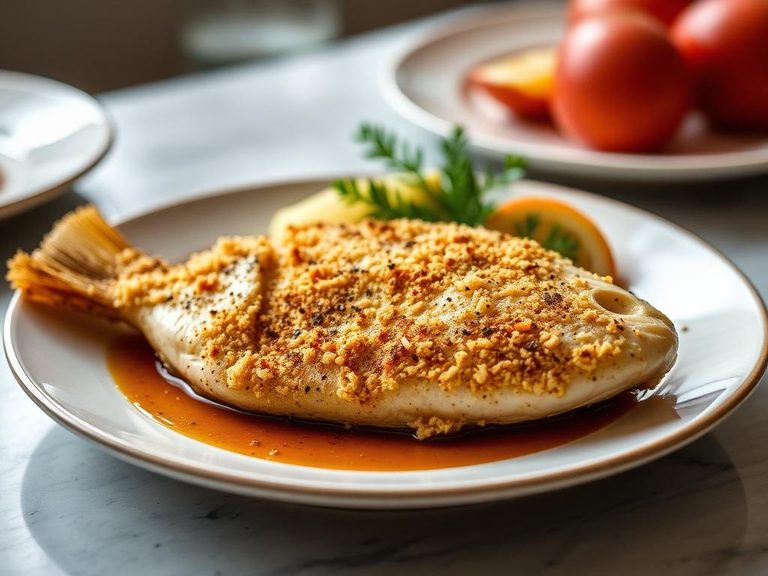
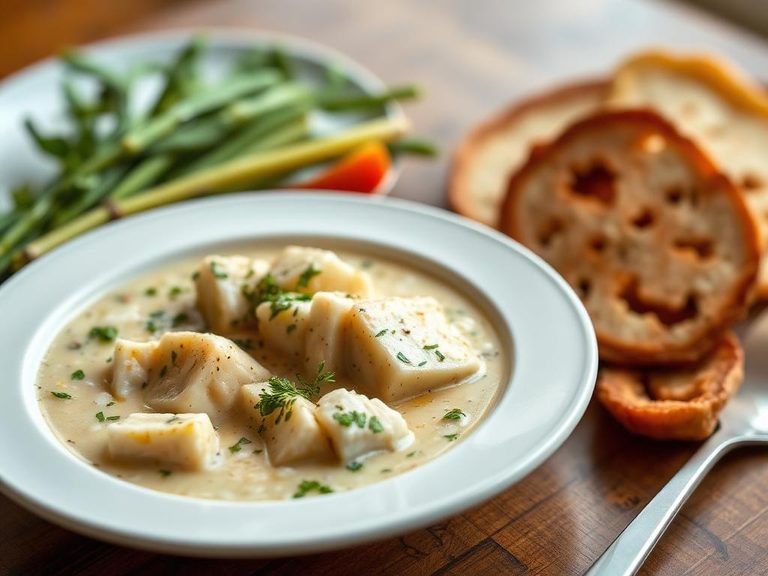
🌍 Where it's eaten
💡 Did you know?
The name 'lingcod' is a misnomer; it's not a true cod but a member of the greenling family, and its raw flesh is famously a vibrant blue-green due to a bile pigment called biliverdin.
Full nutrition (USDA data · scales with serving)
| Water | 81.0 g |
| Energy | 85.0 kcal |
| Energy | 356 kj |
| Protein | 17.7 g |
| Total lipid (fat) | 1.1 g |
| Ash | 1.2 g |
| Carbohydrate, by difference | 0.00 g |
| Fiber, total dietary | 0.00 g |
| Calcium, Ca | 14.0 mg |
| Iron, Fe | 0.32 mg |
| Magnesium, Mg | 26.0 mg |
| Phosphorus, P | 201 mg |
| Potassium, K | 437 mg |
| Sodium, Na | 59.0 mg |
| Zinc, Zn | 0.45 mg |
| Copper, Cu | 0.03 mg |
| Manganese, Mn | 0.02 mg |
| Selenium, Se | 36.5 ug |
| Vitamin C, total ascorbic acid | 0.00 mg |
| Thiamin | 0.03 mg |
| Riboflavin | 0.11 mg |
| Niacin | 1.9 mg |
| Pantothenic acid | 0.75 mg |
| Vitamin B-6 | 0.30 mg |
| Folate, total | 9.0 ug |
| Folic acid | 0.00 ug |
| Folate, food | 9.0 ug |
| Folate, DFE | 9.0 ug |
| Vitamin B-12 | 3.6 ug |
| Vitamin A, RAE | 15.0 ug |
| Retinol | 15.0 ug |
| Vitamin A, IU | 50.0 iu |
| Alcohol, ethyl | 0.00 g |
Fat & fatty acid profile (per 100g)
| Fatty acids, total saturated | 0.20 g |
| SFA 4:0 | 0.00 g |
| SFA 6:0 | 0.00 g |
| SFA 8:0 | 0.00 g |
| SFA 10:0 | 0.00 g |
| SFA 12:0 | 0.00 g |
| SFA 14:0 | 0.00 g |
| SFA 16:0 | 0.00 g |
| SFA 18:0 | 0.00 g |
| Fatty acids, total monounsaturated | 0.35 g |
| MUFA 16:1 | 0.00 g |
| MUFA 18:1 | 0.00 g |
| MUFA 20:1 | 0.00 g |
| MUFA 22:1 | 0.00 g |
| Fatty acids, total polyunsaturated | 0.30 g |
| PUFA 18:2 | 0.00 g |
| PUFA 18:3 | 0.00 g |
| PUFA 18:4 | 0.00 g |
| PUFA 20:4 | 0.00 g |
| PUFA 20:5 n-3 (EPA) | 0.00 g |
| PUFA 22:5 n-3 (DPA) | 0.00 g |
| PUFA 22:6 n-3 (DHA) | 0.00 g |
| Cholesterol | 52.0 mg |
Amino acid profile (per 100g)
| Tryptophan | 0.20 g |
| Threonine | 0.77 g |
| Isoleucine | 0.81 g |
| Leucine | 1.4 g |
| Lysine | 1.6 g |
| Methionine | 0.52 g |
| Cystine | 0.19 g |
| Phenylalanine | 0.69 g |
| Tyrosine | 0.60 g |
| Valine | 0.91 g |
| Arginine | 1.1 g |
| Histidine | 0.52 g |
| Alanine | 1.1 g |
| Aspartic acid | 1.8 g |
| Glutamic acid | 2.6 g |
| Glycine | 0.85 g |
| Proline | 0.62 g |
| Serine | 0.72 g |
FAQ
Is lingcod the same as cod?
No, lingcod (Ophiodon elongatus) is a species of greenling native to the North Pacific, while true cod belongs to the genus Gadus. They are different fish.
Why is raw lingcod sometimes blue or green?
The blue-green color comes from a natural bile pigment in the flesh. It's completely harmless and disappears when the fish is cooked.
What's the best way to cook lingcod to keep it moist?
For moist results, avoid overcooking. Methods like baking, poaching, or pan-searing with a bit of fat are ideal. Aim for an internal temperature of 145°F (63°C).
Nutrient density (calculated · NRF9.3)
Nutrient Rich Foods index: beneficial nutrients (protein, fiber, vitamins, minerals) minus saturated fat, added sugar & sodium, per 100 kcal.
NRF9.3 index — Fulgoni, Keast & Drewnowski, 2009. Computed from USDA nutrients.
Weight-loss friendliness (composite index)
Energy density 0.85 kcal/g · 83% calories from protein · 0.0 g fiber · 0.0 g sugar per 100 g.
Composite of energy density (Rolls et al., 1999), protein & fiber satiety, minus sugar. A calculated heuristic — ranks satiety-per-calorie, not a clinical measure.
Dietary load (calculated from USDA values)
Potential renal acid load. Positive = acid-forming, negative = alkaline-forming.
Sodium-to-potassium ratio: 0.14 (lower is better — aim for ≤ 1)
Sodium:potassium per WHO potassium guidance. Computed from USDA nutrients.