

Crackers, woven wheat, reduced sodium
Common food
A crisp, dry cracker with a distinct woven lattice pattern, offering a satisfying snap and a toasty, nutty wheat flavor. Its reduced sodium content highlights the natural grain taste, while its high fiber makes it a surprisingly substantial snack. It's a classic pantry staple for its long shelf life and versatile, mild profile.
Calorie split: 8% protein · 59% carbs · 33% fat
↓ Full nutrition💚 Why it's loved
People love it for its satisfying, audible crunch and neutral, toasty flavor that acts as a perfect canvas. Its sturdy texture makes it ideal for dipping, spreading, or layering without becoming soggy.
⚠️ Watch-outs & how to enjoy it better
The dense, high-fiber structure can be dry and may feel heavy if eaten alone, potentially causing digestive discomfort in large quantities. Those monitoring blood sugar should pair it with protein or fat to slow carbohydrate absorption. Tip: Enjoy a moderate portion (about 10-12 crackers) with hummus, cheese, or avocado.
Key benefits
- High in dietary fiber (10.5g per 100g)
- Good source of plant-based protein (8.8g per 100g)
- Reduced sodium compared to standard crackers
- Low in sugar (0.37g per 100g)
- Provides complex carbohydrates for sustained energy
🍽️ Popular dishes
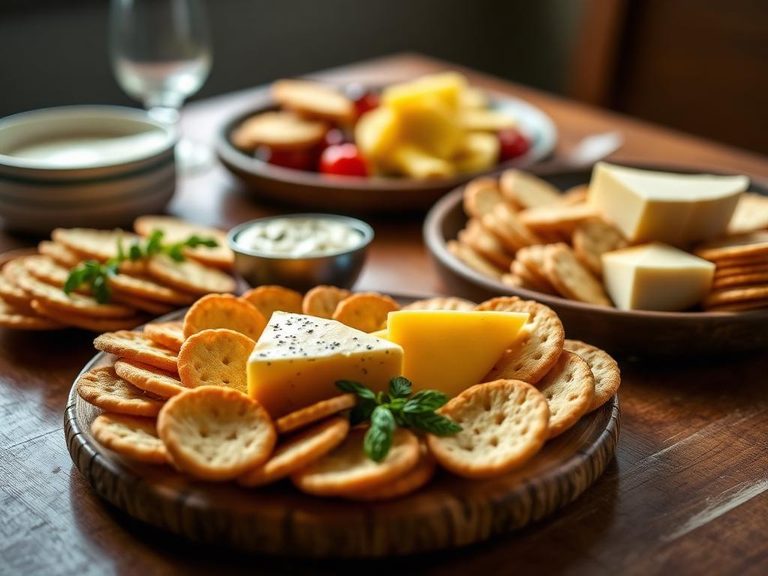
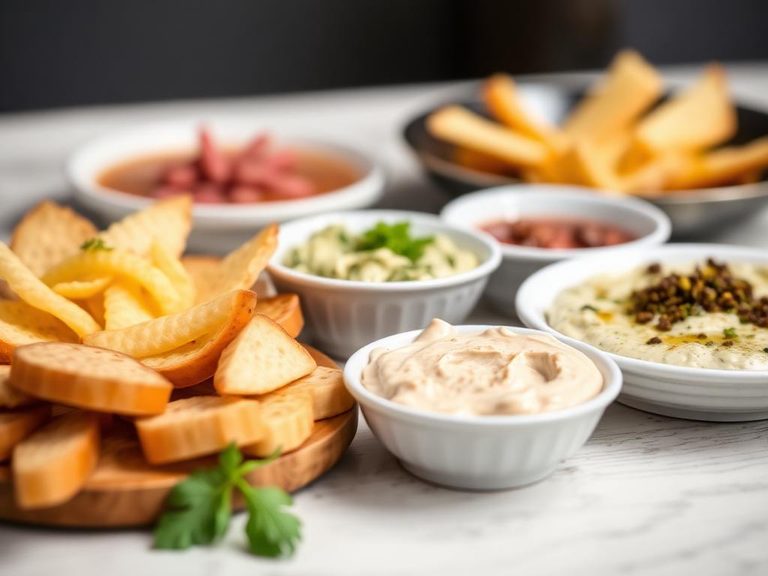
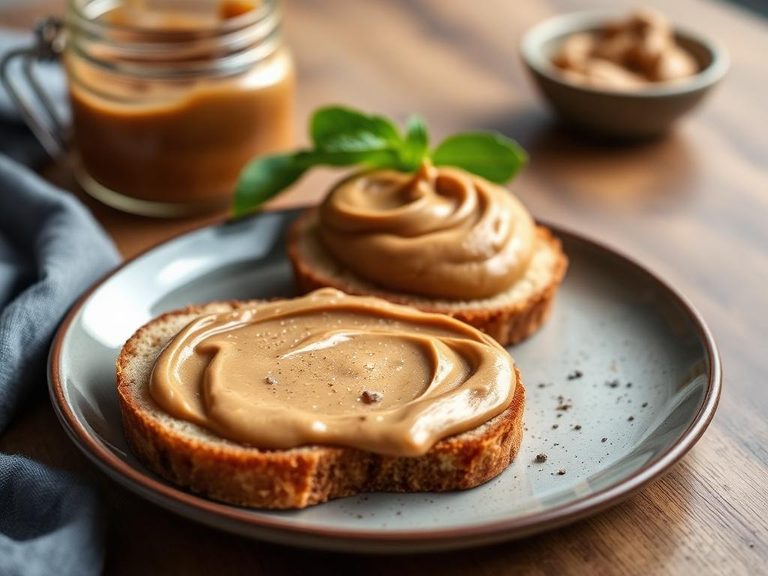
🌍 Where it's eaten
💡 Did you know?
The 'woven' pattern isn't just decorative; it's a structural design from industrial looms that helps the dough bake evenly and creates the signature light, airy layers inside the cracker.
Full nutrition (USDA data · scales with serving)
| Water | 2.7 g |
| Energy | 443 kcal |
| Protein | 8.8 g |
| Total lipid (fat) | 17.2 g |
| Carbohydrate, by difference | 68.6 g |
| Fiber, total dietary | 10.5 g |
| Total Sugars | 0.37 g |
| Calcium, Ca | 50.0 mg |
| Iron, Fe | 3.1 mg |
| Magnesium, Mg | 99.0 mg |
| Phosphorus, P | 295 mg |
| Potassium, K | 297 mg |
| Sodium, Na | 186 mg |
| Zinc, Zn | 2.1 mg |
| Copper, Cu | 0.44 mg |
| Selenium, Se | 14.7 ug |
| Vitamin C, total ascorbic acid | 0.00 mg |
| Thiamin | 0.20 mg |
| Riboflavin | 0.10 mg |
| Niacin | 4.5 mg |
| Vitamin B-6 | 0.18 mg |
| Folate, total | 28.0 ug |
| Folic acid | 0.00 ug |
| Folate, food | 28.0 ug |
| Folate, DFE | 28.0 ug |
| Choline, total | 27.2 mg |
| Vitamin B-12 | 0.00 ug |
| Vitamin B-12, added | 0.00 ug |
| Vitamin A, RAE | 0.00 ug |
| Retinol | 0.00 ug |
| Carotene, beta | 0.00 ug |
| Carotene, alpha | 0.00 ug |
| Cryptoxanthin, beta | 0.00 ug |
| Lycopene | 0.00 ug |
| Lutein + zeaxanthin | 179 ug |
| Vitamin E (alpha-tocopherol) | 0.86 mg |
| Vitamin E, added | 0.00 mg |
| Vitamin D (D2 + D3) | 0.00 ug |
| Vitamin K (phylloquinone) | 8.3 ug |
| Alcohol, ethyl | 0.00 g |
| Caffeine | 0.00 mg |
| Theobromine | 0.00 mg |
Fat & fatty acid profile (per 100g)
| Fatty acids, total saturated | 3.4 g |
| SFA 4:0 | 0.00 g |
| SFA 6:0 | 0.00 g |
| SFA 8:0 | 0.02 g |
| SFA 10:0 | 0.00 g |
| SFA 12:0 | 0.00 g |
| SFA 14:0 | 0.00 g |
| SFA 16:0 | 1.7 g |
| SFA 18:0 | 1.6 g |
| Fatty acids, total monounsaturated | 5.9 g |
| MUFA 16:1 | 0.01 g |
| MUFA 18:1 | 5.9 g |
| MUFA 20:1 | 0.00 g |
| MUFA 22:1 | 0.00 g |
| Fatty acids, total polyunsaturated | 6.6 g |
| PUFA 18:2 | 6.2 g |
| PUFA 18:3 | 0.38 g |
| PUFA 18:4 | 0.00 g |
| PUFA 20:4 | 0.00 g |
| PUFA 20:5 n-3 (EPA) | 0.00 g |
| PUFA 22:5 n-3 (DPA) | 0.00 g |
| PUFA 22:6 n-3 (DHA) | 0.00 g |
| Cholesterol | 0.00 mg |
Amino acid profile (per 100g)
Estimated from Crackers, cheese, sandwich-type with cheese filling — USDA does not publish this profile for Crackers.
| Tryptophan | 0.11 g |
| Threonine | 0.33 g |
| Isoleucine | 0.36 g |
| Leucine | 0.64 g |
| Lysine | 0.39 g |
| Methionine | 0.15 g |
| Cystine | 0.15 g |
| Phenylalanine | 0.35 g |
| Tyrosine | 0.25 g |
| Valine | 0.38 g |
| Arginine | 0.29 g |
| Histidine | 0.17 g |
| Alanine | 0.30 g |
| Aspartic acid | 0.52 g |
| Glutamic acid | 2.2 g |
| Glycine | 0.24 g |
| Proline | 0.77 g |
| Serine | 0.40 g |
FAQ
What does 'reduced sodium' mean for these crackers?
It means they contain at least 25% less sodium per serving than the standard version of the same product, making them a better choice for those watching salt intake.
Are they gluten-free?
No. As a woven wheat product, they contain wheat gluten and are not suitable for individuals with celiac disease or gluten sensitivity.
Why is the fiber content so high?
The crackers are made with whole grain wheat flour and often include added wheat bran or other fiber sources, which contributes to their high fiber content and dense texture.
Nutrient density (calculated · NRF9.3)
Nutrient Rich Foods index: beneficial nutrients (protein, fiber, vitamins, minerals) minus saturated fat, added sugar & sodium, per 100 kcal.
NRF9.3 index — Fulgoni, Keast & Drewnowski, 2009. Computed from USDA nutrients.
Weight-loss friendliness (composite index)
Energy density 4.43 kcal/g · 8% calories from protein · 10.5 g fiber · 0.4 g sugar per 100 g.
Composite of energy density (Rolls et al., 1999), protein & fiber satiety, minus sugar. A calculated heuristic — ranks satiety-per-calorie, not a clinical measure.
Dietary load (calculated from USDA values)
Potential renal acid load. Positive = acid-forming, negative = alkaline-forming.
Sodium-to-potassium ratio: 0.63 (lower is better — aim for ≤ 1)
Sodium:potassium per WHO potassium guidance. Computed from USDA nutrients.