

Cookie, brownie, NS as to icing
Common food
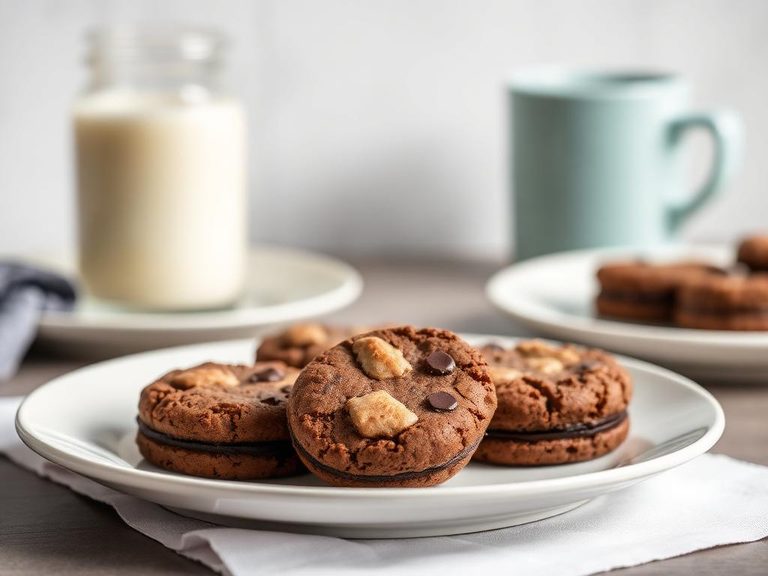
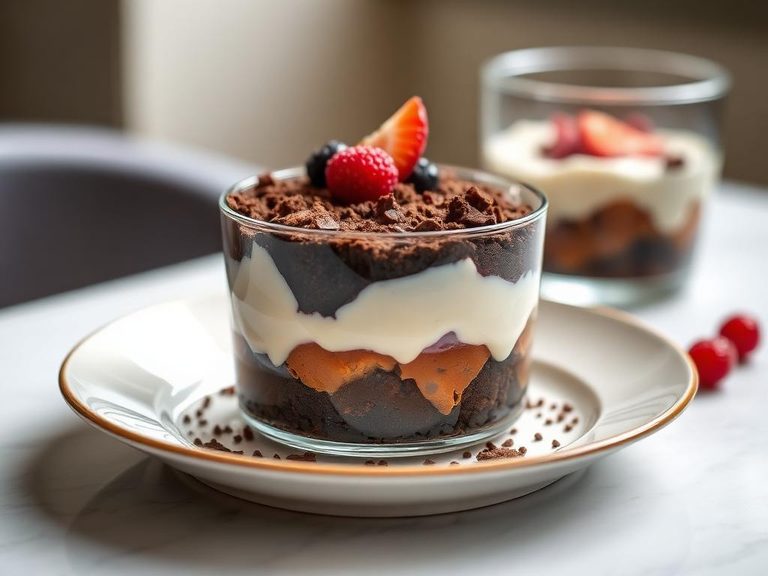
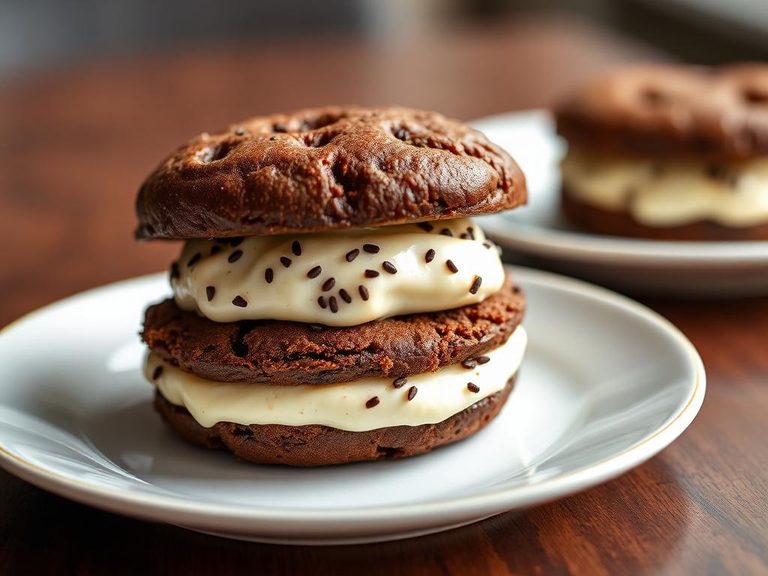
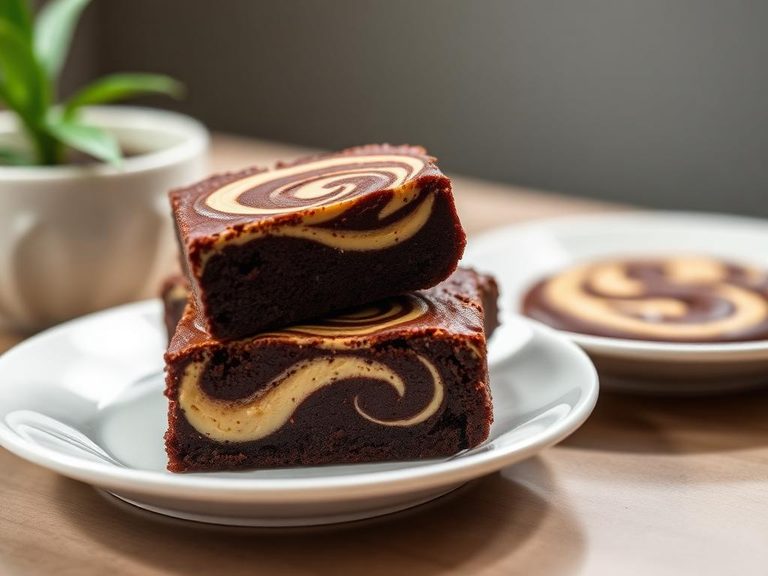
A dense, fudgy chocolate baked good that blurs the line between a cookie and a cake, often with a crackly top and a moist, chewy interior. Its rich cocoa flavor is balanced by a pronounced sweetness, with a texture that can range from cakey to intensely chewy depending on the recipe. Nutritionally, it's a significant source of quick energy, primarily from carbohydrates and sugars.
Calorie split: 5% protein · 61% carbs · 35% fat
↓ Full nutrition💚 Why it's loved
People love it for its deeply satisfying, chocolate-forward flavor and the comforting, indulgent experience of its dense, chewy texture. It's a versatile treat, equally at home as a dessert, a snack, or a sweet breakfast item, and carries strong nostalgic and cultural associations with home baking and celebrations.
⚠️ Watch-outs & how to enjoy it better
Its high sugar and refined carbohydrate content can lead to rapid blood sugar spikes and subsequent energy crashes, making it a poor choice for those managing diabetes or seeking sustained energy. It is also calorie-dense, and common ingredients like wheat flour, eggs, and dairy are major allergens. To mitigate blood sugar impact, pair a small portion with a source of protein (like a glass of milk) or healthy fat (like a handful of nuts) and focus on mindful portion control.
Key benefits
- Provides a quick source of energy from carbohydrates
- Contains some dietary fiber from cocoa and flour
- Can be a source of antioxidants from cocoa
- Offers a small amount of plant-based protein
- Often enjoyed as a morale-boosting treat or comfort food
🍽️ Popular dishes

🌍 Where it's eaten
💡 Did you know?
The first known recipe for a 'brownie' appeared in the 1896 Fannie Farmer Boston Cooking-School Cook Book, but it was a molasses-based bar; the chocolate version we know today was popularized by a 1906 recipe from the same source.
Full nutrition (USDA data · scales with serving)
| Water | 13.6 g |
| Energy | 405 kcal |
| Protein | 4.8 g |
| Total lipid (fat) | 16.3 g |
| Carbohydrate, by difference | 63.9 g |
| Fiber, total dietary | 2.1 g |
| Total Sugars | 36.6 g |
| Calcium, Ca | 29.0 mg |
| Iron, Fe | 2.3 mg |
| Magnesium, Mg | 31.0 mg |
| Phosphorus, P | 101 mg |
| Potassium, K | 149 mg |
| Sodium, Na | 286 mg |
| Zinc, Zn | 0.72 mg |
| Copper, Cu | 0.22 mg |
| Selenium, Se | 6.3 ug |
| Vitamin C, total ascorbic acid | 0.00 mg |
| Thiamin | 0.26 mg |
| Riboflavin | 0.21 mg |
| Niacin | 1.7 mg |
| Vitamin B-6 | 0.04 mg |
| Folate, total | 47.0 ug |
| Folic acid | 35.0 ug |
| Folate, food | 12.0 ug |
| Folate, DFE | 72.0 ug |
| Choline, total | 10.0 mg |
| Vitamin B-12 | 0.07 ug |
| Vitamin B-12, added | 0.00 ug |
| Vitamin A, RAE | 20.0 ug |
| Retinol | 20.0 ug |
| Carotene, beta | 0.00 ug |
| Carotene, alpha | 0.00 ug |
| Cryptoxanthin, beta | 0.00 ug |
| Lycopene | 0.00 ug |
| Lutein + zeaxanthin | 6.0 ug |
| Vitamin E (alpha-tocopherol) | 0.15 mg |
| Vitamin E, added | 0.00 mg |
| Vitamin D (D2 + D3) | 0.00 ug |
| Vitamin K (phylloquinone) | 6.5 ug |
| Alcohol, ethyl | 0.00 g |
| Caffeine | 2.0 mg |
| Theobromine | 78.0 mg |
Fat & fatty acid profile (per 100g)
| Fatty acids, total saturated | 4.2 g |
| SFA 4:0 | 0.00 g |
| SFA 6:0 | 0.00 g |
| SFA 8:0 | 0.00 g |
| SFA 10:0 | 0.00 g |
| SFA 12:0 | 0.00 g |
| SFA 14:0 | 0.08 g |
| SFA 16:0 | 2.2 g |
| SFA 18:0 | 2.0 g |
| Fatty acids, total monounsaturated | 9.0 g |
| MUFA 16:1 | 0.01 g |
| MUFA 18:1 | 8.9 g |
| MUFA 20:1 | 0.01 g |
| MUFA 22:1 | 0.00 g |
| Fatty acids, total polyunsaturated | 2.3 g |
| PUFA 18:2 | 2.1 g |
| PUFA 18:3 | 0.16 g |
| PUFA 18:4 | 0.00 g |
| PUFA 20:4 | 0.00 g |
| PUFA 20:5 n-3 (EPA) | 0.00 g |
| PUFA 22:5 n-3 (DPA) | 0.00 g |
| PUFA 22:6 n-3 (DHA) | 0.00 g |
| Cholesterol | 17.0 mg |
Amino acid profile (per 100g)
Estimated from Pie Crust, Cookie-type, Chocolate, Ready Crust — USDA does not publish this profile for Cookie.
| Tryptophan | 0.08 g |
| Threonine | 0.20 g |
| Isoleucine | 0.23 g |
| Leucine | 0.38 g |
| Lysine | 0.24 g |
| Methionine | 0.07 g |
| Cystine | 0.11 g |
| Phenylalanine | 0.28 g |
| Tyrosine | 0.16 g |
| Valine | 0.32 g |
| Arginine | 0.29 g |
| Histidine | 0.11 g |
| Alanine | 0.24 g |
| Aspartic acid | 0.45 g |
| Glutamic acid | 1.3 g |
| Glycine | 0.24 g |
| Proline | 0.42 g |
| Serine | 0.26 g |
FAQ
What's the difference between a fudgy and a cakey brownie?
Fudgy brownies have a higher fat-to-flour ratio and often use melted chocolate, resulting in a dense, moist, and chewy texture. Cakey brownies use more flour and leavening (like baking powder), creating a lighter, more open crumb similar to a cake.
Why do brownies have that shiny, crackly top?
The signature shiny, paper-thin crust forms when sugar and eggs are whipped together thoroughly before baking. This creates a meringue-like layer that rises to the top and sets during baking.
Can brownies be made gluten-free?
Yes, brownies are a popular candidate for gluten-free baking. Substituting wheat flour with a gluten-free flour blend, almond flour, or oat flour can yield excellent results, as the dense, fudgy texture is forgiving.
Nutrient density (calculated · NRF9.3)
Nutrient Rich Foods index: beneficial nutrients (protein, fiber, vitamins, minerals) minus saturated fat, added sugar & sodium, per 100 kcal.
NRF9.3 index — Fulgoni, Keast & Drewnowski, 2009. Computed from USDA nutrients.
Weight-loss friendliness (composite index)
Energy density 4.05 kcal/g · 5% calories from protein · 2.1 g fiber · 36.6 g sugar per 100 g.
Composite of energy density (Rolls et al., 1999), protein & fiber satiety, minus sugar. A calculated heuristic — ranks satiety-per-calorie, not a clinical measure.
Dietary load (calculated from USDA values)
Potential renal acid load. Positive = acid-forming, negative = alkaline-forming.
Sodium-to-potassium ratio: 1.92 (lower is better — aim for ≤ 1)
Sodium:potassium per WHO potassium guidance. Computed from USDA nutrients.