

Cheese food, pasteurized process, swiss
Whole food · Dairy and Egg Products
This is a smooth, meltable version of Swiss cheese, engineered for consistent performance in cooking and sandwiches. It has a mild, nutty flavor and a creamy, sliceable texture that softens beautifully when heated. It's a concentrated source of protein and fat, delivering substantial energy in each serving.
Calorie split: 27% protein · 6% carbs · 67% fat
↓ Full nutrition💚 Why it's loved
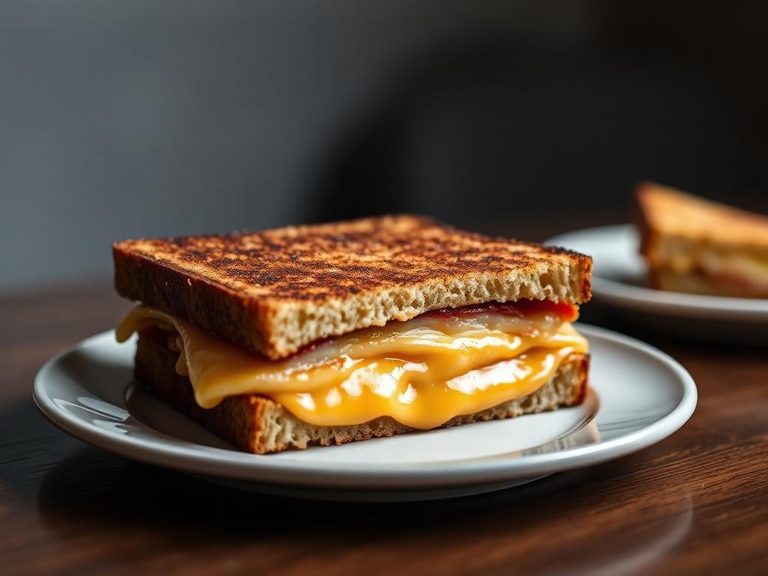
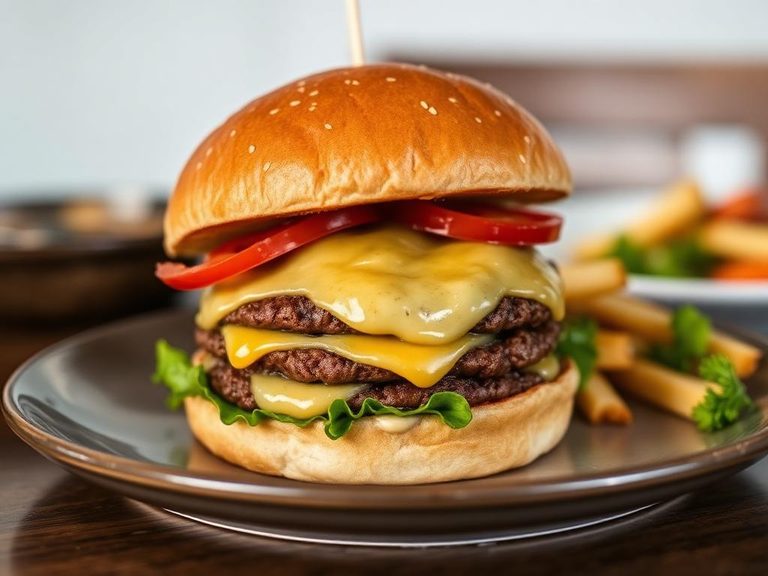
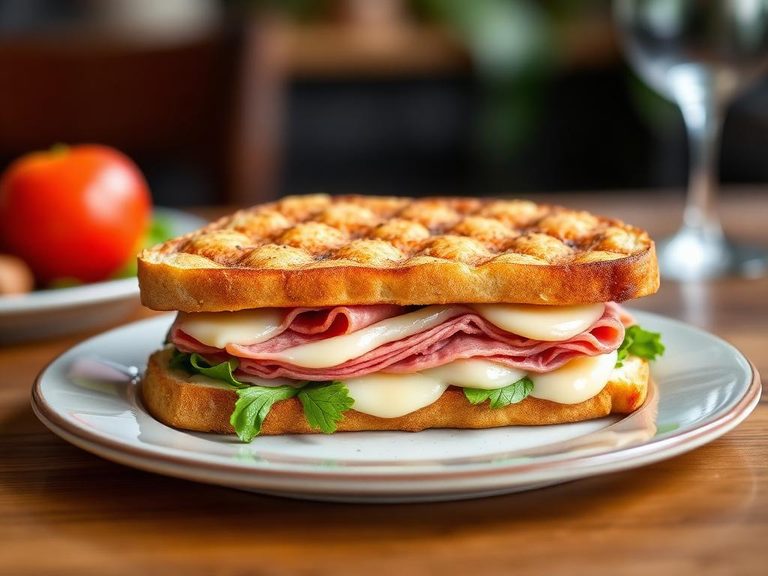
People love it for its reliable melt and mild, crowd-pleasing flavor that enhances without overpowering. Its pre-sliced convenience and consistent quality make it a staple for everything from grilled cheese to burgers.
⚠️ Watch-outs & how to enjoy it better
It is high in saturated fat and sodium, which should be considered in moderation. Those monitoring sodium intake or with dairy allergies should avoid it. To counteract, pair with potassium-rich vegetables like spinach or tomatoes, and use a single slice as a flavorful accent rather than the main component.
Key benefits
- Excellent source of complete protein (22g per 100g)
- Very low in carbohydrates and contains no sugar
- Provides calcium and phosphorus for bone health
- High in energy-dense fats, useful for active lifestyles
- Melts smoothly and predictably for cooking
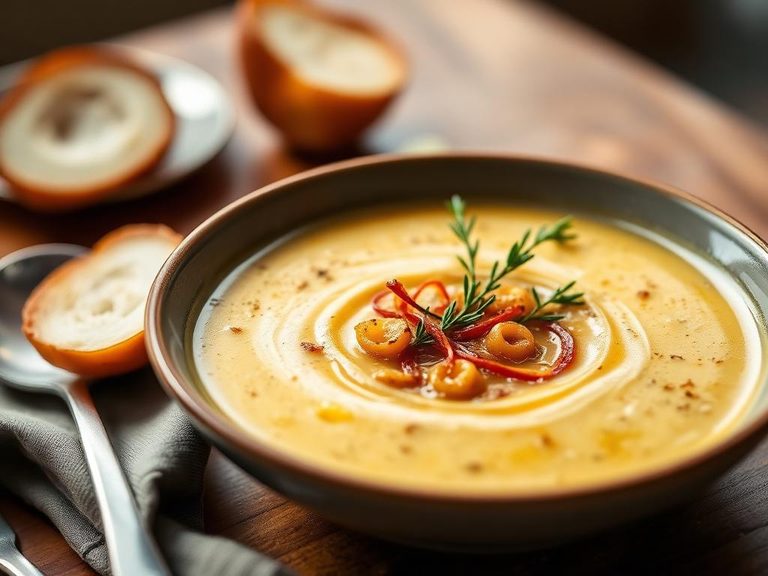
🍽️ Popular dishes
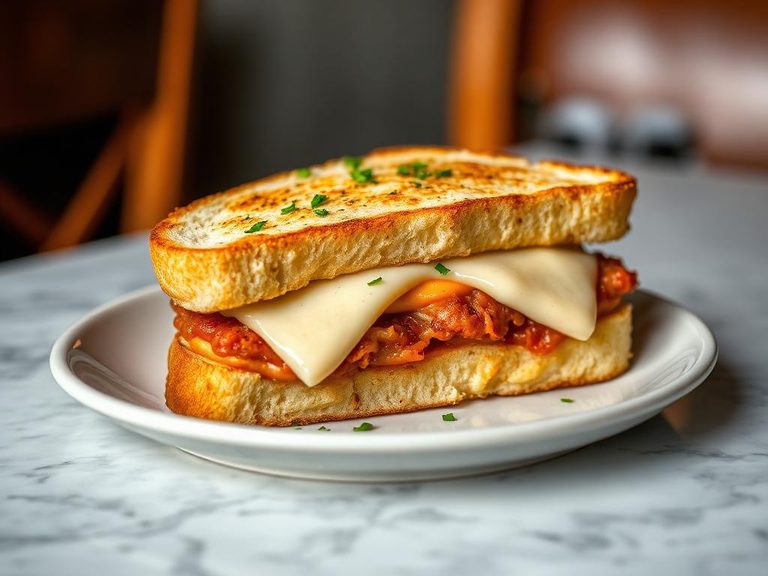
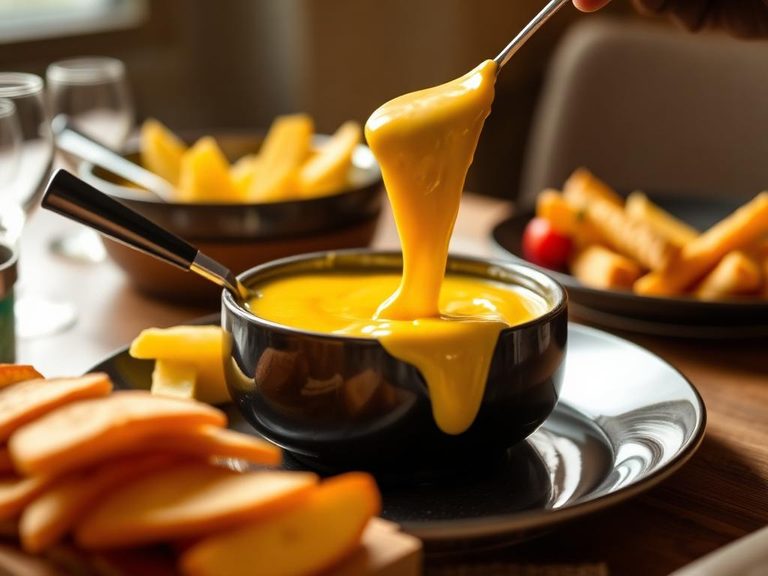
🌍 Where it's eaten
💡 Did you know?
The 'eyes' or holes in traditional Swiss cheese are caused by bacteria releasing carbon dioxide during fermentation, but pasteurized process Swiss is typically manufactured to be hole-free for uniform slicing.
Full nutrition (USDA data · scales with serving)
| Water | 43.7 g |
| Energy | 323 kcal |
| Energy | 1352 kj |
| Protein | 21.9 g |
| Total lipid (fat) | 24.1 g |
| Ash | 5.8 g |
| Carbohydrate, by difference | 4.5 g |
| Fiber, total dietary | 0.00 g |
| Calcium, Ca | 723 mg |
| Iron, Fe | 0.60 mg |
| Magnesium, Mg | 28.0 mg |
| Phosphorus, P | 526 mg |
| Potassium, K | 284 mg |
| Sodium, Na | 1552 mg |
| Zinc, Zn | 3.5 mg |
| Copper, Cu | 0.03 mg |
| Manganese, Mn | 0.01 mg |
| Selenium, Se | 16.1 ug |
| Vitamin C, total ascorbic acid | 0.00 mg |
| Thiamin | 0.01 mg |
| Riboflavin | 0.40 mg |
| Niacin | 0.10 mg |
| Pantothenic acid | 0.50 mg |
| Vitamin B-6 | 0.04 mg |
| Folate, total | 6.0 ug |
| Folic acid | 0.00 ug |
| Folate, food | 6.0 ug |
| Folate, DFE | 6.0 ug |
| Vitamin B-12 | 2.3 ug |
| Vitamin A, RAE | 237 ug |
| Retinol | 233 ug |
| Vitamin A, IU | 856 iu |
Fat & fatty acid profile (per 100g)
| Fatty acids, total saturated | 15.5 g |
| SFA 4:0 | 0.79 g |
| SFA 6:0 | 0.47 g |
| SFA 8:0 | 0.27 g |
| SFA 10:0 | 0.55 g |
| SFA 12:0 | 0.55 g |
| SFA 14:0 | 2.7 g |
| SFA 16:0 | 6.9 g |
| SFA 18:0 | 2.5 g |
| Fatty acids, total monounsaturated | 6.8 g |
| MUFA 16:1 | 0.65 g |
| MUFA 18:1 | 5.7 g |
| MUFA 20:1 | 0.00 g |
| MUFA 22:1 | 0.00 g |
| Fatty acids, total polyunsaturated | 0.60 g |
| PUFA 18:2 | 0.33 g |
| PUFA 18:3 | 0.27 g |
| PUFA 18:4 | 0.00 g |
| PUFA 20:5 n-3 (EPA) | 0.00 g |
| PUFA 22:5 n-3 (DPA) | 0.00 g |
| PUFA 22:6 n-3 (DHA) | 0.00 g |
| Cholesterol | 82.0 mg |
Amino acid profile (per 100g)
| Tryptophan | 0.32 g |
| Threonine | 0.71 g |
| Isoleucine | 1.0 g |
| Leucine | 1.9 g |
| Lysine | 2.2 g |
| Methionine | 0.57 g |
| Cystine | 0.14 g |
| Phenylalanine | 1.1 g |
| Tyrosine | 1.2 g |
| Valine | 1.3 g |
| Arginine | 0.92 g |
| Histidine | 0.89 g |
| Alanine | 0.55 g |
| Aspartic acid | 1.3 g |
| Glutamic acid | 4.5 g |
| Glycine | 0.36 g |
| Proline | 2.2 g |
| Serine | 1.1 g |
FAQ
How is pasteurized process Swiss different from natural Swiss cheese?
Pasteurized process Swiss is made by blending natural cheeses with emulsifying salts, milk, and other ingredients to create a smoother, more meltable product with a longer shelf life. Natural Swiss has a firmer texture and more complex flavor from aging.
Is this a good cheese for melting?
Yes, it is specifically formulated for excellent melting. It becomes smooth and creamy without separating or becoming oily, making it ideal for sandwiches, sauces, and toppings.
What's the best way to store it?
Keep it tightly wrapped in its original packaging or in an airtight container in the refrigerator. It will maintain quality for several weeks unopened, but use within 5-7 days once opened.
Nutrient density (calculated · NRF9.3)
Nutrient Rich Foods index: beneficial nutrients (protein, fiber, vitamins, minerals) minus saturated fat, added sugar & sodium, per 100 kcal.
NRF9.3 index — Fulgoni, Keast & Drewnowski, 2009. Computed from USDA nutrients.
Weight-loss friendliness (composite index)
Energy density 3.23 kcal/g · 27% calories from protein · 0.0 g fiber · 0.0 g sugar per 100 g.
Composite of energy density (Rolls et al., 1999), protein & fiber satiety, minus sugar. A calculated heuristic — ranks satiety-per-calorie, not a clinical measure.
Dietary load (calculated from USDA values)
Potential renal acid load. Positive = acid-forming, negative = alkaline-forming.
Sodium-to-potassium ratio: 5.46 (lower is better — aim for ≤ 1)
Sodium:potassium per WHO potassium guidance. Computed from USDA nutrients.