

Cheese, cottage cheese, with gelatin dessert
Common food

Photo: Wikipedia
This is a light, protein-rich dessert made by combining creamy cottage cheese with sweetened gelatin, creating a unique texture that's both smooth and slightly bouncy. It offers a mild, milky flavor with a hint of sweetness, making it a refreshing treat. Nutritionally, it's a standout for its high protein content relative to its modest calorie count.
Calorie split: 33% protein · 43% carbs · 24% fat
↓ Full nutrition💚 Why it's loved
People love it for its nostalgic, comforting quality and the satisfying contrast between the creamy cheese and the wobbly gelatin. It's a versatile base that can be customized with fruit purees, extracts, or spices to suit any taste.
⚠️ Watch-outs & how to enjoy it better
The combination of dairy and gelatin can be heavy or unappealing to some, and the added sugar may cause blood-sugar spikes. Those with lactose intolerance or a gelatin allergy should avoid it. To mitigate, pair it with fresh berries for fiber or choose a sugar-free gelatin mix.
Key benefits
- Excellent source of high-quality protein for muscle maintenance
- Low in fat, making it a lighter dessert option
- Provides calcium from the cottage cheese base
- The gelatin adds a small amount of collagen protein
- Satisfying texture can promote feelings of fullness
🍽️ Popular dishes
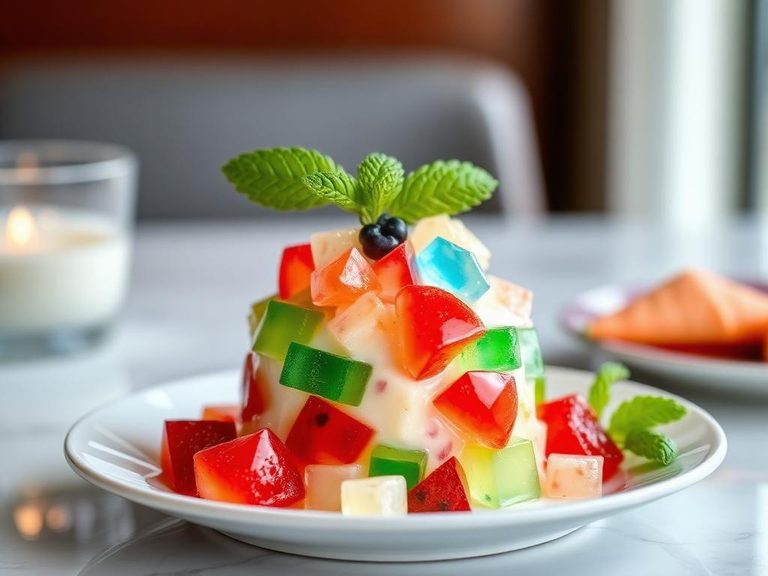
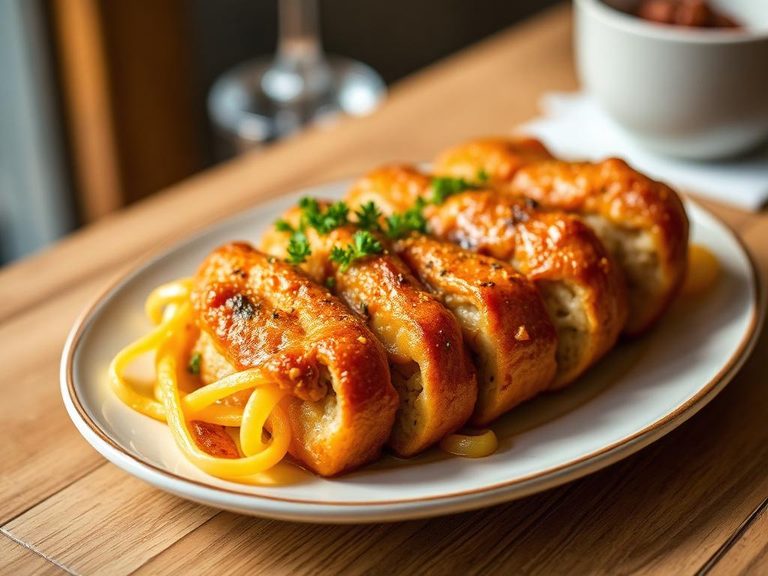
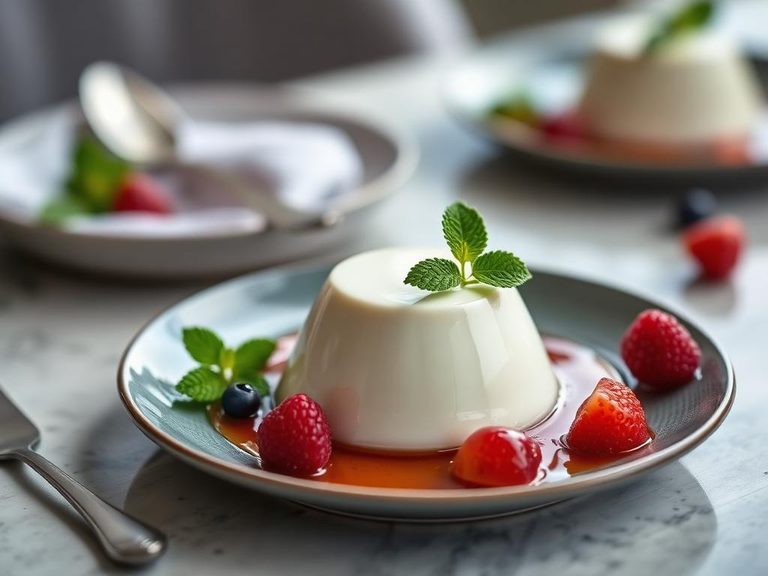
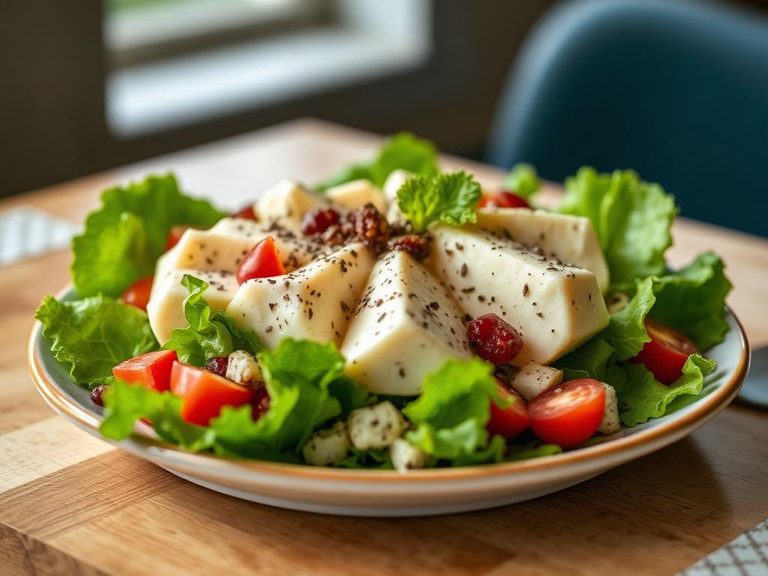

🌍 Where it's eaten
💡 Did you know?
In the mid-20th century United States, savory gelatin molds with cottage cheese, canned fruit, and vegetables were considered elegant, high-status party food.
Full nutrition (USDA data · scales with serving)
| Water | 81.0 g |
| Energy | 83.0 kcal |
| Protein | 6.8 g |
| Total lipid (fat) | 2.3 g |
| Carbohydrate, by difference | 9.0 g |
| Fiber, total dietary | 0.00 g |
| Total Sugars | 7.7 g |
| Calcium, Ca | 49.0 mg |
| Iron, Fe | 0.01 mg |
| Magnesium, Mg | 5.0 mg |
| Phosphorus, P | 93.0 mg |
| Potassium, K | 67.0 mg |
| Sodium, Na | 223 mg |
| Zinc, Zn | 0.25 mg |
| Copper, Cu | 0.01 mg |
| Selenium, Se | 5.7 ug |
| Vitamin C, total ascorbic acid | 0.00 mg |
| Thiamin | 0.03 mg |
| Riboflavin | 0.09 mg |
| Niacin | 0.07 mg |
| Vitamin B-6 | 0.03 mg |
| Folate, total | 7.0 ug |
| Folic acid | 0.00 ug |
| Folate, food | 7.0 ug |
| Folate, DFE | 7.0 ug |
| Choline, total | 10.1 mg |
| Vitamin B-12 | 0.36 ug |
| Vitamin B-12, added | 0.00 ug |
| Vitamin A, RAE | 19.0 ug |
| Retinol | 19.0 ug |
| Carotene, beta | 0.00 ug |
| Carotene, alpha | 0.00 ug |
| Cryptoxanthin, beta | 0.00 ug |
| Lycopene | 0.00 ug |
| Lutein + zeaxanthin | 0.00 ug |
| Vitamin E (alpha-tocopherol) | 0.04 mg |
| Vitamin E, added | 0.00 mg |
| Vitamin D (D2 + D3) | 0.10 ug |
| Vitamin K (phylloquinone) | 0.00 ug |
| Alcohol, ethyl | 0.00 g |
| Caffeine | 0.00 mg |
| Theobromine | 0.00 mg |
Fat & fatty acid profile (per 100g)
| Fatty acids, total saturated | 1.4 g |
| SFA 4:0 | 0.06 g |
| SFA 6:0 | 0.01 g |
| SFA 8:0 | 0.01 g |
| SFA 10:0 | 0.03 g |
| SFA 12:0 | 0.07 g |
| SFA 14:0 | 0.23 g |
| SFA 16:0 | 0.66 g |
| SFA 18:0 | 0.21 g |
| Fatty acids, total monounsaturated | 0.49 g |
| MUFA 16:1 | 0.03 g |
| MUFA 18:1 | 0.38 g |
| MUFA 20:1 | 0.00 g |
| MUFA 22:1 | 0.00 g |
| Fatty acids, total polyunsaturated | 0.07 g |
| PUFA 18:2 | 0.05 g |
| PUFA 18:3 | 0.01 g |
| PUFA 18:4 | 0.00 g |
| PUFA 20:4 | 0.00 g |
| PUFA 20:5 n-3 (EPA) | 0.00 g |
| PUFA 22:5 n-3 (DPA) | 0.00 g |
| PUFA 22:6 n-3 (DHA) | 0.00 g |
| Cholesterol | 10.0 mg |
Amino acid profile (per 100g)
Estimated from Crackers, cheese, sandwich-type with cheese filling — USDA does not publish this profile for Cheese.
| Tryptophan | 0.11 g |
| Threonine | 0.33 g |
| Isoleucine | 0.36 g |
| Leucine | 0.64 g |
| Lysine | 0.39 g |
| Methionine | 0.15 g |
| Cystine | 0.15 g |
| Phenylalanine | 0.35 g |
| Tyrosine | 0.25 g |
| Valine | 0.38 g |
| Arginine | 0.29 g |
| Histidine | 0.17 g |
| Alanine | 0.30 g |
| Aspartic acid | 0.52 g |
| Glutamic acid | 2.2 g |
| Glycine | 0.24 g |
| Proline | 0.77 g |
| Serine | 0.40 g |
FAQ
Is this the same as a cheesecake?
No. While both use cheese, this is a lighter, gelatin-set dessert, not a baked custard with a crust. It has significantly less fat and calories than traditional cheesecake.
Can I make it with Greek yogurt instead of cottage cheese?
Yes, substituting Greek yogurt will create a smoother, tangier result. The protein content will remain high, but the texture will be less grainy.
Why does it sometimes weep liquid?
This is called syneresis. It happens if the gelatin ratio is off, or if it's stored for too long. Using the correct amount of gelatin and keeping it well-chilled helps prevent this.
Nutrient density (calculated · NRF9.3)
Nutrient Rich Foods index: beneficial nutrients (protein, fiber, vitamins, minerals) minus saturated fat, added sugar & sodium, per 100 kcal.
NRF9.3 index — Fulgoni, Keast & Drewnowski, 2009. Computed from USDA nutrients.
Weight-loss friendliness (composite index)
Energy density 0.83 kcal/g · 33% calories from protein · 0.0 g fiber · 7.7 g sugar per 100 g.
Composite of energy density (Rolls et al., 1999), protein & fiber satiety, minus sugar. A calculated heuristic — ranks satiety-per-calorie, not a clinical measure.
Dietary load (calculated from USDA values)
Potential renal acid load. Positive = acid-forming, negative = alkaline-forming.
Sodium-to-potassium ratio: 3.33 (lower is better — aim for ≤ 1)
Sodium:potassium per WHO potassium guidance. Computed from USDA nutrients.