

Candy, sprinkles
Common food

Photo: Wikipedia
Candy sprinkles are tiny, crunchy sugar strands or spheres, primarily made of sugar, cornstarch, and food coloring. They offer a pure, sweet burst with a satisfying pop and no nutritional value beyond quick energy. Their main role is visual, adding a festive, colorful crunch to desserts.
Calorie split: 0% protein · 71% carbs · 29% fat
↓ Full nutrition💚 Why it's loved
People love sprinkles for their ability to instantly transform a simple treat into a celebration, adding a burst of color and a playful, crunchy texture that evokes nostalgia and joy.
⚠️ Watch-outs & how to enjoy it better
They are essentially pure sugar and fat with no fiber or protein, which can cause rapid blood sugar spikes and contribute to empty calories. To counteract this, use them sparingly as a garnish, not a main ingredient, and pair the dessert with a source of protein or healthy fat to slow sugar absorption.
Key benefits
- Provides quick energy from simple carbohydrates
- Enhances visual appeal of food
- Adds a satisfying textural contrast
- Boosts celebratory mood and fun
- Shelf-stable for long-term use
🍽️ Popular dishes
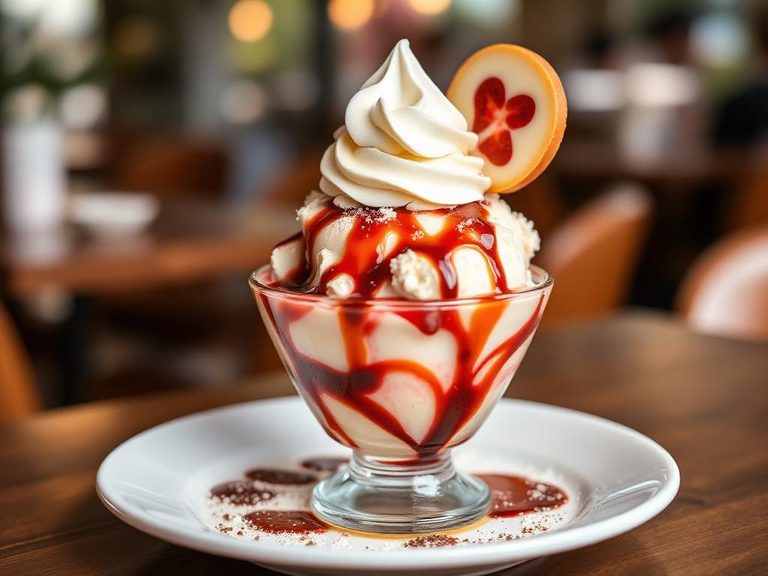

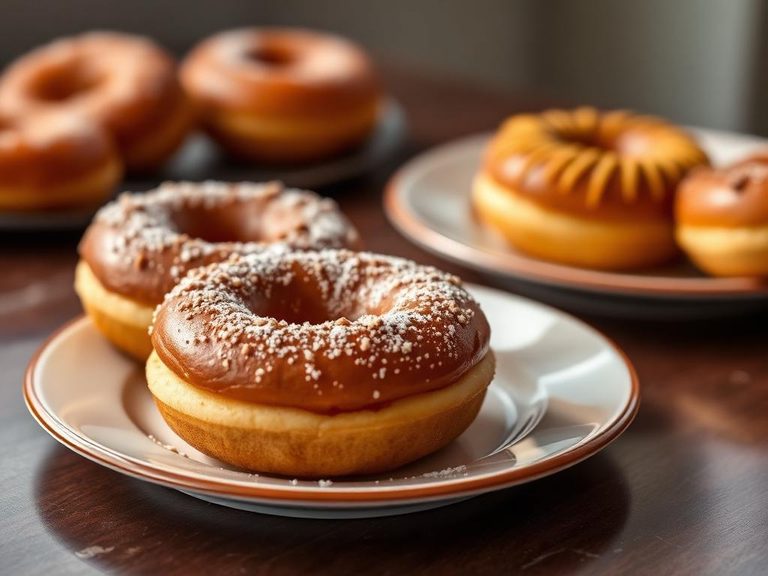
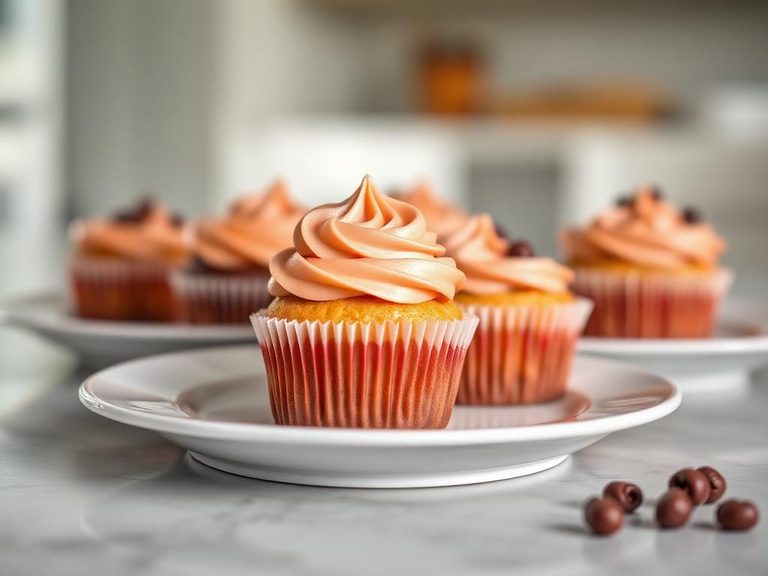
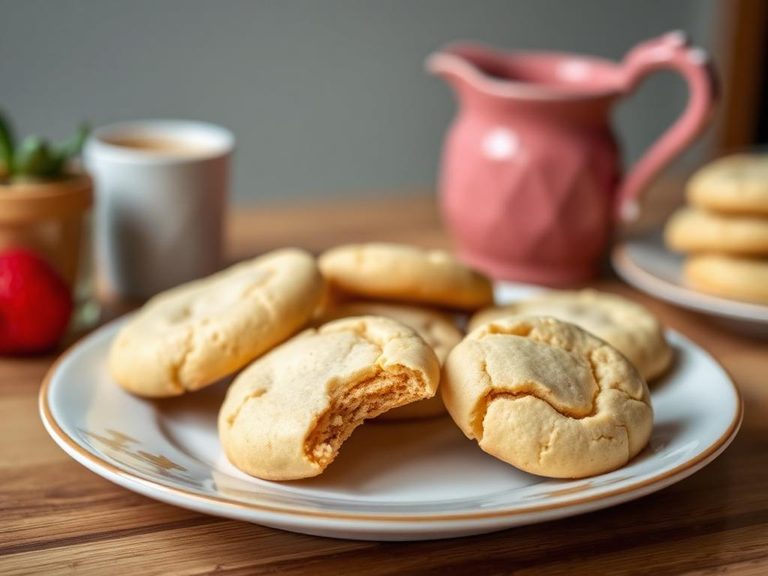
🌍 Where it's eaten
💡 Did you know?
The most common type of sprinkle in the U.S. is officially called 'jimmies,' a term whose origin is debated but may trace back to a Boston-area ice cream company in the 1930s.
Full nutrition (USDA data · scales with serving)
| Water | 0.03 g |
| Energy | 473 kcal |
| Protein | 0.00 g |
| Total lipid (fat) | 15.3 g |
| Carbohydrate, by difference | 84.7 g |
| Fiber, total dietary | 0.00 g |
| Total Sugars | 84.8 g |
| Calcium, Ca | 1.0 mg |
| Iron, Fe | 0.06 mg |
| Magnesium, Mg | 0.00 mg |
| Phosphorus, P | 0.00 mg |
| Potassium, K | 2.0 mg |
| Sodium, Na | 2.0 mg |
| Zinc, Zn | 0.01 mg |
| Copper, Cu | 0.01 mg |
| Selenium, Se | 0.50 ug |
| Vitamin C, total ascorbic acid | 0.00 mg |
| Thiamin | 0.00 mg |
| Riboflavin | 0.02 mg |
| Niacin | 0.00 mg |
| Vitamin B-6 | 0.00 mg |
| Folate, total | 0.00 ug |
| Folic acid | 0.00 ug |
| Folate, food | 0.00 ug |
| Folate, DFE | 0.00 ug |
| Choline, total | 0.00 mg |
| Vitamin B-12 | 0.00 ug |
| Vitamin B-12, added | 0.00 ug |
| Vitamin A, RAE | 0.00 ug |
| Retinol | 0.00 ug |
| Carotene, beta | 0.00 ug |
| Carotene, alpha | 0.00 ug |
| Cryptoxanthin, beta | 0.00 ug |
| Lycopene | 0.00 ug |
| Lutein + zeaxanthin | 0.00 ug |
| Vitamin E (alpha-tocopherol) | 0.01 mg |
| Vitamin E, added | 0.00 mg |
| Vitamin D (D2 + D3) | 0.00 ug |
| Vitamin K (phylloquinone) | 0.10 ug |
| Alcohol, ethyl | 0.00 g |
| Caffeine | 0.00 mg |
| Theobromine | 0.00 mg |
Fat & fatty acid profile (per 100g)
| Fatty acids, total saturated | 13.0 g |
| SFA 4:0 | 0.01 g |
| SFA 6:0 | 0.11 g |
| SFA 8:0 | 1.2 g |
| SFA 10:0 | 0.84 g |
| SFA 12:0 | 6.7 g |
| SFA 14:0 | 2.5 g |
| SFA 16:0 | 1.2 g |
| SFA 18:0 | 0.43 g |
| Fatty acids, total monounsaturated | 0.85 g |
| MUFA 16:1 | 0.00 g |
| MUFA 18:1 | 0.85 g |
| MUFA 20:1 | 0.00 g |
| MUFA 22:1 | 0.00 g |
| Fatty acids, total polyunsaturated | 0.22 g |
| PUFA 18:2 | 0.22 g |
| PUFA 18:3 | 0.00 g |
| PUFA 18:4 | 0.00 g |
| PUFA 20:4 | 0.00 g |
| PUFA 20:5 n-3 (EPA) | 0.00 g |
| PUFA 22:5 n-3 (DPA) | 0.00 g |
| PUFA 22:6 n-3 (DHA) | 0.00 g |
| Cholesterol | 0.00 mg |
Amino acid profile (per 100g)
Estimated from Oil, industrial, coconut, principal uses candy coatings, oil sprays, roasting nuts — USDA does not publish this profile for Candy.
| Tryptophan | 0.00 g |
| Threonine | 0.00 g |
| Isoleucine | 0.00 g |
| Leucine | 0.00 g |
| Lysine | 0.00 g |
| Methionine | 0.00 g |
| Cystine | 0.00 g |
| Phenylalanine | 0.00 g |
| Tyrosine | 0.00 g |
| Valine | 0.00 g |
| Arginine | 0.00 g |
| Histidine | 0.00 g |
| Alanine | 0.00 g |
| Aspartic acid | 0.00 g |
| Glutamic acid | 0.00 g |
| Glycine | 0.00 g |
| Proline | 0.00 g |
| Serine | 0.00 g |
FAQ
What are sprinkles made of?
The primary ingredients are sugar, cornstarch, vegetable oil, confectioner's glaze, and food coloring. Some may contain wax, lecithin, or artificial flavors.
Are sprinkles gluten-free?
Most standard sprinkles are gluten-free as they are made from sugar and cornstarch. However, always check the label, as some brands may be produced in facilities that handle wheat or use barley malt.
Why do sprinkles bleed color?
The color from sprinkles can bleed into frosting or ice cream because the food coloring is water-soluble. This is more common with lower-quality sprinkles or when they are exposed to moisture for a prolonged period.
Nutrient density (calculated · NRF9.3)
Nutrient Rich Foods index: beneficial nutrients (protein, fiber, vitamins, minerals) minus saturated fat, added sugar & sodium, per 100 kcal.
NRF9.3 index — Fulgoni, Keast & Drewnowski, 2009. Computed from USDA nutrients.
Weight-loss friendliness (composite index)
Energy density 4.73 kcal/g · 0% calories from protein · 0.0 g fiber · 84.8 g sugar per 100 g.
Composite of energy density (Rolls et al., 1999), protein & fiber satiety, minus sugar. A calculated heuristic — ranks satiety-per-calorie, not a clinical measure.
Dietary load (calculated from USDA values)
Potential renal acid load. Positive = acid-forming, negative = alkaline-forming.
Sodium-to-potassium ratio: 1.00 (lower is better — aim for ≤ 1)
Sodium:potassium per WHO potassium guidance. Computed from USDA nutrients.