

Buffalo, free range, top round steak, raw (Shoshone Bannock)
Whole food · American Indian/Alaska Native Foods

Photo: Wikipedia
This is a lean, raw cut of free-range buffalo (American bison) from the top round, prized for its deep, slightly sweet, and earthy flavor with a firm, dense texture. Nutritionally, it is a powerhouse of protein with virtually no fat or carbohydrates, making it an exceptionally lean red meat choice. The Shoshone Bannock preparation highlights a traditional, minimal-processing approach to this wild game meat.
Calorie split: 88% protein · 0% carbs · 12% fat
↓ Full nutrition💚 Why it's loved
People love it for its clean, robust flavor that's less gamey than venison but more complex than beef, offering a satisfying, hearty taste. Its extreme leanness makes it a versatile canvas for bold marinades, grilling, and stir-fries, especially in health-conscious and Indigenous-inspired cuisine.
⚠️ Watch-outs & how to enjoy it better
Its very low fat content can make it tough and dry if overcooked, which is a common pitfall for those used to fattier cuts. To counteract this, use quick, high-heat cooking methods (grilling, searing) or marinate it in acidic or enzymatic ingredients (like pineapple juice or yogurt) to tenderize, and consider adding a small amount of healthy fat (like avocado oil) during cooking.
Key benefits
- Extremely high in complete protein (21.44g per 100g) for muscle repair and satiety.
- Virtually fat-free (1.3g per 100g), making it one of the leanest red meats available.
- Zero carbohydrates and sugar, ideal for low-carb or ketogenic diets.
- Rich in iron, zinc, and B vitamins, supporting energy and immune function.
- Free-range sourcing often correlates with higher omega-3 fatty acids and a better fatty acid profile than conventional beef.
🍽️ Popular dishes
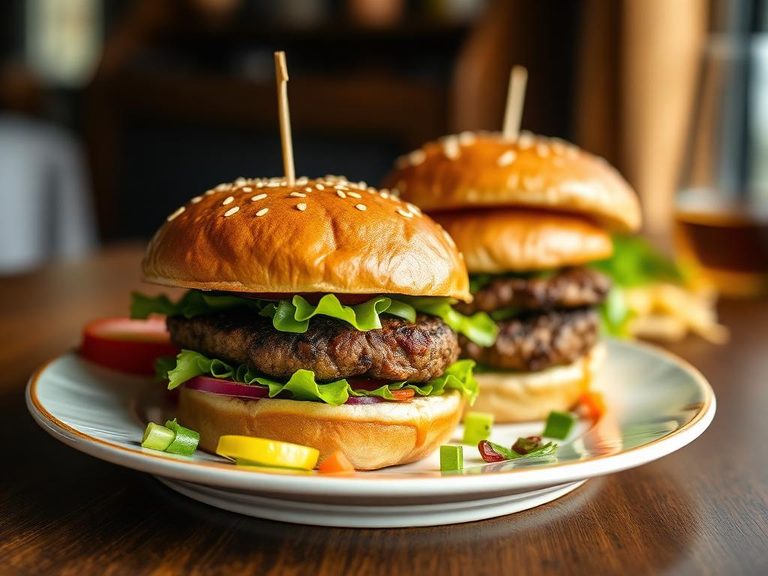
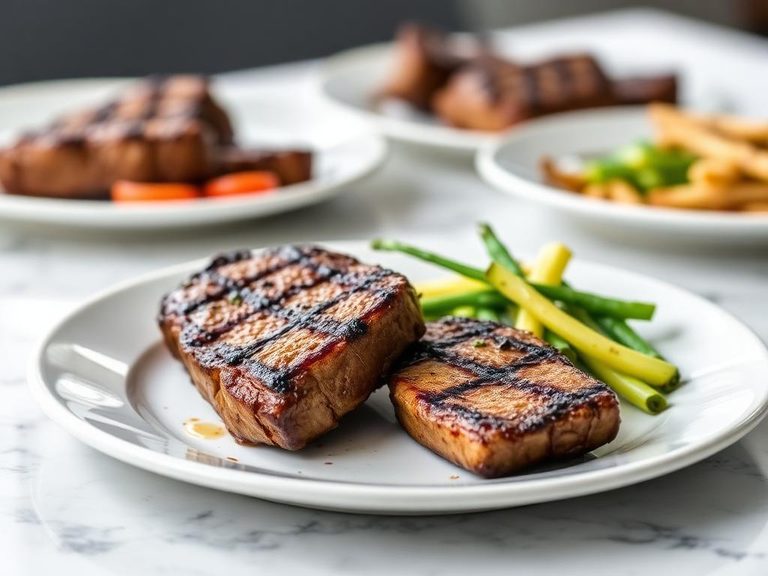
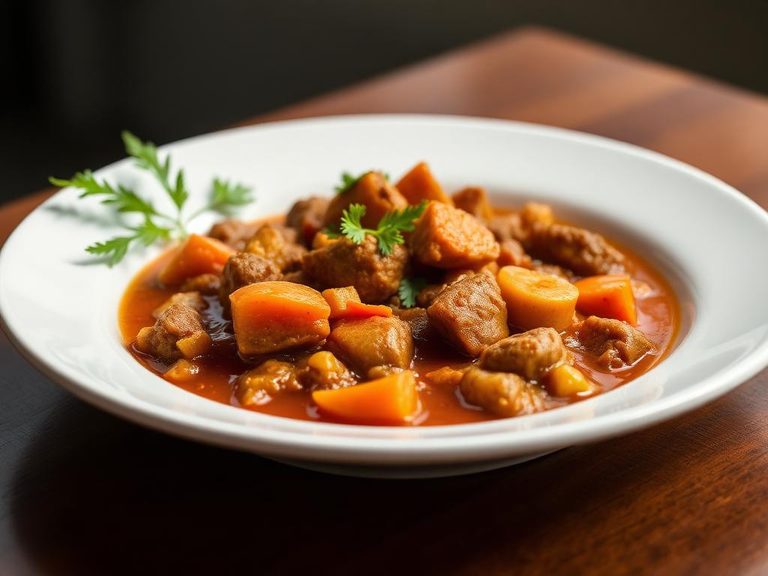
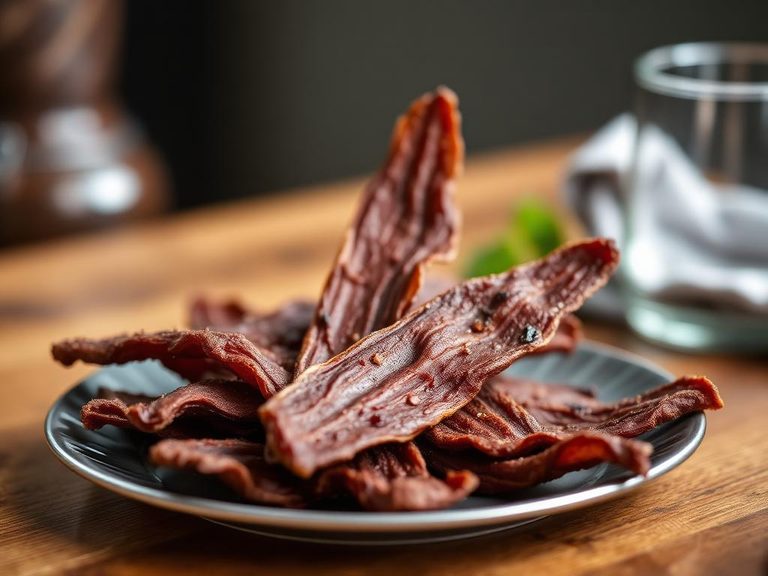
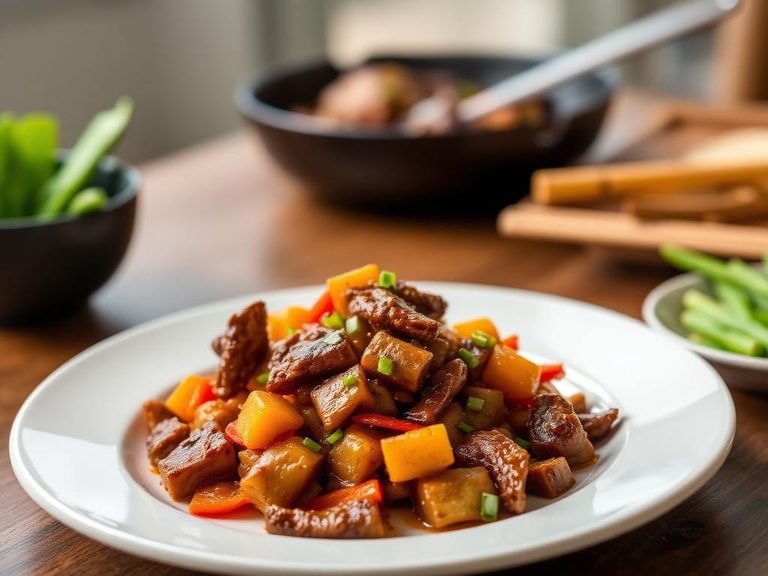
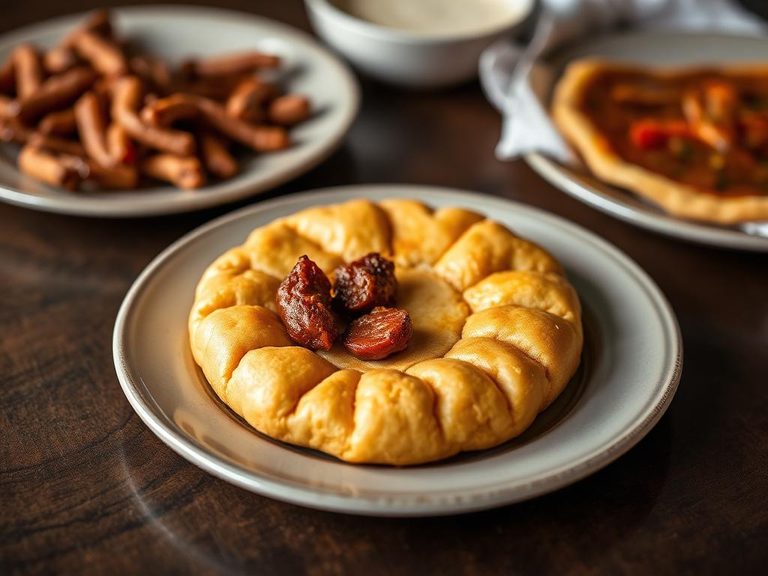
🌍 Where it's eaten
💡 Did you know?
The Shoshone Bannock people historically used every part of the buffalo, and the top round was often dried into pemmican—a concentrated, high-energy survival food made by mixing dried meat with fat and berries.
Full nutrition (USDA data · scales with serving)
| Water | 76.0 g |
| Energy | 97.0 kcal |
| Energy | 408 kj |
| Protein | 21.4 g |
| Total lipid (fat) | 1.3 g |
| Ash | 0.94 g |
| Carbohydrate, by difference | 0.00 g |
| Calcium, Ca | 3.0 mg |
| Iron, Fe | 2.6 mg |
| Magnesium, Mg | 22.0 mg |
| Phosphorus, P | 200 mg |
| Potassium, K | 355 mg |
| Sodium, Na | 43.0 mg |
| Zinc, Zn | 3.0 mg |
| Copper, Cu | 0.12 mg |
| Manganese, Mn | 0.01 mg |
| Selenium, Se | 7.0 ug |
| Thiamin | 0.15 mg |
| Riboflavin | 0.33 mg |
| Niacin | 6.9 mg |
| Pantothenic acid | 0.76 mg |
| Vitamin B-6 | 0.78 mg |
| Vitamin B-12 | 1.1 ug |
Fat & fatty acid profile (per 100g)
| Fatty acids, total saturated | 0.42 g |
| SFA 8:0 | 0.00 g |
| SFA 10:0 | 0.00 g |
| SFA 12:0 | 0.00 g |
| SFA 14:0 | 0.01 g |
| SFA 15:0 | 0.01 g |
| SFA 16:0 | 0.19 g |
| SFA 17:0 | 0.02 g |
| SFA 18:0 | 0.19 g |
| SFA 20:0 | 0.00 g |
| SFA 22:0 | 0.00 g |
| Fatty acids, total monounsaturated | 0.42 g |
| MUFA 14:1 | 0.00 g |
| MUFA 15:1 | 0.00 g |
| MUFA 16:1 | 0.02 g |
| MUFA 17:1 | 0.00 g |
| MUFA 18:1 | 0.40 g |
| MUFA 18:1 c | 0.36 g |
| MUFA 20:1 | 0.00 g |
| Fatty acids, total polyunsaturated | 0.10 g |
| PUFA 18:2 | 0.07 g |
| PUFA 18:2 n-6 c,c | 0.04 g |
| PUFA 18:3 | 0.02 g |
| PUFA 18:3 n-3 c,c,c (ALA) | 0.02 g |
| PUFA 18:3 n-6 c,c,c | 0.00 g |
| PUFA 20:2 n-6 c,c | 0.00 g |
| PUFA 20:3 | 0.00 g |
| PUFA 20:4 | 0.01 g |
| Fatty acids, total trans | 0.07 g |
| Fatty acids, total trans-monoenoic | 0.04 g |
| TFA 18:1 t | 0.04 g |
| TFA 18:2 t,t | 0.02 g |
| Fatty acids, total trans-polyenoic | 0.02 g |
Amino acid profile (per 100g)
| Tryptophan | 0.23 g |
| Threonine | 0.85 g |
| Isoleucine | 0.93 g |
| Leucine | 1.7 g |
| Lysine | 1.5 g |
| Methionine | 0.60 g |
| Cystine | 0.23 g |
| Phenylalanine | 0.82 g |
| Tyrosine | 0.72 g |
| Valine | 0.96 g |
| Arginine | 1.3 g |
| Histidine | 0.70 g |
| Alanine | 1.2 g |
| Aspartic acid | 1.9 g |
| Glutamic acid | 3.1 g |
| Glycine | 0.90 g |
| Proline | 0.81 g |
| Serine | 0.88 g |
| Hydroxyproline | 0.07 g |
FAQ
How does buffalo top round differ from beef top round?
Buffalo is significantly leaner (often less than half the fat), has a slightly sweeter, earthier flavor, and is denser in texture. It cooks faster due to the low fat content.
What's the best way to cook this cut to avoid toughness?
Use high-heat, quick cooking methods like grilling or searing to medium-rare. Marinating for 1-2 hours in an acidic mixture (e.g., balsamic vinegar, citrus) helps tenderize the lean muscle fibers.
Is buffalo meat considered a red meat?
Yes, it is classified as red meat. However, it is often marketed as a healthier alternative due to its lower fat, cholesterol, and calorie content compared to conventional beef.
Nutrient density (calculated · NRF9.3)
Nutrient Rich Foods index: beneficial nutrients (protein, fiber, vitamins, minerals) minus saturated fat, added sugar & sodium, per 100 kcal.
NRF9.3 index — Fulgoni, Keast & Drewnowski, 2009. Computed from USDA nutrients.
Weight-loss friendliness (composite index)
Energy density 0.97 kcal/g · 88% calories from protein · 0.0 g fiber · 0.0 g sugar per 100 g.
Composite of energy density (Rolls et al., 1999), protein & fiber satiety, minus sugar. A calculated heuristic — ranks satiety-per-calorie, not a clinical measure.
Dietary load (calculated from USDA values)
Potential renal acid load. Positive = acid-forming, negative = alkaline-forming.
Sodium-to-potassium ratio: 0.12 (lower is better — aim for ≤ 1)
Sodium:potassium per WHO potassium guidance. Computed from USDA nutrients.