

Buckwheat
Whole food · Cereal Grains and Pasta

Photo: Wikipedia
Buckwheat is a gluten-free pseudocereal with a robust, earthy, and slightly nutty flavor and a satisfying chewy texture when cooked. Despite its name, it is not related to wheat and is prized for its high-quality protein and impressive fiber content.
Calorie split: 14% protein · 77% carbs · 8% fat
↓ Full nutrition💚 Why it's loved
People love buckwheat for its deep, savory flavor that pairs beautifully with both sweet and savory ingredients, and its hearty texture that holds up well in soups, salads, and porridges. It's a staple in many cultures, from Russian kasha to Japanese soba noodles.
⚠️ Watch-outs & how to enjoy it better
The strong, earthy taste can be polarizing for some. Buckwheat contains oxalates, so individuals prone to kidney stones should moderate intake. To counteract this, ensure adequate hydration and consider pairing it with calcium-rich foods like dairy or fortified plant milks to bind oxalates.
Key benefits
- Excellent source of plant-based protein with all essential amino acids.
- High in fiber, promoting digestive health and satiety.
- Rich in minerals like magnesium, manganese, and copper.
- Contains the antioxidant rutin, which supports vascular health.
- Naturally gluten-free, making it suitable for celiac diets.
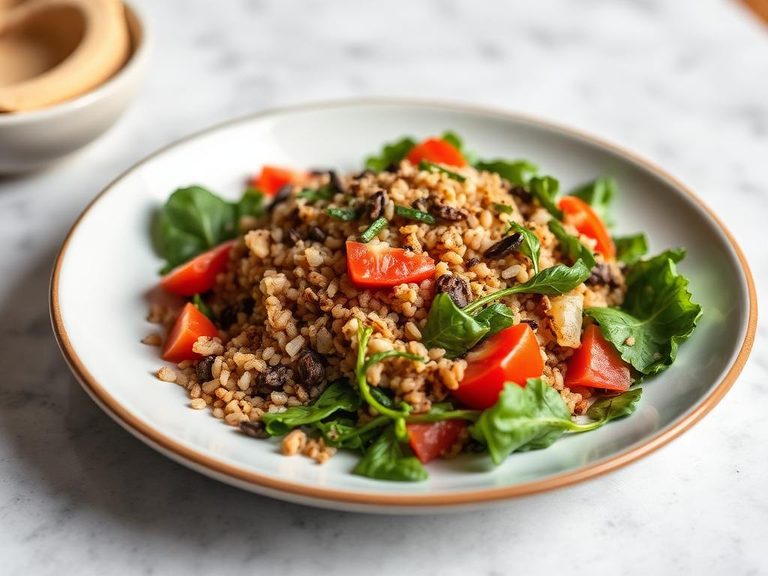
🍽️ Popular dishes
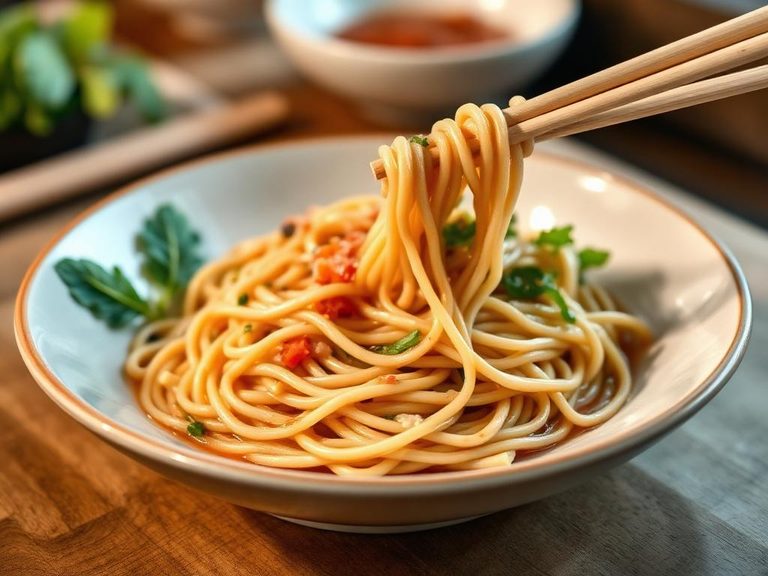
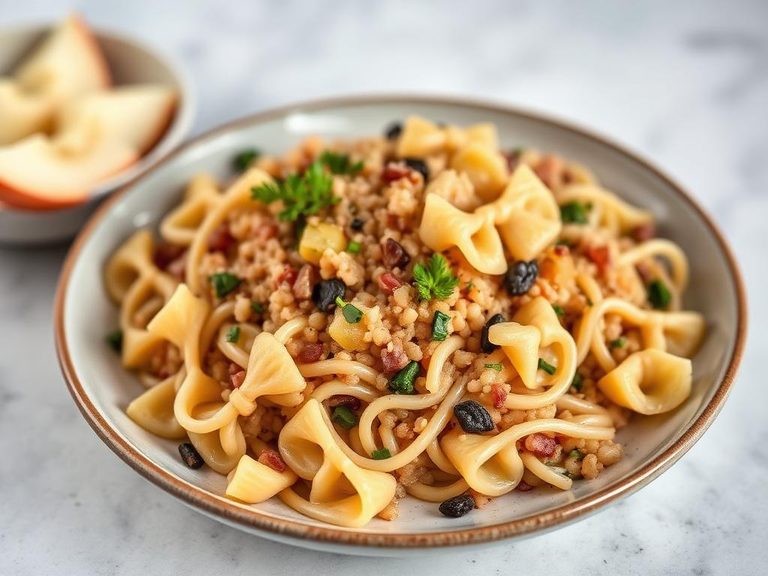
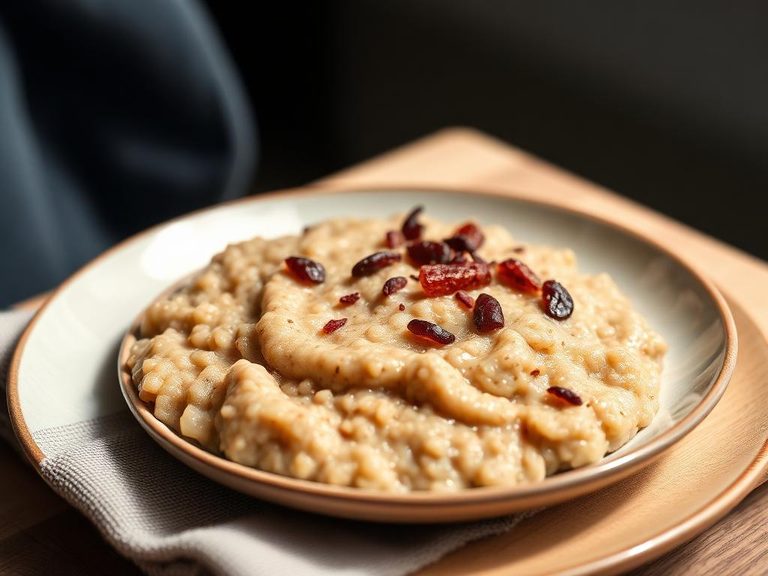
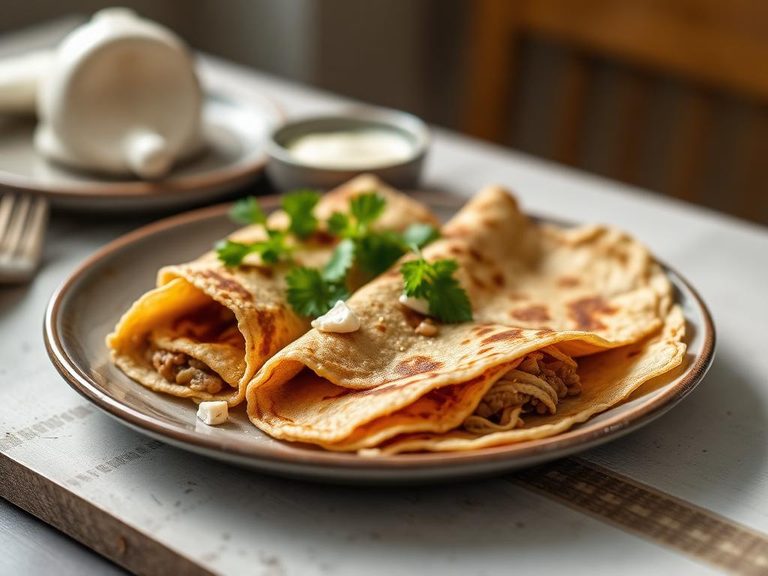

🌍 Where it's eaten
💡 Did you know?
Buckwheat is not a grain but a seed from a plant related to rhubarb and sorrel.
Full nutrition (USDA data · scales with serving)
| Water | 9.8 g |
| Energy | 343 kcal |
| Energy | 1435 kj |
| Protein | 13.3 g |
| Total lipid (fat) | 3.4 g |
| Ash | 2.1 g |
| Carbohydrate, by difference | 71.5 g |
| Fiber, total dietary | 10.0 g |
| Calcium, Ca | 18.0 mg |
| Iron, Fe | 2.2 mg |
| Magnesium, Mg | 231 mg |
| Phosphorus, P | 347 mg |
| Potassium, K | 460 mg |
| Sodium, Na | 1.0 mg |
| Zinc, Zn | 2.4 mg |
| Copper, Cu | 1.1 mg |
| Manganese, Mn | 1.3 mg |
| Selenium, Se | 8.3 ug |
| Vitamin C, total ascorbic acid | 0.00 mg |
| Thiamin | 0.10 mg |
| Riboflavin | 0.42 mg |
| Niacin | 7.0 mg |
| Pantothenic acid | 1.2 mg |
| Vitamin B-6 | 0.21 mg |
| Folate, total | 30.0 ug |
| Folic acid | 0.00 ug |
| Folate, food | 30.0 ug |
| Folate, DFE | 30.0 ug |
| Vitamin B-12 | 0.00 ug |
| Vitamin B-12, added | 0.00 ug |
| Vitamin A, RAE | 0.00 ug |
| Retinol | 0.00 ug |
| Vitamin A, IU | 0.00 iu |
| Vitamin D (D2 + D3), International Units | 0.00 iu |
| Vitamin D (D2 + D3) | 0.00 ug |
| Alcohol, ethyl | 0.00 g |
Fat & fatty acid profile (per 100g)
| Fatty acids, total saturated | 0.74 g |
| SFA 4:0 | 0.00 g |
| SFA 6:0 | 0.00 g |
| SFA 8:0 | 0.04 g |
| SFA 10:0 | 0.02 g |
| SFA 12:0 | 0.01 g |
| SFA 14:0 | 0.03 g |
| SFA 16:0 | 0.45 g |
| SFA 18:0 | 0.05 g |
| Fatty acids, total monounsaturated | 1.0 g |
| MUFA 16:1 | 0.02 g |
| MUFA 18:1 | 0.99 g |
| MUFA 20:1 | 0.00 g |
| MUFA 22:1 | 0.01 g |
| Fatty acids, total polyunsaturated | 1.0 g |
| PUFA 18:2 | 0.96 g |
| PUFA 18:3 | 0.08 g |
| PUFA 18:4 | 0.00 g |
| PUFA 20:4 | 0.00 g |
| PUFA 20:5 n-3 (EPA) | 0.00 g |
| PUFA 22:5 n-3 (DPA) | 0.00 g |
| PUFA 22:6 n-3 (DHA) | 0.00 g |
| Cholesterol | 0.00 mg |
Amino acid profile (per 100g)
| Tryptophan | 0.19 g |
| Threonine | 0.51 g |
| Isoleucine | 0.50 g |
| Leucine | 0.83 g |
| Lysine | 0.67 g |
| Methionine | 0.17 g |
| Cystine | 0.23 g |
| Phenylalanine | 0.52 g |
| Tyrosine | 0.24 g |
| Valine | 0.68 g |
| Arginine | 0.98 g |
| Histidine | 0.31 g |
| Alanine | 0.75 g |
| Aspartic acid | 1.1 g |
| Glutamic acid | 2.0 g |
| Glycine | 1.0 g |
| Proline | 0.51 g |
| Serine | 0.69 g |
FAQ
Is buckwheat gluten-free?
Yes, pure buckwheat is naturally gluten-free and safe for those with celiac disease. However, it is often processed in facilities with wheat, so look for certified gluten-free labels to avoid cross-contamination.
How do I cook buckwheat groats?
Toast groats in a dry pan for nuttiness, then simmer with water or broth (1:2 ratio) for about 15 minutes until tender. Let it rest covered for 5 minutes before fluffing with a fork.
What's the difference between buckwheat flour and groats?
Groats are the whole hulled seeds, used for porridge or pilafs. Flour is ground from the groats, used for pancakes, crepes, and noodles. They have similar nutrition but different culinary uses.
Nutrient density (calculated · NRF9.3)
Nutrient Rich Foods index: beneficial nutrients (protein, fiber, vitamins, minerals) minus saturated fat, added sugar & sodium, per 100 kcal.
NRF9.3 index — Fulgoni, Keast & Drewnowski, 2009. Computed from USDA nutrients.
Weight-loss friendliness (composite index)
Energy density 3.43 kcal/g · 15% calories from protein · 10.0 g fiber · 0.0 g sugar per 100 g.
Composite of energy density (Rolls et al., 1999), protein & fiber satiety, minus sugar. A calculated heuristic — ranks satiety-per-calorie, not a clinical measure.
Dietary load (calculated from USDA values)
Potential renal acid load. Positive = acid-forming, negative = alkaline-forming.
Sodium-to-potassium ratio: 0.00 (lower is better — aim for ≤ 1)
Sodium:potassium per WHO potassium guidance. Computed from USDA nutrients.