

Brussels sprouts, frozen, cooked, no added fat
Common food

Photo: Wikipedia
Frozen, cooked Brussels sprouts are small, dense, cabbage-like buds with a mild, nutty, and slightly earthy flavor, offering a tender yet firm texture when properly prepared. With only 42 calories per 100g and a notable 4.1g of fiber, they are a low-energy-density, high-fiber vegetable choice. Their nutritional profile is defined by a lean protein-to-calorie ratio and virtually no fat, making them a clean, plant-based staple.
Calorie split: 28% protein · 65% carbs · 7% fat
↓ Full nutrition💚 Why it's loved
People love Brussels sprouts for their satisfying, savory depth that pairs beautifully with bold flavors like bacon, balsamic, or garlic. Their versatility allows them to be roasted, steamed, or sautéed, making them a beloved side dish in many Western cuisines.
⚠️ Watch-outs & how to enjoy it better
Some find Brussels sprouts bitter or sulfurous, which can be off-putting, especially if overcooked. They contain goitrogens that may interfere with thyroid function in very large amounts, so those with thyroid conditions should moderate intake. To counteract bitterness, roast them at high heat to caramelize their natural sugars, or pair with a fat like olive oil to balance the flavor and improve nutrient absorption.
Key benefits
- Excellent source of dietary fiber (4.1g per 100g) for digestive health.
- Very low in fat (0.39g per 100g) and calories (42 kcal per 100g).
- Provides plant-based protein (3.63g per 100g) for a vegetable.
- Rich in vitamins C and K, and contains antioxidants like kaempferol.
- Convenient and available year-round due to flash-freezing technology.
🍽️ Popular dishes
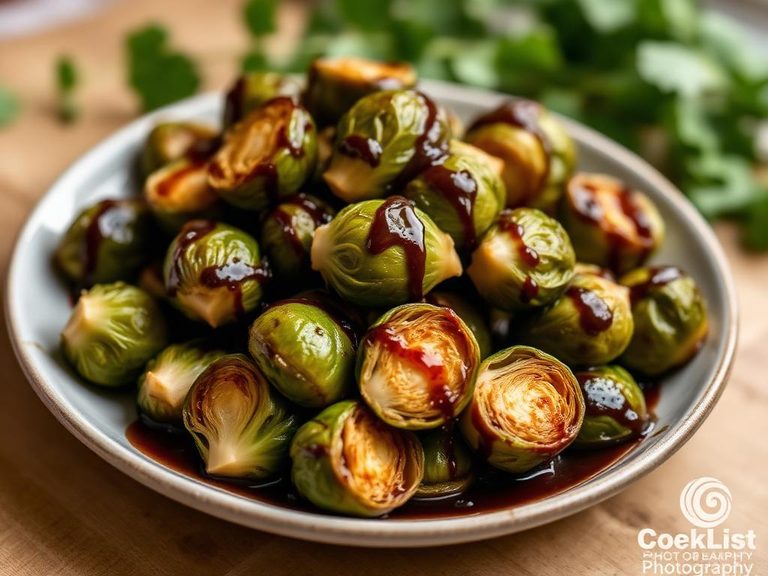
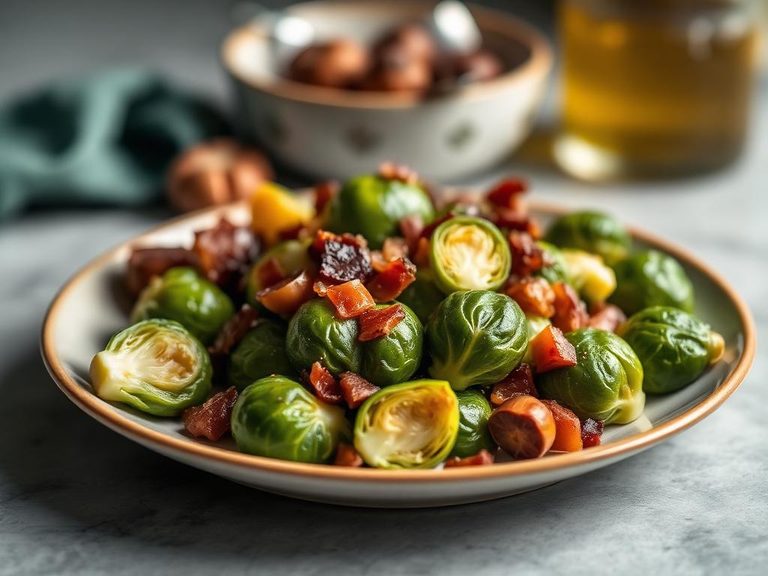
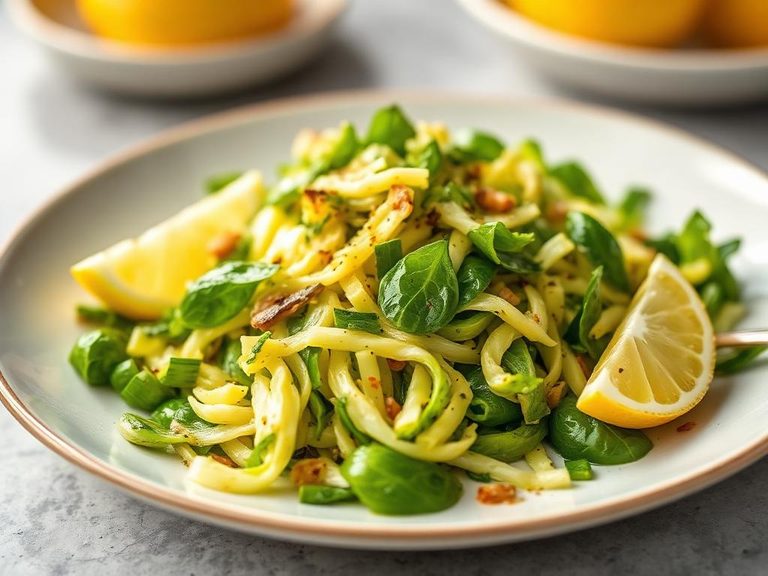
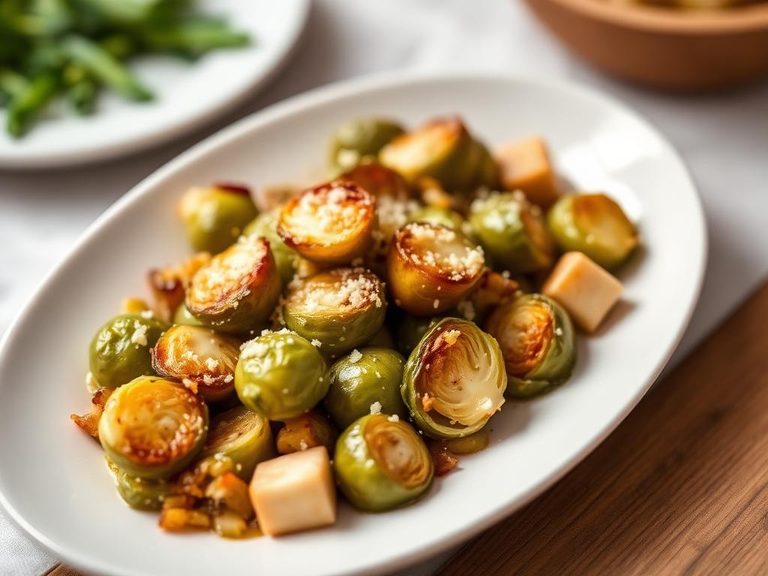
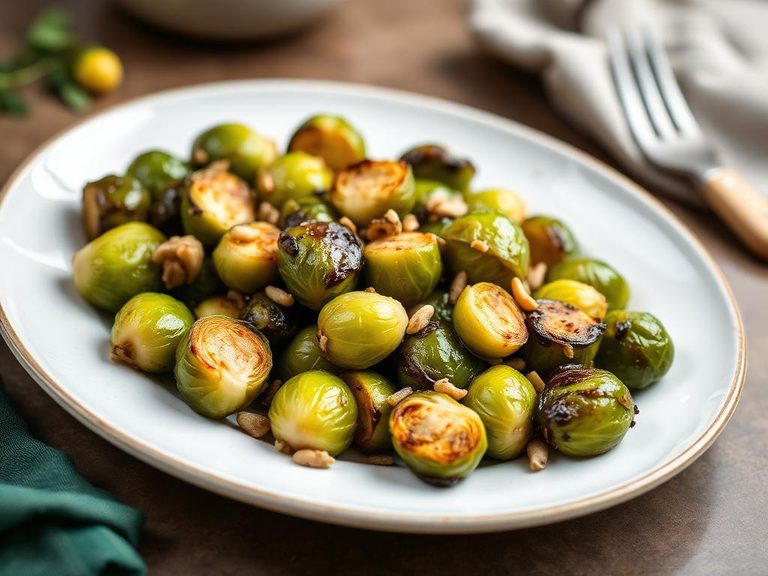
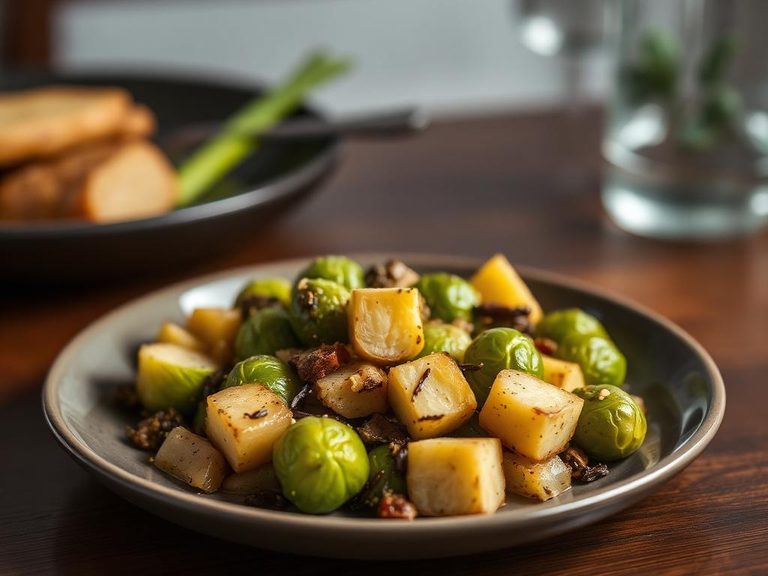
🌍 Where it's eaten
💡 Did you know?
Brussels sprouts are a cultivar of wild cabbage (Brassica oleracea) and were popularized in the 16th century in what is now Belgium, where they are named after the city of Brussels.
Full nutrition (USDA data · scales with serving)
| Water | 86.5 g |
| Energy | 42.0 kcal |
| Protein | 3.6 g |
| Total lipid (fat) | 0.39 g |
| Carbohydrate, by difference | 8.3 g |
| Fiber, total dietary | 4.1 g |
| Total Sugars | 2.1 g |
| Calcium, Ca | 26.0 mg |
| Iron, Fe | 0.48 mg |
| Magnesium, Mg | 18.0 mg |
| Phosphorus, P | 56.0 mg |
| Potassium, K | 289 mg |
| Sodium, Na | 131 mg |
| Zinc, Zn | 0.24 mg |
| Copper, Cu | 0.03 mg |
| Selenium, Se | 0.60 ug |
| Vitamin C, total ascorbic acid | 45.6 mg |
| Thiamin | 0.10 mg |
| Riboflavin | 0.11 mg |
| Niacin | 0.54 mg |
| Vitamin B-6 | 0.29 mg |
| Folate, total | 101 ug |
| Folic acid | 0.00 ug |
| Folate, food | 101 ug |
| Folate, DFE | 101 ug |
| Choline, total | 18.0 mg |
| Vitamin B-12 | 0.00 ug |
| Vitamin B-12, added | 0.00 ug |
| Vitamin A, RAE | 46.0 ug |
| Retinol | 0.00 ug |
| Carotene, beta | 553 ug |
| Carotene, alpha | 0.00 ug |
| Cryptoxanthin, beta | 0.00 ug |
| Lycopene | 0.00 ug |
| Lutein + zeaxanthin | 1536 ug |
| Vitamin E (alpha-tocopherol) | 0.51 mg |
| Vitamin E, added | 0.00 mg |
| Vitamin D (D2 + D3) | 0.00 ug |
| Vitamin K (phylloquinone) | 193 ug |
| Alcohol, ethyl | 0.00 g |
| Caffeine | 0.00 mg |
| Theobromine | 0.00 mg |
Fat & fatty acid profile (per 100g)
| Fatty acids, total saturated | 0.08 g |
| SFA 4:0 | 0.00 g |
| SFA 6:0 | 0.00 g |
| SFA 8:0 | 0.00 g |
| SFA 10:0 | 0.00 g |
| SFA 12:0 | 0.00 g |
| SFA 14:0 | 0.00 g |
| SFA 16:0 | 0.07 g |
| SFA 18:0 | 0.00 g |
| Fatty acids, total monounsaturated | 0.03 g |
| MUFA 16:1 | 0.00 g |
| MUFA 18:1 | 0.03 g |
| MUFA 20:1 | 0.00 g |
| MUFA 22:1 | 0.00 g |
| Fatty acids, total polyunsaturated | 0.20 g |
| PUFA 18:2 | 0.06 g |
| PUFA 18:3 | 0.13 g |
| PUFA 18:4 | 0.00 g |
| PUFA 20:4 | 0.00 g |
| PUFA 20:5 n-3 (EPA) | 0.00 g |
| PUFA 22:5 n-3 (DPA) | 0.00 g |
| PUFA 22:6 n-3 (DHA) | 0.00 g |
| Cholesterol | 0.00 mg |
Amino acid profile (per 100g)
Estimated from Brussels sprouts, cooked, boiled, drained, with salt — USDA does not publish this profile for Brussels sprouts.
| Tryptophan | 0.03 g |
| Threonine | 0.09 g |
| Isoleucine | 0.10 g |
| Leucine | 0.11 g |
| Lysine | 0.12 g |
| Methionine | 0.02 g |
| Cystine | 0.02 g |
| Phenylalanine | 0.07 g |
| Valine | 0.12 g |
| Arginine | 0.15 g |
| Histidine | 0.06 g |
FAQ
Are frozen Brussels sprouts as nutritious as fresh?
Yes, frozen Brussels sprouts are often flash-frozen at peak ripeness, which helps retain their vitamins and minerals. They can be just as nutritious as fresh, especially if the fresh ones have been stored for a long time.
How can I reduce the bitterness of Brussels sprouts?
Roasting at high heat (400°F/200°C) caramelizes their natural sugars, reducing bitterness. You can also blanch them briefly before cooking, or pair them with sweet or acidic ingredients like balsamic vinegar or apples.
Can Brussels sprouts cause digestive issues?
They are high in fiber and contain raffinose, a sugar that can cause gas and bloating in some people. Start with smaller portions and cook them thoroughly to improve digestibility.
Nutrient density (calculated · NRF9.3)
Nutrient Rich Foods index: beneficial nutrients (protein, fiber, vitamins, minerals) minus saturated fat, added sugar & sodium, per 100 kcal.
NRF9.3 index — Fulgoni, Keast & Drewnowski, 2009. Computed from USDA nutrients.
Weight-loss friendliness (composite index)
Energy density 0.42 kcal/g · 35% calories from protein · 4.1 g fiber · 2.1 g sugar per 100 g.
Composite of energy density (Rolls et al., 1999), protein & fiber satiety, minus sugar. A calculated heuristic — ranks satiety-per-calorie, not a clinical measure.
Dietary load (calculated from USDA values)
Potential renal acid load. Positive = acid-forming, negative = alkaline-forming.
Sodium-to-potassium ratio: 0.45 (lower is better — aim for ≤ 1)
Sodium:potassium per WHO potassium guidance. Computed from USDA nutrients.