

Bread, Boston Brown
Common food

Photo: Wikipedia
Boston Brown Bread is a dark, moist, cylindrical loaf traditionally steamed in a can, delivering a dense, cake-like texture. Its flavor is uniquely sweet and tangy, with deep molasses notes and a subtle earthiness from whole grains. Nutritionally, it stands out for its high fiber content and plant-based protein, making it a more substantial choice than many white breads.
Calorie split: 16% protein · 70% carbs · 15% fat
↓ Full nutrition💚 Why it's loved
People cherish it for its distinctive, comforting flavor—a harmonious blend of sweet molasses and hearty grains—that evokes New England heritage. It's a beloved, versatile staple, perfect with butter, cheese, or as a base for savory toppings.
⚠️ Watch-outs & how to enjoy it better
Its dense texture and strong molasses flavor can be an acquired taste. The sugar content, while moderate, can contribute to blood sugar spikes if eaten alone. To counteract this, pair it with protein and fat like cream cheese, nut butter, or a sharp cheddar to slow sugar absorption. Also, be mindful of portion size due to its calorie density.
Key benefits
- High in dietary fiber for digestive health
- Good source of plant-based protein
- Contains whole grains like rye and cornmeal
- Lower in fat than many baked goods
- Provides minerals like iron and magnesium
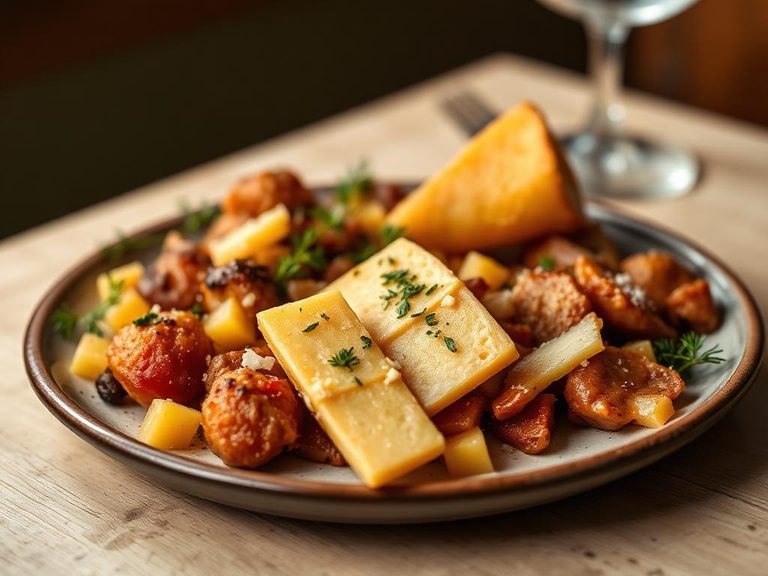
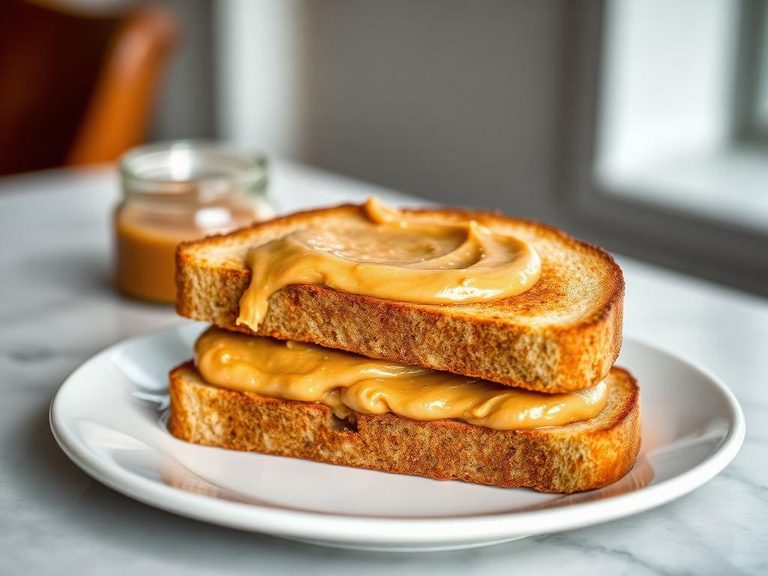
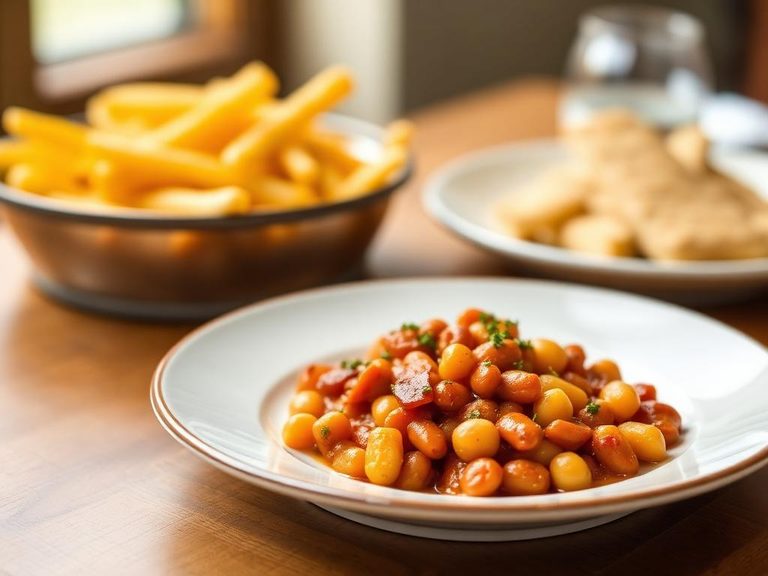
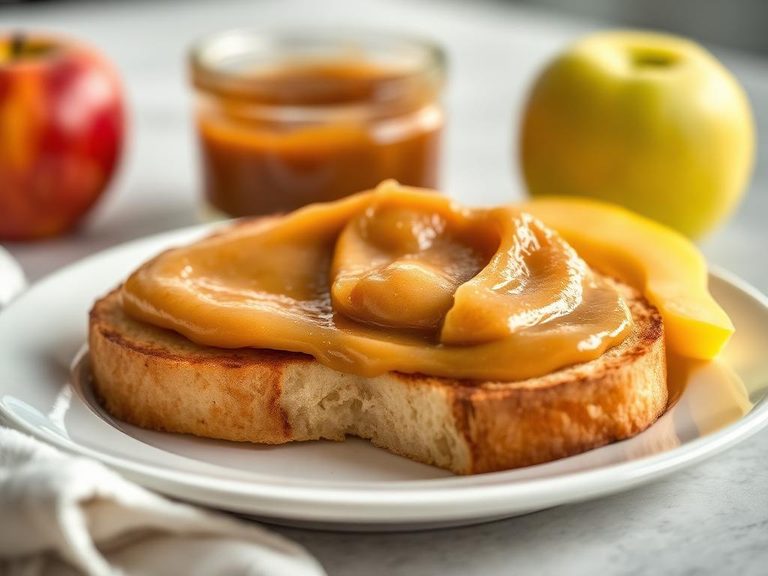
🍽️ Popular dishes

🌍 Where it's eaten
💡 Did you know?
It is traditionally steamed, not baked, in a cylindrical coffee can, which gives it its signature round shape and moist, pudding-like interior.
Full nutrition (USDA data · scales with serving)
| Water | 35.3 g |
| Energy | 274 kcal |
| Protein | 10.7 g |
| Total lipid (fat) | 4.5 g |
| Carbohydrate, by difference | 47.5 g |
| Fiber, total dietary | 4.0 g |
| Total Sugars | 5.7 g |
| Calcium, Ca | 125 mg |
| Iron, Fe | 3.6 mg |
| Magnesium, Mg | 41.0 mg |
| Phosphorus, P | 129 mg |
| Potassium, K | 141 mg |
| Sodium, Na | 450 mg |
| Zinc, Zn | 1.0 mg |
| Copper, Cu | 0.15 mg |
| Selenium, Se | 28.8 ug |
| Vitamin C, total ascorbic acid | 0.20 mg |
| Thiamin | 0.41 mg |
| Riboflavin | 0.25 mg |
| Niacin | 5.6 mg |
| Vitamin B-6 | 0.11 mg |
| Folate, total | 85.0 ug |
| Folic acid | 20.0 ug |
| Folate, food | 65.0 ug |
| Folate, DFE | 99.0 ug |
| Choline, total | 18.7 mg |
| Vitamin B-12 | 0.00 ug |
| Vitamin B-12, added | 0.00 ug |
| Vitamin A, RAE | 0.00 ug |
| Retinol | 0.00 ug |
| Carotene, beta | 1.0 ug |
| Carotene, alpha | 0.00 ug |
| Cryptoxanthin, beta | 0.00 ug |
| Lycopene | 0.00 ug |
| Lutein + zeaxanthin | 44.0 ug |
| Vitamin E (alpha-tocopherol) | 0.19 mg |
| Vitamin E, added | 0.00 mg |
| Vitamin D (D2 + D3) | 0.00 ug |
| Vitamin K (phylloquinone) | 4.9 ug |
| Alcohol, ethyl | 0.00 g |
| Caffeine | 0.00 mg |
| Theobromine | 0.00 mg |
Fat & fatty acid profile (per 100g)
| Fatty acids, total saturated | 0.70 g |
| SFA 4:0 | 0.00 g |
| SFA 6:0 | 0.00 g |
| SFA 8:0 | 0.00 g |
| SFA 10:0 | 0.00 g |
| SFA 12:0 | 0.01 g |
| SFA 14:0 | 0.01 g |
| SFA 16:0 | 0.44 g |
| SFA 18:0 | 0.21 g |
| Fatty acids, total monounsaturated | 0.61 g |
| MUFA 16:1 | 0.02 g |
| MUFA 18:1 | 0.58 g |
| MUFA 20:1 | 0.01 g |
| MUFA 22:1 | 0.00 g |
| Fatty acids, total polyunsaturated | 1.6 g |
| PUFA 18:2 | 1.4 g |
| PUFA 18:3 | 0.16 g |
| PUFA 18:4 | 0.00 g |
| PUFA 20:4 | 0.00 g |
| PUFA 20:5 n-3 (EPA) | 0.00 g |
| PUFA 22:5 n-3 (DPA) | 0.00 g |
| PUFA 22:6 n-3 (DHA) | 0.00 g |
| Cholesterol | 0.00 mg |
Amino acid profile (per 100g)
Estimated from Bread, salvadoran sweet cheese (quesadilla salvadorena) — USDA does not publish this profile for Bread.
| Tryptophan | 0.07 g |
| Threonine | 0.21 g |
| Isoleucine | 0.30 g |
| Leucine | 0.65 g |
| Lysine | 0.50 g |
| Methionine | 0.28 g |
| Cystine | 0.06 g |
| Phenylalanine | 0.37 g |
| Tyrosine | 0.23 g |
| Valine | 0.43 g |
| Arginine | 0.25 g |
| Histidine | 0.15 g |
| Alanine | 0.36 g |
| Aspartic acid | 0.59 g |
| Glutamic acid | 1.3 g |
| Glycine | 0.20 g |
| Proline | 0.83 g |
| Serine | 0.45 g |
| Hydroxyproline | 0.00 g |
FAQ
Is Boston Brown Bread the same as Boston Brown Bread from a can?
Yes, the most common and traditional form is the pre-sliced, canned version found in grocery stores, which is steamed to achieve its characteristic texture.
Does it contain wheat?
Most traditional recipes contain a blend of grains, including rye flour and cornmeal, but often also include whole wheat flour. Always check the ingredient list if you have a wheat allergy or gluten sensitivity.
How should I store it?
Once opened, wrap unused portions tightly in plastic wrap or foil and store in the refrigerator for up to a week. It can also be frozen for several months.
Nutrient density (calculated · NRF9.3)
Nutrient Rich Foods index: beneficial nutrients (protein, fiber, vitamins, minerals) minus saturated fat, added sugar & sodium, per 100 kcal.
NRF9.3 index — Fulgoni, Keast & Drewnowski, 2009. Computed from USDA nutrients.
Weight-loss friendliness (composite index)
Energy density 2.74 kcal/g · 16% calories from protein · 4.0 g fiber · 5.7 g sugar per 100 g.
Composite of energy density (Rolls et al., 1999), protein & fiber satiety, minus sugar. A calculated heuristic — ranks satiety-per-calorie, not a clinical measure.
Dietary load (calculated from USDA values)
Potential renal acid load. Positive = acid-forming, negative = alkaline-forming.
Sodium-to-potassium ratio: 3.19 (lower is better — aim for ≤ 1)
Sodium:potassium per WHO potassium guidance. Computed from USDA nutrients.