

Beef, variety meats and by-products, spleen, raw
Whole food · Beef Products

Photo: Wikipedia
Beef spleen is a dense, iron-rich organ meat with a fine-grained, slightly creamy texture when raw, often described as having a mild, subtly sweet flavor. It is exceptionally high in protein and virtually fat-free, making it a lean powerhouse for nutrients like iron and B12. This is a classic 'nose-to-tail' ingredient prized for its nutritional density rather than its standalone taste.
Calorie split: 73% protein · 0% carbs · 27% fat
↓ Full nutrition💚 Why it's loved
People love it for its incredible nutritional punch and its ability to add deep, savory umami to dishes without overwhelming other flavors. In many cultures, it's a cherished, affordable way to boost the nutritional value of soups, stews, and sautés.
⚠️ Watch-outs & how to enjoy it better
Its texture can be off-putting to some if overcooked, becoming grainy or tough. It is also very high in cholesterol and purines, so individuals with gout or specific heart conditions should consume it in moderation. To mitigate texture issues, cook it quickly over high heat (like in a stir-fry) or braise it for a long time until tender.
Key benefits
- Exceptional source of highly bioavailable heme iron
- Very high in protein with minimal fat
- Rich in vitamin B12, crucial for nerve function
- Good source of selenium and zinc
- Low in carbohydrates, suitable for keto diets
🍽️ Popular dishes
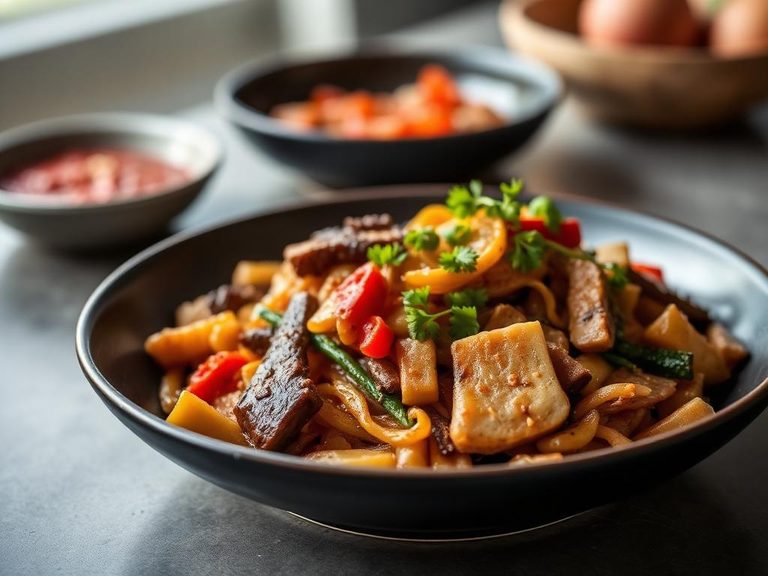
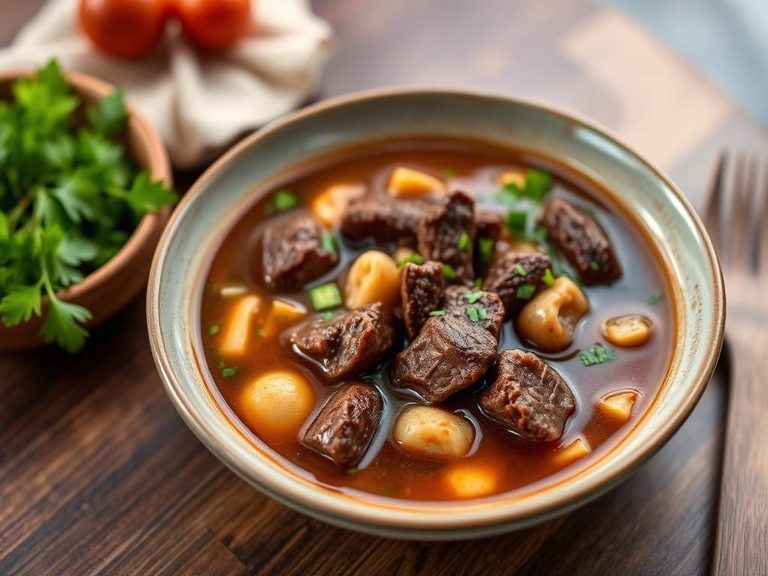
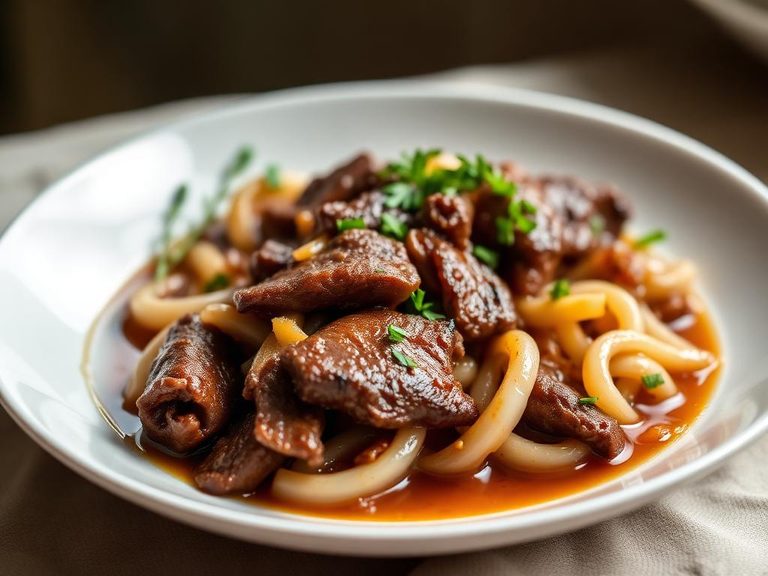
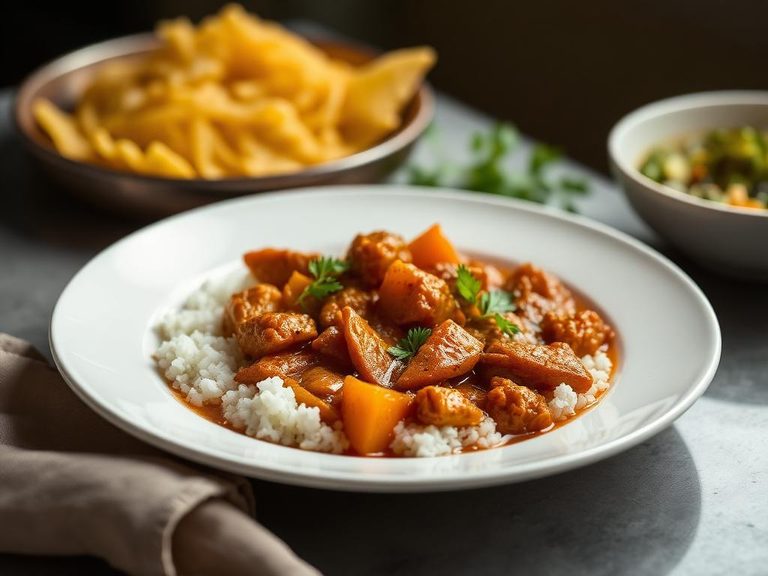
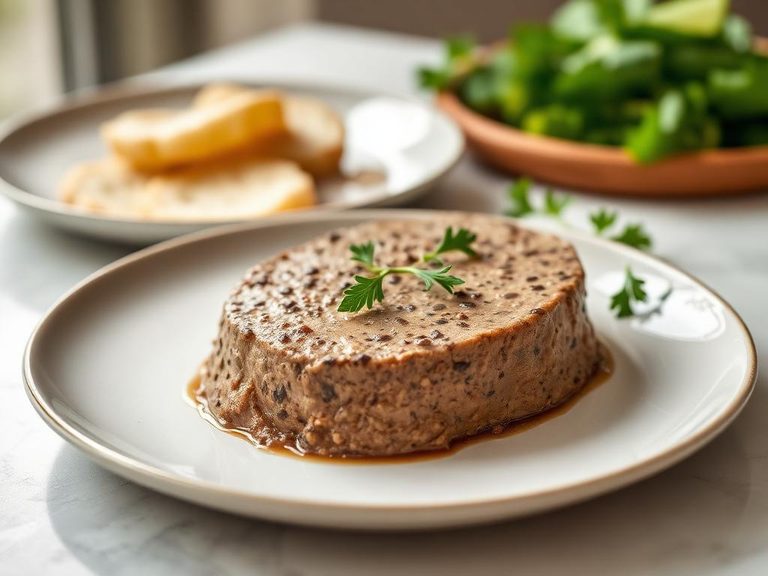
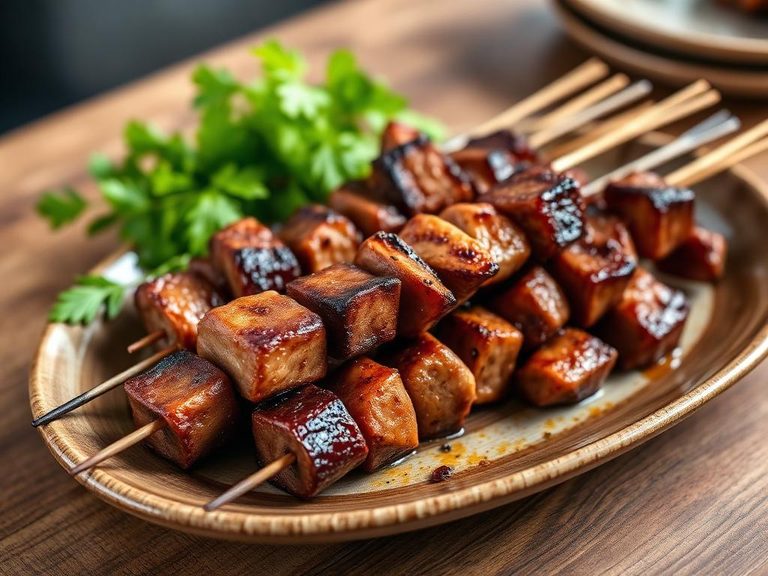
🌍 Where it's eaten
💡 Did you know?
Beef spleen acts as a natural blood filter, and its intense iron content means it was historically used in some cultures to help treat anemia.
Full nutrition (USDA data · scales with serving)
| Water | 77.2 g |
| Energy | 105 kcal |
| Energy | 439 kj |
| Protein | 18.3 g |
| Total lipid (fat) | 3.0 g |
| Ash | 1.4 g |
| Carbohydrate, by difference | 0.00 g |
| Fiber, total dietary | 0.00 g |
| Calcium, Ca | 9.0 mg |
| Iron, Fe | 44.5 mg |
| Magnesium, Mg | 22.0 mg |
| Phosphorus, P | 296 mg |
| Potassium, K | 429 mg |
| Sodium, Na | 85.0 mg |
| Zinc, Zn | 2.1 mg |
| Copper, Cu | 0.17 mg |
| Manganese, Mn | 0.07 mg |
| Selenium, Se | 62.2 ug |
| Vitamin C, total ascorbic acid | 45.5 mg |
| Thiamin | 0.05 mg |
| Riboflavin | 0.37 mg |
| Niacin | 8.4 mg |
| Pantothenic acid | 1.1 mg |
| Vitamin B-6 | 0.07 mg |
| Folate, total | 4.0 ug |
| Folic acid | 0.00 ug |
| Folate, food | 4.0 ug |
| Folate, DFE | 4.0 ug |
| Vitamin B-12 | 5.7 ug |
| Vitamin A, RAE | 0.00 ug |
| Retinol | 0.00 ug |
| Vitamin A, IU | 0.00 iu |
Fat & fatty acid profile (per 100g)
| Fatty acids, total saturated | 1.0 g |
| SFA 4:0 | 0.00 g |
| SFA 6:0 | 0.00 g |
| SFA 8:0 | 0.00 g |
| SFA 10:0 | 0.00 g |
| SFA 12:0 | 0.01 g |
| SFA 14:0 | 0.07 g |
| SFA 16:0 | 0.53 g |
| SFA 18:0 | 0.38 g |
| Fatty acids, total monounsaturated | 0.78 g |
| MUFA 16:1 | 0.12 g |
| MUFA 18:1 | 0.68 g |
| MUFA 20:1 | 0.00 g |
| MUFA 22:1 | 0.00 g |
| Fatty acids, total polyunsaturated | 0.22 g |
| PUFA 18:2 | 0.22 g |
| PUFA 18:3 | 0.00 g |
| PUFA 18:4 | 0.00 g |
| PUFA 20:4 | 0.00 g |
| PUFA 20:5 n-3 (EPA) | 0.00 g |
| PUFA 22:5 n-3 (DPA) | 0.00 g |
| PUFA 22:6 n-3 (DHA) | 0.00 g |
| Cholesterol | 263 mg |
| Phytosterols | 0.00 mg |
Amino acid profile (per 100g)
| Tryptophan | 0.19 g |
| Threonine | 0.72 g |
| Isoleucine | 0.71 g |
| Leucine | 1.6 g |
| Lysine | 1.3 g |
| Methionine | 0.34 g |
| Cystine | 0.53 g |
| Phenylalanine | 0.73 g |
| Tyrosine | 0.52 g |
| Valine | 1.1 g |
| Arginine | 1.1 g |
| Histidine | 0.66 g |
| Alanine | 1.4 g |
| Aspartic acid | 1.3 g |
| Glutamic acid | 1.7 g |
| Glycine | 1.1 g |
| Proline | 1.1 g |
| Serine | 0.63 g |
FAQ
How do I prepare beef spleen to avoid a tough texture?
The key is quick, high-heat cooking or long, slow braising. For stir-fries, slice thinly and cook for just a few minutes. For stews, simmer until fork-tender. Always remove the tough outer membrane before cooking.
Is beef spleen safe to eat?
Yes, when sourced from a reputable butcher and cooked to a safe internal temperature (145°F / 63°C). As with all organ meats, it's best consumed in moderation due to its high concentration of certain nutrients.
What does beef spleen taste like?
It has a mild, slightly sweet, and mineral-rich flavor, often compared to a milder liver. The taste is not overpowering, making it a good 'gateway' organ meat for beginners.
Nutrient density (calculated · NRF9.3)
Nutrient Rich Foods index: beneficial nutrients (protein, fiber, vitamins, minerals) minus saturated fat, added sugar & sodium, per 100 kcal.
NRF9.3 index — Fulgoni, Keast & Drewnowski, 2009. Computed from USDA nutrients.
Weight-loss friendliness (composite index)
Energy density 1.05 kcal/g · 70% calories from protein · 0.0 g fiber · 0.0 g sugar per 100 g.
Composite of energy density (Rolls et al., 1999), protein & fiber satiety, minus sugar. A calculated heuristic — ranks satiety-per-calorie, not a clinical measure.
Dietary load (calculated from USDA values)
Potential renal acid load. Positive = acid-forming, negative = alkaline-forming.
Sodium-to-potassium ratio: 0.20 (lower is better — aim for ≤ 1)
Sodium:potassium per WHO potassium guidance. Computed from USDA nutrients.