

Beef, Australian, imported, grass-fed, loin, top loin steak/roast, boneless, separable lean only, raw
Whole food · Beef Products

Photo: Wikipedia
This is a premium, lean cut from the loin of grass-fed Australian cattle, prized for its clean, beefy flavor and fine-grained, tender texture when cooked properly. With an exceptionally high protein-to-fat ratio (21.79g protein, 4.87g fat per 100g), it's a powerhouse for muscle maintenance and a leaner alternative to grain-fed steaks. The grass-fed origin often imparts a subtle, earthy complexity and a brighter, redder hue compared to conventional beef.
Calorie split: 67% protein · 0% carbs · 33% fat
↓ Full nutrition💚 Why it's loved
Chefs and home cooks love it for its versatility—it can be sliced thin for a quick, elegant sear or roasted whole for a centerpiece dish. The clean, pronounced beef flavor from grass-feeding stands up beautifully to simple seasonings like salt, pepper, and fresh herbs.
⚠️ Watch-outs & how to enjoy it better
Being very lean, it can become tough and dry if overcooked, which is a common pitfall for those accustomed to fattier cuts. To counteract this, use a meat thermometer, aim for medium-rare to medium doneness, and consider a quick sear followed by a rest. Pairing it with a small amount of healthy fat, like olive oil or avocado, can also enhance mouthfeel and nutrient absorption.
Key benefits
- Excellent source of complete, high-quality protein for muscle repair.
- Naturally low in fat and carbohydrates, fitting for lean-focused diets.
- Grass-fed beef can have a more favorable omega-3 to omega-6 fatty acid ratio.
- Rich in bioavailable iron and zinc, essential for energy and immune function.
- Contains conjugated linoleic acid (CLA), a fatty acid studied for various health benefits.
🍽️ Popular dishes
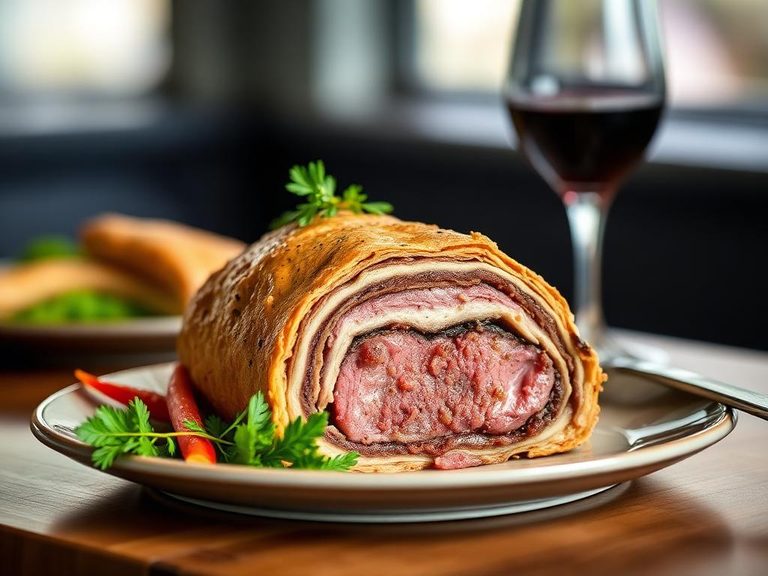
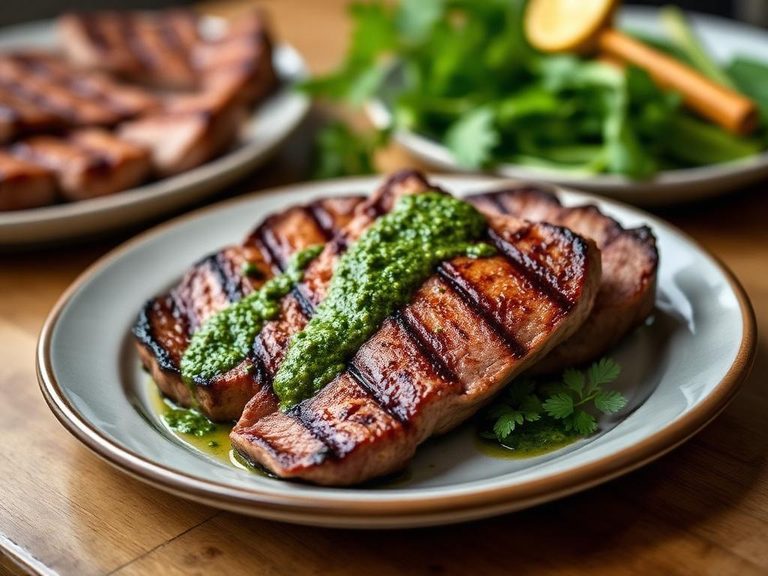
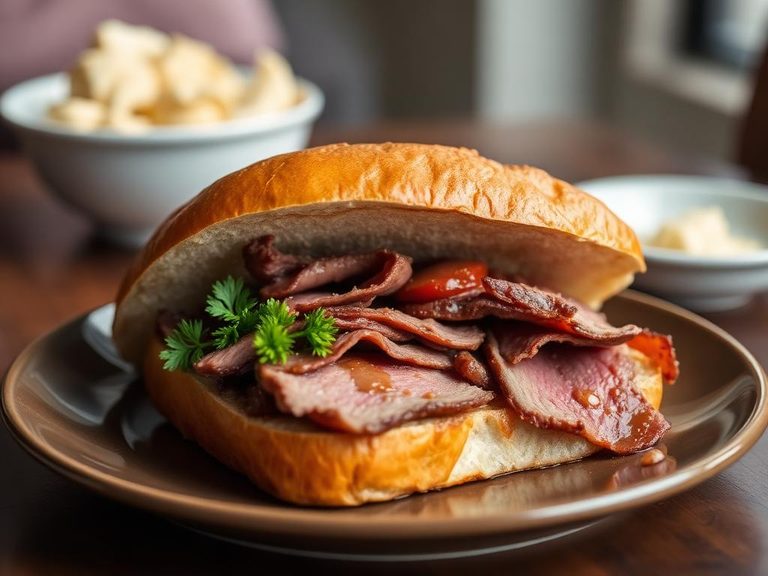
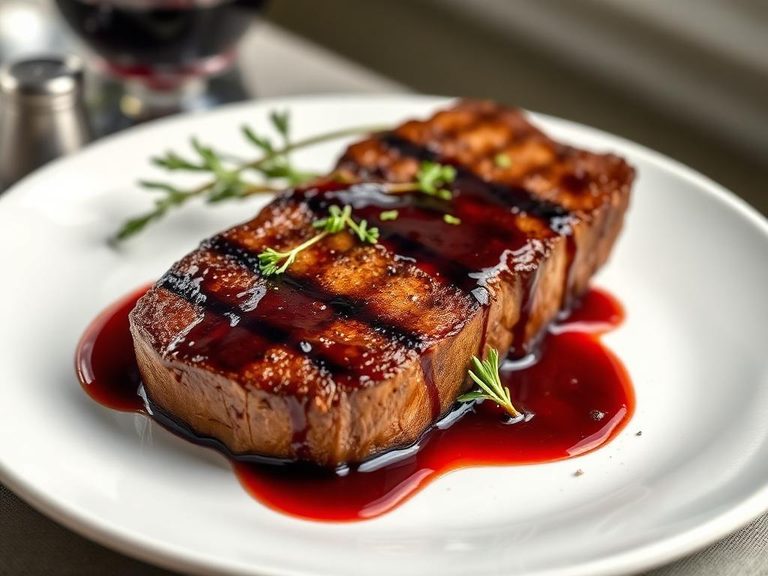

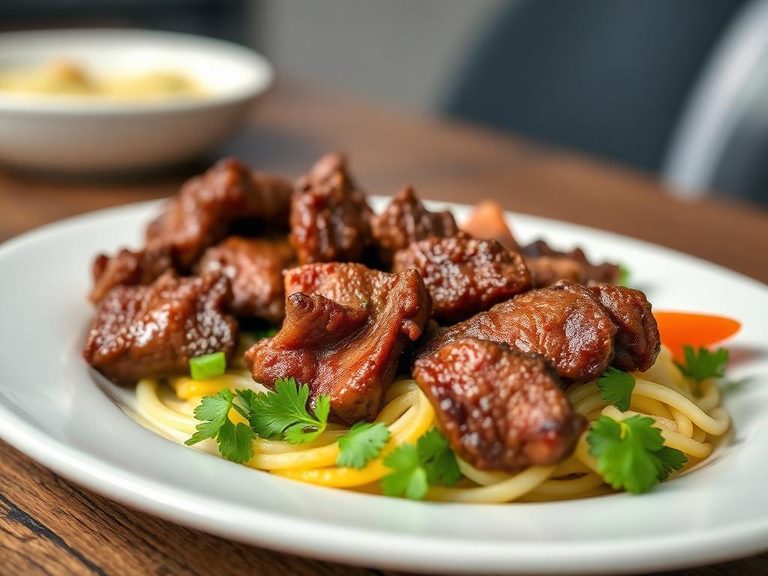
🌍 Where it's eaten
💡 Did you know?
The 'top loin' is essentially the same muscle as the 'strip' in a New York strip steak, but when sold as a roast, it's the uncut, boneless version of that primal section.
Full nutrition (USDA data · scales with serving)
| Water | 73.0 g |
| Energy | 131 kcal |
| Energy | 548 kj |
| Protein | 21.8 g |
| Total lipid (fat) | 4.9 g |
| Ash | 1.0 g |
| Carbohydrate, by difference | 0.00 g |
| Fiber, total dietary | 0.00 g |
| Total Sugars | 0.00 g |
| Calcium, Ca | 5.0 mg |
| Iron, Fe | 1.6 mg |
| Sodium, Na | 66.0 mg |
| Vitamin C, total ascorbic acid | 0.00 mg |
| Vitamin A, RAE | 0.00 ug |
| Carotene, beta | 0.00 ug |
| Carotene, alpha | 0.00 ug |
| Cryptoxanthin, beta | 0.00 ug |
| Vitamin A, IU | 0.00 iu |
| Lycopene | 0.00 ug |
| Lutein + zeaxanthin | 0.00 ug |
| Alcohol, ethyl | 0.00 g |
| Caffeine | 0.00 mg |
| Theobromine | 0.00 mg |
Fat & fatty acid profile (per 100g)
| Fatty acids, total saturated | 2.1 g |
| SFA 4:0 | 0.00 g |
| SFA 6:0 | 0.00 g |
| SFA 8:0 | 0.00 g |
| SFA 10:0 | 0.01 g |
| SFA 12:0 | 0.01 g |
| SFA 14:0 | 0.13 g |
| SFA 15:0 | 0.02 g |
| SFA 16:0 | 1.2 g |
| SFA 17:0 | 0.06 g |
| SFA 18:0 | 0.62 g |
| SFA 20:0 | 0.01 g |
| SFA 22:0 | 0.01 g |
| Fatty acids, total monounsaturated | 2.1 g |
| MUFA 14:1 | 0.03 g |
| MUFA 16:1 | 0.15 g |
| MUFA 18:1 | 1.9 g |
| MUFA 18:1 c | 1.7 g |
| MUFA 20:1 | 0.01 g |
| Fatty acids, total polyunsaturated | 0.23 g |
| PUFA 18:2 | 0.13 g |
| PUFA 18:2 n-6 c,c | 0.10 g |
| PUFA 18:3 | 0.03 g |
| PUFA 18:3 n-3 c,c,c (ALA) | 0.02 g |
| PUFA 18:3i | 0.01 g |
| PUFA 18:4 | 0.00 g |
| PUFA 20:4 | 0.03 g |
| PUFA 20:5 n-3 (EPA) | 0.01 g |
| PUFA 22:5 n-3 (DPA) | 0.03 g |
| Fatty acids, total trans | 0.16 g |
| Fatty acids, total trans-monoenoic | 0.13 g |
| TFA 18:1 t | 0.13 g |
| TFA 18:2 t not further defined | 0.03 g |
| Fatty acids, total trans-polyenoic | 0.03 g |
| Cholesterol | 41.0 mg |
Amino acid profile (per 100g)
| Tryptophan | 0.25 g |
| Threonine | 0.99 g |
| Isoleucine | 0.95 g |
| Leucine | 1.8 g |
| Lysine | 2.0 g |
| Methionine | 0.64 g |
| Cystine | 0.23 g |
| Phenylalanine | 0.85 g |
| Tyrosine | 0.77 g |
| Valine | 1.0 g |
| Arginine | 1.5 g |
| Histidine | 0.72 g |
| Alanine | 1.3 g |
| Aspartic acid | 2.0 g |
| Glutamic acid | 3.5 g |
| Glycine | 0.97 g |
| Proline | 0.90 g |
| Serine | 0.86 g |
| Hydroxyproline | 0.11 g |
FAQ
What's the difference between grass-fed and grain-fed top loin?
Grass-fed typically has a leaner profile, a slightly more mineral or 'gamey' flavor, and a firmer texture. Grain-fed is often more marbled, milder, and tender.
How should I cook this cut to avoid it being tough?
The key is high heat for a short time. Sear it in a very hot pan or on a grill for 3-4 minutes per side for medium-rare. Always let it rest for 5-10 minutes after cooking before slicing.
Is this a good cut for stir-fries?
It can be, but it's not ideal. Because it's lean, it's best sliced very thinly against the grain and cooked extremely quickly over very high heat to prevent toughness. For stir-fries, a slightly fattier cut like sirloin is often more forgiving.
Nutrient density (calculated · NRF9.3)
Nutrient Rich Foods index: beneficial nutrients (protein, fiber, vitamins, minerals) minus saturated fat, added sugar & sodium, per 100 kcal.
NRF9.3 index — Fulgoni, Keast & Drewnowski, 2009. Computed from USDA nutrients.
Weight-loss friendliness (composite index)
Energy density 1.31 kcal/g · 67% calories from protein · 0.0 g fiber · 0.0 g sugar per 100 g.
Composite of energy density (Rolls et al., 1999), protein & fiber satiety, minus sugar. A calculated heuristic — ranks satiety-per-calorie, not a clinical measure.