

Baby Toddler fruit, vegetables, and meat
Common food

Photo: Wikipedia
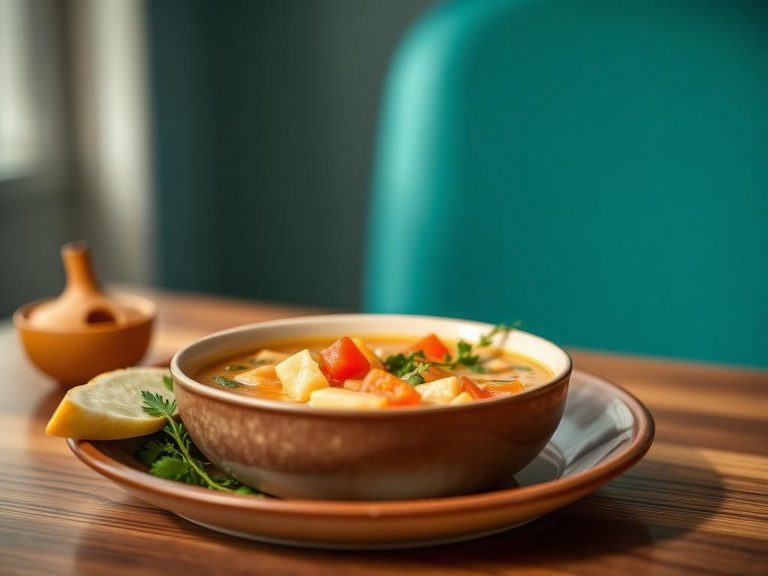
This is a nutritionally balanced, pre-portioned meal blend of finely minced or pureed fruits, vegetables, and meats, specifically formulated for babies and toddlers. The texture is typically smooth or slightly chunky, offering a gentle introduction to savory flavors. It provides a lean, easily digestible protein source alongside natural fruit sugars and vegetable fiber for foundational growth.
Calorie split: 14% protein · 74% carbs · 12% fat
↓ Full nutrition💚 Why it's loved
Parents and caregivers love it for its ultimate convenience and peace of mind, offering a nutritionally complete, ready-to-serve meal that simplifies feeding routines. The mild, blended flavors are designed to be palatable to developing taste buds, making mealtime less stressful.
⚠️ Watch-outs & how to enjoy it better
The primary concern is the potential for added sodium or sugars in some commercial versions, which can set unhealthy dietary preferences. Always check labels for low sodium (under 100mg per 100g) and avoid varieties with added sugars. To counteract, choose brands with minimal ingredients and pair with a small serving of plain yogurt or avocado for healthy fats.
Key benefits
- Provides complete protein for muscle and tissue development.
- Offers a convenient, balanced meal with multiple food groups.
- Contains dietary fiber to support healthy digestion.
- Low in fat, supporting appropriate calorie density for young children.
- Introduces diverse flavors to encourage acceptance of varied foods.
🍽️ Popular dishes
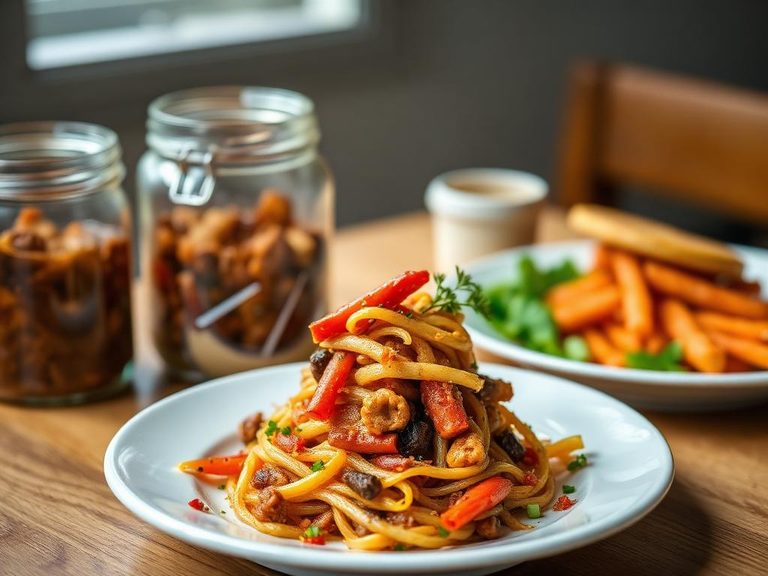
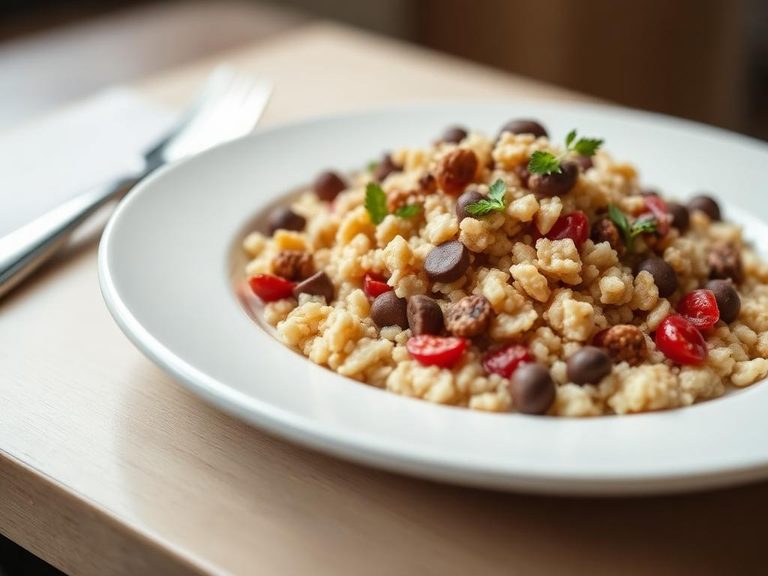
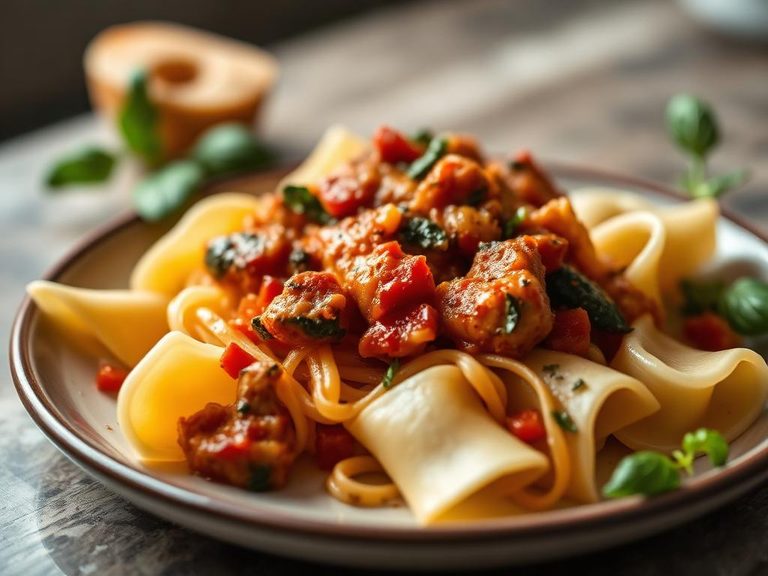
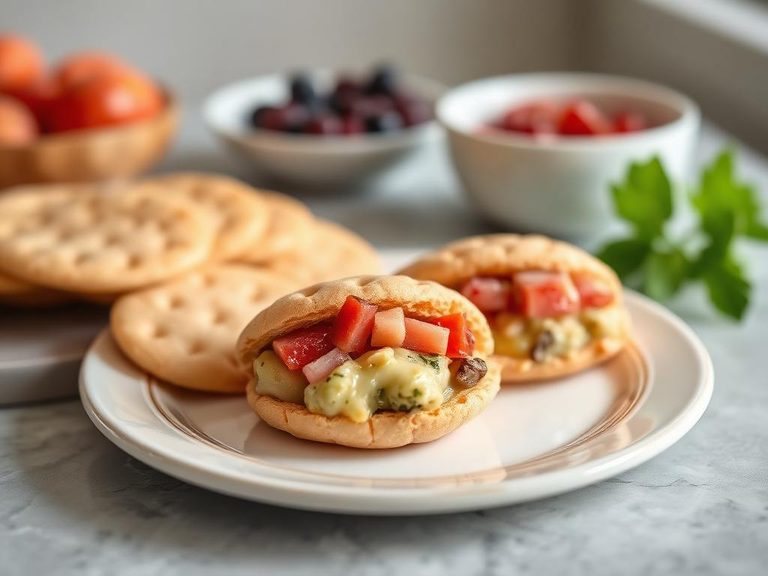
🌍 Where it's eaten
💡 Did you know?
The concept of pre-made baby food in jars was popularized in the 1920s by an American entrepreneur who was inspired by the need for a convenient, safe option after his own child had difficulty digesting solid foods.
Full nutrition (USDA data · scales with serving)
| Water | 81.5 g |
| Energy | 75.0 kcal |
| Protein | 2.6 g |
| Total lipid (fat) | 1.1 g |
| Carbohydrate, by difference | 14.1 g |
| Fiber, total dietary | 1.8 g |
| Total Sugars | 6.1 g |
| Calcium, Ca | 26.0 mg |
| Iron, Fe | 0.86 mg |
| Magnesium, Mg | 19.0 mg |
| Phosphorus, P | 44.0 mg |
| Potassium, K | 195 mg |
| Sodium, Na | 19.0 mg |
| Zinc, Zn | 0.50 mg |
| Copper, Cu | 0.07 mg |
| Selenium, Se | 2.7 ug |
| Vitamin C, total ascorbic acid | 16.0 mg |
| Thiamin | 0.05 mg |
| Riboflavin | 0.07 mg |
| Niacin | 0.90 mg |
| Vitamin B-6 | 0.12 mg |
| Folate, total | 16.0 ug |
| Folic acid | 1.0 ug |
| Folate, food | 14.0 ug |
| Folate, DFE | 17.0 ug |
| Choline, total | 13.6 mg |
| Vitamin B-12 | 0.08 ug |
| Vitamin B-12, added | 0.01 ug |
| Vitamin A, RAE | 103 ug |
| Retinol | 1.0 ug |
| Carotene, beta | 1103 ug |
| Carotene, alpha | 236 ug |
| Cryptoxanthin, beta | 5.0 ug |
| Lycopene | 0.00 ug |
| Lutein + zeaxanthin | 390 ug |
| Vitamin E (alpha-tocopherol) | 0.46 mg |
| Vitamin E, added | 0.10 mg |
| Vitamin D (D2 + D3) | 0.00 ug |
| Vitamin K (phylloquinone) | 7.9 ug |
| Alcohol, ethyl | 0.00 g |
| Caffeine | 0.00 mg |
| Theobromine | 0.00 mg |
Fat & fatty acid profile (per 100g)
| Fatty acids, total saturated | 0.26 g |
| SFA 4:0 | 0.00 g |
| SFA 6:0 | 0.00 g |
| SFA 8:0 | 0.00 g |
| SFA 10:0 | 0.00 g |
| SFA 12:0 | 0.00 g |
| SFA 14:0 | 0.01 g |
| SFA 16:0 | 0.18 g |
| SFA 18:0 | 0.05 g |
| Fatty acids, total monounsaturated | 0.36 g |
| MUFA 16:1 | 0.02 g |
| MUFA 18:1 | 0.31 g |
| MUFA 20:1 | 0.00 g |
| MUFA 22:1 | 0.00 g |
| Fatty acids, total polyunsaturated | 0.29 g |
| PUFA 18:2 | 0.25 g |
| PUFA 18:3 | 0.02 g |
| PUFA 18:4 | 0.00 g |
| PUFA 20:4 | 0.00 g |
| PUFA 20:5 n-3 (EPA) | 0.00 g |
| PUFA 22:5 n-3 (DPA) | 0.00 g |
| PUFA 22:6 n-3 (DHA) | 0.00 g |
| Cholesterol | 6.0 mg |
Amino acid profile (per 100g)
Estimated from Babyfood, dinner, chicken stew, toddler — USDA does not publish this profile for Baby Toddler fruit.
| Tryptophan | 0.06 g |
| Threonine | 0.22 g |
| Isoleucine | 0.26 g |
| Leucine | 0.41 g |
| Lysine | 0.41 g |
| Methionine | 0.11 g |
| Cystine | 0.05 g |
| Phenylalanine | 0.21 g |
| Tyrosine | 0.17 g |
| Valine | 0.29 g |
| Arginine | 0.33 g |
| Histidine | 0.13 g |
| Alanine | 0.30 g |
| Aspartic acid | 0.47 g |
| Glutamic acid | 0.90 g |
| Glycine | 0.29 g |
| Proline | 0.35 g |
| Serine | 0.21 g |
FAQ
At what age can I start introducing these blended meals?
Typically around 6 months, when a baby shows signs of readiness for solids, such as good head control and interest in food. Always consult your pediatrician first.
How do I choose the best brand?
Look for short ingredient lists, no added salt or sugar, and certifications like USDA Organic. The first ingredient should be a vegetable or fruit, not a grain filler.
Can I use this as a regular meal for my toddler?
It can be part of a balanced diet, but should not replace all home-cooked meals. Use it for convenience while gradually introducing more varied textures and flavors from whole foods.
Nutrient density (calculated · NRF9.3)
Nutrient Rich Foods index: beneficial nutrients (protein, fiber, vitamins, minerals) minus saturated fat, added sugar & sodium, per 100 kcal.
NRF9.3 index — Fulgoni, Keast & Drewnowski, 2009. Computed from USDA nutrients.
Weight-loss friendliness (composite index)
Energy density 0.75 kcal/g · 14% calories from protein · 1.8 g fiber · 6.1 g sugar per 100 g.
Composite of energy density (Rolls et al., 1999), protein & fiber satiety, minus sugar. A calculated heuristic — ranks satiety-per-calorie, not a clinical measure.
Dietary load (calculated from USDA values)
Potential renal acid load. Positive = acid-forming, negative = alkaline-forming.
Sodium-to-potassium ratio: 0.10 (lower is better — aim for ≤ 1)
Sodium:potassium per WHO potassium guidance. Computed from USDA nutrients.