

Agave, raw (Southwest)
Whole food · American Indian/Alaska Native Foods

Photo: Wikipedia
Raw agave nectar from the Southwest is a viscous, amber-hued syrup extracted from the hearts of agave plants. It boasts a clean, sweet flavor with subtle caramel and honey-like notes, and a smooth, pourable texture. Nutritionally, it's a concentrated source of carbohydrates, primarily from fructose and glucose, with minimal protein or fat.
Calorie split: 3% protein · 95% carbs · 2% fat
↓ Full nutrition💚 Why it's loved
People love agave for its mild, versatile sweetness that doesn't overpower other flavors and its liquid form, which dissolves easily in both hot and cold beverages and dressings. It's also cherished as a staple sweetener in traditional Mexican and Southwestern cuisines.
⚠️ Watch-outs & how to enjoy it better
Due to its high fructose concentration, excessive consumption may contribute to metabolic issues and blood sugar spikes if not portion-controlled. It's best used in moderation, especially by those managing diabetes or fructose intolerance. Pairing it with fiber, protein, or healthy fats in a meal can help mitigate its glycemic impact.
Key benefits
- Provides quick energy from natural sugars
- Contains small amounts of minerals like calcium and potassium
- High fructose content allows for a lower glycemic index than table sugar
- Vegan alternative to honey in recipes
- Adds moisture and a distinct flavor to baked goods
🍽️ Popular dishes
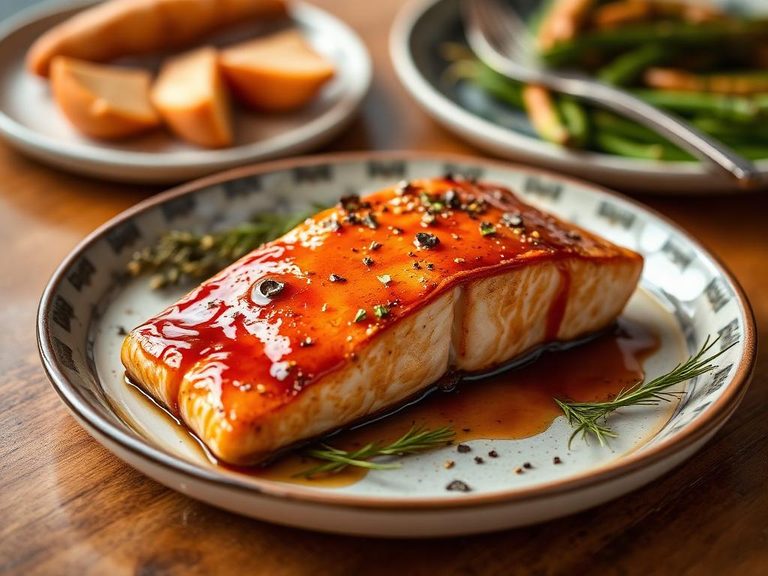
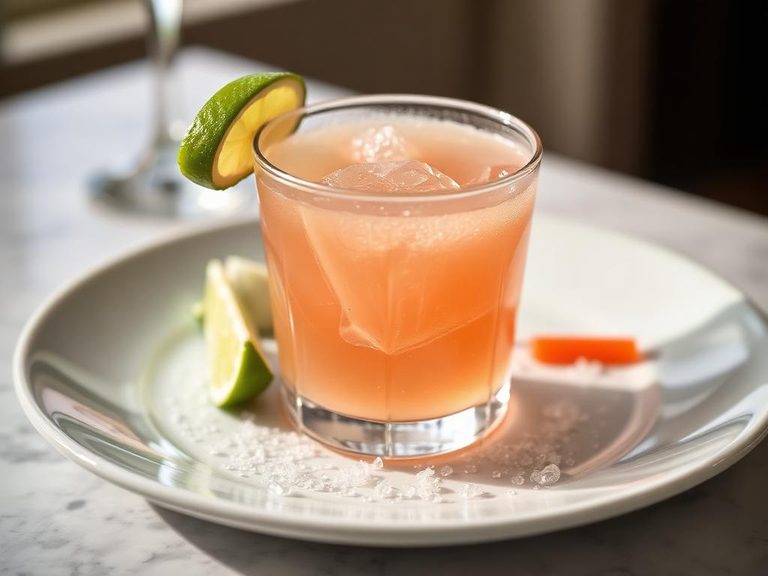
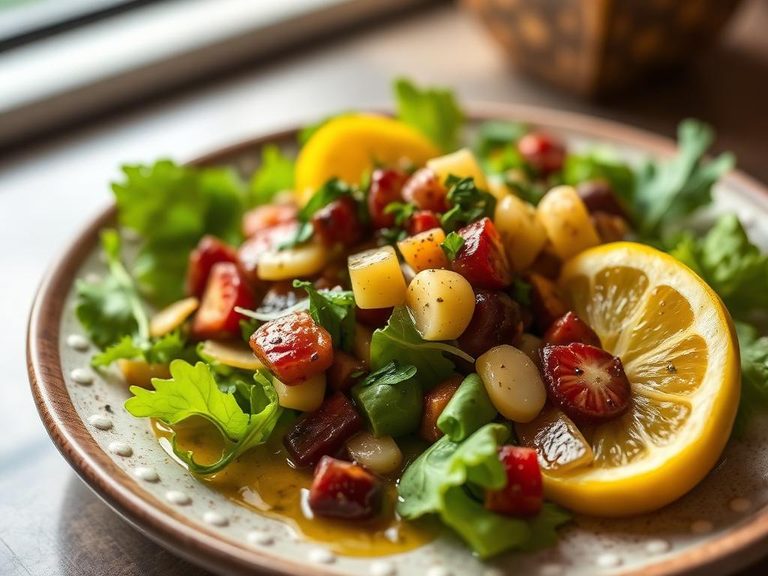
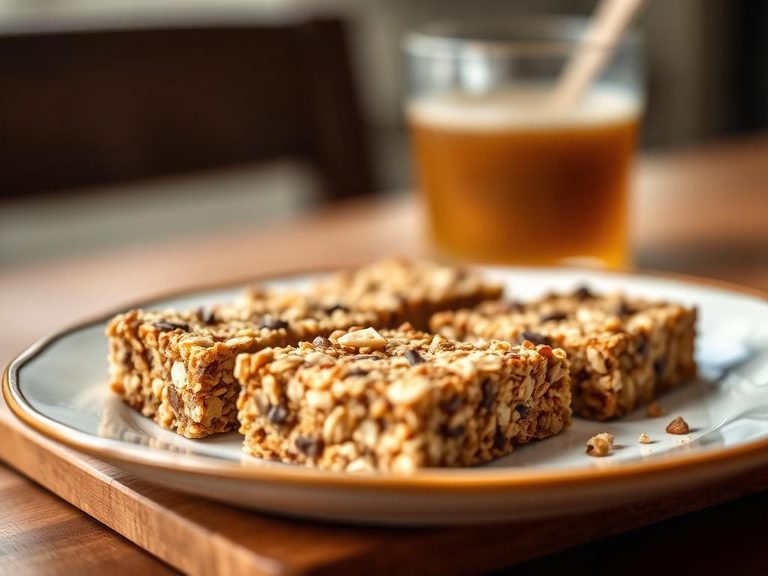
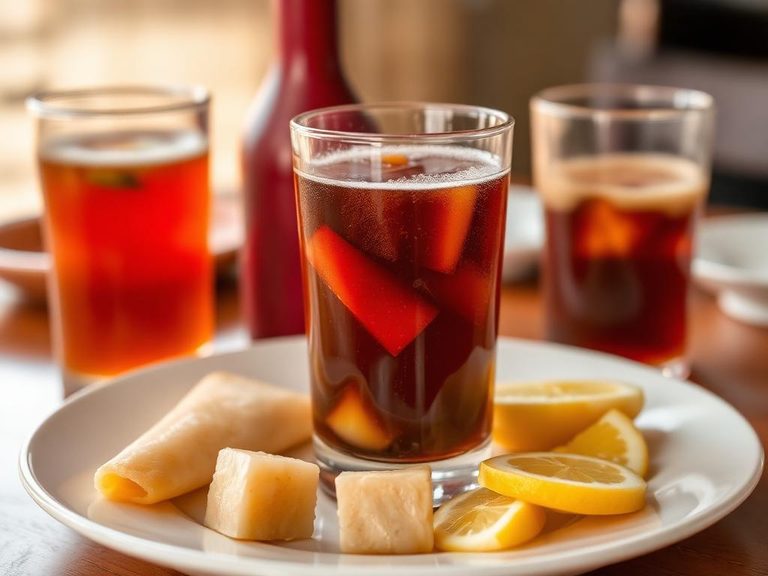
🌍 Where it's eaten
💡 Did you know?
The blue agave plant, the primary source of tequila, takes about 8-12 years to mature before its heart (piña) can be harvested for syrup or spirit production.
Full nutrition (USDA data · scales with serving)
| Water | 81.8 g |
| Energy | 68.0 kcal |
| Energy | 286 kj |
| Protein | 0.52 g |
| Total lipid (fat) | 0.15 g |
| Ash | 1.3 g |
| Carbohydrate, by difference | 16.2 g |
| Fiber, total dietary | 6.6 g |
| Total Sugars | 2.6 g |
| Sucrose | 0.41 g |
| Glucose | 1.2 g |
| Fructose | 0.98 g |
| Lactose | 0.00 g |
| Maltose | 0.00 g |
| Galactose | 0.00 g |
| Starch | 0.24 g |
| Calcium, Ca | 417 mg |
| Iron, Fe | 1.8 mg |
| Magnesium, Mg | 55.0 mg |
| Phosphorus, P | 7.0 mg |
| Potassium, K | 127 mg |
| Sodium, Na | 14.0 mg |
| Zinc, Zn | 0.15 mg |
| Copper, Cu | 0.14 mg |
| Manganese, Mn | 0.09 mg |
| Selenium, Se | 0.40 ug |
| Vitamin C, total ascorbic acid | 4.0 mg |
| Thiamin | 0.03 mg |
| Riboflavin | 0.04 mg |
| Niacin | 0.16 mg |
| Pantothenic acid | 0.04 mg |
| Vitamin B-6 | 0.06 mg |
| Folate, total | 7.0 ug |
| Folic acid | 0.00 ug |
| Folate, food | 7.0 ug |
| Folate, DFE | 7.0 ug |
| Vitamin B-12 | 0.00 ug |
| Vitamin B-12, added | 0.00 ug |
| Vitamin A, RAE | 2.0 ug |
| Retinol | 0.00 ug |
| Carotene, beta | 22.0 ug |
| Carotene, alpha | 0.00 ug |
| Cryptoxanthin, beta | 0.00 ug |
| Vitamin A, IU | 37.0 iu |
| Lycopene | 0.00 ug |
| Vitamin E (alpha-tocopherol) | 0.23 mg |
| Vitamin E, added | 0.00 mg |
| Tocopherol, beta | 0.00 mg |
| Tocopherol, gamma | 0.00 mg |
| Tocopherol, delta | 0.00 mg |
| Tocotrienol, alpha | 0.00 mg |
| Tocotrienol, beta | 0.00 mg |
| Tocotrienol, gamma | 0.00 mg |
| Tocotrienol, delta | 0.00 mg |
| Vitamin D (D2 + D3), International Units | 0.00 iu |
| Vitamin D (D2 + D3) | 0.00 ug |
| Vitamin K (phylloquinone) | 5.3 ug |
| Vitamin K (Dihydrophylloquinone) | 0.00 ug |
| Alcohol, ethyl | 0.00 g |
| Caffeine | 0.00 mg |
| Theobromine | 0.00 mg |
Fat & fatty acid profile (per 100g)
| Cholesterol | 0.00 mg |
Amino acid profile (per 100g)
| Tryptophan | 0.01 g |
| Threonine | 0.01 g |
| Isoleucine | 0.01 g |
| Leucine | 0.03 g |
| Lysine | 0.03 g |
| Methionine | 0.01 g |
| Cystine | 0.01 g |
| Phenylalanine | 0.02 g |
| Tyrosine | 0.01 g |
| Valine | 0.02 g |
| Arginine | 0.11 g |
| Histidine | 0.01 g |
| Alanine | 0.02 g |
| Aspartic acid | 0.04 g |
| Glutamic acid | 0.05 g |
| Glycine | 0.02 g |
| Proline | 0.01 g |
| Serine | 0.02 g |
FAQ
Is agave nectar healthier than sugar?
While it has a lower glycemic index, agave is still a concentrated sweetener high in calories and fructose. It's not necessarily 'healthier' and should be used in moderation like any added sugar.
Can I use agave in baking?
Yes, agave works well in baking but is sweeter than sugar, so use about 2/3 cup agave for every 1 cup of sugar. Reduce other liquids in the recipe slightly, and lower oven temperature by 25°F to prevent over-browning.
What's the difference between light and dark agave nectar?
Light agave has a neutral flavor, ideal for delicate recipes. Dark or amber agave is processed longer, has a stronger caramel taste, and is better for richer dishes or as a topping.
Nutrient density (calculated · NRF9.3)
Nutrient Rich Foods index: beneficial nutrients (protein, fiber, vitamins, minerals) minus saturated fat, added sugar & sodium, per 100 kcal.
NRF9.3 index — Fulgoni, Keast & Drewnowski, 2009. Computed from USDA nutrients.
Weight-loss friendliness (composite index)
Energy density 0.68 kcal/g · 3% calories from protein · 6.6 g fiber · 2.6 g sugar per 100 g.
Composite of energy density (Rolls et al., 1999), protein & fiber satiety, minus sugar. A calculated heuristic — ranks satiety-per-calorie, not a clinical measure.
Dietary load (calculated from USDA values)
Potential renal acid load. Positive = acid-forming, negative = alkaline-forming.
Sodium-to-potassium ratio: 0.11 (lower is better — aim for ≤ 1)
Sodium:potassium per WHO potassium guidance. Computed from USDA nutrients.