

Walnuts, honey roasted
Common food

Photo: Wikipedia
Walnuts, honey roasted are whole or halved walnuts coated in a sweet, sticky honey glaze and then baked until crisp. They offer a satisfying crunch with a rich, buttery nuttiness balanced by caramelized sweetness. Nutritionally, they are a calorie-dense energy source, packed with healthy fats and a moderate amount of protein.
Calorie split: 6% protein · 17% carbs · 77% fat
↓ Full nutrition💚 Why it's loved
People love them for the addictive combination of the walnut's natural earthiness and the sweet, crunchy honey coating. They are a versatile snack that elevates everything from a simple cheese board to a yogurt parfait or a salad topping.
⚠️ Watch-outs & how to enjoy it better
The honey glaze significantly increases the sugar content, which can lead to blood-sugar spikes if eaten in large quantities. They are also a common tree nut allergen and are very calorie-dense. To enjoy mindfully, practice strict portion control (e.g., a small handful) and pair them with a source of protein or fat (like Greek yogurt or cheese) to slow sugar absorption.
Key benefits
- Excellent source of plant-based omega-3 fatty acids (ALA)
- Provides a good amount of dietary fiber
- Contains antioxidants like polyphenols
- Offers a convenient, high-energy snack
- Source of essential minerals like manganese and copper
🍽️ Popular dishes
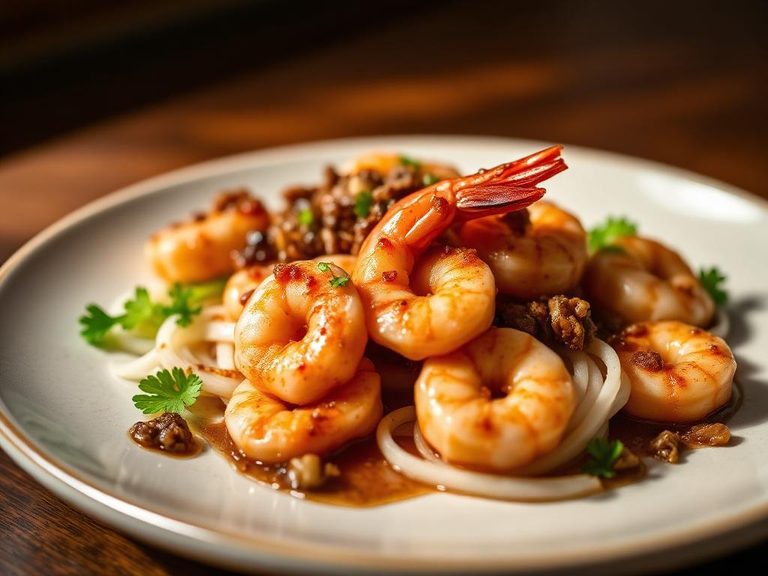
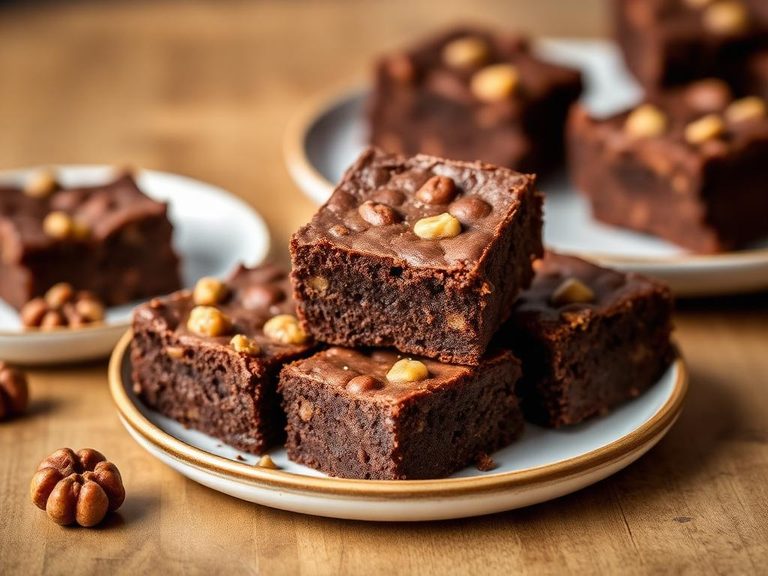
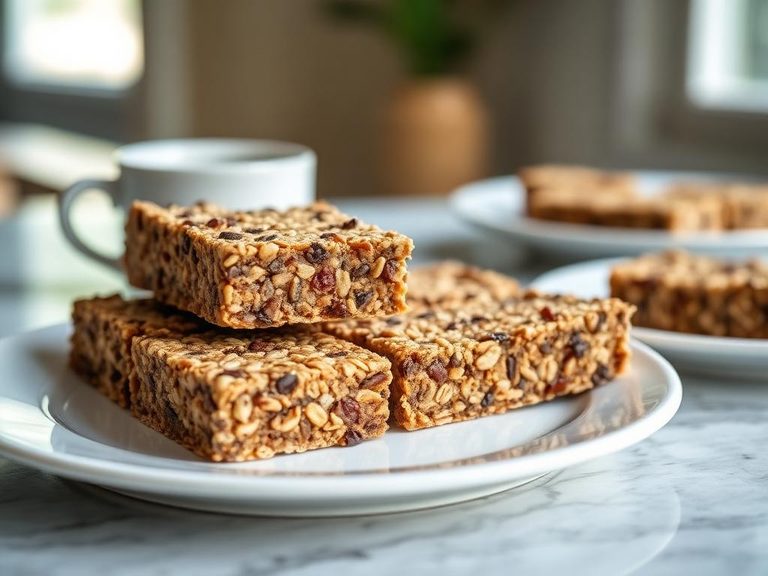
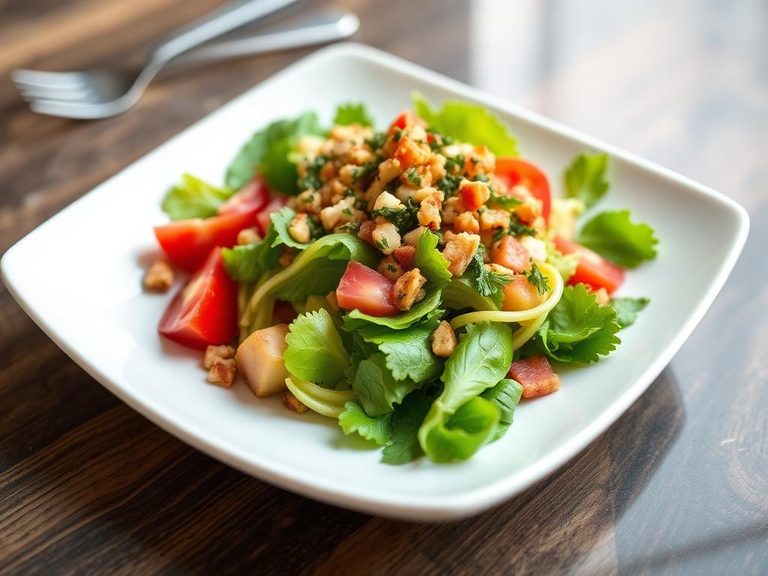

🌍 Where it's eaten
💡 Did you know?
The honey coating process is often called 'candying' or 'pralining,' and the sticky glaze can make the nuts clump together, requiring them to be separated after cooling.
Full nutrition (USDA data · scales with serving)
| Water | 2.1 g |
| Energy | 668 kcal |
| Protein | 9.8 g |
| Total lipid (fat) | 56.9 g |
| Carbohydrate, by difference | 29.0 g |
| Fiber, total dietary | 3.5 g |
| Total Sugars | 23.5 g |
| Calcium, Ca | 60.0 mg |
| Iron, Fe | 1.5 mg |
| Magnesium, Mg | 96.0 mg |
| Phosphorus, P | 246 mg |
| Potassium, K | 286 mg |
| Sodium, Na | 383 mg |
| Zinc, Zn | 1.9 mg |
| Copper, Cu | 0.81 mg |
| Selenium, Se | 3.4 ug |
| Vitamin C, total ascorbic acid | 0.90 mg |
| Thiamin | 0.15 mg |
| Riboflavin | 0.10 mg |
| Niacin | 0.82 mg |
| Vitamin B-6 | 0.44 mg |
| Folate, total | 66.0 ug |
| Folic acid | 0.00 ug |
| Folate, food | 66.0 ug |
| Folate, DFE | 66.0 ug |
| Choline, total | 26.4 mg |
| Vitamin B-12 | 0.00 ug |
| Vitamin B-12, added | 0.00 ug |
| Vitamin A, RAE | 1.0 ug |
| Retinol | 0.00 ug |
| Carotene, beta | 8.0 ug |
| Carotene, alpha | 0.00 ug |
| Cryptoxanthin, beta | 0.00 ug |
| Lycopene | 0.00 ug |
| Lutein + zeaxanthin | 6.0 ug |
| Vitamin E (alpha-tocopherol) | 2.4 mg |
| Vitamin E, added | 0.00 mg |
| Vitamin D (D2 + D3) | 0.00 ug |
| Vitamin K (phylloquinone) | 11.1 ug |
| Alcohol, ethyl | 0.00 g |
| Caffeine | 0.00 mg |
| Theobromine | 0.00 mg |
Fat & fatty acid profile (per 100g)
| Fatty acids, total saturated | 5.4 g |
| SFA 4:0 | 0.00 g |
| SFA 6:0 | 0.00 g |
| SFA 8:0 | 0.00 g |
| SFA 10:0 | 0.00 g |
| SFA 12:0 | 0.00 g |
| SFA 14:0 | 0.01 g |
| SFA 16:0 | 3.9 g |
| SFA 18:0 | 1.4 g |
| Fatty acids, total monounsaturated | 10.7 g |
| MUFA 16:1 | 0.04 g |
| MUFA 18:1 | 10.0 g |
| MUFA 20:1 | 0.16 g |
| MUFA 22:1 | 0.00 g |
| Fatty acids, total polyunsaturated | 37.0 g |
| PUFA 18:2 | 29.0 g |
| PUFA 18:3 | 6.5 g |
| PUFA 18:4 | 0.00 g |
| PUFA 20:4 | 0.00 g |
| PUFA 20:5 n-3 (EPA) | 0.00 g |
| PUFA 22:5 n-3 (DPA) | 0.00 g |
| PUFA 22:6 n-3 (DHA) | 0.00 g |
| Cholesterol | 0.00 mg |
Amino acid profile (per 100g)
Estimated from Nuts, walnuts, black, dried — USDA does not publish this profile for Walnuts.
| Tryptophan | 0.32 g |
| Threonine | 0.72 g |
| Isoleucine | 0.97 g |
| Leucine | 1.7 g |
| Lysine | 0.71 g |
| Methionine | 0.47 g |
| Cystine | 0.46 g |
| Phenylalanine | 1.1 g |
| Tyrosine | 0.74 g |
| Valine | 1.3 g |
| Arginine | 3.6 g |
| Histidine | 0.67 g |
| Alanine | 1.0 g |
| Aspartic acid | 2.4 g |
| Glutamic acid | 5.2 g |
| Glycine | 1.2 g |
| Proline | 0.93 g |
| Serine | 1.2 g |
FAQ
Are honey roasted walnuts healthier than plain walnuts?
Plain walnuts are generally considered healthier because they contain no added sugars. Honey roasted walnuts offer the same beneficial fats and nutrients but with significantly more calories and sugar from the glaze.
How should I store them to keep them fresh?
Store them in an airtight container at room temperature for up to two weeks, or in the refrigerator for up to two months. The cool environment helps prevent the oils in the nuts from going rancid and keeps the coating from becoming too sticky.
Can I make honey roasted walnuts at home?
Yes. Toss raw walnuts with honey, a pinch of salt, and sometimes a little oil or butter, then bake at a low temperature (around 300°F/150°C) until the coating is set and dry, stirring occasionally to prevent clumping.
Nutrient density (calculated · NRF9.3)
Nutrient Rich Foods index: beneficial nutrients (protein, fiber, vitamins, minerals) minus saturated fat, added sugar & sodium, per 100 kcal.
NRF9.3 index — Fulgoni, Keast & Drewnowski, 2009. Computed from USDA nutrients.
Weight-loss friendliness (composite index)
Energy density 6.68 kcal/g · 6% calories from protein · 3.5 g fiber · 23.5 g sugar per 100 g.
Composite of energy density (Rolls et al., 1999), protein & fiber satiety, minus sugar. A calculated heuristic — ranks satiety-per-calorie, not a clinical measure.
Dietary load (calculated from USDA values)
Potential renal acid load. Positive = acid-forming, negative = alkaline-forming.
Sodium-to-potassium ratio: 1.34 (lower is better — aim for ≤ 1)
Sodium:potassium per WHO potassium guidance. Computed from USDA nutrients.