

Spices, chervil, dried
Whole food · Spices and Herbs

Photo: Wikipedia
Dried chervil is a delicate, feathery herb with a subtle, anise-like flavor that is far milder than its cousin, tarragon. Its fine, needle-like leaves become almost powdery when dried, concentrating a grassy, slightly peppery aroma. Nutritionally, it's a surprising protein powerhouse for an herb, packing over 23 grams per 100g, along with significant fiber.
Calorie split: 29% protein · 61% carbs · 11% fat
↓ Full nutrition💚 Why it's loved
People cherish chervil for its refined, French-inspired flavor that adds a sophisticated finish without overpowering a dish. It's the classic 'fines herbes' component that brings a touch of elegance to eggs, soups, and light sauces.
⚠️ Watch-outs & how to enjoy it better
Its delicate flavor can be completely lost if added too early during cooking or if used in excess, leading to a bitter, hay-like taste. For those monitoring oxalate intake (relevant for some kidney stone types), dried herbs like chervil are concentrated sources; using it as a finishing garnish rather than a main ingredient keeps portions minimal.
Key benefits
- Excellent source of plant-based protein for an herb.
- High in dietary fiber, aiding digestion.
- Rich in antioxidants like flavonoids and essential oils.
- Provides essential minerals such as potassium and iron.
- Low in fat and contains no sugar.
🍽️ Popular dishes
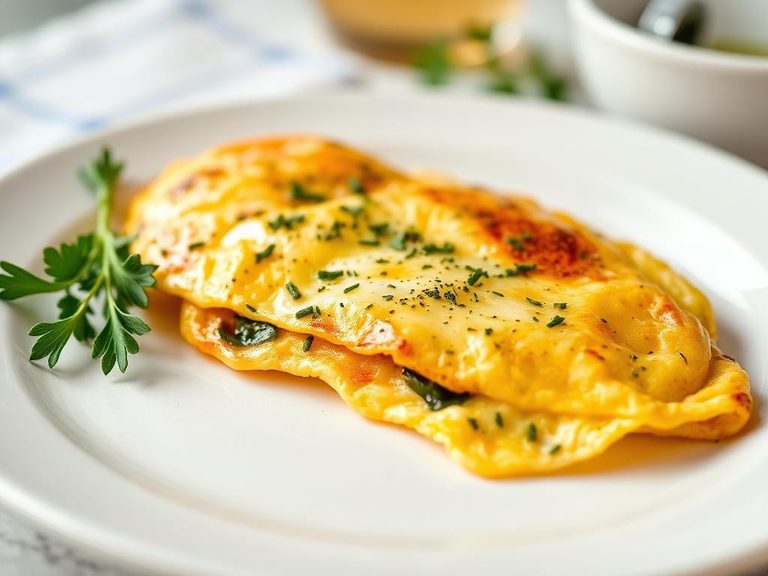
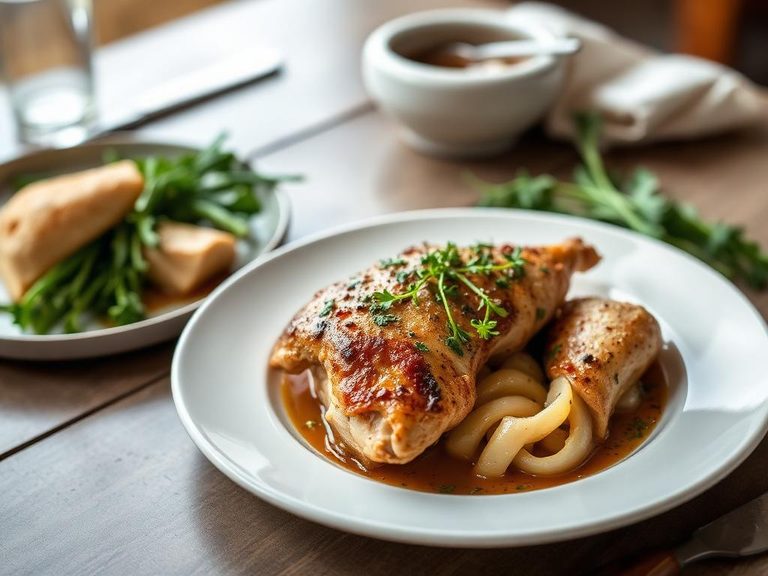
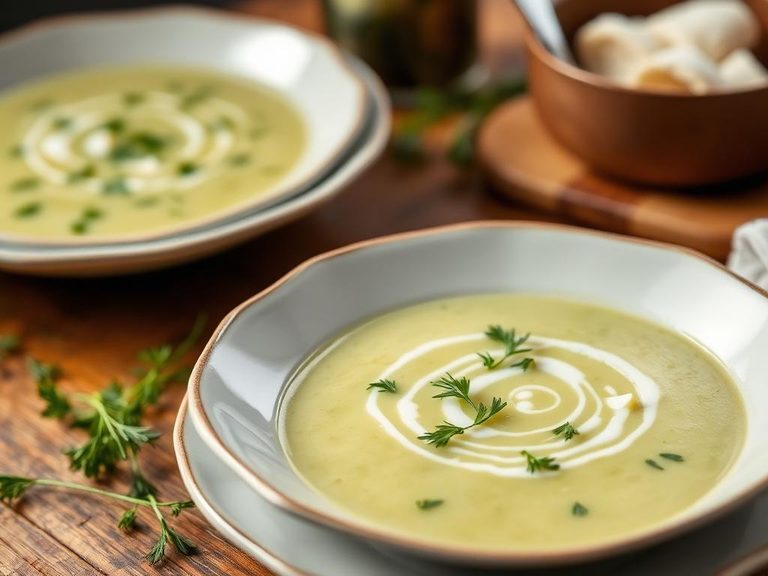
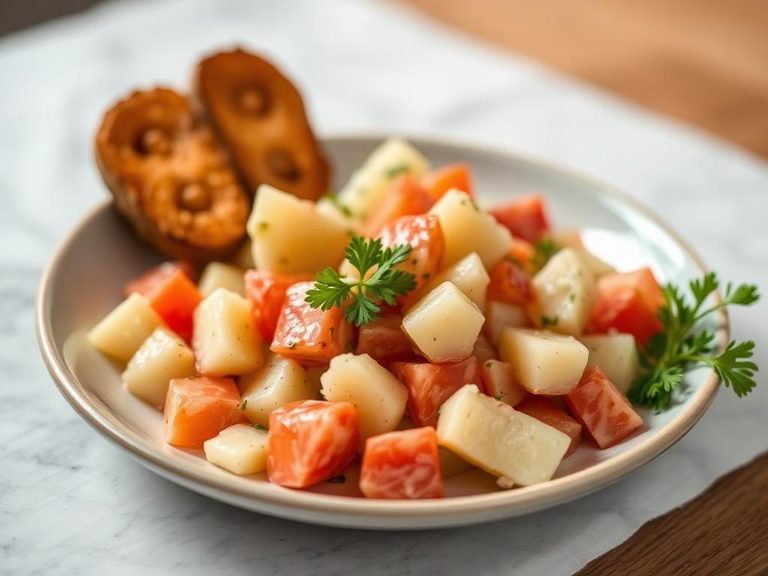
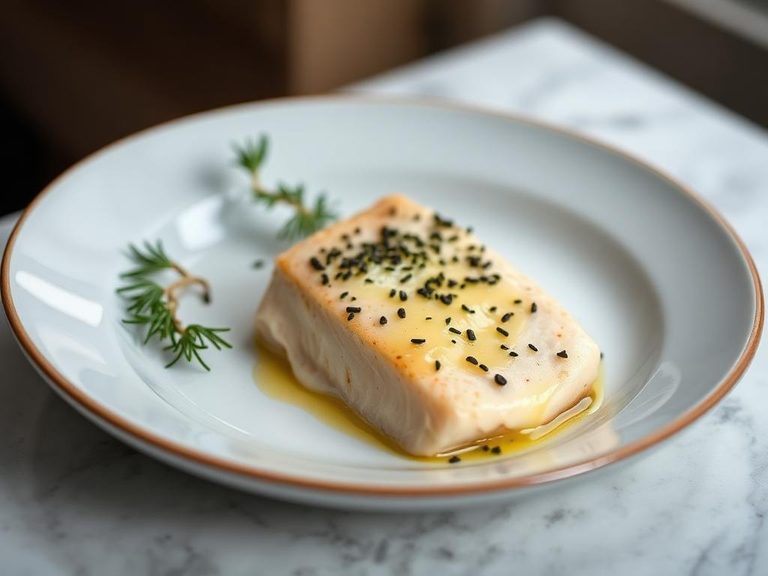
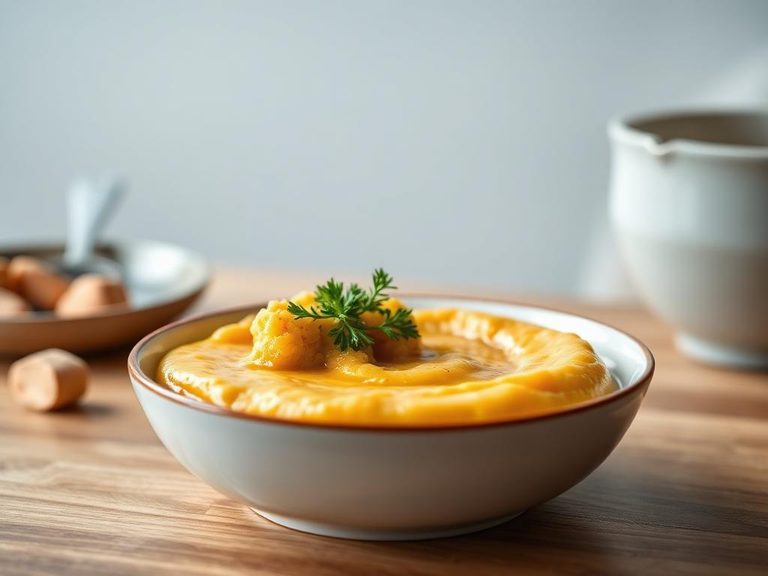
🌍 Where it's eaten
💡 Did you know?
In the Victorian language of flowers, chervil symbolized sincerity and in some traditions, was believed to ward off snakes and promote happiness.
Full nutrition (USDA data · scales with serving)
| Water | 7.2 g |
| Energy | 237 kcal |
| Energy | 990 kj |
| Protein | 23.2 g |
| Total lipid (fat) | 3.9 g |
| Ash | 16.6 g |
| Carbohydrate, by difference | 49.1 g |
| Fiber, total dietary | 11.3 g |
| Calcium, Ca | 1346 mg |
| Iron, Fe | 31.9 mg |
| Magnesium, Mg | 130 mg |
| Phosphorus, P | 450 mg |
| Potassium, K | 4740 mg |
| Sodium, Na | 83.0 mg |
| Zinc, Zn | 8.8 mg |
| Copper, Cu | 0.44 mg |
| Manganese, Mn | 2.1 mg |
| Selenium, Se | 29.3 ug |
| Vitamin C, total ascorbic acid | 50.0 mg |
| Thiamin | 0.38 mg |
| Riboflavin | 0.68 mg |
| Niacin | 5.4 mg |
| Vitamin B-6 | 0.93 mg |
| Folate, total | 274 ug |
| Folic acid | 0.00 ug |
| Folate, food | 274 ug |
| Folate, DFE | 274 ug |
| Vitamin B-12 | 0.00 ug |
| Vitamin A, RAE | 293 ug |
| Retinol | 0.00 ug |
| Vitamin A, IU | 5850 iu |
| Vitamin D (D2 + D3), International Units | 0.00 iu |
| Vitamin D (D2 + D3) | 0.00 ug |
| Alcohol, ethyl | 0.00 g |
| Caffeine | 0.00 mg |
| Theobromine | 0.00 mg |
Fat & fatty acid profile (per 100g)
| Fatty acids, total saturated | 0.17 g |
| SFA 4:0 | 0.00 g |
| SFA 6:0 | 0.00 g |
| SFA 8:0 | 0.00 g |
| SFA 10:0 | 0.00 g |
| SFA 12:0 | 0.00 g |
| SFA 14:0 | 0.00 g |
| SFA 16:0 | 0.17 g |
| SFA 18:0 | 0.00 g |
| Fatty acids, total monounsaturated | 1.4 g |
| MUFA 16:1 | 0.00 g |
| MUFA 18:1 | 1.4 g |
| MUFA 20:1 | 0.00 g |
| MUFA 22:1 | 0.00 g |
| Fatty acids, total polyunsaturated | 1.8 g |
| PUFA 18:2 | 1.8 g |
| PUFA 18:3 | 0.00 g |
| PUFA 18:4 | 0.00 g |
| PUFA 20:4 | 0.00 g |
| PUFA 20:5 n-3 (EPA) | 0.00 g |
| PUFA 22:5 n-3 (DPA) | 0.00 g |
| PUFA 22:6 n-3 (DHA) | 0.00 g |
| Fatty acids, total trans | 0.00 g |
| Cholesterol | 0.00 mg |
Amino acid profile (per 100g)
Estimated from Spices, garlic powder — USDA does not publish this profile for Spices.
| Tryptophan | 0.12 g |
| Threonine | 0.37 g |
| Isoleucine | 0.41 g |
| Leucine | 0.73 g |
| Lysine | 0.77 g |
| Methionine | 0.11 g |
| Cystine | 0.25 g |
| Phenylalanine | 0.53 g |
| Tyrosine | 0.45 g |
| Valine | 0.67 g |
| Arginine | 3.4 g |
| Histidine | 0.26 g |
| Alanine | 0.48 g |
| Aspartic acid | 1.9 g |
| Glutamic acid | 3.7 g |
| Glycine | 0.53 g |
| Proline | 1.4 g |
| Serine | 0.51 g |
| Hydroxyproline | 0.00 g |
FAQ
How does dried chervil compare to fresh?
Dried chervil has a more concentrated, slightly hay-like flavor and loses the bright, anise notes of fresh. Use about 1 teaspoon dried for every 1 tablespoon fresh, and add it earlier in cooking to rehydrate and release flavor.
When should I add dried chervil to a dish?
Add it during the last 5-10 minutes of cooking for soups, stews, or sauces. For very delicate dishes like eggs, stir it in just before serving to preserve its subtle aroma.
Is chervil the same as parsley or tarragon?
No. While it looks similar to curly parsley, its flavor is distinct—much milder and sweeter than parsley, and far less licorice-forward than tarragon. It's often used in combination with both in French 'fines herbes' blends.
Nutrient density (calculated · NRF9.3)
Nutrient Rich Foods index: beneficial nutrients (protein, fiber, vitamins, minerals) minus saturated fat, added sugar & sodium, per 100 kcal.
NRF9.3 index — Fulgoni, Keast & Drewnowski, 2009. Computed from USDA nutrients.
Weight-loss friendliness (composite index)
Energy density 2.37 kcal/g · 39% calories from protein · 11.3 g fiber · 0.0 g sugar per 100 g.
Composite of energy density (Rolls et al., 1999), protein & fiber satiety, minus sugar. A calculated heuristic — ranks satiety-per-calorie, not a clinical measure.
Dietary load (calculated from USDA values)
Potential renal acid load. Positive = acid-forming, negative = alkaline-forming.
Sodium-to-potassium ratio: 0.02 (lower is better — aim for ≤ 1)
Sodium:potassium per WHO potassium guidance. Computed from USDA nutrients.