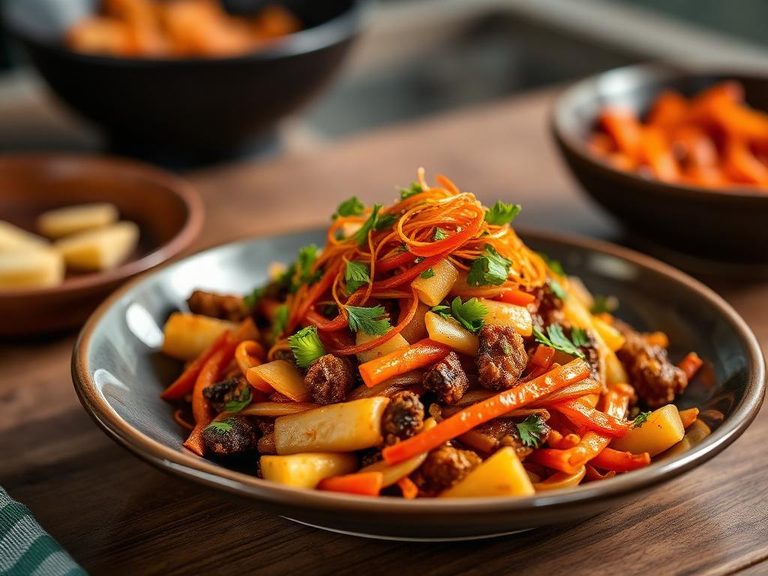
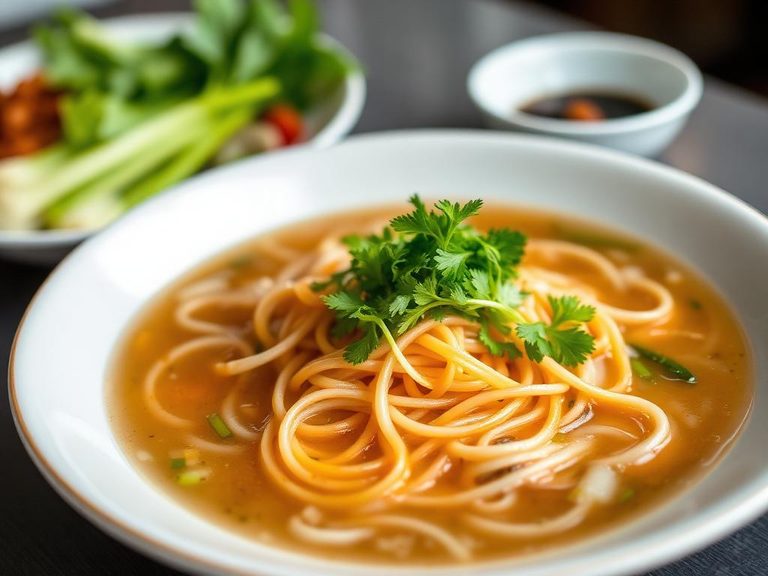
Garnish for creamy soups and risottos
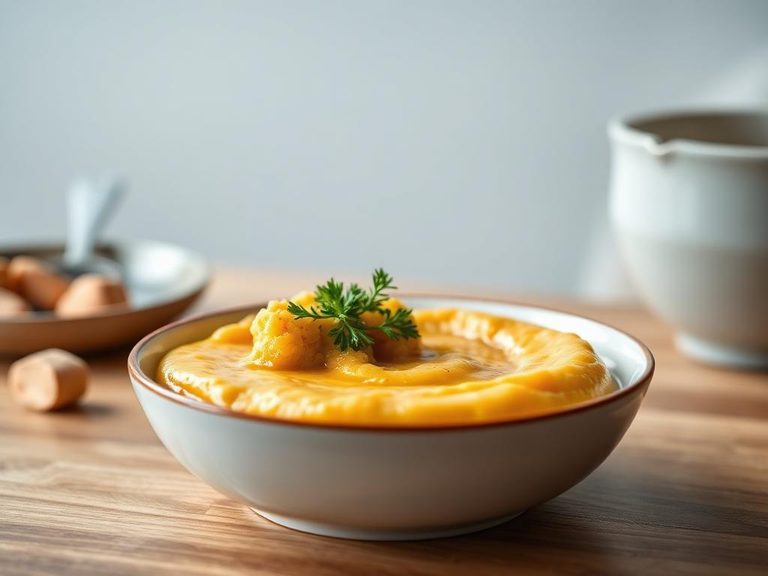
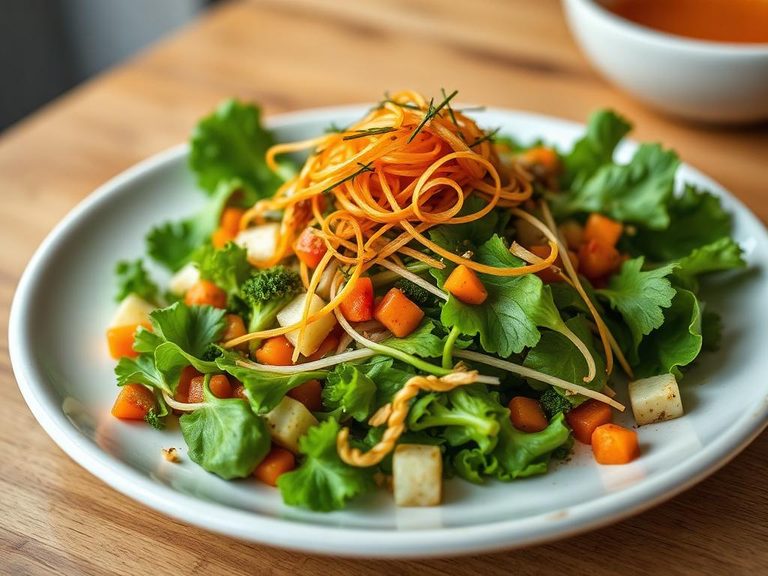
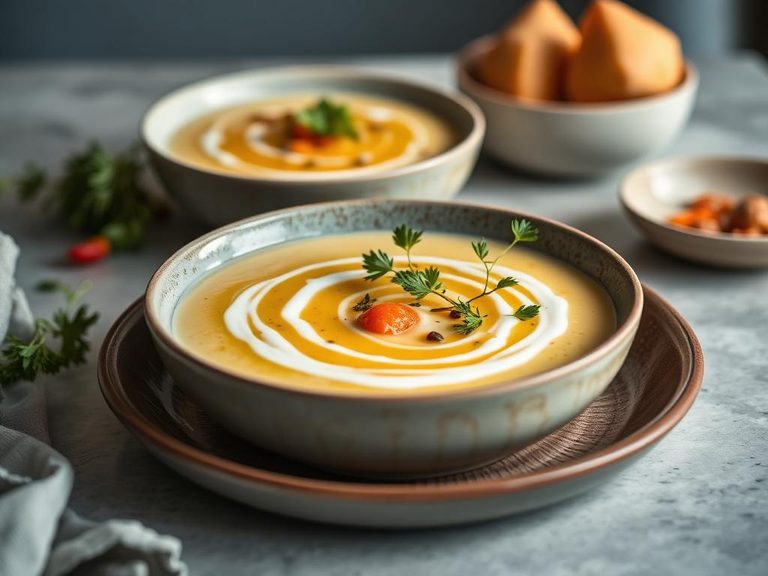
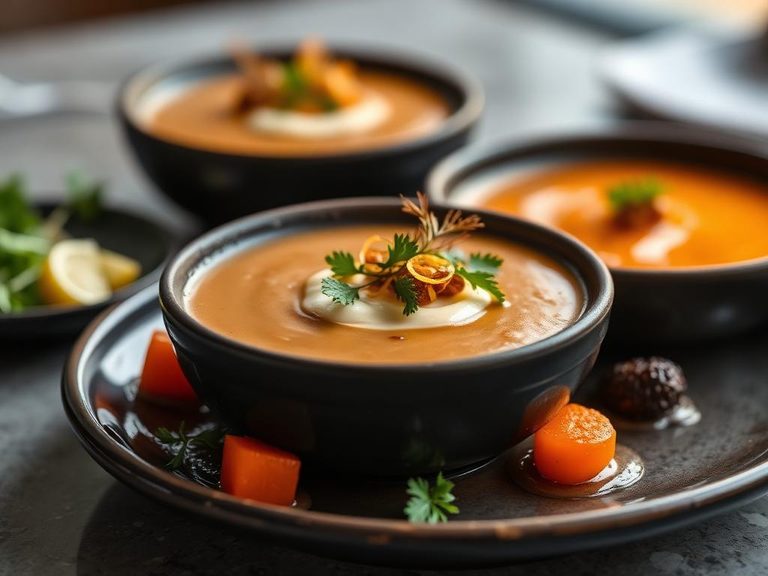
A garnish for creamy soups and risottos is not a single dish but a finishing touch, typically composed of fresh herbs like parsley or chives, grated hard cheese such as Parmesan, a drizzle of high-quality olive oil, or a sprinkle of toasted nuts or croutons. These elements are added just before serving to enhance flavor, texture, and visual appeal. While the practice is universal, it is particularly refined in Italian and French cuisines.
🍽️ Nutrition at a glance
This garnish is generally low in calories and macronutrients, with its nutritional profile varying based on the specific components chosen. It primarily contributes small amounts of healthy fats from oil or nuts, minimal protein from cheese, and a variety of micronutrients like Vitamin K from herbs.
Nutrition breakdown
| Calories | 45 kcal |
| Protein | 1.5 g |
| Carbs | 1 g |
| Fat | 4 g |
| Fiber | 0.3 g |
| Sugar | 0.2 g |
| Sodium | 80 mg |
| Vitamin K | 15 mcg |
| Vitamin A | 45 IU |
| Calcium | 25 mg |
| Iron | 0.3 mg |
| Potassium | 20 mg |
Per 1 tablespoon (approx. 15 g) · estimated, varies by recipe
💡 What's interesting
Culturally, the art of garnishing is considered a crucial final step in professional kitchens, embodying the principle that we eat with our eyes first. Nutritionally, fresh herb garnings can add a concentrated dose of antioxidants and vitamins without adding significant calories.