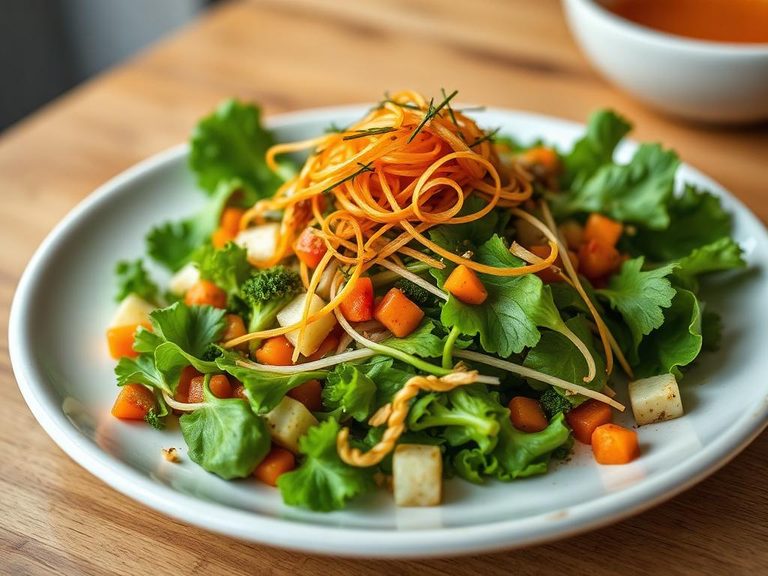
Herring Egg Garnish for Soups
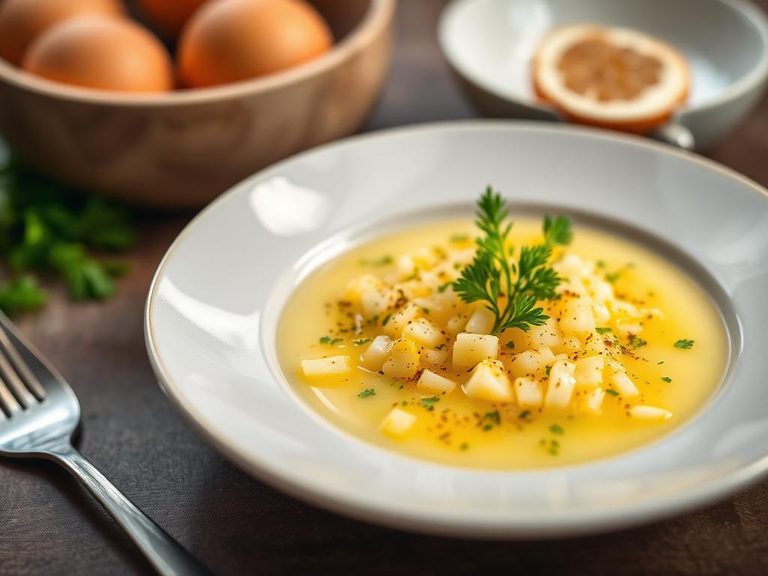
Herring Egg Garnish for Soups is a traditional Japanese condiment made from the tiny, translucent eggs of the Pacific herring (nishin). The eggs are typically salt-cured or marinated, giving them a salty, umami-rich flavor and a unique, slightly crunchy texture. They are primarily used as a topping or garnish to enhance the flavor and visual appeal of various soups and dishes.
🍽️ Nutrition at a glance
This garnish is a high-protein, low-carbohydrate food, providing a significant amount of protein with very little fat or carbs. A typical serving is a good source of essential nutrients like vitamin B12, selenium, and phosphorus, with a calorie count that is relatively low, generally around 30-50 kcal per tablespoon.
Nutrition breakdown
| Calories | 40 kcal |
| Protein | 5 g |
| Carbs | 0.5 g |
| Fat | 1.5 g |
| Fiber | 0 g |
| Sugar | 0 g |
| Sodium | 350 mg |
| Vitamin B12 | 3.0 mcg |
| Selenium | 15 mcg |
| Phosphorus | 80 mg |
| Omega-3 (EPA+DHA) | 200 mg |
| Iron | 0.8 mg |
| Zinc | 0.5 mg |
| Niacin (B3) | 1.0 mg |
| Calcium | 10 mg |
Per 1 tablespoon (15 g) · estimated, varies by recipe
💡 What's interesting
Culturally, herring eggs (known as 'nishin no tazukuri' or 'kazunoko') are a symbolic food in Japan, often eaten during New Year celebrations to represent fertility and prosperity. Nutritionally, they are a concentrated source of high-quality protein and omega-3 fatty acids, making them a nutrient-dense addition to meals.