Garnish for Soups

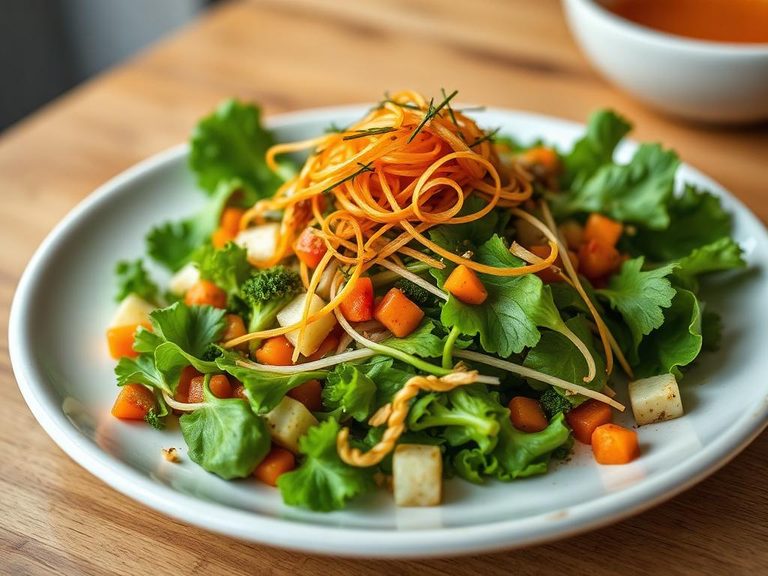
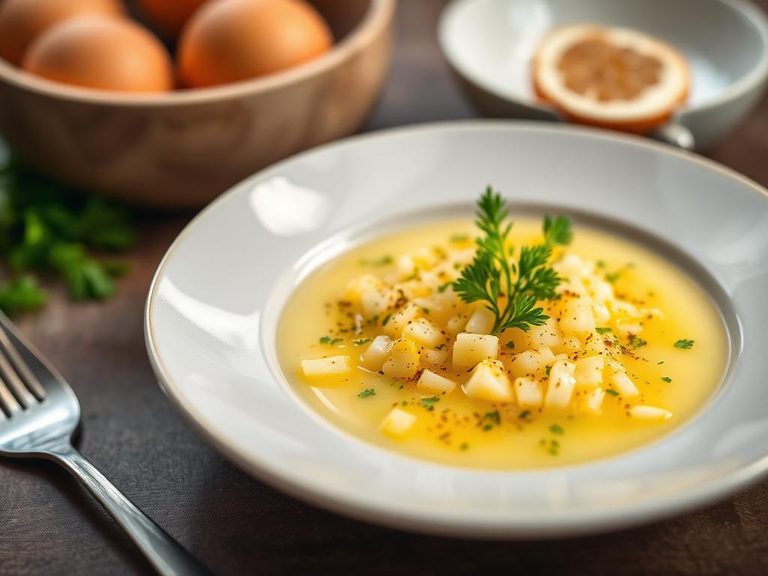
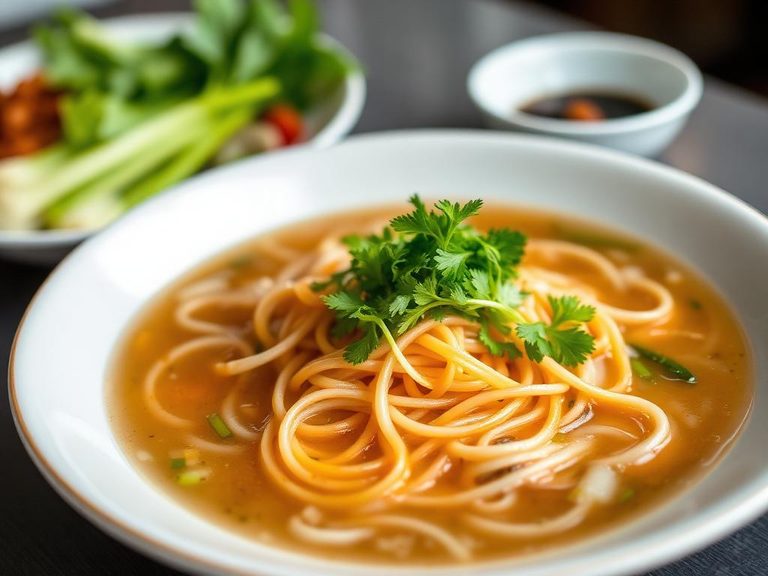
Garnish for soups refers to the fresh, often finely chopped herbs, vegetables, or other toppings added to a soup just before serving to enhance its flavor, texture, and visual appeal. Common ingredients include fresh parsley, chives, dill, scallions, croutons, or a swirl of cream. While used globally, the practice is a cornerstone of culinary presentation in many cuisines, from French to Asian.
🍽️ Nutrition at a glance
As a garnish, it is typically very low in calories, carbohydrates, fat, and protein, contributing minimal macronutrients. Its primary nutritional value lies in providing small amounts of vitamins (like Vitamin K and C) and minerals (like potassium) from fresh herbs, along with a burst of fresh flavor.
Nutrition breakdown
| Calories | 2 kcal |
| Protein | 0.1 g |
| Carbs | 0.3 g |
| Fat | 0 g |
| Fiber | 0.2 g |
| Sugar | 0.1 g |
| Sodium | 1 mg |
| Vitamin K | 30 mcg |
| Vitamin C | 2 mg |
| Vitamin A | 50 IU |
| Potassium | 15 mg |
| Folate | 3 mcg |
| Iron | 0.1 mg |
| Calcium | 3 mg |
| Magnesium | 1 mg |
Per 1 tablespoon (about 5 g) of mixed fresh chopped herbs (e.g., parsley, chives) · estimated, varies by recipe
💡 What's interesting
Culturally, soup garnishes are often a signature touch that can define a dish's regional identity, like the classic green herbs in French onion soup or crispy shallots in Vietnamese pho. Nutritionally, fresh herb garnishes can add beneficial antioxidants and phytonutrients without adding significant calories.