

Spices, anise seed
Whole food · Spices and Herbs

Photo: Wikipedia
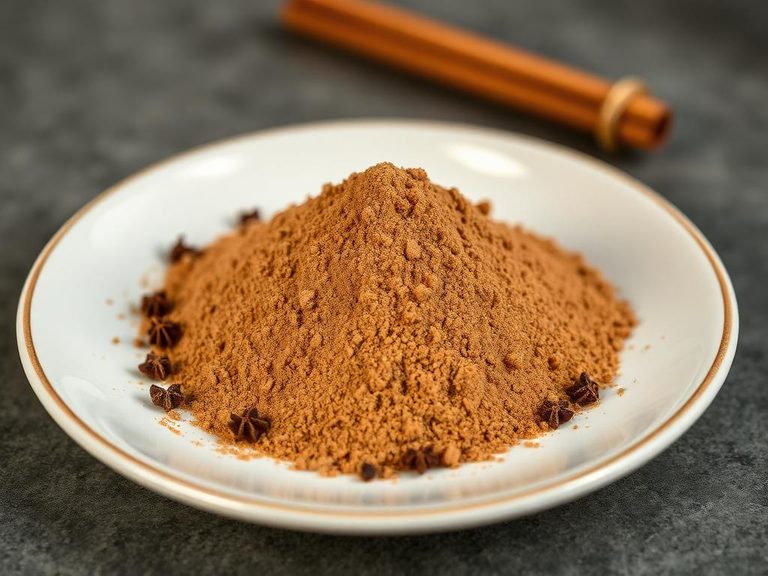
Anise seed is the small, ridged fruit of the Pimpinella anisum plant, prized for its intense, sweet licorice-like flavor and warm, aromatic fragrance. Nutritionally, it's a fiber powerhouse, packing over 14 grams per 100 grams, and provides a notable plant-based protein boost at nearly 18 grams per 100 grams.
Calorie split: 17% protein · 48% carbs · 35% fat
↓ Full nutrition💚 Why it's loved
People adore anise seed for its uniquely potent, sweet-spicy flavor that can transform both sweet and savory dishes, from baked goods to stews. Its cultural significance in holiday baking, liqueurs, and traditional medicine across the globe adds a layer of nostalgic and aromatic appeal.
⚠️ Watch-outs & how to enjoy it better
The strong, polarizing licorice flavor is not for everyone, and its high fiber content can cause digestive discomfort (like gas or bloating) if consumed in large quantities by those not accustomed to it. To counteract this, start with a very small pinch, ensure adequate water intake, and pair it with other digestive-friendly ingredients like ginger or fennel in a blend.
Key benefits
- Excellent source of dietary fiber for digestive health.
- Provides a significant amount of plant-based protein.
- Rich in antioxidants like anethole, which gives it its signature scent.
- May help support respiratory and digestive comfort traditionally.
- Low in sugar and sodium, making it a flavor enhancer without added negatives.
🍽️ Popular dishes
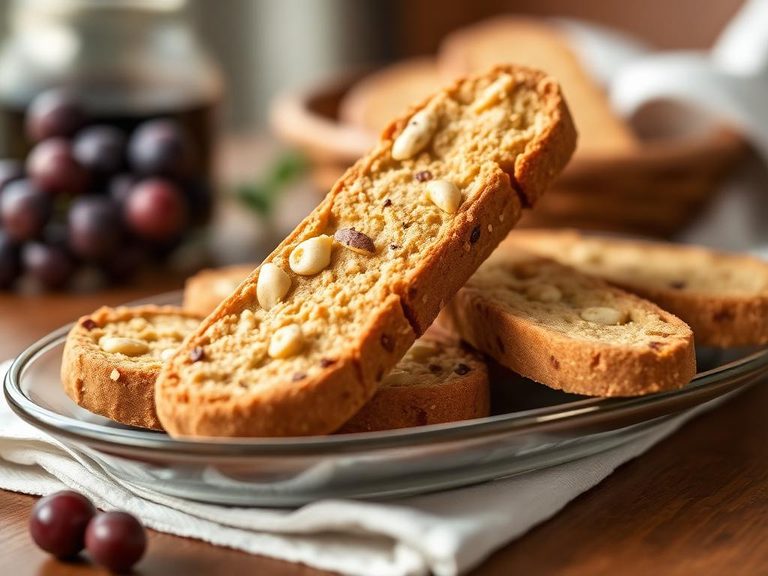
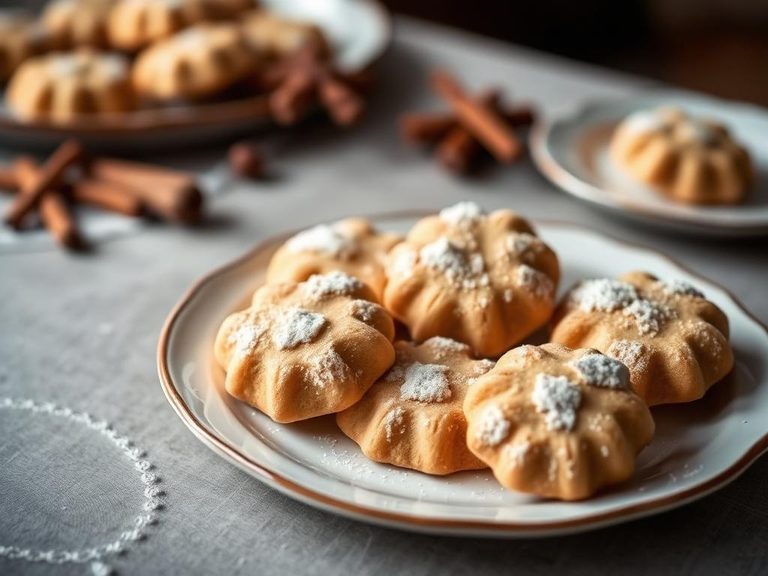
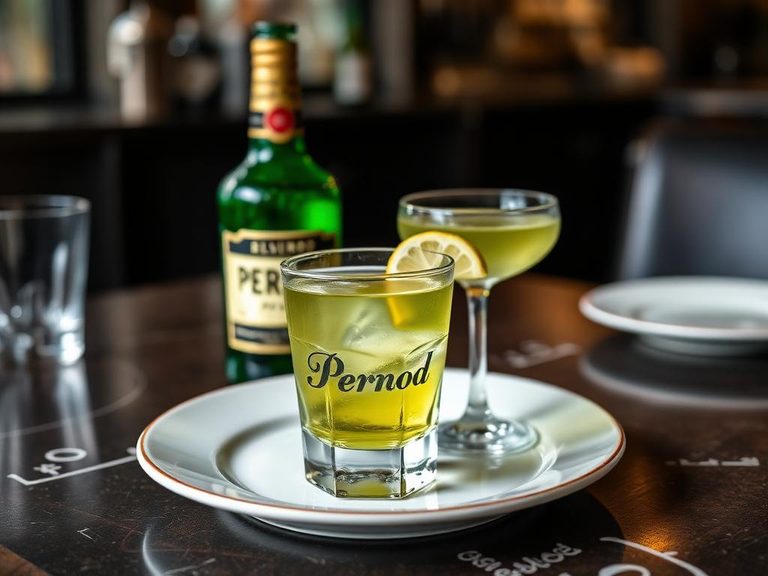
🌍 Where it's eaten
💡 Did you know?
The compound anethole, which gives anise its distinctive flavor, is so potent that it can cause a 'false licorice' effect, making other foods or drinks taste sweeter when consumed alongside it.
Full nutrition (USDA data · scales with serving)
| Water | 9.5 g |
| Energy | 337 kcal |
| Energy | 1411 kj |
| Protein | 17.6 g |
| Total lipid (fat) | 15.9 g |
| Ash | 7.0 g |
| Carbohydrate, by difference | 50.0 g |
| Fiber, total dietary | 14.6 g |
| Calcium, Ca | 646 mg |
| Iron, Fe | 37.0 mg |
| Magnesium, Mg | 170 mg |
| Phosphorus, P | 440 mg |
| Potassium, K | 1441 mg |
| Sodium, Na | 16.0 mg |
| Zinc, Zn | 5.3 mg |
| Copper, Cu | 0.91 mg |
| Manganese, Mn | 2.3 mg |
| Selenium, Se | 5.0 ug |
| Vitamin C, total ascorbic acid | 21.0 mg |
| Thiamin | 0.34 mg |
| Riboflavin | 0.29 mg |
| Niacin | 3.1 mg |
| Pantothenic acid | 0.80 mg |
| Vitamin B-6 | 0.65 mg |
| Folate, total | 10.0 ug |
| Folic acid | 0.00 ug |
| Folate, food | 10.0 ug |
| Folate, DFE | 10.0 ug |
| Vitamin B-12 | 0.00 ug |
| Vitamin A, RAE | 16.0 ug |
| Retinol | 0.00 ug |
| Vitamin A, IU | 311 iu |
| Vitamin D (D2 + D3), International Units | 0.00 iu |
| Vitamin D (D2 + D3) | 0.00 ug |
| Alcohol, ethyl | 0.00 g |
| Caffeine | 0.00 mg |
| Theobromine | 0.00 mg |
Fat & fatty acid profile (per 100g)
| Fatty acids, total saturated | 0.59 g |
| SFA 4:0 | 0.00 g |
| SFA 6:0 | 0.00 g |
| SFA 8:0 | 0.00 g |
| SFA 10:0 | 0.00 g |
| SFA 12:0 | 0.00 g |
| SFA 14:0 | 0.00 g |
| SFA 16:0 | 0.00 g |
| SFA 18:0 | 0.00 g |
| Fatty acids, total monounsaturated | 9.8 g |
| MUFA 16:1 | 0.00 g |
| MUFA 18:1 | 9.8 g |
| MUFA 20:1 | 0.00 g |
| MUFA 22:1 | 0.00 g |
| Fatty acids, total polyunsaturated | 3.1 g |
| PUFA 18:2 | 3.1 g |
| PUFA 18:3 | 0.00 g |
| PUFA 18:4 | 0.00 g |
| PUFA 20:4 | 0.00 g |
| PUFA 20:5 n-3 (EPA) | 0.00 g |
| PUFA 22:5 n-3 (DPA) | 0.00 g |
| PUFA 22:6 n-3 (DHA) | 0.00 g |
| Cholesterol | 0.00 mg |
Amino acid profile (per 100g)
Estimated from Spices, garlic powder — USDA does not publish this profile for Spices.
| Tryptophan | 0.12 g |
| Threonine | 0.37 g |
| Isoleucine | 0.41 g |
| Leucine | 0.73 g |
| Lysine | 0.77 g |
| Methionine | 0.11 g |
| Cystine | 0.25 g |
| Phenylalanine | 0.53 g |
| Tyrosine | 0.45 g |
| Valine | 0.67 g |
| Arginine | 3.4 g |
| Histidine | 0.26 g |
| Alanine | 0.48 g |
| Aspartic acid | 1.9 g |
| Glutamic acid | 3.7 g |
| Glycine | 0.53 g |
| Proline | 1.4 g |
| Serine | 0.51 g |
| Hydroxyproline | 0.00 g |
FAQ
What's the difference between anise seed and star anise?
They are from completely different plants but share a similar flavor compound (anethole). Anise seed is a small, oval seed from an herb, while star anise is the star-shaped fruit of an evergreen tree, commonly used whole in Asian braises and broths.
How should I store anise seeds?
For maximum flavor, store whole anise seeds in an airtight container in a cool, dark place. They will retain potency for about 1-2 years. Ground anise loses its flavor much faster and should be used within a few months.
Can I use anise seed as a substitute for fennel seed?
Yes, in a pinch, as they are related and share a licorice note. However, anise is generally more potent and sweet, while fennel is slightly milder and more herbaceous. Use about half the amount of anise seed called for in a recipe if substituting for fennel.
Nutrient density (calculated · NRF9.3)
Nutrient Rich Foods index: beneficial nutrients (protein, fiber, vitamins, minerals) minus saturated fat, added sugar & sodium, per 100 kcal.
NRF9.3 index — Fulgoni, Keast & Drewnowski, 2009. Computed from USDA nutrients.
Weight-loss friendliness (composite index)
Energy density 3.37 kcal/g · 21% calories from protein · 14.6 g fiber · 0.0 g sugar per 100 g.
Composite of energy density (Rolls et al., 1999), protein & fiber satiety, minus sugar. A calculated heuristic — ranks satiety-per-calorie, not a clinical measure.
Dietary load (calculated from USDA values)
Potential renal acid load. Positive = acid-forming, negative = alkaline-forming.
Sodium-to-potassium ratio: 0.01 (lower is better — aim for ≤ 1)
Sodium:potassium per WHO potassium guidance. Computed from USDA nutrients.