

Soy protein concentrate, produced by alcohol extraction
Whole food · Legumes and Legume Products

Photo: Wikipedia
Soy protein concentrate, produced by alcohol extraction, is a dense, off-white powder with a neutral, slightly beany flavor and a fine, flour-like texture. It's a nutritional powerhouse, packing over 63g of protein per 100g while keeping fat exceptionally low. This method removes most sugars and anti-nutrients, leaving a highly functional ingredient for boosting protein content in foods.
Calorie split: 71% protein · 28% carbs · 1% fat
↓ Full nutrition💚 Why it's loved
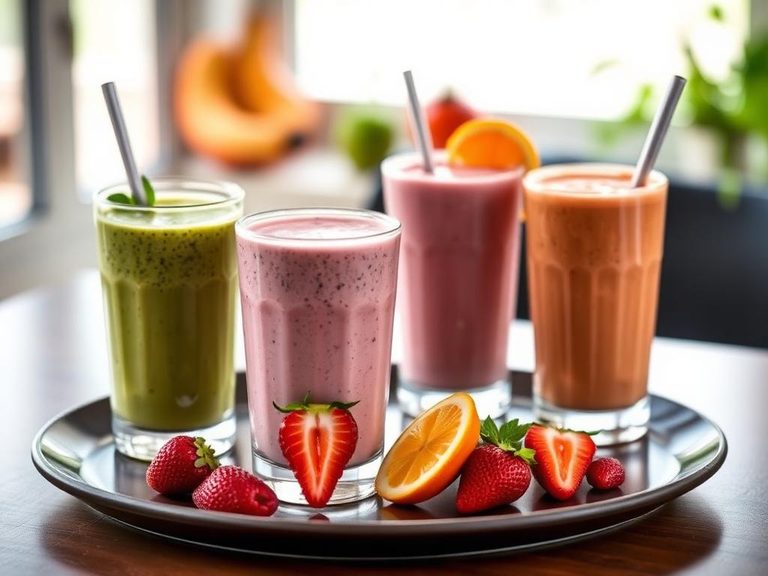
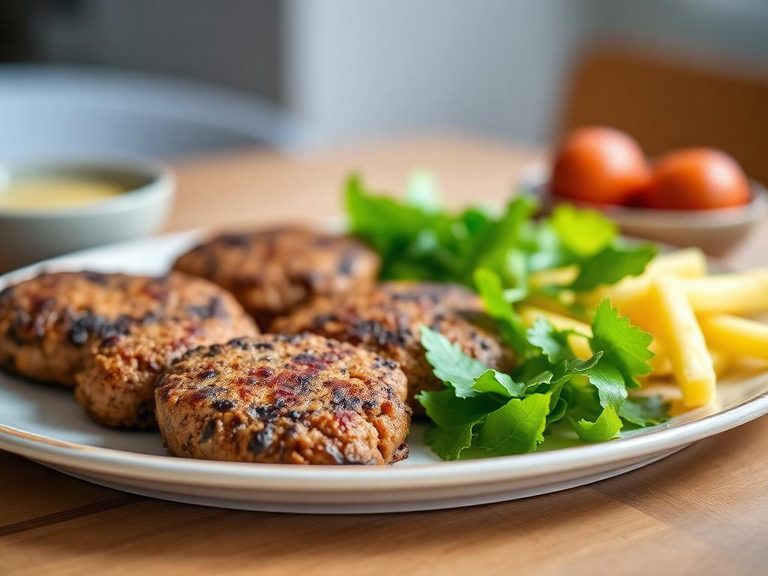
People love it for its remarkable ability to seamlessly boost protein in everything from smoothies to baked goods without significantly altering texture or flavor. Its versatility as a neutral, high-protein base makes it a staple in sports nutrition and plant-based meat formulations.
⚠️ Watch-outs & how to enjoy it better
Some may experience digestive discomfort like bloating due to its fiber content. The alcohol extraction process can impart a faint, residual bitterness or 'beany' note that some find noticeable. To counteract, start with small portions, blend it thoroughly into flavorful mixtures like fruit smoothies or savory sauces, and ensure adequate hydration to help with fiber digestion.
Key benefits
- Excellent source of complete plant protein.
- Very low in fat and cholesterol-free.
- High in fiber compared to soy protein isolate.
- Contains isoflavones, which are phytonutrients.
- Alcohol extraction removes most trypsin inhibitors and phytic acid.
🍽️ Popular dishes
🌍 Where it's eaten
💡 Did you know?
The alcohol extraction process is specifically designed to remove the carbohydrate fraction (sugars and oligosaccharides) from defatted soy flakes, which is what gives this concentrate its high protein density and lower gas-producing potential compared to full-fat soy flour.
Full nutrition (USDA data · scales with serving)
| Water | 5.8 g |
| Energy | 328 kcal |
| Energy | 1373 kj |
| Protein | 63.6 g |
| Total lipid (fat) | 0.46 g |
| Ash | 4.7 g |
| Carbohydrate, by difference | 25.4 g |
| Fiber, total dietary | 5.5 g |
| Total Sugars | 20.0 g |
| Calcium, Ca | 363 mg |
| Iron, Fe | 10.8 mg |
| Magnesium, Mg | 315 mg |
| Phosphorus, P | 839 mg |
| Potassium, K | 2202 mg |
| Sodium, Na | 3.0 mg |
| Zinc, Zn | 4.4 mg |
| Copper, Cu | 0.98 mg |
| Manganese, Mn | 4.2 mg |
| Selenium, Se | 0.80 ug |
| Vitamin C, total ascorbic acid | 0.00 mg |
| Thiamin | 0.32 mg |
| Riboflavin | 0.14 mg |
| Niacin | 0.72 mg |
| Pantothenic acid | 0.06 mg |
| Vitamin B-6 | 0.13 mg |
| Folate, total | 340 ug |
| Folic acid | 0.00 ug |
| Folate, food | 340 ug |
| Folate, DFE | 340 ug |
| Vitamin B-12 | 0.00 ug |
| Vitamin B-12, added | 0.00 ug |
| Vitamin A, RAE | 0.00 ug |
| Retinol | 0.00 ug |
| Carotene, beta | 0.00 ug |
| Carotene, alpha | 0.00 ug |
| Cryptoxanthin, beta | 0.00 ug |
| Vitamin A, IU | 0.00 iu |
| Lycopene | 0.00 ug |
| Lutein + zeaxanthin | 0.00 ug |
| Vitamin E (alpha-tocopherol) | 0.00 mg |
| Vitamin E, added | 0.00 mg |
| Vitamin D (D2 + D3), International Units | 0.00 iu |
| Vitamin D (D2 + D3) | 0.00 ug |
| Vitamin K (phylloquinone) | 0.00 ug |
| Alcohol, ethyl | 0.00 g |
| Caffeine | 0.00 mg |
| Theobromine | 0.00 mg |
Fat & fatty acid profile (per 100g)
| Fatty acids, total saturated | 0.05 g |
| SFA 14:0 | 0.00 g |
| SFA 16:0 | 0.04 g |
| SFA 18:0 | 0.01 g |
| Fatty acids, total monounsaturated | 0.08 g |
| MUFA 16:1 | 0.00 g |
| MUFA 18:1 | 0.08 g |
| Fatty acids, total polyunsaturated | 0.20 g |
| PUFA 18:2 | 0.18 g |
| PUFA 18:3 | 0.02 g |
| Fatty acids, total trans | 0.00 g |
| Cholesterol | 0.00 mg |
Amino acid profile (per 100g)
| Tryptophan | 0.83 g |
| Threonine | 2.5 g |
| Isoleucine | 2.9 g |
| Leucine | 4.9 g |
| Lysine | 3.9 g |
| Methionine | 0.81 g |
| Cystine | 0.89 g |
| Phenylalanine | 3.3 g |
| Tyrosine | 2.3 g |
| Valine | 3.1 g |
| Arginine | 4.6 g |
| Histidine | 1.6 g |
| Alanine | 2.7 g |
| Aspartic acid | 7.2 g |
| Glutamic acid | 12.0 g |
| Glycine | 2.7 g |
| Proline | 3.3 g |
| Serine | 3.4 g |
FAQ
How is this different from soy protein isolate?
Concentrate retains more fiber and phytonutrients but has slightly less protein (around 65-70% vs 90%+ for isolate) and may have a stronger flavor. Isolate is more refined and often used in hypoallergenic products.
Can I use it for baking?
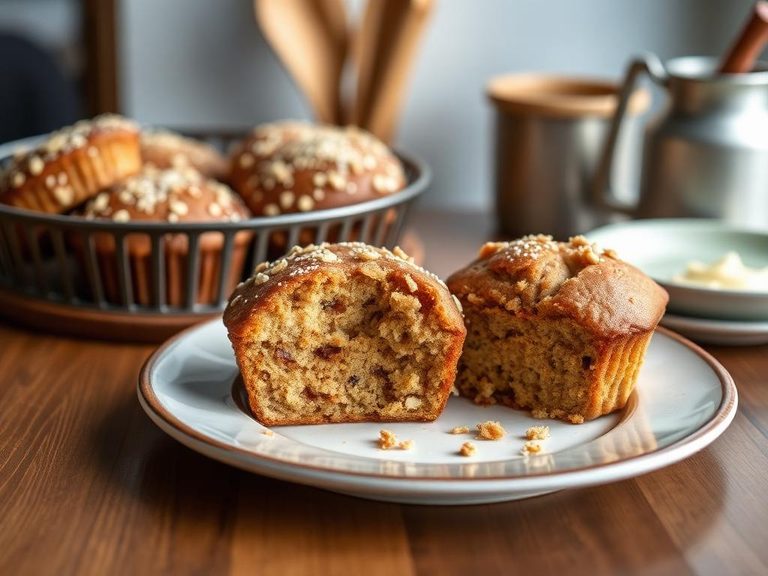
Yes, but it's very absorbent. Replace only 10-25% of the flour with it, and increase liquid slightly to avoid a dry, dense result. It works well in pancakes, muffins, and energy bars.
Is the alcohol in the extraction process still present?
No. The alcohol (typically ethanol) is used as a solvent to wash away sugars and is then fully removed through evaporation during manufacturing. The final product contains no alcohol.
Nutrient density (calculated · NRF9.3)
Nutrient Rich Foods index: beneficial nutrients (protein, fiber, vitamins, minerals) minus saturated fat, added sugar & sodium, per 100 kcal.
NRF9.3 index — Fulgoni, Keast & Drewnowski, 2009. Computed from USDA nutrients.
Weight-loss friendliness (composite index)
Energy density 3.28 kcal/g · 78% calories from protein · 5.5 g fiber · 20.0 g sugar per 100 g.
Composite of energy density (Rolls et al., 1999), protein & fiber satiety, minus sugar. A calculated heuristic — ranks satiety-per-calorie, not a clinical measure.
Dietary load (calculated from USDA values)
Potential renal acid load. Positive = acid-forming, negative = alkaline-forming.
Sodium-to-potassium ratio: 0.00 (lower is better — aim for ≤ 1)
Sodium:potassium per WHO potassium guidance. Computed from USDA nutrients.