

Shortening industrial, lard and vegetable oil
Whole food · Fats and Oils

Photo: Wikipedia
Shortening, lard, and vegetable oil are pure, solid or liquid fats used as foundational cooking mediums. They provide a rich, mouth-coating texture and a neutral to slightly savory flavor, acting as a blank canvas for other ingredients. Nutritionally, they are a concentrated source of energy, delivering 900 kcal per 100g with zero protein, carbs, or fiber.
Calorie split: 0% protein · 0% carbs · 100% fat
↓ Full nutrition💚 Why it's loved
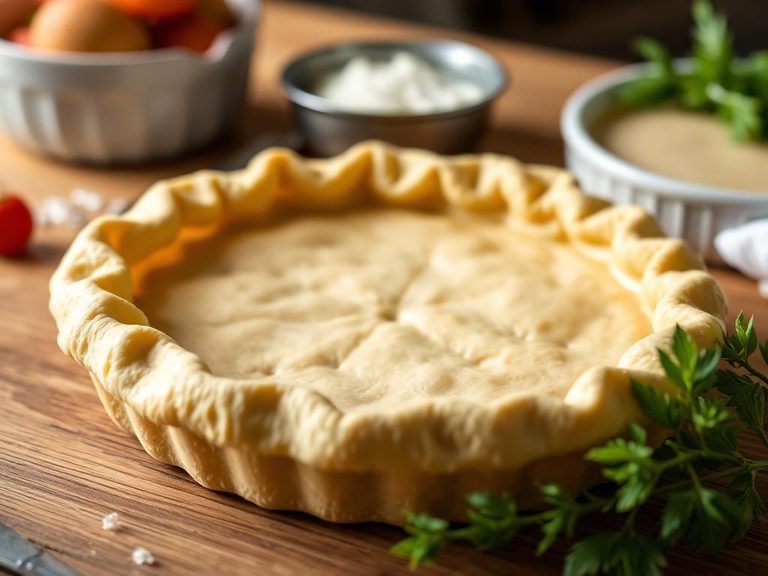
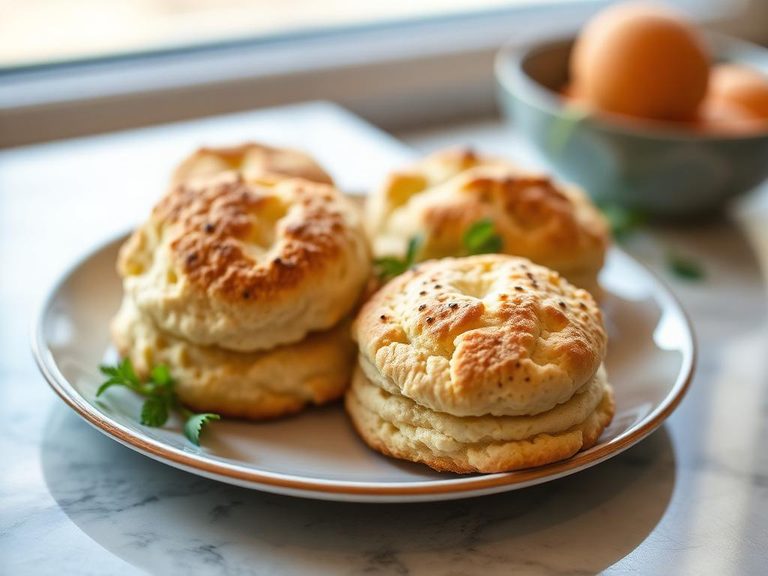
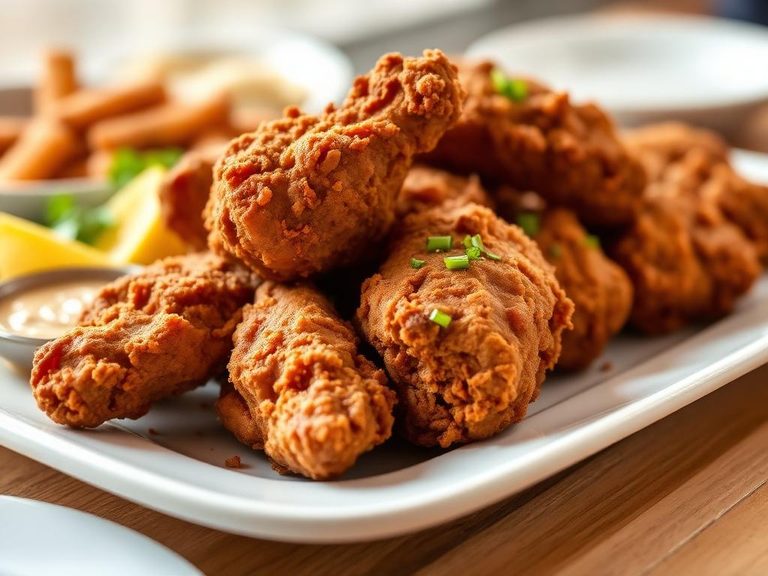
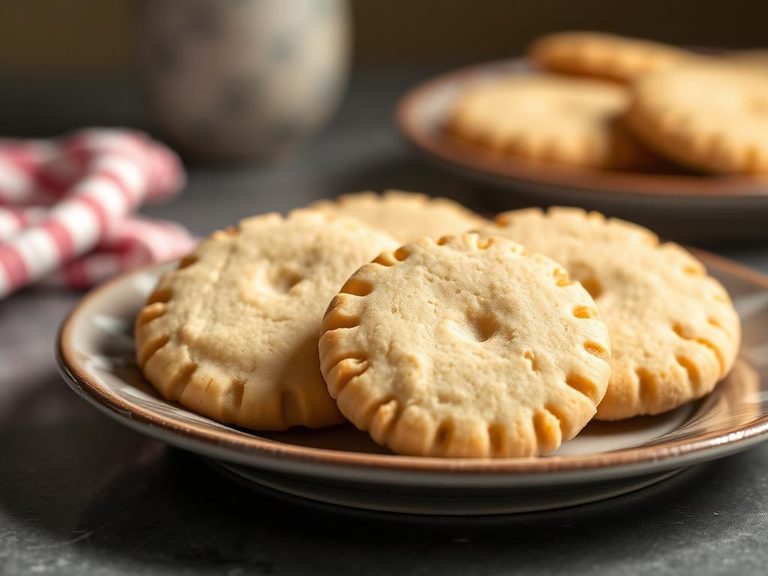
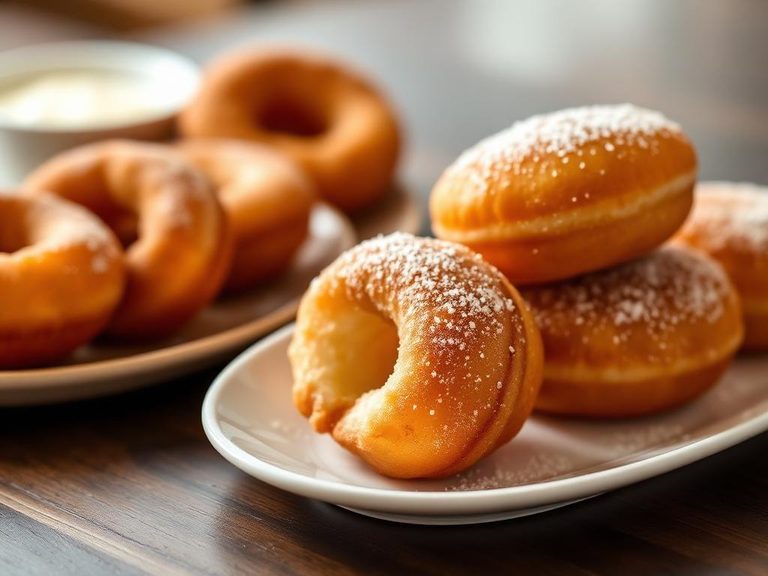
People love these fats for their unparalleled ability to create flaky pie crusts, tender biscuits, and perfectly fried foods. Their neutral taste and functional versatility make them indispensable in both home kitchens and professional bakeries.
⚠️ Watch-outs & how to enjoy it better
High consumption of saturated fats (like lard and some shortenings) is linked to cardiovascular concerns. To counteract this, use them in moderation, balance meals with lean proteins and fiber-rich vegetables, and opt for oils high in unsaturated fats (like olive or avocado oil) for daily cooking.
Key benefits
- Provides essential fatty acids and fat-soluble vitamins (A, D, E, K)
- Creates flaky, tender textures in pastries and baked goods
- Enables high-heat cooking methods like frying and sautéing
- Acts as a flavor carrier for spices and aromatics
- Offers a long shelf life when stored properly
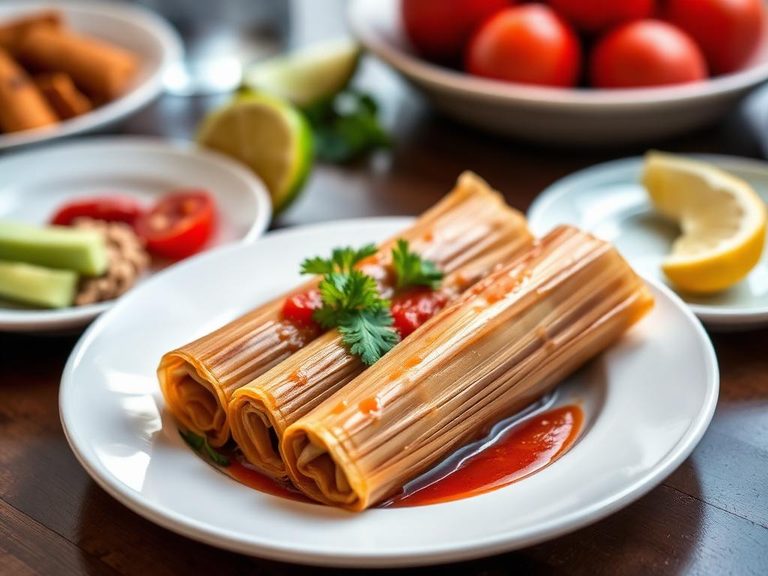
🍽️ Popular dishes
🌍 Where it's eaten
💡 Did you know?
The invention of hydrogenated vegetable shortening in the early 1900s was a direct response to a meat-packing industry crisis, providing a cheaper, more stable alternative to lard for bakers.
Full nutrition (USDA data · scales with serving)
| Water | 0.00 g |
| Energy | 900 kcal |
| Energy | 3766 kj |
| Protein | 0.00 g |
| Total lipid (fat) | 100 g |
| Ash | 0.00 g |
| Carbohydrate, by difference | 0.00 g |
| Fiber, total dietary | 0.00 g |
| Calcium, Ca | 0.00 mg |
| Iron, Fe | 0.00 mg |
| Magnesium, Mg | 0.00 mg |
| Phosphorus, P | 0.00 mg |
| Potassium, K | 0.00 mg |
| Sodium, Na | 0.00 mg |
| Zinc, Zn | 0.00 mg |
| Selenium, Se | 0.00 ug |
| Vitamin C, total ascorbic acid | 0.00 mg |
| Thiamin | 0.00 mg |
| Riboflavin | 0.00 mg |
| Niacin | 0.00 mg |
| Pantothenic acid | 0.00 mg |
| Vitamin B-6 | 0.00 mg |
| Folate, total | 0.00 ug |
| Folic acid | 0.00 ug |
| Folate, food | 0.00 ug |
| Folate, DFE | 0.00 ug |
| Vitamin B-12 | 0.00 ug |
| Vitamin A, RAE | 0.00 ug |
| Retinol | 0.00 ug |
| Vitamin A, IU | 0.00 iu |
| Vitamin E (alpha-tocopherol) | 1.0 mg |
Fat & fatty acid profile (per 100g)
| Fatty acids, total saturated | 35.7 g |
| SFA 4:0 | 0.00 g |
| SFA 6:0 | 0.00 g |
| SFA 8:0 | 0.00 g |
| SFA 10:0 | 0.00 g |
| SFA 12:0 | 0.20 g |
| SFA 14:0 | 1.2 g |
| SFA 16:0 | 19.2 g |
| SFA 18:0 | 14.6 g |
| Fatty acids, total monounsaturated | 40.7 g |
| MUFA 16:1 | 1.4 g |
| MUFA 18:1 | 38.0 g |
| MUFA 20:1 | 0.60 g |
| MUFA 22:1 | 0.00 g |
| Fatty acids, total polyunsaturated | 19.2 g |
| PUFA 18:2 | 18.1 g |
| PUFA 18:3 | 1.0 g |
| PUFA 18:4 | 0.00 g |
| PUFA 20:4 | 0.00 g |
| PUFA 20:5 n-3 (EPA) | 0.00 g |
| PUFA 22:5 n-3 (DPA) | 0.00 g |
| PUFA 22:6 n-3 (DHA) | 0.00 g |
| Cholesterol | 56.0 mg |
| Phytosterols | 13.0 mg |
Amino acid profile (per 100g)
| Tryptophan | 0.00 g |
| Threonine | 0.00 g |
| Isoleucine | 0.00 g |
| Leucine | 0.00 g |
| Lysine | 0.00 g |
| Methionine | 0.00 g |
| Cystine | 0.00 g |
| Phenylalanine | 0.00 g |
| Tyrosine | 0.00 g |
| Valine | 0.00 g |
| Arginine | 0.00 g |
| Histidine | 0.00 g |
| Alanine | 0.00 g |
| Aspartic acid | 0.00 g |
| Glutamic acid | 0.00 g |
| Glycine | 0.00 g |
| Proline | 0.00 g |
| Serine | 0.00 g |
FAQ
What's the difference between lard, shortening, and vegetable oil?
Lard is rendered pig fat, shortening is typically hydrogenated vegetable oil (solid at room temp), and vegetable oil is liquid plant fat. They differ in flavor, melting point, and fatty acid profile.
Can I substitute one for the other in baking?
Often yes, but with texture changes. Lard and shortening create flakier pastry due to their solid state. Oil yields a more tender, cake-like crumb. For 1 cup of shortening, use 1 cup minus 2 tablespoons of lard or 7/8 cup of oil.
Why is shortening used in commercial baking?
It's prized for its consistent performance, high melting point (which prevents greasy pastries), and ability to create a very tender, flaky texture in large-scale production.
Nutrient density (calculated · NRF9.3)
Nutrient Rich Foods index: beneficial nutrients (protein, fiber, vitamins, minerals) minus saturated fat, added sugar & sodium, per 100 kcal.
NRF9.3 index — Fulgoni, Keast & Drewnowski, 2009. Computed from USDA nutrients.
Weight-loss friendliness (composite index)
Energy density 9.00 kcal/g · 0% calories from protein · 0.0 g fiber · 0.0 g sugar per 100 g.
Composite of energy density (Rolls et al., 1999), protein & fiber satiety, minus sugar. A calculated heuristic — ranks satiety-per-calorie, not a clinical measure.
Dietary load (calculated from USDA values)
Potential renal acid load. Positive = acid-forming, negative = alkaline-forming.
Sodium:potassium per WHO potassium guidance. Computed from USDA nutrients.