

Pork, fresh, variety meats and by-products, pancreas, raw
Whole food · Pork Products

Photo: Wikipedia
Pork pancreas is a rich, creamy organ meat with a distinctively smooth, slightly grainy texture when raw and a tender, melt-in-the-mouth quality when cooked. Its flavor is mild and subtly sweet, lacking the strong 'offal' taste of other organs. Nutritionally, it's a protein powerhouse with a significant fat content, providing a dense source of energy and essential nutrients.
Calorie split: 38% protein · 0% carbs · 62% fat
↓ Full nutrition💚 Why it's loved
It's prized for its unique, delicate texture that absorbs flavors beautifully in stews and braises, offering a luxurious mouthfeel without the strong flavor of liver. In many culinary traditions, it's a valued delicacy used in celebratory dishes and nose-to-tail cooking.
⚠️ Watch-outs & how to enjoy it better
Its high fat and cholesterol content means it should be consumed in moderation, especially by those managing heart health or blood lipid levels. To counteract this, pair it with fiber-rich vegetables or legumes and practice strict portion control, treating it as an occasional indulgence rather than a staple.
Key benefits
- Excellent source of high-quality protein for muscle maintenance.
- Rich in B vitamins, particularly B12, crucial for nerve function.
- Provides selenium, a powerful antioxidant mineral.
- Contains zinc, important for immune health.
- Naturally free of carbohydrates and sugars.
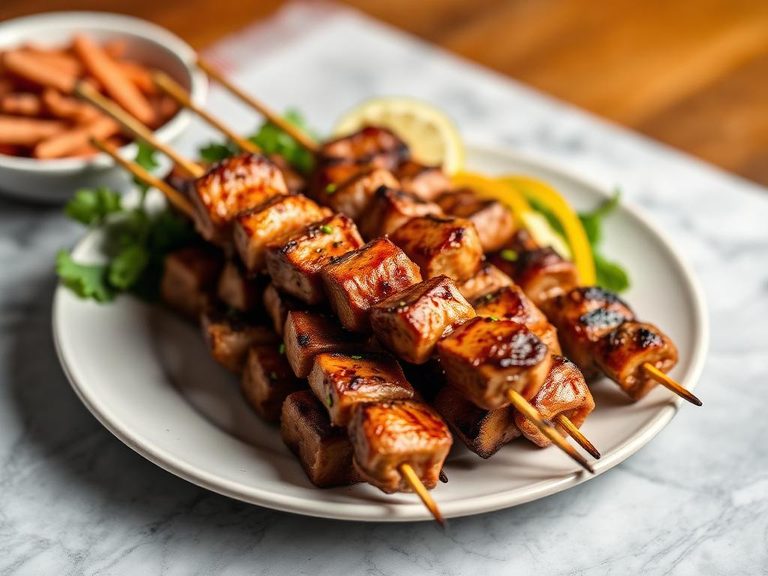
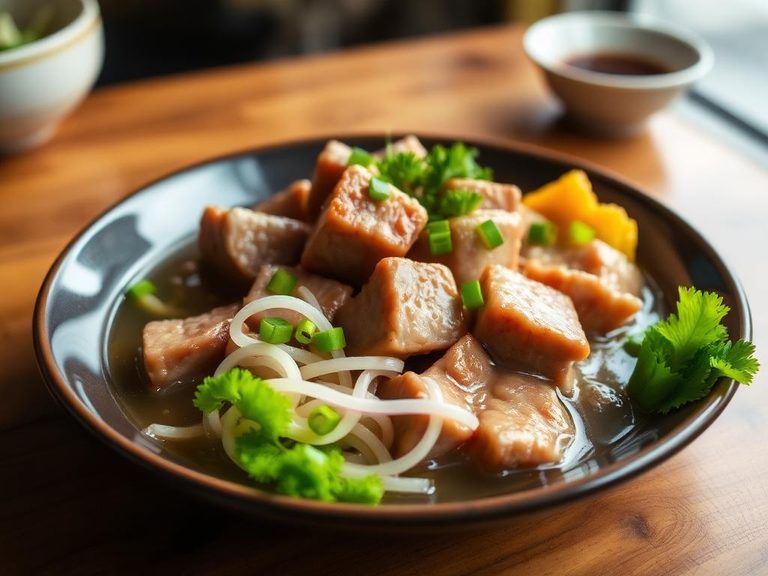
🍽️ Popular dishes
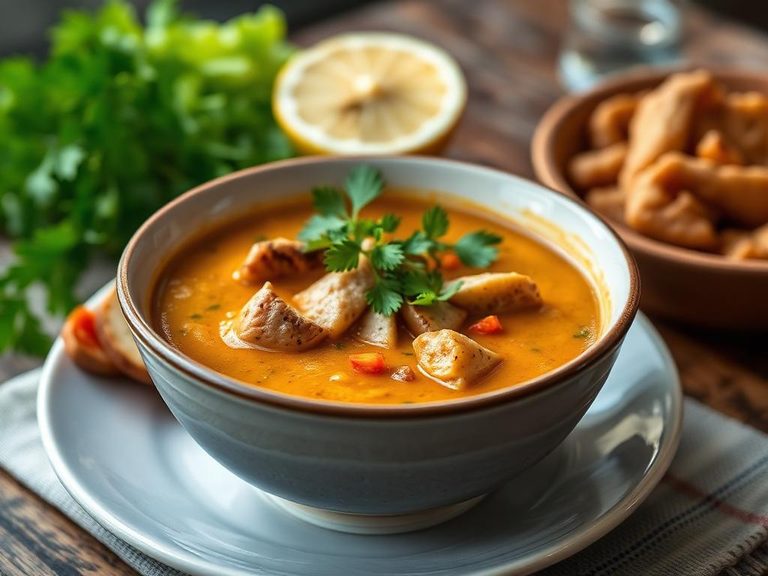
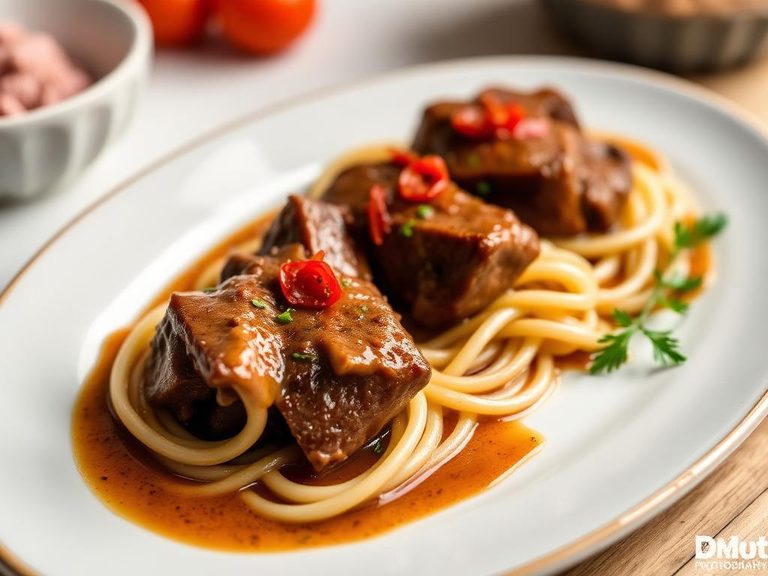
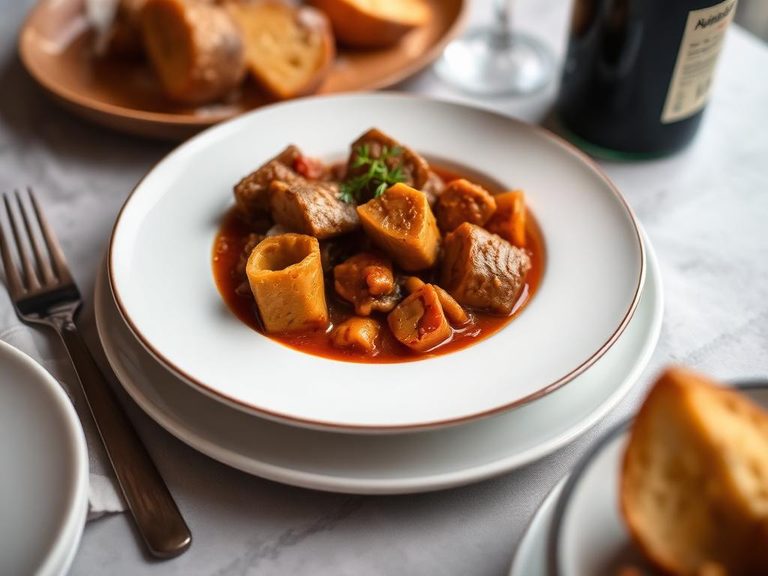
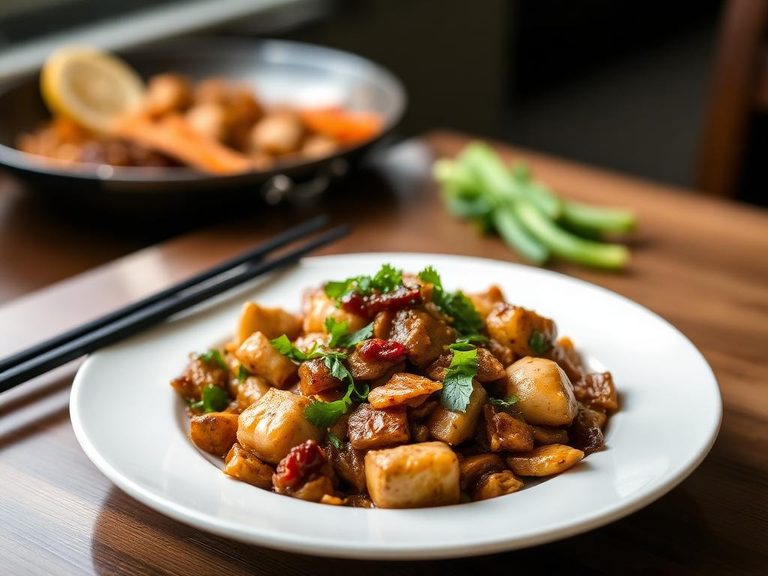
🌍 Where it's eaten
💡 Did you know?
The pancreas is a dual-function organ, acting as both an exocrine gland (producing digestive enzymes) and an endocrine gland (producing hormones like insulin, which is why it's sometimes called the 'islets of Langerhans').
Full nutrition (USDA data · scales with serving)
| Water | 67.2 g |
| Energy | 199 kcal |
| Energy | 833 kj |
| Protein | 18.6 g |
| Total lipid (fat) | 13.2 g |
| Ash | 1.1 g |
| Carbohydrate, by difference | 0.00 g |
| Fiber, total dietary | 0.00 g |
| Calcium, Ca | 11.0 mg |
| Iron, Fe | 2.1 mg |
| Magnesium, Mg | 17.0 mg |
| Phosphorus, P | 234 mg |
| Potassium, K | 197 mg |
| Sodium, Na | 44.0 mg |
| Zinc, Zn | 2.6 mg |
| Copper, Cu | 0.09 mg |
| Manganese, Mn | 0.16 mg |
| Selenium, Se | 40.8 ug |
| Vitamin C, total ascorbic acid | 15.3 mg |
| Thiamin | 0.10 mg |
| Riboflavin | 0.46 mg |
| Niacin | 3.5 mg |
| Pantothenic acid | 4.6 mg |
| Vitamin B-6 | 0.46 mg |
| Folate, total | 3.0 ug |
| Folic acid | 0.00 ug |
| Folate, food | 3.0 ug |
| Folate, DFE | 3.0 ug |
| Vitamin B-12 | 16.4 ug |
| Vitamin A, RAE | 0.00 ug |
| Retinol | 0.00 ug |
| Vitamin A, IU | 0.00 iu |
Fat & fatty acid profile (per 100g)
| Fatty acids, total saturated | 4.6 g |
| SFA 4:0 | 0.00 g |
| SFA 6:0 | 0.00 g |
| SFA 8:0 | 0.00 g |
| SFA 10:0 | 0.00 g |
| SFA 12:0 | 0.00 g |
| SFA 14:0 | 0.11 g |
| SFA 16:0 | 2.5 g |
| SFA 18:0 | 1.7 g |
| Fatty acids, total monounsaturated | 4.6 g |
| MUFA 16:1 | 0.79 g |
| MUFA 18:1 | 3.8 g |
| MUFA 20:1 | 0.00 g |
| MUFA 22:1 | 0.00 g |
| Fatty acids, total polyunsaturated | 2.5 g |
| PUFA 18:2 | 1.4 g |
| PUFA 18:3 | 0.09 g |
| PUFA 18:4 | 0.00 g |
| PUFA 20:4 | 0.57 g |
| PUFA 20:5 n-3 (EPA) | 0.00 g |
| PUFA 22:5 n-3 (DPA) | 0.00 g |
| PUFA 22:6 n-3 (DHA) | 0.00 g |
| Cholesterol | 193 mg |
| Phytosterols | 0.00 mg |
Amino acid profile (per 100g)
| Tryptophan | 0.41 g |
| Threonine | 0.83 g |
| Isoleucine | 0.97 g |
| Leucine | 1.4 g |
| Lysine | 1.3 g |
| Methionine | 0.31 g |
| Cystine | 0.24 g |
| Phenylalanine | 0.80 g |
| Tyrosine | 0.78 g |
| Valine | 1.0 g |
| Arginine | 1.1 g |
| Histidine | 0.36 g |
| Alanine | 0.95 g |
| Aspartic acid | 1.8 g |
| Glutamic acid | 1.5 g |
| Glycine | 1.1 g |
| Proline | 0.95 g |
| Serine | 0.74 g |
FAQ
How do you prepare pork pancreas before cooking?
It must be thoroughly cleaned. Trim any excess fat or connective tissue, then rinse well under cold water. Some cooks blanch it briefly in boiling water or a vinegar-water solution to remove any residual impurities and firm up the texture before further cooking.
What does pork pancreas taste like?
It has a very mild, slightly sweet flavor, much milder than liver or kidney. The primary characteristic is its texture—creamy and smooth when cooked properly, often compared to a very tender, fatty piece of meat.
Is pork pancreas the same as sweetbreads?
No. 'Sweetbreads' typically refer to the thymus gland or the pancreas of young animals (veal or lamb). Pork pancreas is specifically the pancreas from an adult pig, which is larger and has a denser texture than traditional sweetbreads.
Nutrient density (calculated · NRF9.3)
Nutrient Rich Foods index: beneficial nutrients (protein, fiber, vitamins, minerals) minus saturated fat, added sugar & sodium, per 100 kcal.
NRF9.3 index — Fulgoni, Keast & Drewnowski, 2009. Computed from USDA nutrients.
Weight-loss friendliness (composite index)
Energy density 1.99 kcal/g · 37% calories from protein · 0.0 g fiber · 0.0 g sugar per 100 g.
Composite of energy density (Rolls et al., 1999), protein & fiber satiety, minus sugar. A calculated heuristic — ranks satiety-per-calorie, not a clinical measure.
Dietary load (calculated from USDA values)
Potential renal acid load. Positive = acid-forming, negative = alkaline-forming.
Sodium-to-potassium ratio: 0.22 (lower is better — aim for ≤ 1)
Sodium:potassium per WHO potassium guidance. Computed from USDA nutrients.