

Pork, fresh, variety meats and by-products, liver, cooked, braised
Whole food · Pork Products

Photo: Wikipedia
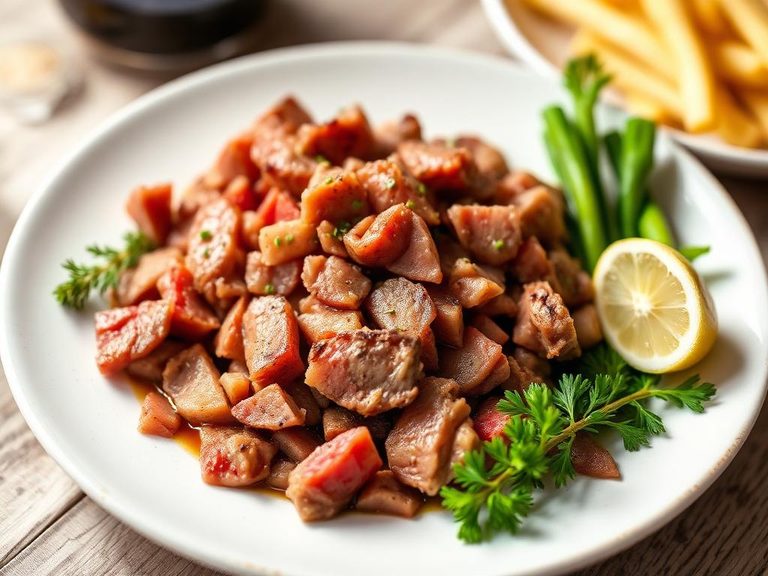
Braised pork liver is a tender, mineral-rich organ meat with a deep, savory flavor and a smooth, slightly creamy texture when cooked properly. It's a nutritional powerhouse, delivering an exceptional amount of high-quality protein and iron in a low-calorie, low-fat package. The slow braising process infuses it with aromatic flavors while transforming its dense texture into something succulent and palatable.
Calorie split: 66% protein · 9% carbs · 25% fat
↓ Full nutrition💚 Why it's loved
People cherish braised pork liver for its profound, umami-rich flavor that acts as a culinary sponge, absorbing the flavors of the braising liquid. It's a beloved comfort food in many cultures, valued for its hearty, satisfying nature and its traditional role as a nourishing, restorative meal.
⚠️ Watch-outs & how to enjoy it better
Its strong, distinct iron-rich taste and dense texture can be off-putting to those unfamiliar with organ meats. Individuals managing iron overload conditions (like hemochromatosis) should be cautious. To counteract the strong flavor, slice it thinly after cooking and pair it with acidic elements like a squeeze of lemon or a vinegar-based sauce to cut through the richness.
Key benefits
- Exceptional source of heme iron, easily absorbed by the body
- Very high in complete protein for muscle maintenance and repair
- Rich in vitamin B12, essential for nerve function and red blood cell formation
- Contains significant amounts of selenium and copper, key antioxidants
- Low in calories and fat relative to its nutrient density
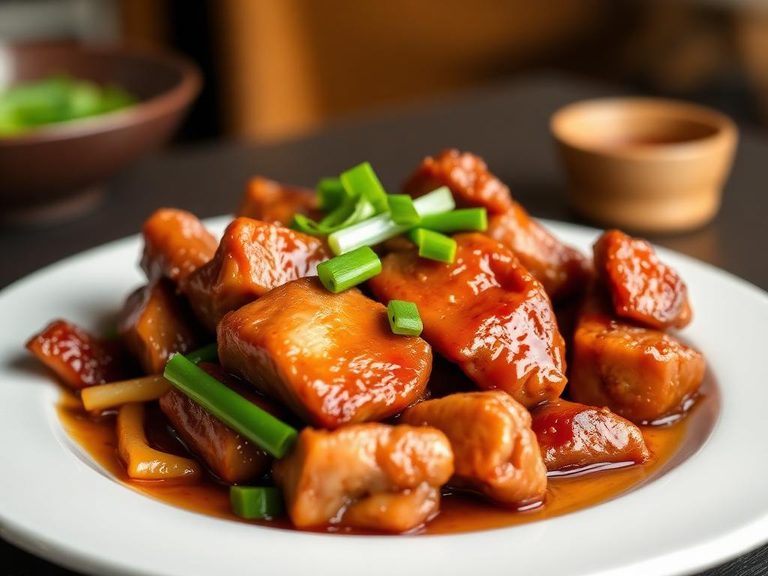
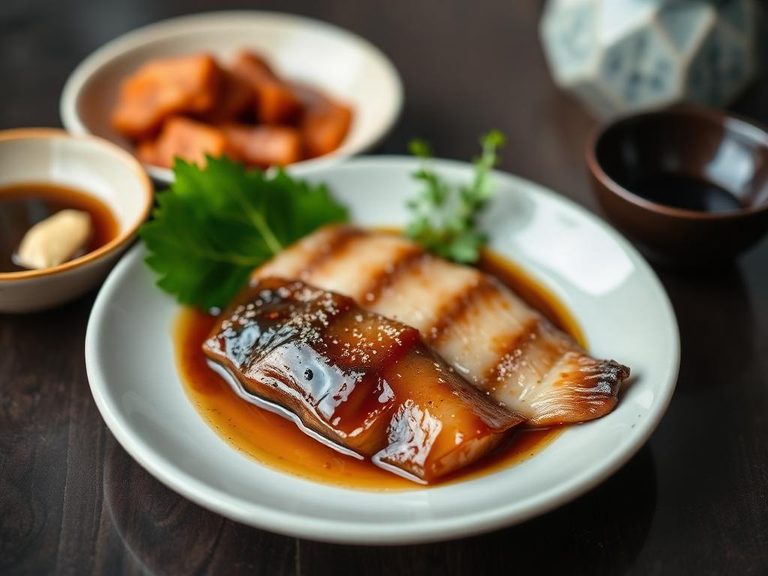
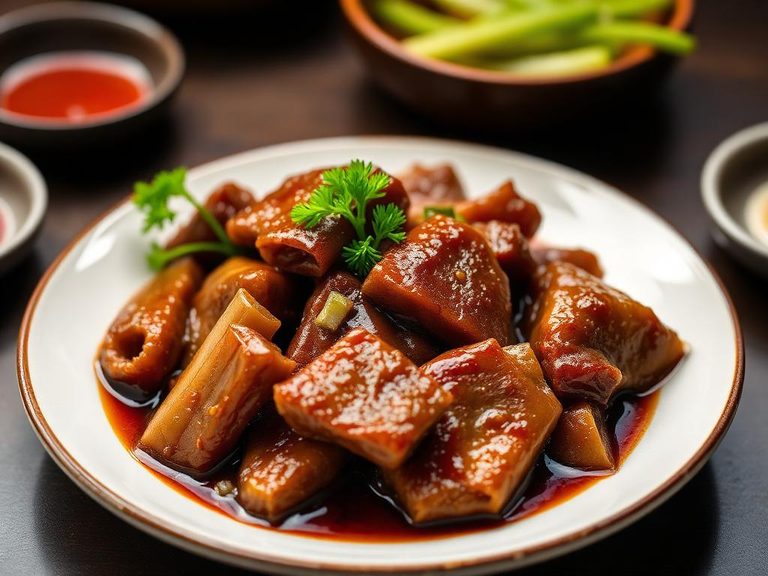
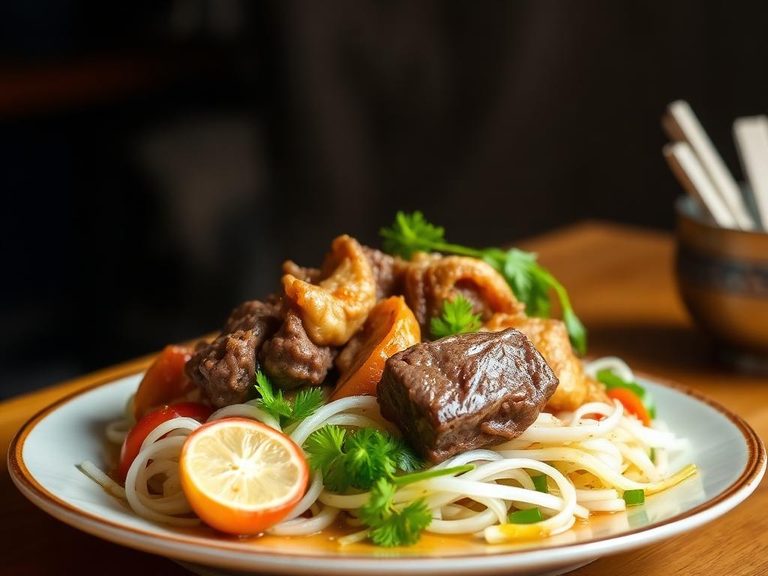
🍽️ Popular dishes
🌍 Where it's eaten
💡 Did you know?
Pork liver is one of the most concentrated natural food sources of vitamin A, with a single 100g serving providing over 500% of the recommended daily intake.
Full nutrition (USDA data · scales with serving)
| Water | 64.3 g |
| Energy | 165 kcal |
| Energy | 690 kj |
| Protein | 26.0 g |
| Total lipid (fat) | 4.4 g |
| Ash | 1.5 g |
| Carbohydrate, by difference | 3.8 g |
| Fiber, total dietary | 0.00 g |
| Calcium, Ca | 10.0 mg |
| Iron, Fe | 17.9 mg |
| Magnesium, Mg | 14.0 mg |
| Phosphorus, P | 241 mg |
| Potassium, K | 150 mg |
| Sodium, Na | 49.0 mg |
| Zinc, Zn | 6.7 mg |
| Copper, Cu | 0.63 mg |
| Manganese, Mn | 0.30 mg |
| Selenium, Se | 67.5 ug |
| Vitamin C, total ascorbic acid | 23.6 mg |
| Thiamin | 0.26 mg |
| Riboflavin | 2.2 mg |
| Niacin | 8.4 mg |
| Pantothenic acid | 4.8 mg |
| Vitamin B-6 | 0.57 mg |
| Folate, total | 163 ug |
| Folic acid | 0.00 ug |
| Folate, food | 163 ug |
| Folate, DFE | 163 ug |
| Vitamin B-12 | 18.7 ug |
| Vitamin A, RAE | 5405 ug |
| Retinol | 5405 ug |
| Vitamin A, IU | 17997 iu |
| Alcohol, ethyl | 0.00 g |
Fat & fatty acid profile (per 100g)
| Fatty acids, total saturated | 1.4 g |
| SFA 4:0 | 0.00 g |
| SFA 6:0 | 0.00 g |
| SFA 8:0 | 0.00 g |
| SFA 10:0 | 0.00 g |
| SFA 12:0 | 0.00 g |
| SFA 14:0 | 0.02 g |
| SFA 16:0 | 0.53 g |
| SFA 18:0 | 0.84 g |
| Fatty acids, total monounsaturated | 0.63 g |
| MUFA 16:1 | 0.03 g |
| MUFA 18:1 | 0.56 g |
| MUFA 20:1 | 0.00 g |
| MUFA 22:1 | 0.04 g |
| Fatty acids, total polyunsaturated | 1.1 g |
| PUFA 18:2 | 0.42 g |
| PUFA 18:3 | 0.04 g |
| PUFA 18:4 | 0.00 g |
| PUFA 20:4 | 0.53 g |
| PUFA 20:5 n-3 (EPA) | 0.00 g |
| PUFA 22:5 n-3 (DPA) | 0.04 g |
| PUFA 22:6 n-3 (DHA) | 0.03 g |
| Cholesterol | 355 mg |
| Phytosterols | 0.00 mg |
Amino acid profile (per 100g)
| Tryptophan | 0.37 g |
| Threonine | 1.1 g |
| Isoleucine | 1.3 g |
| Leucine | 2.3 g |
| Lysine | 2.0 g |
| Methionine | 0.65 g |
| Cystine | 0.49 g |
| Phenylalanine | 1.3 g |
| Tyrosine | 0.89 g |
| Valine | 1.6 g |
| Arginine | 1.6 g |
| Histidine | 0.71 g |
| Alanine | 1.6 g |
| Aspartic acid | 2.4 g |
| Glutamic acid | 3.4 g |
| Glycine | 1.5 g |
| Proline | 1.4 g |
| Serine | 1.4 g |
FAQ
How do I prevent braised pork liver from becoming tough and grainy?
The key is not to overcook it. Braise it just until it's cooked through and tender, which typically takes 15-25 minutes depending on thickness. Overcooking causes the proteins to tighten excessively, resulting in a chalky, unpleasant texture.
Is pork liver safe to eat? Are there any risks?
When sourced from healthy animals and cooked thoroughly to an internal temperature of 160°F (71°C), it is safe. However, as an organ meat, it can accumulate contaminants, so it's best consumed in moderation as part of a varied diet. Those with gout should be mindful of its purine content.
Why does my braised liver sometimes have a bitter aftertaste?
Bitterness can result from overcooking or from not properly cleaning the liver before cooking. Soaking the sliced liver in milk or water for 30 minutes can help draw out some of the blood and milder metallic notes, resulting in a cleaner flavor.
Nutrient density (calculated · NRF9.3)
Nutrient Rich Foods index: beneficial nutrients (protein, fiber, vitamins, minerals) minus saturated fat, added sugar & sodium, per 100 kcal.
NRF9.3 index — Fulgoni, Keast & Drewnowski, 2009. Computed from USDA nutrients.
Weight-loss friendliness (composite index)
Energy density 1.65 kcal/g · 63% calories from protein · 0.0 g fiber · 0.0 g sugar per 100 g.
Composite of energy density (Rolls et al., 1999), protein & fiber satiety, minus sugar. A calculated heuristic — ranks satiety-per-calorie, not a clinical measure.
Dietary load (calculated from USDA values)
Potential renal acid load. Positive = acid-forming, negative = alkaline-forming.
Sodium-to-potassium ratio: 0.33 (lower is better — aim for ≤ 1)
Sodium:potassium per WHO potassium guidance. Computed from USDA nutrients.