

Pepperidge Farm, Goldfish, Baked Snack Crackers, Parmesan
Whole food · Baked Products
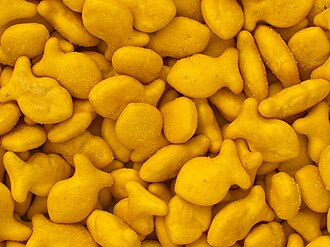
Photo: Wikipedia
These are small, fish-shaped baked crackers with a distinct, savory Parmesan cheese flavor and a light, crispy crunch. The taste is salty and umami-rich, with the cheese providing a sharp, slightly nutty finish. Nutritionally, they offer a decent amount of protein for a snack cracker but are primarily a source of refined carbohydrates.
Calorie split: 10% protein · 56% carbs · 34% fat
↓ Full nutrition💚 Why it's loved
People adore the iconic, playful fish shape and the satisfying, addictive crunch. The bold Parmesan flavor makes them a step above plain crackers, perfect for solo snacking or pairing with dips.
⚠️ Watch-outs & how to enjoy it better
As a refined carbohydrate snack, it can cause a rapid blood-sugar spike, especially when eaten alone. They are also typically high in sodium. To counteract this, pair a small handful with a protein or healthy fat source like hummus, cheese cubes, or a handful of nuts to slow digestion and promote satiety.
Key benefits
- Provides a quick source of energy from carbohydrates.
- Offers a moderate amount of protein per serving.
- Convenient, portable, and shelf-stable snack.
- Baked, not fried, which reduces fat content compared to some chips.
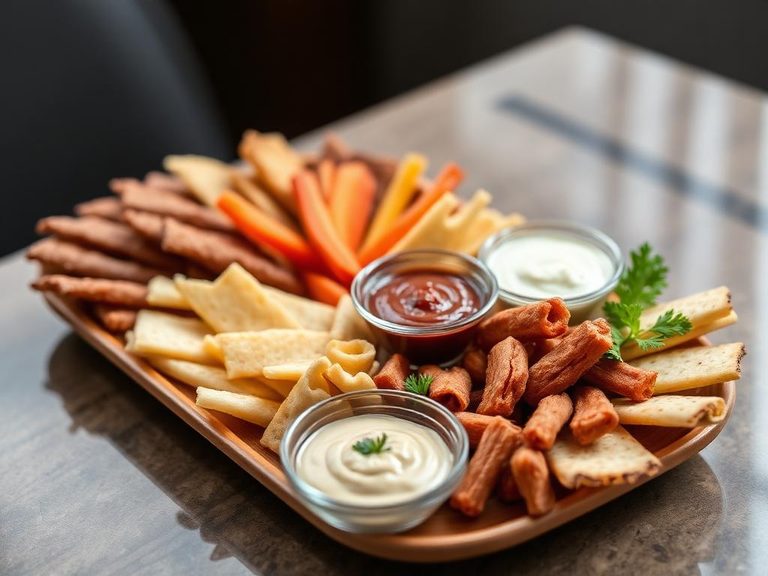
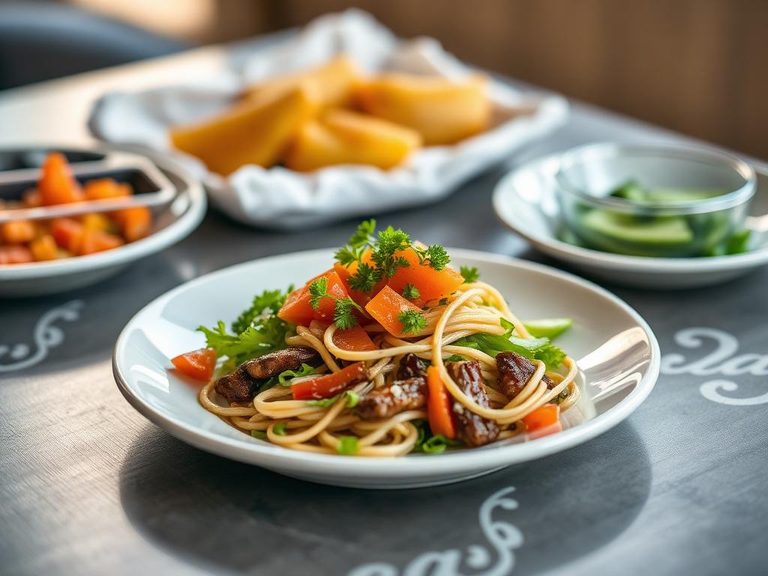
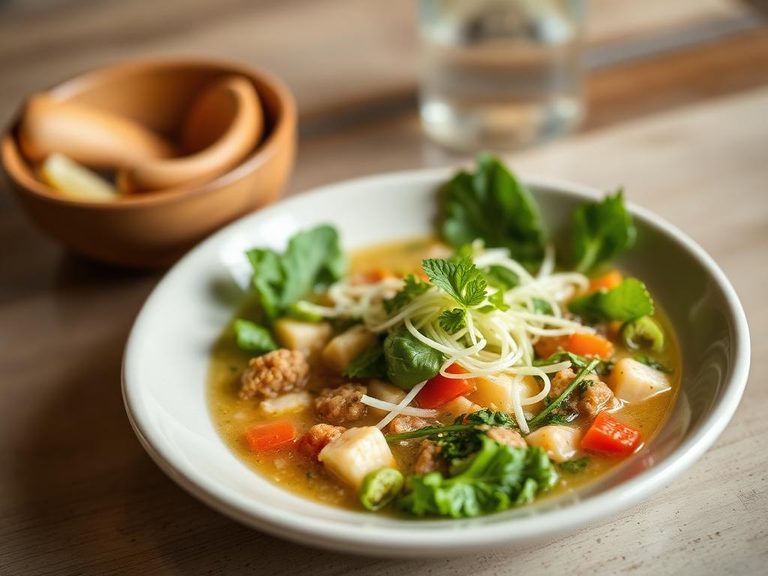
🍽️ Popular dishes
🌍 Where it's eaten
💡 Did you know?
The original Goldfish cracker was created in 1964 by a Swiss biscuit maker who shaped them like fish because his wife was an astrologer who believed the fish was a lucky sign.
Full nutrition (USDA data · scales with serving)
| Water | 3.3 g |
| Energy | 459 kcal |
| Energy | 1921 kj |
| Protein | 11.2 g |
| Total lipid (fat) | 17.3 g |
| Ash | 3.5 g |
| Carbohydrate, by difference | 64.7 g |
| Fiber, total dietary | 3.5 g |
| Total Sugars | 0.83 g |
| Sucrose | 0.00 g |
| Glucose | 0.24 g |
| Fructose | 0.00 g |
| Lactose | 0.00 g |
| Maltose | 0.59 g |
| Galactose | 0.00 g |
| Calcium, Ca | 101 mg |
| Iron, Fe | 4.5 mg |
| Magnesium, Mg | 24.0 mg |
| Phosphorus, P | 204 mg |
| Potassium, K | 168 mg |
| Sodium, Na | 1187 mg |
| Zinc, Zn | 1.3 mg |
| Copper, Cu | 0.14 mg |
| Manganese, Mn | 0.56 mg |
| Thiamin | 0.84 mg |
| Riboflavin | 0.46 mg |
| Niacin | 5.9 mg |
| Pantothenic acid | 0.58 mg |
| Vitamin B-6 | 0.08 mg |
Fat & fatty acid profile (per 100g)
| Fatty acids, total saturated | 2.6 g |
| SFA 4:0 | 0.05 g |
| SFA 6:0 | 0.04 g |
| SFA 8:0 | 0.03 g |
| SFA 10:0 | 0.07 g |
| SFA 12:0 | 0.08 g |
| SFA 14:0 | 0.26 g |
| SFA 15:0 | 0.03 g |
| SFA 16:0 | 1.4 g |
| SFA 17:0 | 0.02 g |
| SFA 18:0 | 0.52 g |
| SFA 20:0 | 0.09 g |
| SFA 22:0 | 0.04 g |
| SFA 24:0 | 0.03 g |
| Fatty acids, total monounsaturated | 9.2 g |
| MUFA 14:1 | 0.03 g |
| MUFA 15:1 | 0.00 g |
| MUFA 16:1 | 0.09 g |
| MUFA 16:1 c | 0.09 g |
| MUFA 17:1 | 0.01 g |
| MUFA 18:1 | 8.9 g |
| MUFA 18:1 c | 8.9 g |
| MUFA 20:1 | 0.16 g |
| MUFA 22:1 | 0.01 g |
| MUFA 22:1 c | 0.01 g |
| MUFA 24:1 c | 0.02 g |
| Fatty acids, total polyunsaturated | 3.4 g |
| PUFA 18:2 | 3.0 g |
| PUFA 18:2 n-6 c,c | 3.0 g |
| PUFA 18:2 CLAs | 0.02 g |
| PUFA 18:3 | 0.38 g |
| PUFA 18:3 n-3 c,c,c (ALA) | 0.36 g |
| PUFA 18:3 n-6 c,c,c | 0.01 g |
| PUFA 18:3i | 0.00 g |
| PUFA 18:4 | 0.00 g |
| PUFA 20:2 n-6 c,c | 0.01 g |
| PUFA 20:3 | 0.00 g |
| PUFA 20:3 n-3 | 0.00 g |
| PUFA 20:3 n-6 | 0.00 g |
| PUFA 20:4 | 0.00 g |
| PUFA 20:5 n-3 (EPA) | 0.00 g |
| PUFA 22:4 | 0.00 g |
| PUFA 22:5 n-3 (DPA) | 0.00 g |
| PUFA 22:6 n-3 (DHA) | 0.00 g |
| Fatty acids, total trans | 0.08 g |
| Fatty acids, total trans-monoenoic | 0.06 g |
| TFA 16:1 t | 0.01 g |
| TFA 18:1 t | 0.05 g |
| TFA 22:1 t | 0.00 g |
| TFA 18:2 t not further defined | 0.02 g |
| Fatty acids, total trans-polyenoic | 0.02 g |
FAQ
Are Goldfish crackers gluten-free?
No, standard Goldfish crackers are made with wheat flour and are not gluten-free. Pepperidge Farm does offer a separate gluten-free version.
What gives them their orange color?
The orange color comes from annatto extract, a natural food coloring derived from the seeds of the achiote tree.
Can I eat them on a low-carb diet?
Standard Goldfish crackers are high in carbohydrates (about 20g per 30g serving) and are not suitable for a low-carb or ketogenic diet.
Nutrient density (calculated · NRF9.3)
Nutrient Rich Foods index: beneficial nutrients (protein, fiber, vitamins, minerals) minus saturated fat, added sugar & sodium, per 100 kcal.
NRF9.3 index — Fulgoni, Keast & Drewnowski, 2009. Computed from USDA nutrients.
Weight-loss friendliness (composite index)
Energy density 4.59 kcal/g · 10% calories from protein · 3.5 g fiber · 0.8 g sugar per 100 g.
Composite of energy density (Rolls et al., 1999), protein & fiber satiety, minus sugar. A calculated heuristic — ranks satiety-per-calorie, not a clinical measure.
Dietary load (calculated from USDA values)
Potential renal acid load. Positive = acid-forming, negative = alkaline-forming.
Sodium-to-potassium ratio: 7.07 (lower is better — aim for ≤ 1)
Sodium:potassium per WHO potassium guidance. Computed from USDA nutrients.